Plizio Visual Lab
Gabès
ℹ️Practical info — Gabès
▾
🌤 Weather — 5 days
📍 Nearby
Sights nearby
💡 Tips
- Visit the palm oasis early in the morning to enjoy cooler temperatures and the best light.
- Negotiate the price beforehand if you take a horse-drawn carriage (calèche) through the groves.
- Keep in mind that this is an industrial hub, so air quality can vary; check local conditions.
- Take an evening walk along the corniche when the locals gather for a stroll.
🍽 Food
Gabès is famous for its pomegranates; buy them fresh at local stalls in autumn.
A crispy, deep-fried pastry filled with egg and tuna, widely available at street food stands.
A coastal specialty best enjoyed at small restaurants near the waterfront.
🛍 Shopping · 🧘 Quiet spots
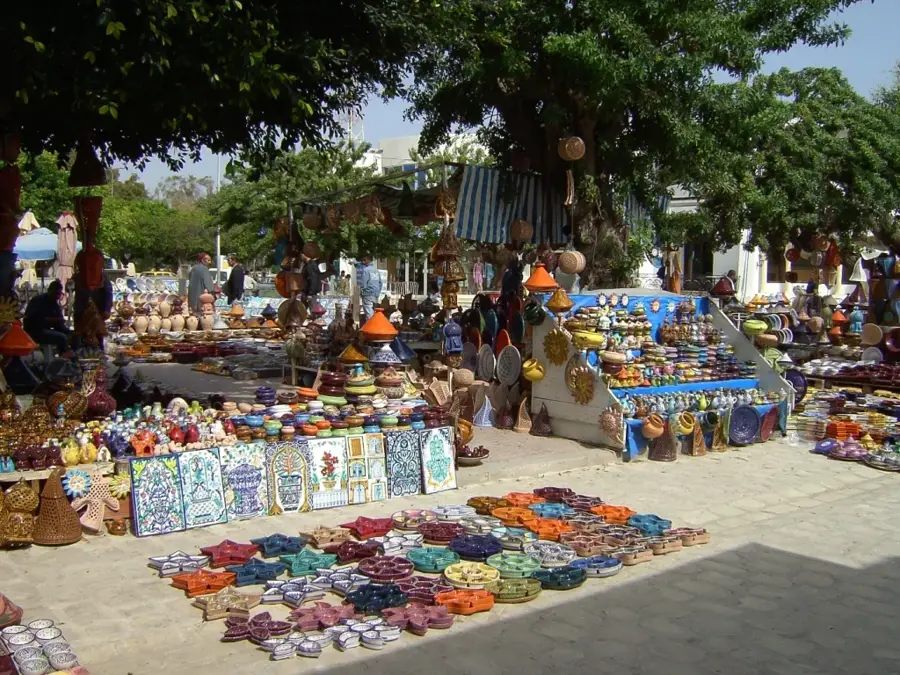
The traditional market where you can find spices, basketry, and authentic local goods.
The city is renowned for its high-quality henna powder, available throughout the market.
A quiet, traditional village located within the oasis away from the industrial center.
Wander along the irrigation canals under the shade of thousands of date palms.
Water temperature…
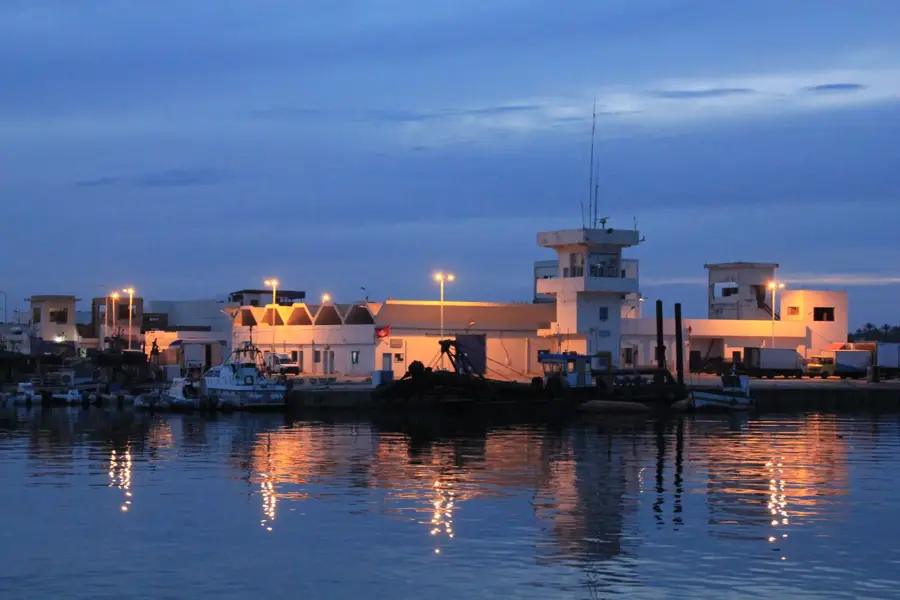
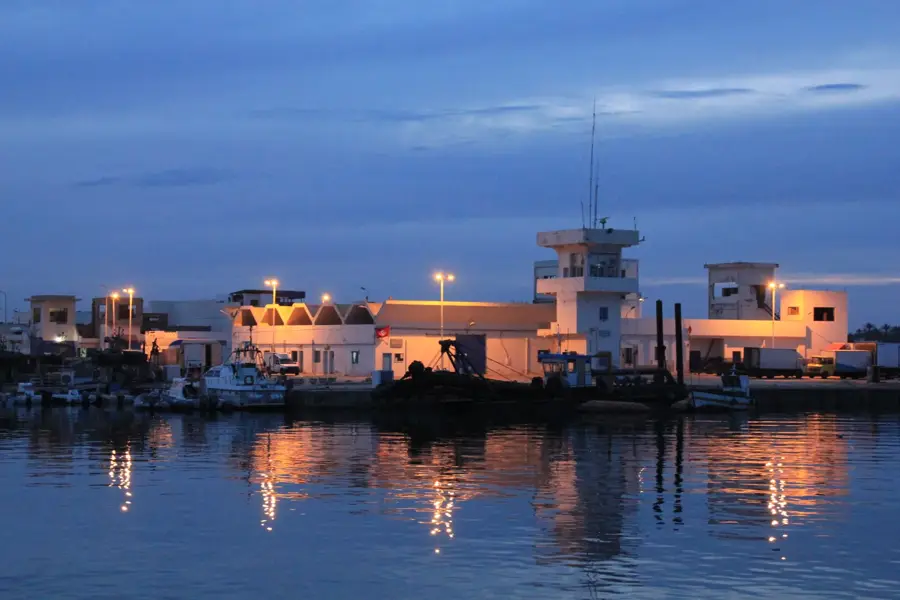
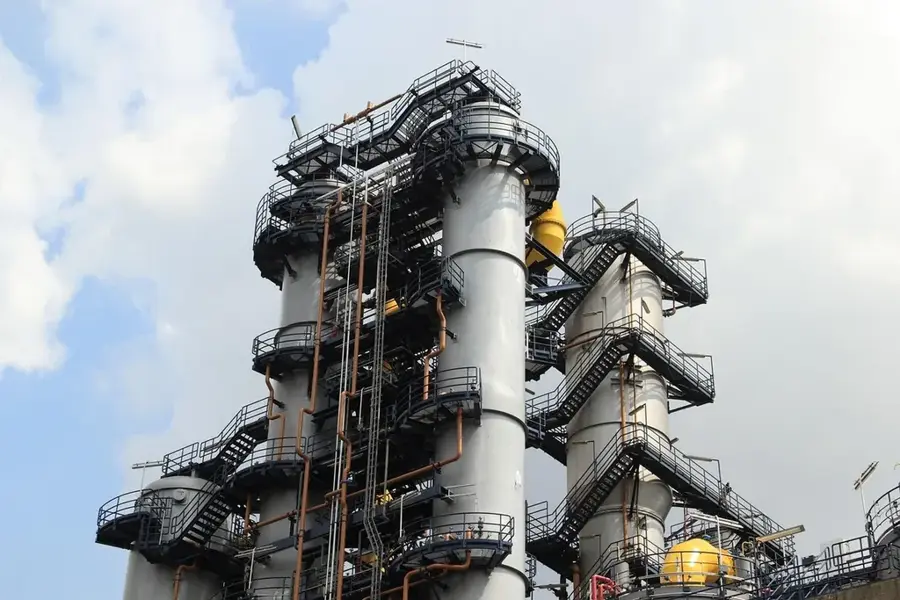
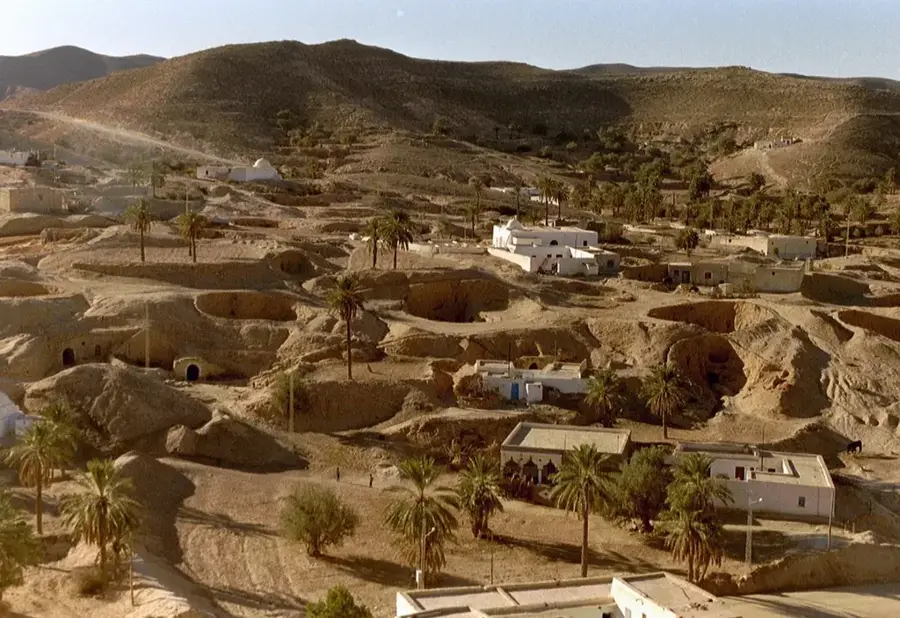
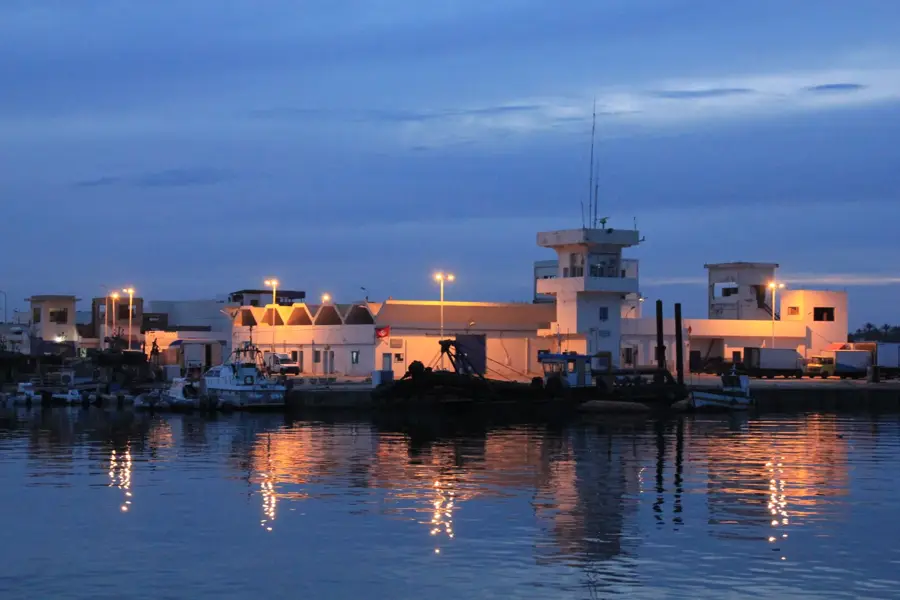
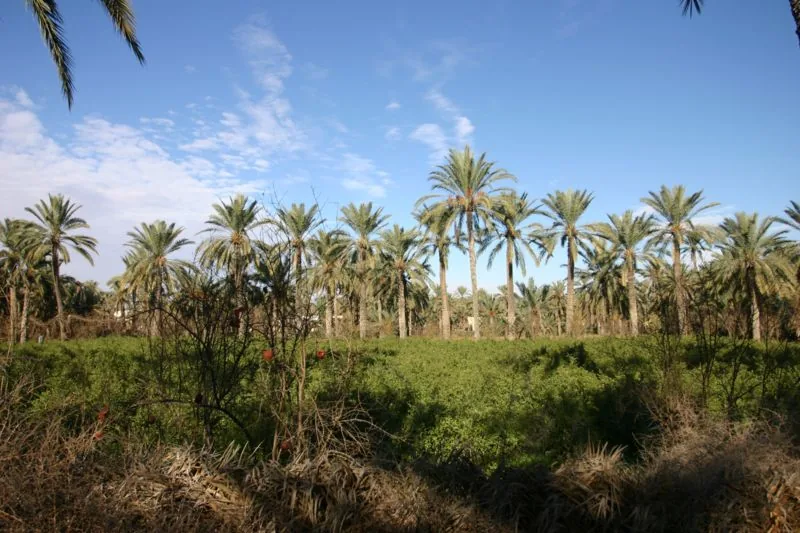
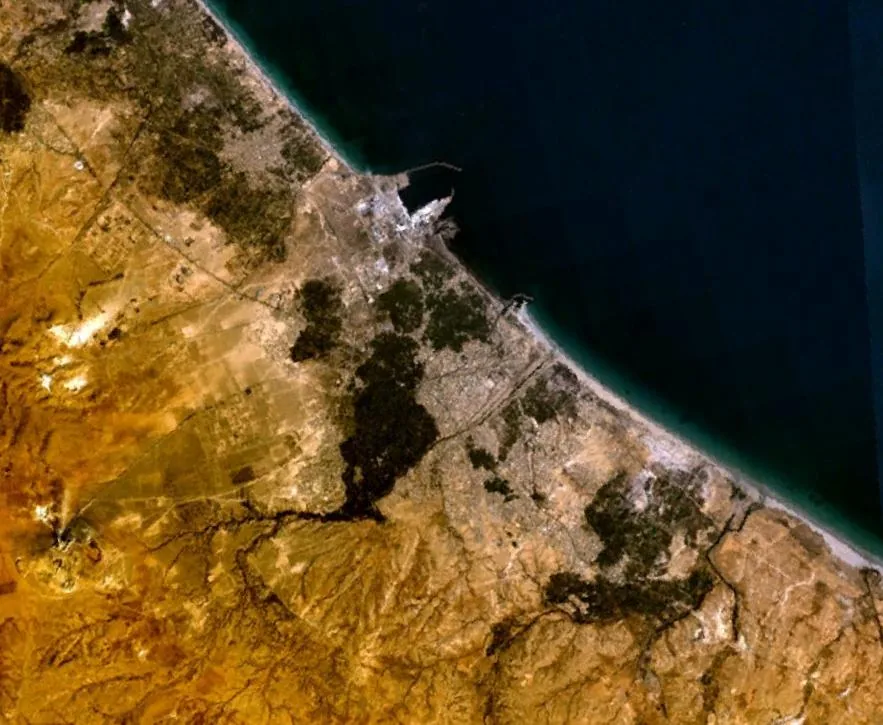
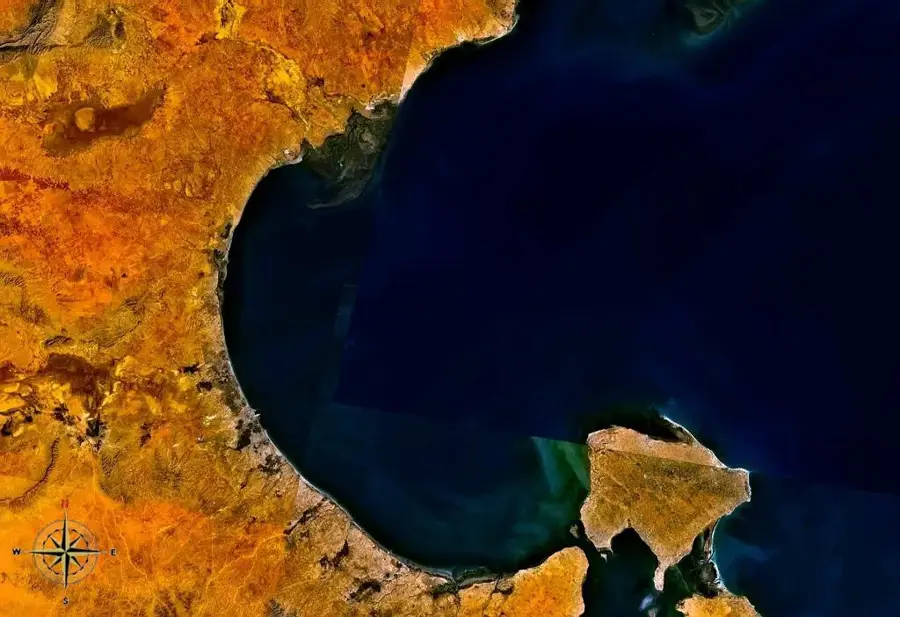
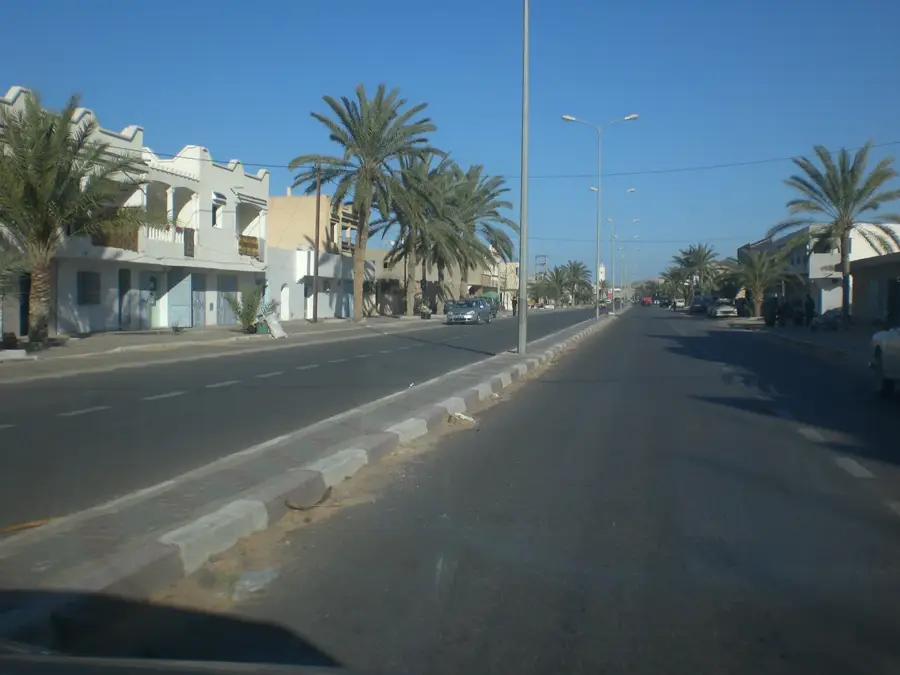
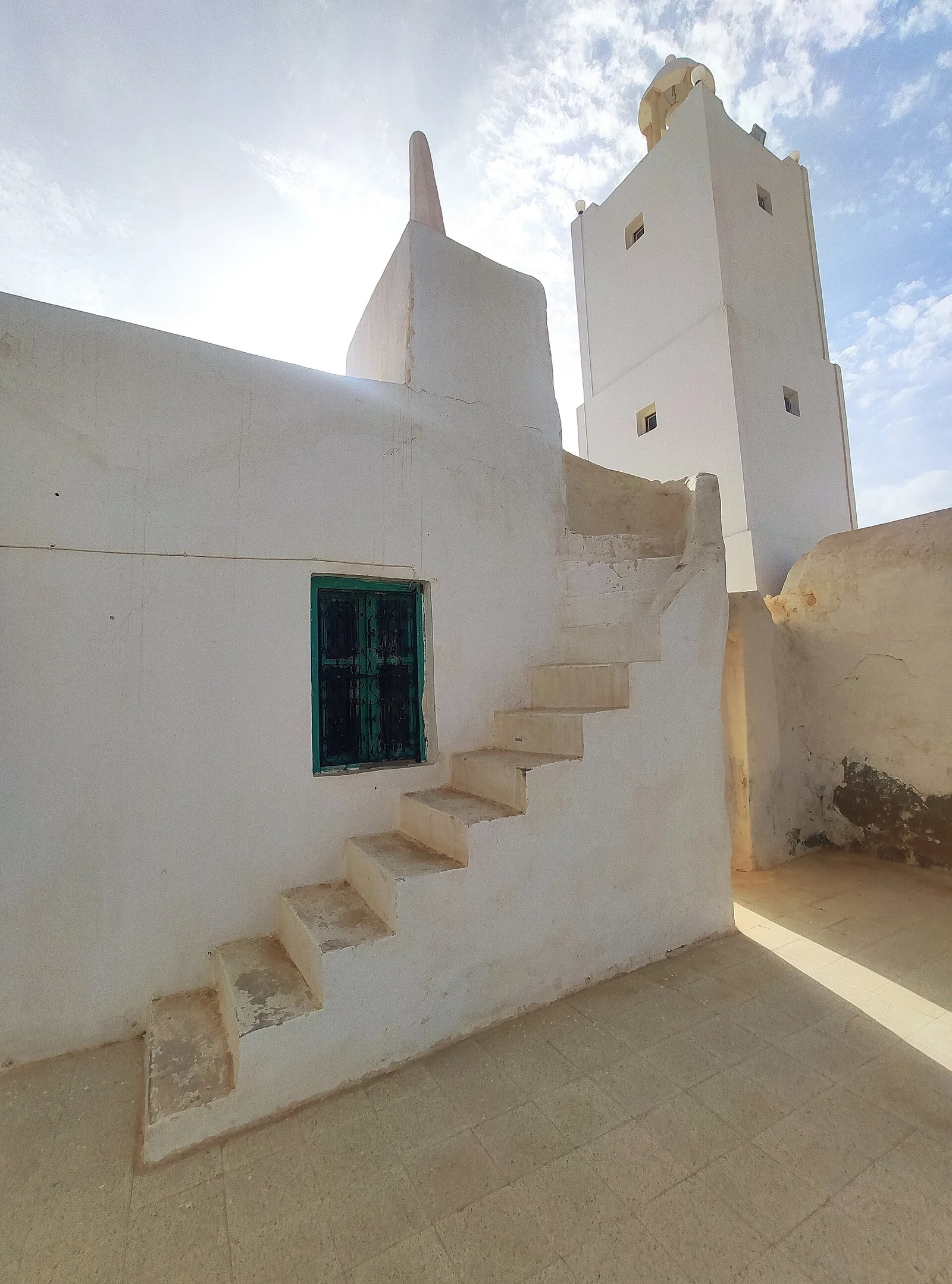
Gabès, situated on the shores of the Gulf of Gabès in southeastern Tunisia, holds the prestigious title of being the world's only coastal oasis. This extraordinary geographic feature, where a lush palm forest meets the Mediterranean Sea, has shaped the city's destiny since ancient times. Originally the Punic and later Roman city of Tacapae, it was the terminal point for caravan routes crossing the Sahara, making it a wealthy mercantile hub. The expansive Chenini oasis contains over 300,000 date palms and uses a traditional three-tier farming system that maximizes resource efficiency in a desert environment. Beneath the towering palms, pomegranate and fig trees thrive, while flowers and vegetables are cultivated on the forest floor. In the 20th century, Gabès underwent a dramatic transformation into a major industrial center. The development of the phosphate processing industry and a deep-water commercial port turned the city into an economic powerhouse, though this industrial growth has posed significant environmental challenges to the delicate oasis ecosystem. Culturally, Gabès is famous for its high-quality henna, which is exported globally, and its lively spice markets in the Jara district. The city is also a gateway to the Berber heartland, with the subterranean dwellings of Matmata located just a short drive inland. The architecture of Gabès reflects its dual nature: the ancient mud-brick structures of the oasis villages contrast with the concrete functionalism of the modern industrial zones. As a site where the desert's heat is tempered by the sea's moisture, Gabès remains a vital link between Tunisia’s nomadic southern traditions and its Mediterranean maritime heritage.
- Location: Tunisia
- Top sights: Théatre de Gabès · Chatt Salem beach
- Nearby: El Hamma (29 km)
- Population: ~110.075 (2026)
Best time to visit & climate
The most pleasant time to visit is Apr, May, Oct.
| Jan | Feb | Mar | Apr | May | Jun | Jul | Aug | Sep | Oct | Nov | Dec | |
|---|---|---|---|---|---|---|---|---|---|---|---|---|
| Avg °C | 11 | 12 | 15 | 19 | 22 | 26 | 29 | 30 | 27 | 23 | 17 | 13 |
| Rain mm | 13 | 13 | 20 | 15 | 10 | 3 | 1 | 5 | 24 | 21 | 23 | 25 |
Geography
Facts
- Gabès is often called 'The Gateway to the South' due to its strategic southern location.
- The city's chemical industry contributes significantly to Tunisia's GDP through fertilizer exports.
- Environmentalists are working to restore the balance between industrial waste and oasis preservation.
- The maritime oasis of Gabès is currently on the UNESCO World Heritage tentative list.
- Sidi Boulbaba, buried here, was the barber of the Prophet Muhammad, attracting many pilgrims.
- The local dialect in Gabès is influenced by both southern Bedouin and coastal Arabic variations.
- The city experiences very low rainfall, averaging only about 170 mm per year.
- Gabès serves as the administrative capital of a governorate covering over 7,000 square kilometers.
Explore nearby
Notable places around
Route planner — Car & Motorhome
Where do you start? We build the route here, with stops and country notes along the way.
© OpenStreetMap contributors · OpenRouteService
Sights in the town Gabès (2)
Chatt Salem beach
Sandy beach in Gabès, suitable for swimming and sunbathing.
Frequently asked questions
What characterizes Gabès?
Best season?
Are there beaches?
How long to stay?
Family-friendly?
Gabès: where is it located?
Gabès: what is there to see?
Gabès: when is the best time to visit?
Gabès: why is it worth visiting?

Nearby cities
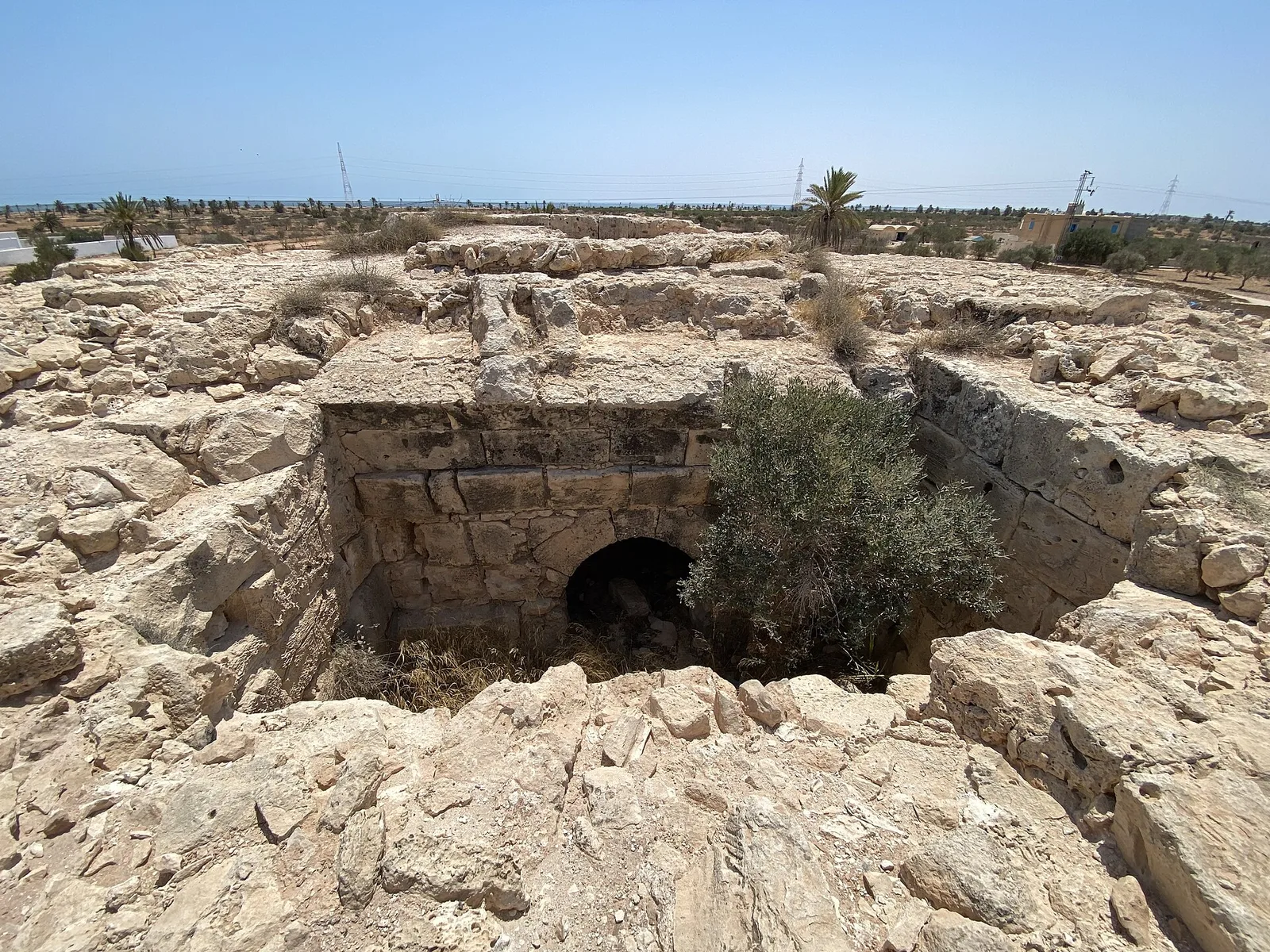
History & landmarks
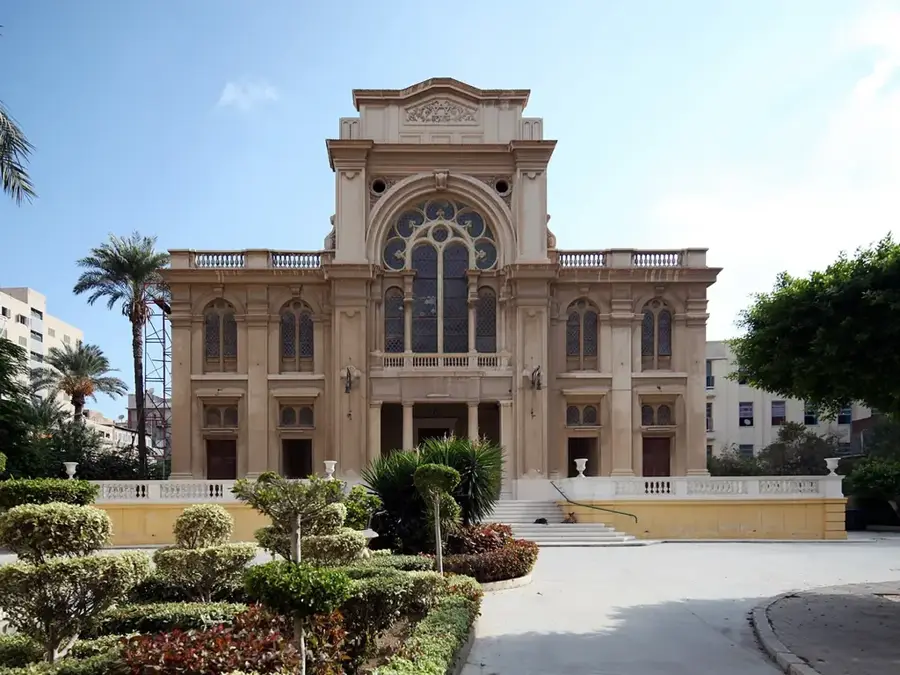
More places