Plizio Visual Lab
El Hamma
ℹ️Practical info — El Hamma
▾
🌤 Weather — 5 days
📍 Nearby
Sights nearby
💡 Tips
- The local thermal baths (hammams) are separated by gender or have specific hours for men and women; always check the schedule before visiting.
- Public transport to Gabes is frequent, making it easy to reach El Hamma by louage (shared taxi).
- Modest swimwear and behavior are expected at the public hot springs; avoid revealing clothing.
- The town gets very hot in summer, so the best time to visit the outdoor oasis areas is early morning or late afternoon.
- While enjoying the dates, try to buy them at the local market rather than tourist stands for better prices and quality.
🍽 Food
The region is famous for its high-quality dates, available fresh in local markets during the autumn harvest.
Traditional palm wine, often drunk fresh (non-alcoholic) in the mornings, available from vendors near the oasis.
A traditional southern Tunisian stuffed flatbread filled with a spicy mix of tomatoes, peppers, and sometimes lamb fat.
🛍 Shopping · 🧘 Quiet spots
The local souk features a wide variety of dates and hand-woven baskets made from palm fronds.
Traditional southern spices and pure henna powder can be found in the covered market areas.
Take a walk along the irrigation canals under the shade of the date palms away from the main roads.
Visit the source of the thermal waters in the early morning for a quiet, steamy atmospheric experience before the crowds arrive.
Water temperature…
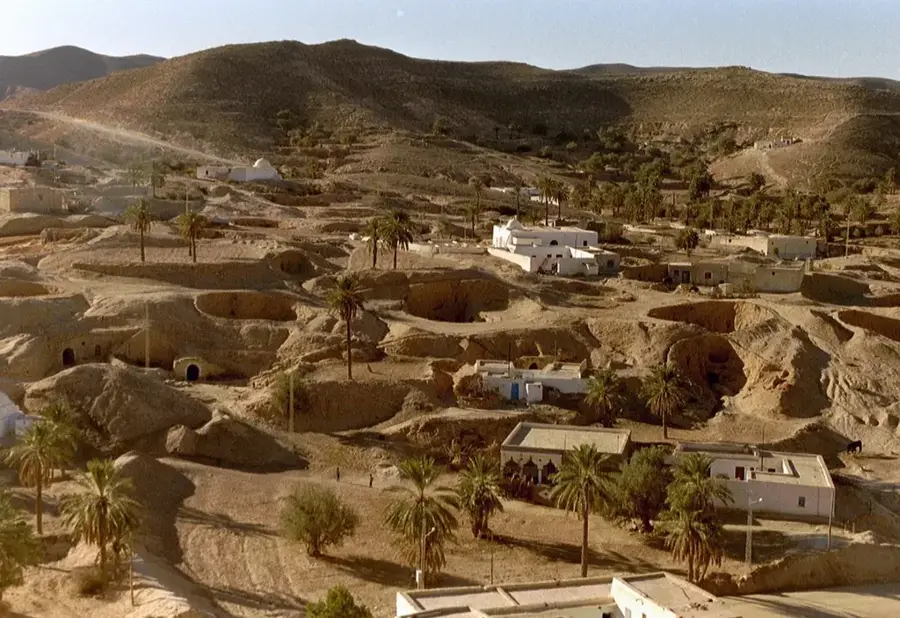
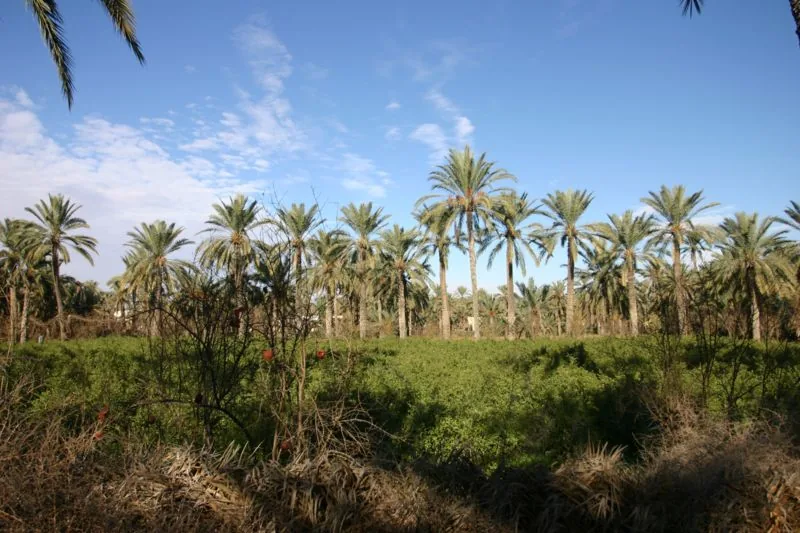
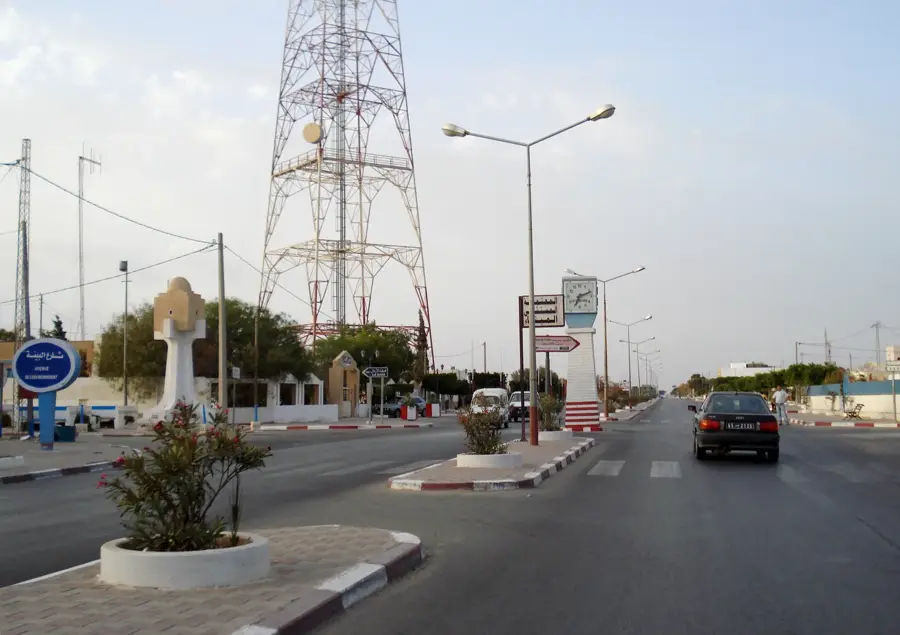
El Hamma is located in southern Tunisia within the Gabès Governorate and has been renowned since antiquity for its natural thermal springs. The Romans called the site Aquae Tacapitanae and constructed bathhouses around the hot springs, some ruins of which are still visible today. The city is a lush oasis on the edge of the desert, where date palms and pomegranate trees flourish thanks to the mineral-rich waters. Historically, El Hamma is significant as the birthplace of Mohamed Ali El Hammi, the founder of the first Tunisian labor union, giving the town a special place in the history of the national workers' movement. The thermal baths attract thousands of visitors annually seeking relief for rheumatic and dermatological conditions. Local architecture remains traditional, with the oasis culture central to the social and economic life of its inhabitants. The town also serves as a gateway to the vast plains and desert landscapes of the Tunisian south.
- Location: Tunisia
- Nearby: Douz (86 km)
- Population: ~73.512 (2022)
Best time to visit & climate
The most pleasant time to visit is Apr, May, Oct.
| Jan | Feb | Mar | Apr | May | Jun | Jul | Aug | Sep | Oct | Nov | Dec | |
|---|---|---|---|---|---|---|---|---|---|---|---|---|
| Avg °C | 11 | 12 | 15 | 19 | 22 | 26 | 29 | 30 | 27 | 23 | 17 | 13 |
| Rain mm | 13 | 13 | 20 | 15 | 10 | 3 | 1 | 5 | 24 | 21 | 23 | 25 |
Geography
Facts
- The ancient Roman name for the city was Aquae Tacapitanae
- Birthplace of Mohamed Ali El Hammi, a pioneer of Tunisian trade unionism
- Famous for thermal springs with water temperatures reaching 45°C
- The oasis contains more than 300,000 date palms
- A key destination for medical and thermal tourism in southern Tunisia
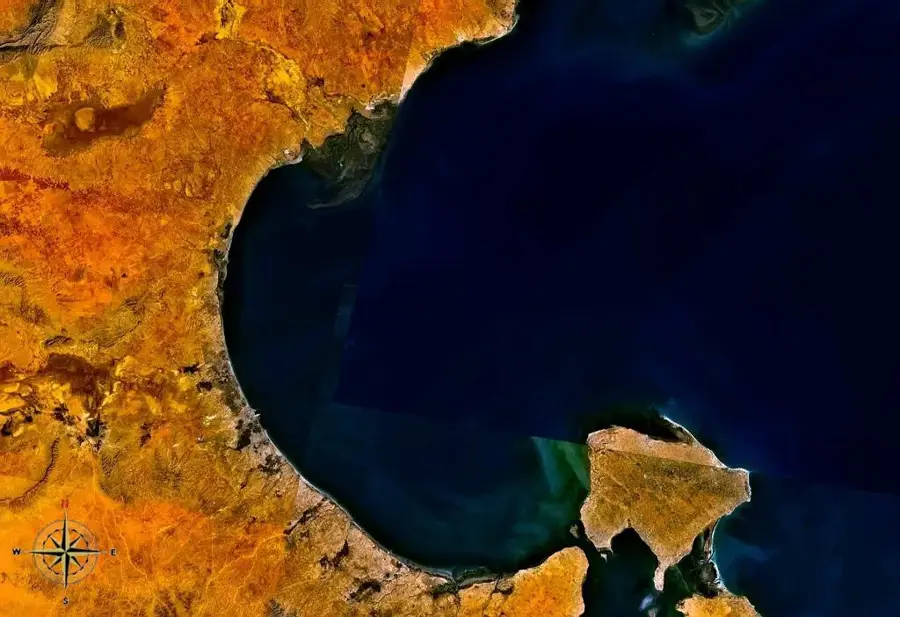
- Located approximately 30 kilometers west of the port city of Gabès
Explore nearby
Notable places around
Route planner — Car & Motorhome
Where do you start? We build the route here, with stops and country notes along the way.
© OpenStreetMap contributors · OpenRouteService
Sights in the town El Hamma (1)
Frequently asked questions
What is El Hamma known for?
Are there bathing facilities there?
Is it overcrowded with tourists?
How is the area?
How to reach El Hamma?
El Hamma: where is it located?
El Hamma: when is the best time to visit?
El Hamma: why is it worth visiting?

Nearby cities
More places