Plizio Visual Lab

Gulf of Gabes
Plizio editorial teamData Sources
Relief
—°
Gulf of Gabes (Tunisia)

Weather…

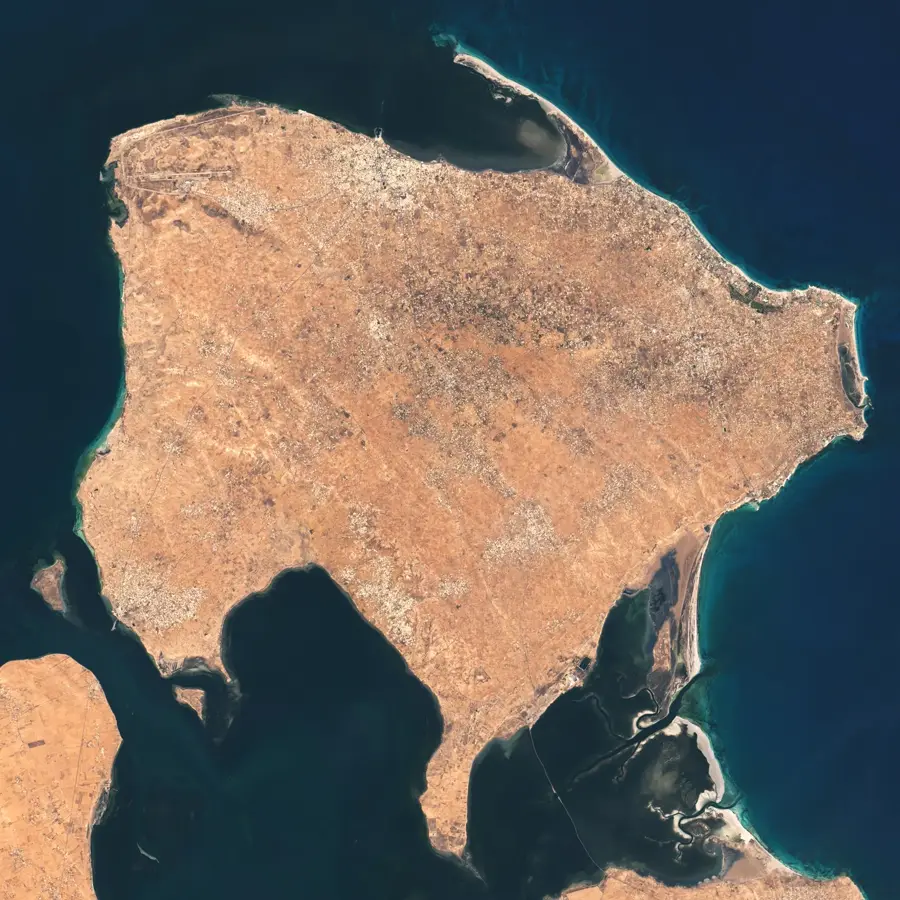
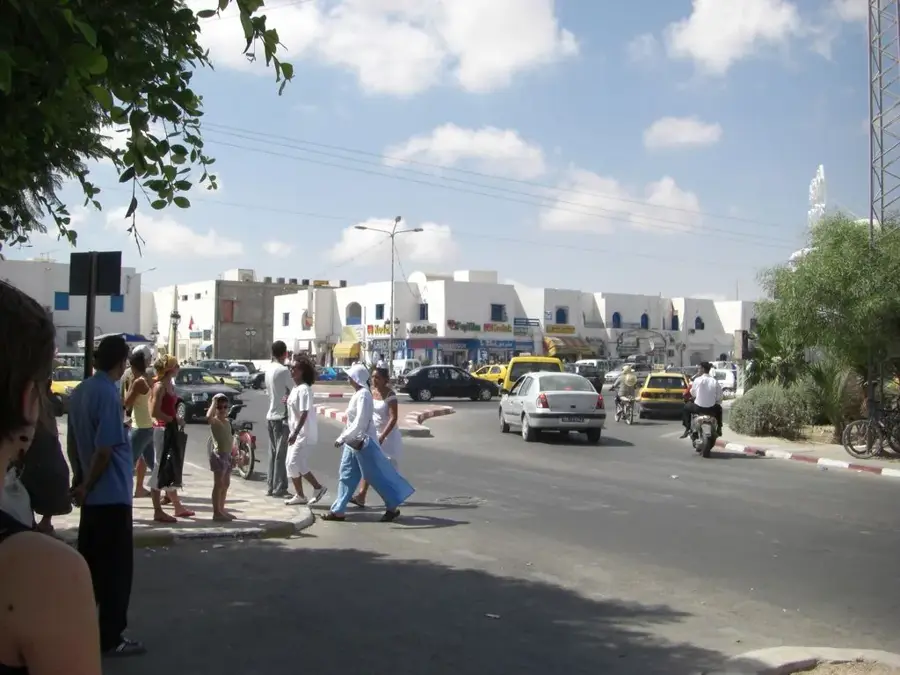
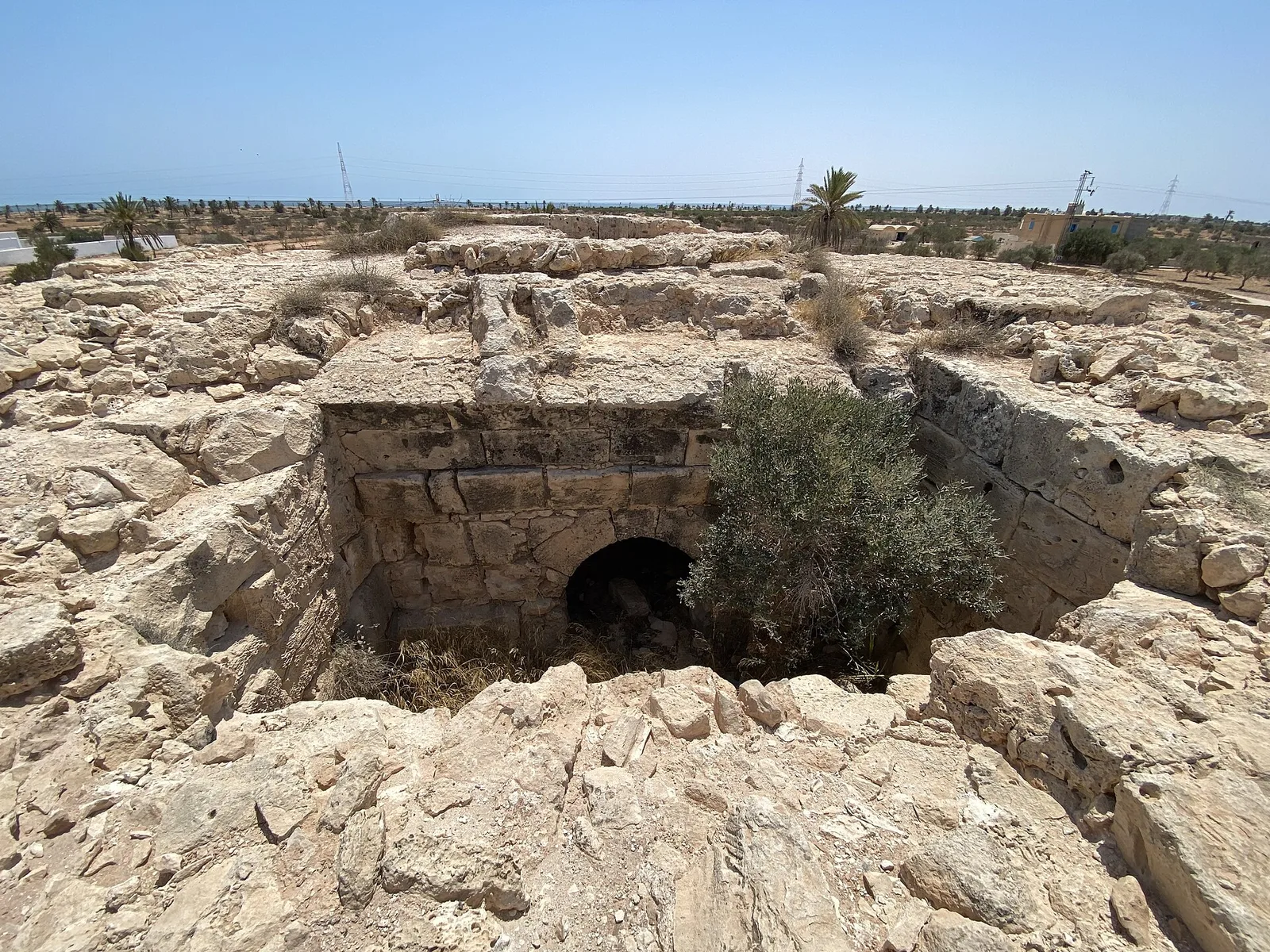
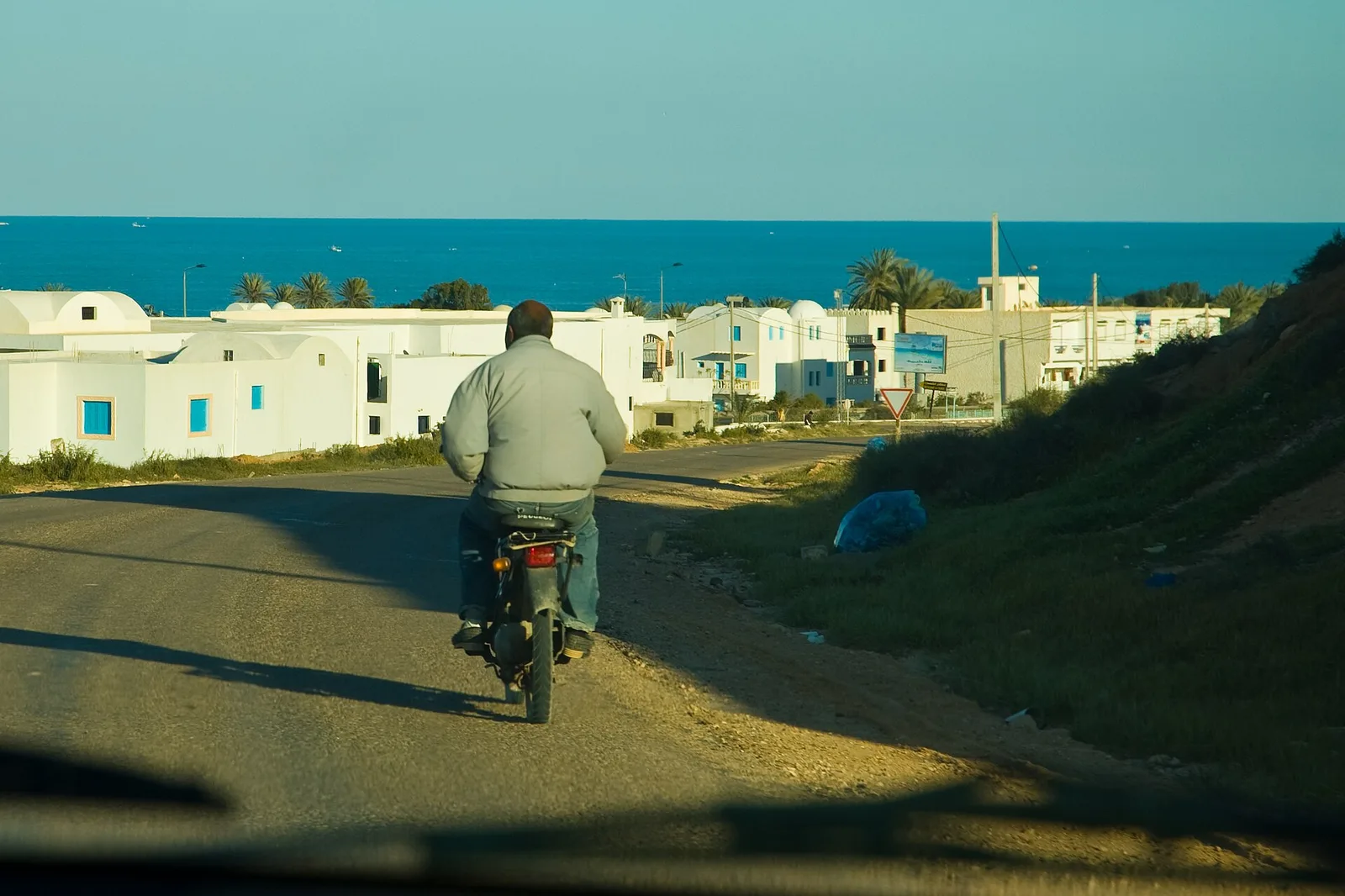
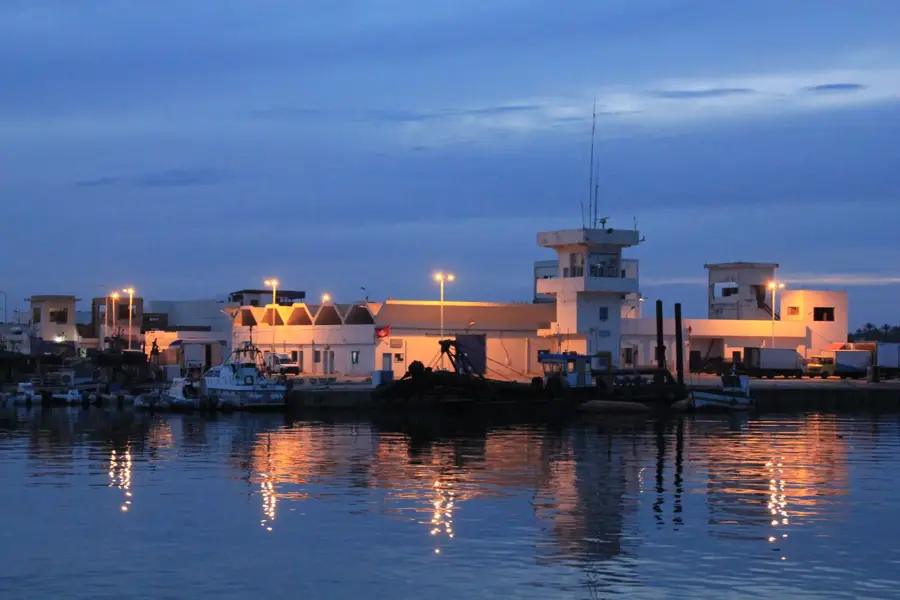
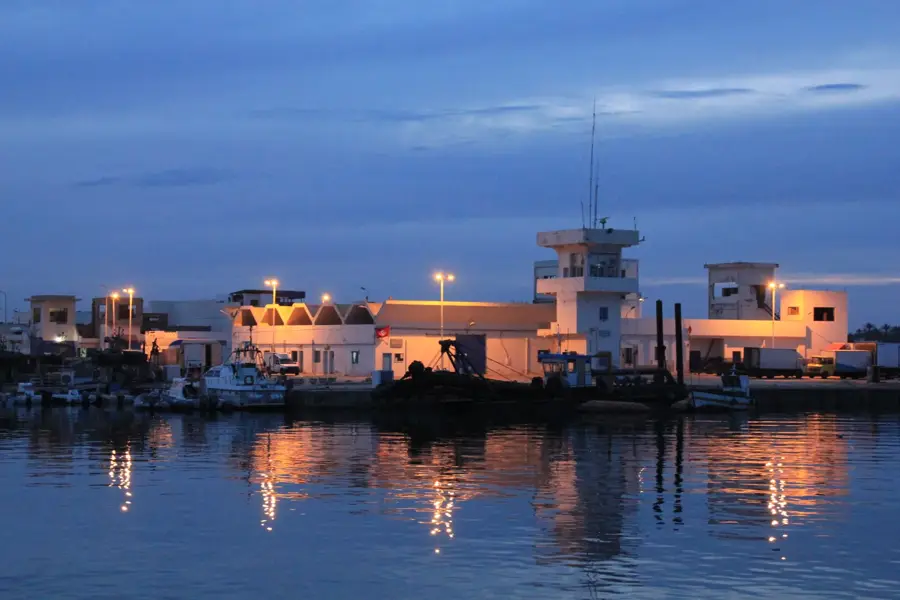
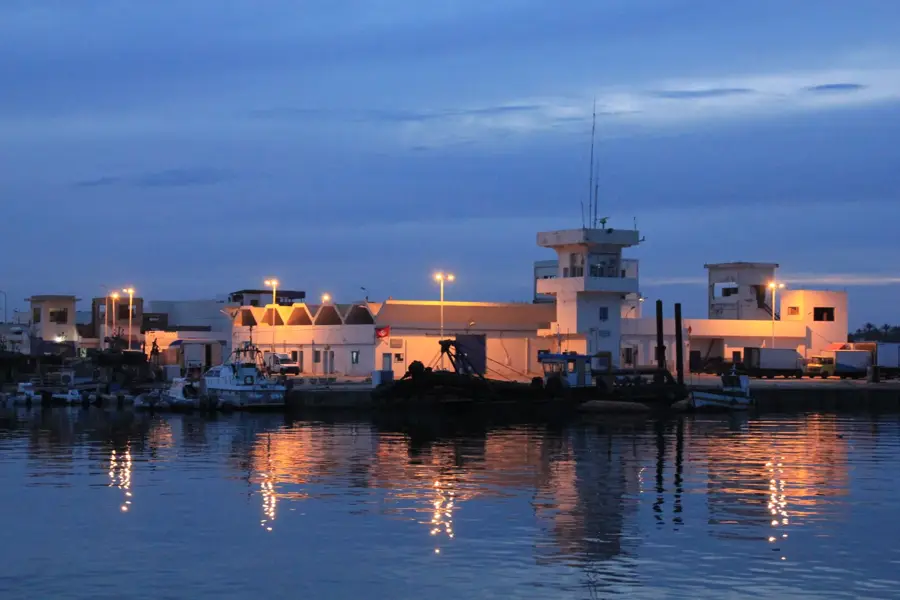
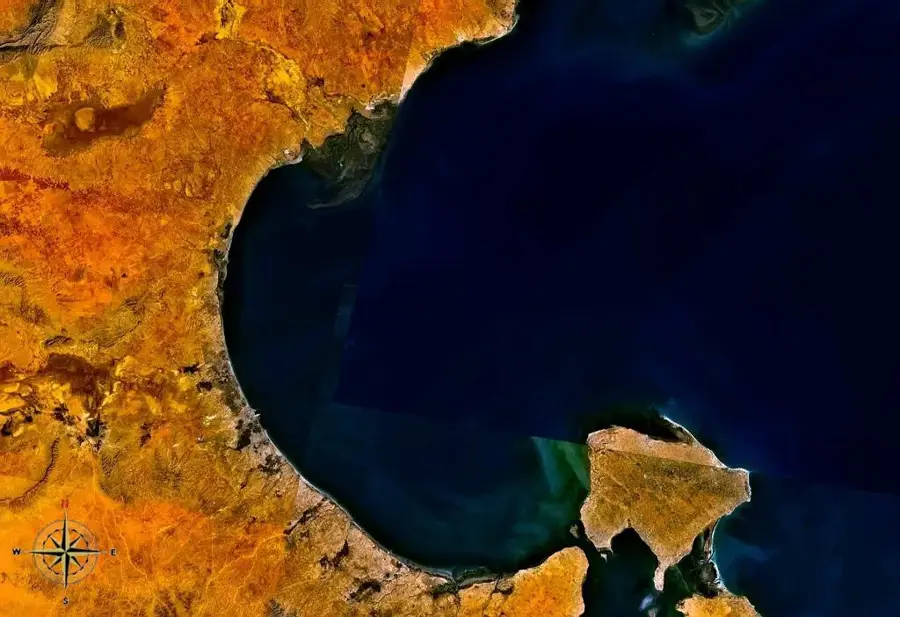
The Gulf of Gabès, historically known as Syrtis Minor, is a large indentation on the eastern coast of Tunisia in the Mediterranean Sea. It is unique in the Mediterranean region for its significant tidal range, which can reach up to 2.5 meters, a phenomenon rarely seen in this nearly tideless sea. Geographically, the gulf is bounded by the Kerkenna Islands to the northeast and the island of Djerba to the southeast, enclosing a vast area of shallow continental shelf. The gulf has been a vital center for maritime trade and fishing since the Phoenician and Roman eras, particularly famous for its sponges and diverse marine life. Geographically, its shallow waters support extensive seagrass meadows of Posidonia oceanica, which provide critical breeding grounds for numerous Mediterranean fish species. While modern industrial development in the city of Gabès has introduced environmental challenges, the region remains a cornerstone of the Tunisian fishing industry and a vital stopover for migratory birds.

Best time to visit & climate

The most pleasant time to visit is May, Jun, Nov.

JanFebMarAprMayJunJulAugSepOctNovDec
Avg °C131316182124272827241915
Rain mm16172514941426283334

📋 Practical info

🧭
Getting there
The Gulf of Gabes is accessed primarily via the major industrial and port city of Gabes in southern Tunisia, reachable by national highways from Tunis or Sfax. The coastline here is less developed for tourism, so travel often involves driving on local roads to reach specific beach access points.
📅
Best season
Spring and autumn are the most favorable seasons for a visit, balancing comfortable daytime warmth with cool desert evenings. Summers in this southern region are intensely hot, while winter winds can make the exposed coastal areas quite chilly.
⛰️
Terrain & paths
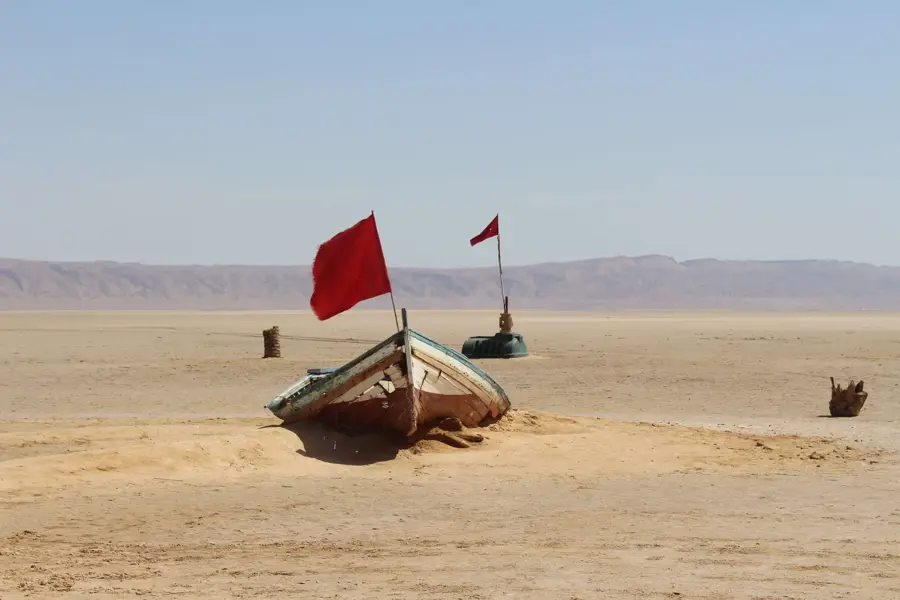
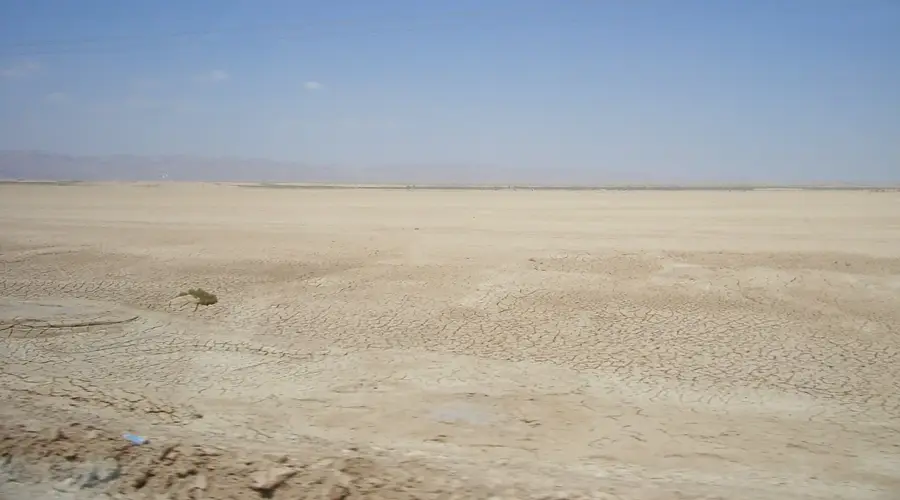
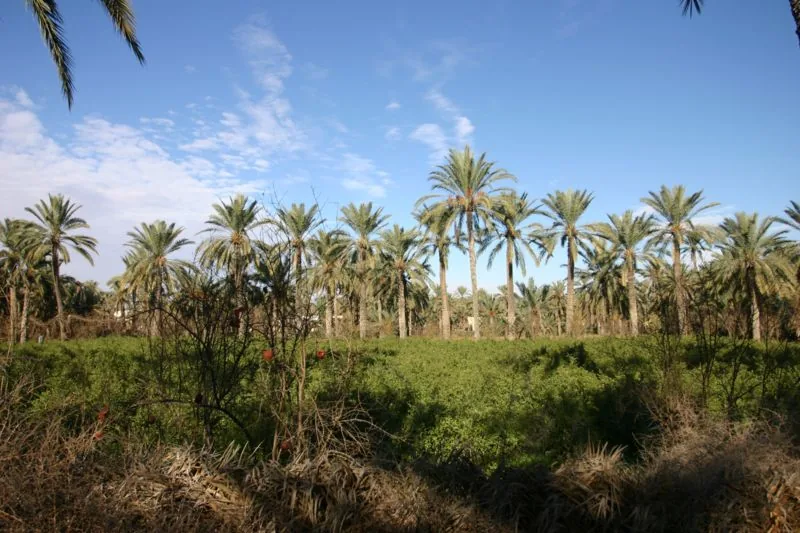
The gulf features an extremely wide, shallow continental shelf, renowned for having the largest tidal range in the Mediterranean Sea. The shoreline landscape is a fascinating mix of sandy beaches, vast mudflats during low tide, and a unique coastal oasis at Gabes.
🎒
What to bring
Comfortable, sturdy walking shoes are essential for navigating the mudflats and rocky patches along the shore. Given the southern climate, high-factor sun protection, a wide-brimmed hat, and plenty of bottled water are indispensable for any outdoor exploration.
🅿️
Parking
Parking is widely available but mostly informal near the natural coastal spots, while formal parking exists within Gabes city center and near the oasis. It is advisable to park on firm ground, as sandy areas near the water can become soft and trap vehicles.
⚠️
Safety
The primary safety concern relates to the significant tidal shifts; visitors walking on the exposed mudflats must be keenly aware of the returning tide. There is also industrial pollution in certain coastal pockets near Gabes, so swimming is typically reserved for designated, cleaner beaches further out.
⏱️
Time needed
Stopping to view the unique tidal flats or walk through the rare maritime oasis takes roughly three to four hours for most travelers passing through the south. Enthusiasts of unique coastal geography or traditional fishing methods might spend a full day exploring the wider region.

Geography

Coordinates
34.00000, 10.50000

Facts

  • Known in antiquity by the name Syrtis Minor
  • Features a tidal range of up to 2.5 meters
  • Bound by the Kerkenna Islands and the island of Djerba
  • Contains extensive meadows of Posidonia oceanica seagrass
  • Long-standing center for the Mediterranean sponge trade
  • Crucial habitat for migratory birds and marine biodiversity

Explore nearby

Notable places around
Route planner — Car & Motorhome

Where do you start? We build the route here, with stops and country notes along the way.

Vehicle
Only stops with (optional):

© OpenStreetMap contributors · OpenRouteService

Sights nearby

Frequently asked questions

Is the Gulf of Gabès known for its beaches?
Yes, it provides vast coastal stretches, with the area around Djerba being particularly popular.
What local specialty should one try?
Be sure to try the fresh fish dishes and couscous variations.
Is the water warm all year round?
Water temperatures are convenient for swimming from June to October.
Can one go on boat trips?
Yes, numerous tours are offered from Gabès or Djerba.
What is the best way to get to the region?
There are good connections by flight to Djerba or by train from Tunis.
Gulf of Gabes: where is it located?
Gulf of Gabes is located in Tunisia.
Gulf of Gabes: when is the best time to visit?
The most pleasant time to visit is May, Jun, Nov.
Gulf of Gabes: why is it worth visiting?

The Gulf of Gabès, historically known as Syrtis Minor, is a large indentation on the eastern coast of Tunisia in the Mediterranean Sea.
View on map → The Top 50 Attractions → OpenStreetMap →
Africa
Explore with Plizio Discover more places in Africa
More places in Tunisia →

Nearby cities

History & landmarks

More places