Plizio Visual Lab
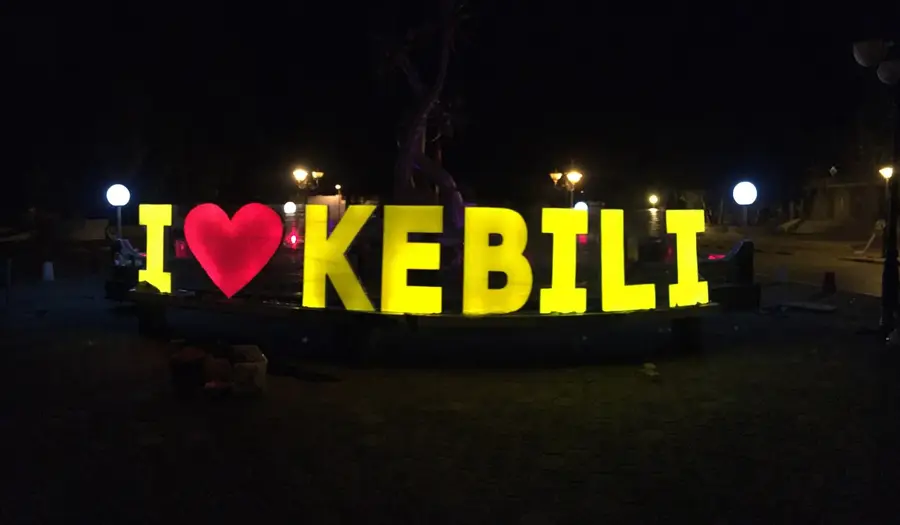
Kebili
ℹ️Practical info — Kebili
▾
🌤 Weather — 5 days
📍 Nearby
Sights nearby
💡 Tips
- Summer heat in the oasis is extreme; schedule your exploration for early morning or late afternoon.
- The old town (medina) is mostly in ruins but provides a fascinating glimpse into the past compared to the modern administrative city.
- Use Kebili as a base for excursions into the Chott el Djerid salt lake, best visited at sunrise for the mirages.
- Dress appropriately for a conservative desert town; avoid overly revealing clothing.
- When hiring a guide for Sahara treks, always negotiate the route and price beforehand at a local agency.
🍽 Food
Kebili is a massive producer of these high-quality dates; buy them fresh at the market stalls.
A deep-fried pastry filled with egg and tuna, commonly found in small street-side cafes.
For a regional specialty, seek out a traditional restaurant serving hearty couscous topped with tender camel meat.
🛍 Shopping · 🧘 Quiet spots
The central market is excellent for buying dates, spices, and traditional desert garments (burnous).
Artisans in the surrounding villages make distinct flat-weave carpets often sold in town.
Stroll through the massive date palm oasis at the edge of the city for shade and the sound of running irrigation water.
The abandoned old town provides a quiet, melancholic place for photography at sunset.
Water temperature…
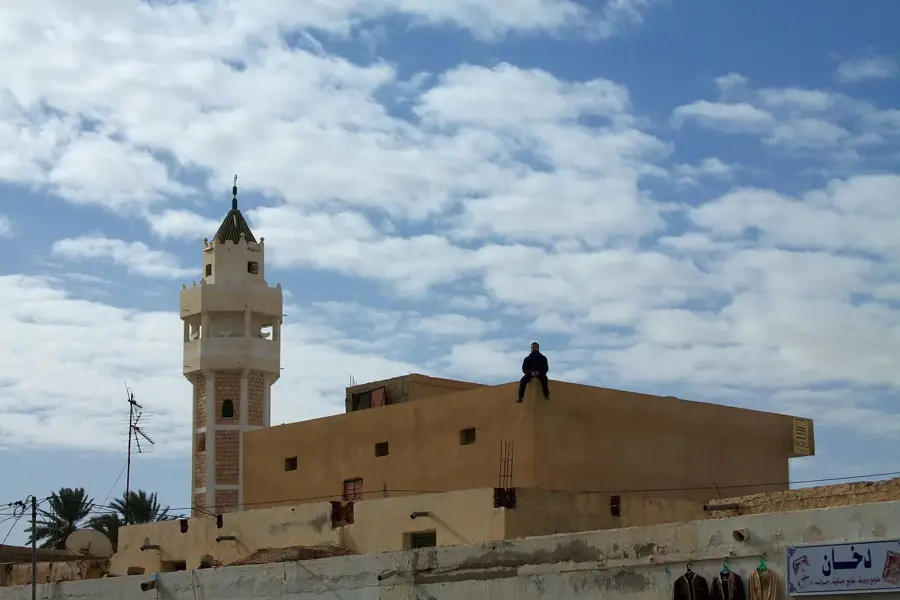
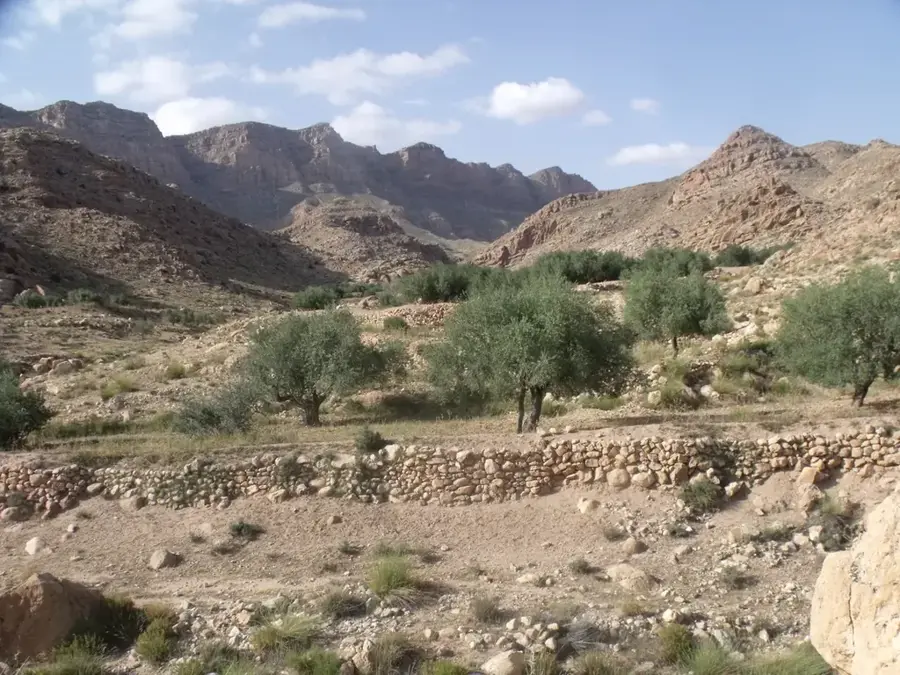
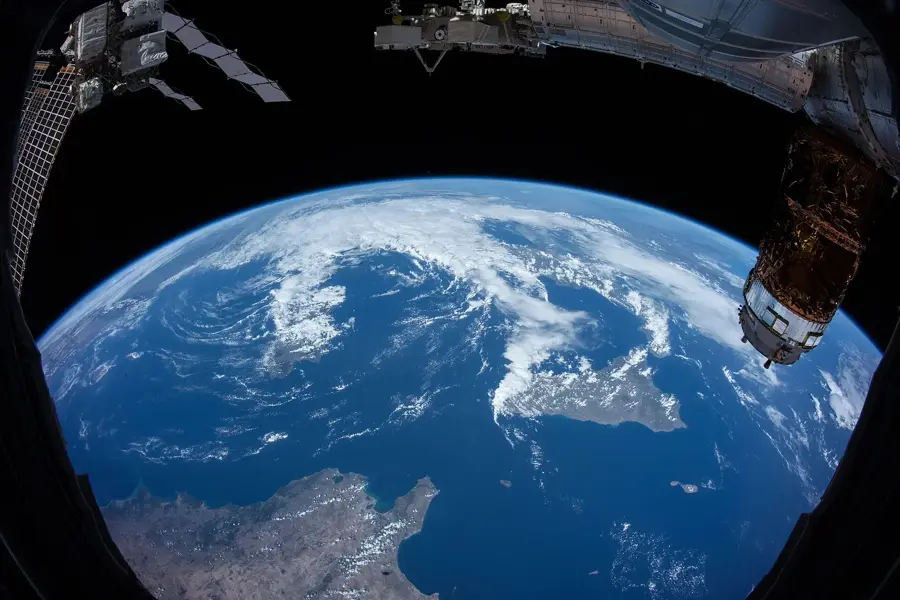
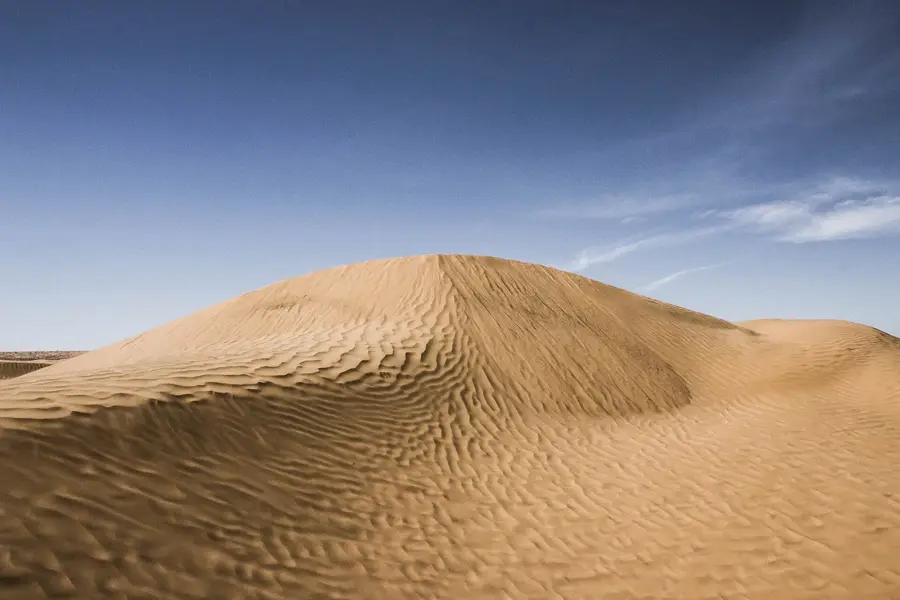
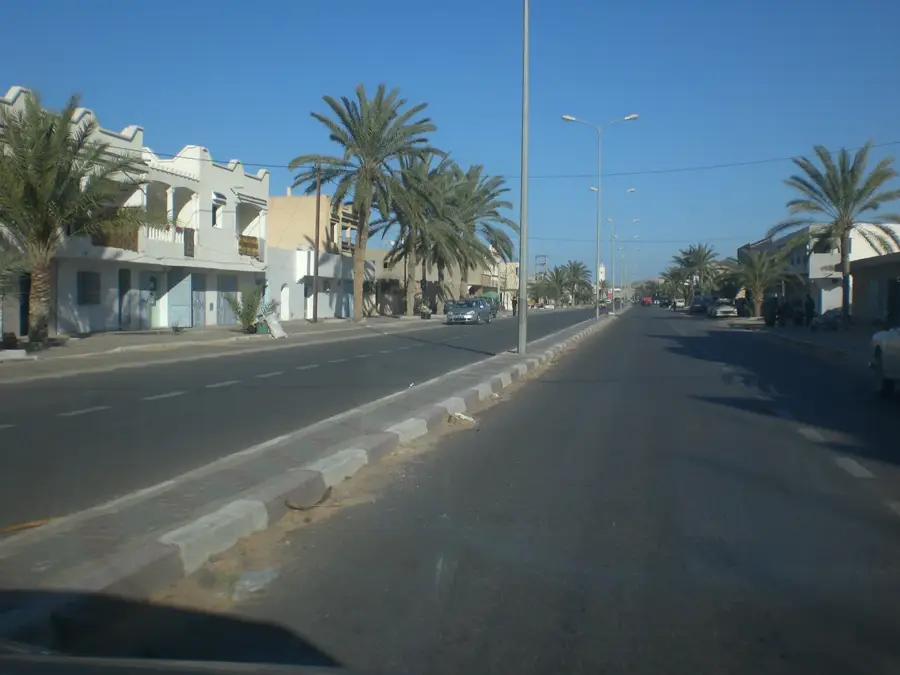
Kebili, widely known as the 'Gateway to the Sahara,' is one of the most ancient oasis towns in Tunisia, located in the southwestern part of the country. Positioned between the vast salt pans of Chott el Djerid and Chott el Fejaj, the city occupies a unique geographic position that defines its climate and way of life. Kebili is famous for its extreme temperatures; in July 1931, it recorded a staggering 55 degrees Celsius, making it one of the hottest inhabited places in Africa. The city is the central hub of the Nefzaoua region, an area renowned globally for its high-quality dates, particularly the Deglet Nour variety, which constitutes the primary export and economic backbone of the district. The survival of the city for millennia is attributed to its abundant artesian wells, which support expansive palm groves that provide shade and food in the heart of the desert. Historically, Kebili was a crucial crossroads for trans-Saharan trade routes, linking the Mediterranean coast with sub-Saharan Africa. The local population is a mosaic of Berber and Arab lineages, along with descendants of African traders, creating a rich cultural tapestry evident in local festivals and traditional crafts. In recent years, Kebili has embraced modern technology, utilizing its deep geothermal resources to heat greenhouses for winter vegetable production, making the region a leader in arid-land agriculture. For travelers, the city serves as the ultimate jumping-off point for expeditions into the Great Eastern Erg, where towering sand dunes offer an authentic desert experience. The architecture of the old town, with its narrow shaded streets and mud-brick structures, is a testament to traditional desert adaptation. As the capital of the Kebili Governorate, the city manages a territory that is largely desert but holds immense potential for solar energy and sustainable tourism, embodying the timeless spirit of the Saharan oasis.
- Location: Tunisia
- Top sights: Théatre de Mansoura · Ras el-Ain · Old Kebili
- Nearby: Douz (28 km)
- Population: ~26.310 (2026)
Best time to visit & climate
The most pleasant time to visit is Apr, May, Oct.
| Jan | Feb | Mar | Apr | May | Jun | Jul | Aug | Sep | Oct | Nov | Dec | |
|---|---|---|---|---|---|---|---|---|---|---|---|---|
| Avg °C | 10 | 12 | 16 | 21 | 25 | 30 | 33 | 32 | 29 | 24 | 16 | 11 |
| Rain mm | 8 | 7 | 11 | 11 | 7 | 2 | 1 | 2 | 12 | 10 | 11 | 15 |
Geography
Facts
- Kebili holds a record for one of the highest temperatures in Africa: 55°C (131°F).
- It is the capital of the southernmost governorate in Tunisia, mostly covered by desert.
- The city is surrounded by ancient oases that rely on underground aquifers.
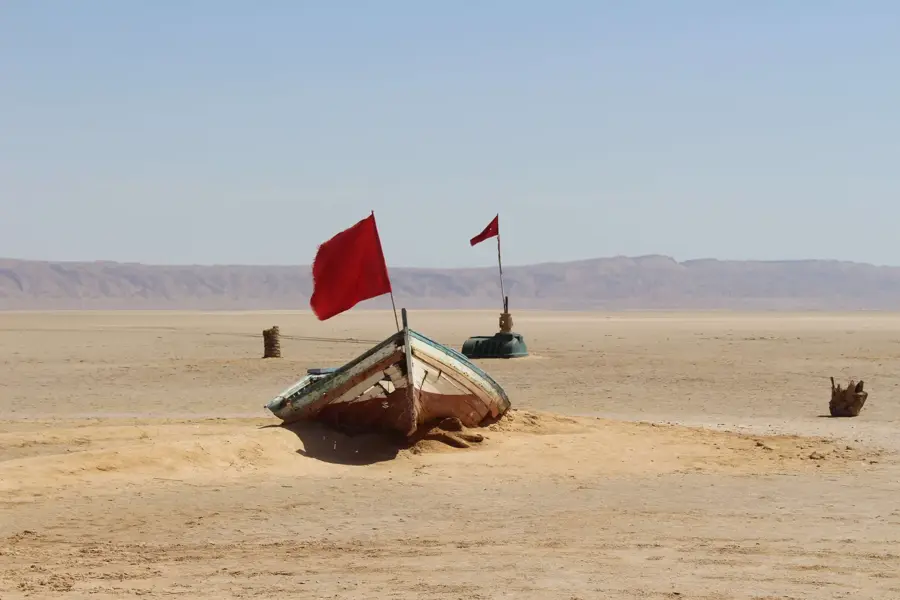
- The Chott el Djerid salt lake nearby is famous for its mirages and salt crusts.
- Kebili is a major exporter of dates to European and North American markets.
- Archaeological evidence suggests human presence in the area since the Paleolithic.
- The town features a significant number of geothermal greenhouses for agriculture.
- Kebili is a strategic stop for the annual Saharan tourism and rally events.
Explore nearby
Notable places around
Route planner — Car & Motorhome
Where do you start? We build the route here, with stops and country notes along the way.
© OpenStreetMap contributors · OpenRouteService
Sights in the town Kebili (3)
Frequently asked questions
Why go to Kebili?
When is it most beautiful?
Can I camp there?
How is the weather?
How long to stay?
Kebili: where is it located?
Kebili: what is there to see?
Kebili: when is the best time to visit?
Kebili: why is it worth visiting?

Nearby cities

Nature
More places