Plizio Visual Lab
Maktaris Archaeological Site
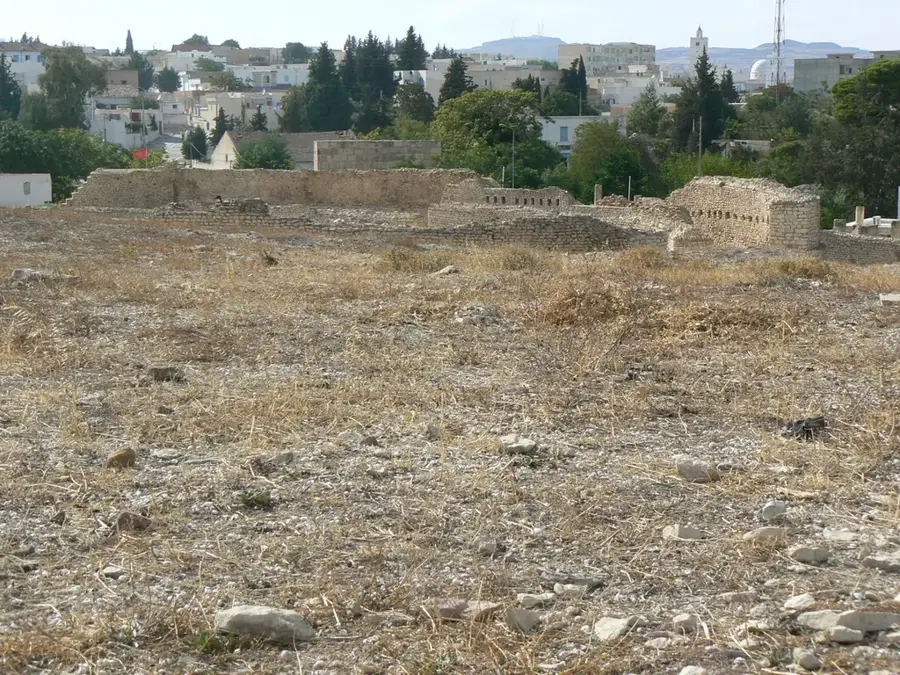
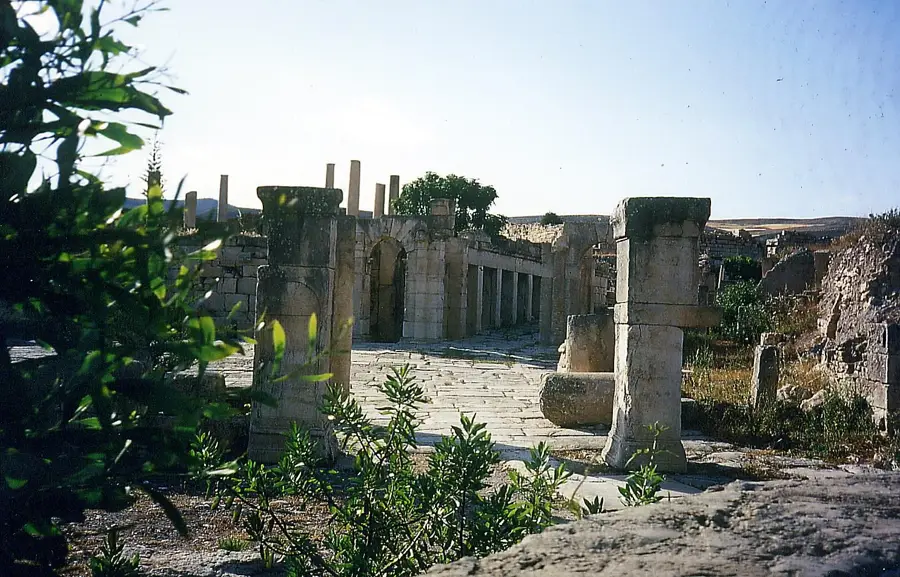
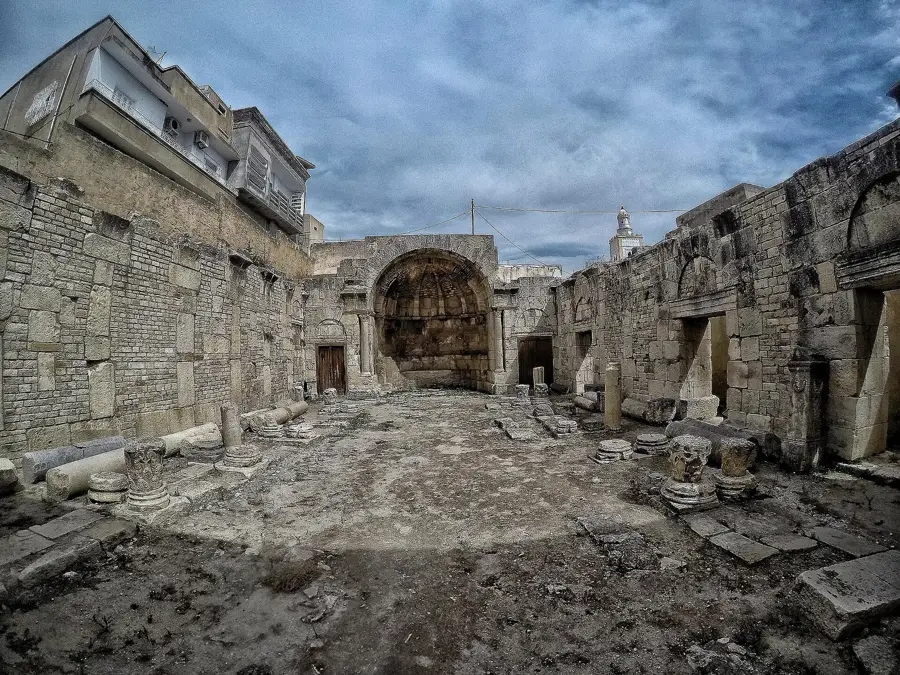
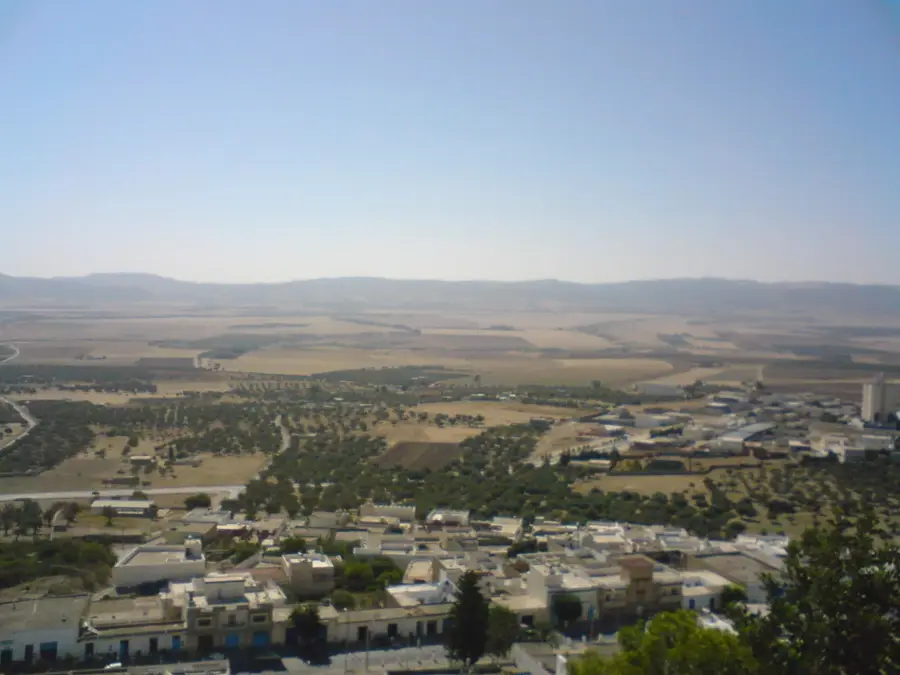
Maktaris, now known as Maktar, is a fascinating archaeological site located in the central highlands of Tunisia. Its history is characterized by a unique fusion of megalithic, Numidian, and Roman cultures. Originally serving as a major stronghold for Numidian kings, the city evolved into a flourishing Roman colony during the 1st and 2nd centuries AD. Prominent monuments include the Arch of Trajan and the Arch of Bab el-Ain, which showcase the city's former grandeur. The Great Roman Baths are particularly notable as some of the largest in North Africa, with substantial walls and vaults still standing today. Another highlight is the Schola Juvenum, a meeting place for the city's youth that has rare insights into ancient social structures. The site also contains numerous megaliths and funerary monuments dating back to pre-Numidian times. Maktaris stands as an exceptional record of cultural continuity and exchange across different historical eras.
- Location: Tunisia
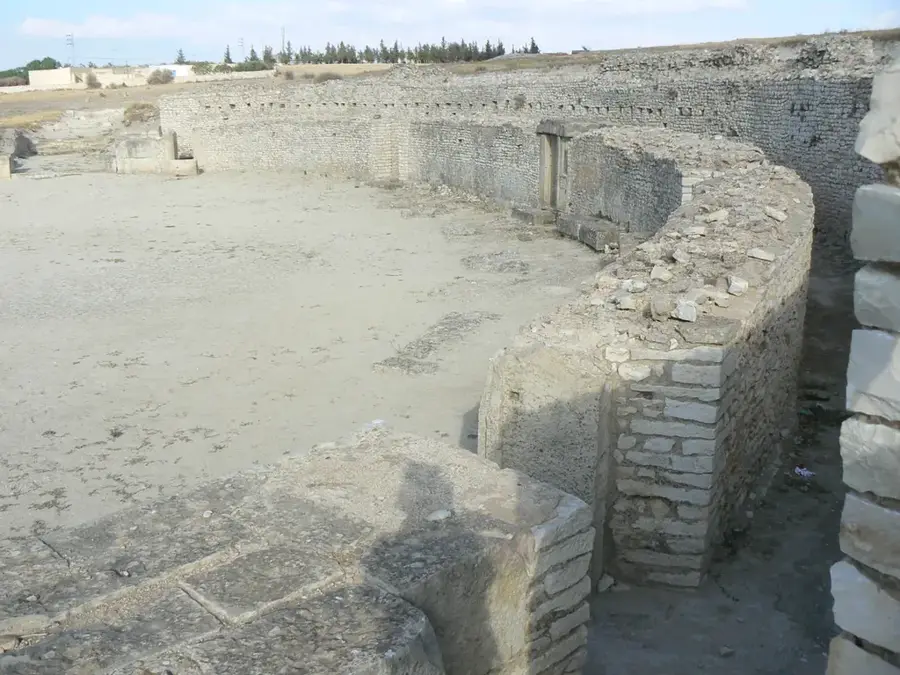
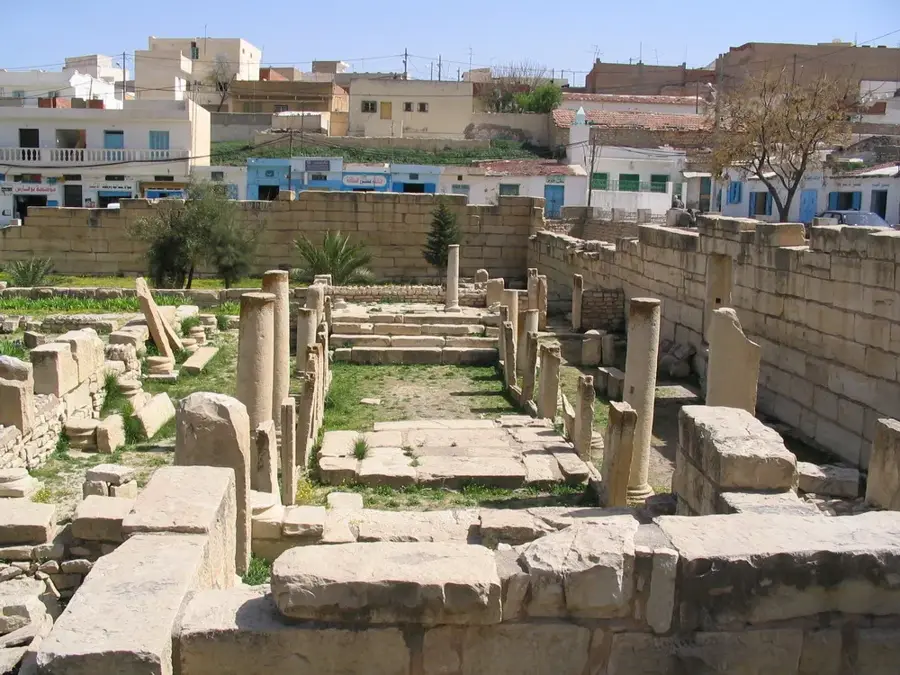
- Top sights: Amphitheatre of Mactaris · Mactaris · Schola des Juvenes
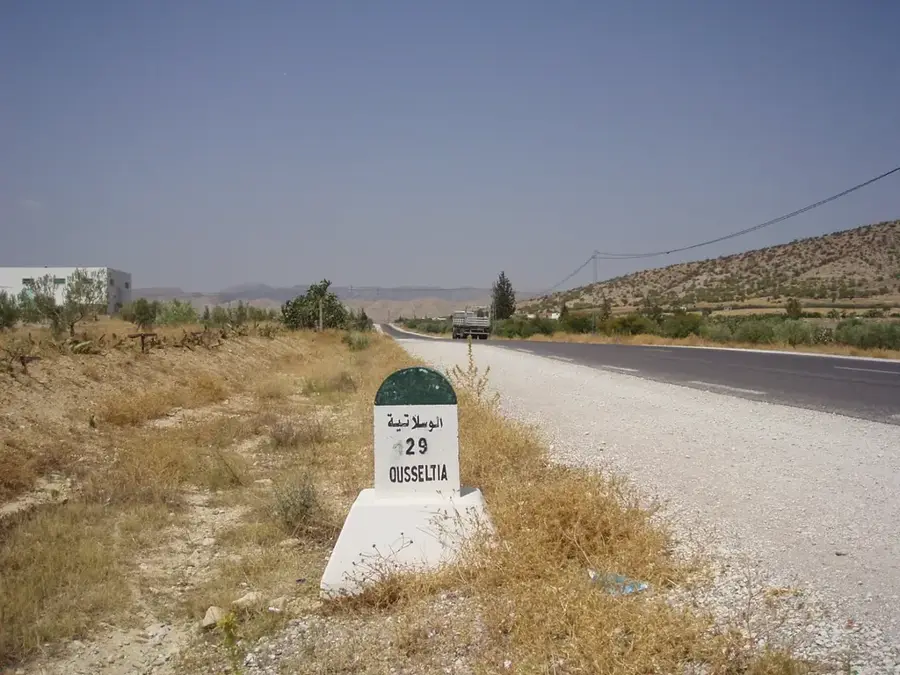
- Nearby: Oueslatia (34 km)
Best time to visit & climate
The most pleasant time to visit is May, Jun, Sep.
| Jan | Feb | Mar | Apr | May | Jun | Jul | Aug | Sep | Oct | Nov | Dec | |
|---|---|---|---|---|---|---|---|---|---|---|---|---|
| Avg °C | 7 | 8 | 11 | 14 | 18 | 23 | 27 | 26 | 22 | 18 | 12 | 8 |
| Rain mm | 79 | 58 | 77 | 55 | 41 | 21 | 11 | 25 | 54 | 59 | 58 | 75 |
📋 Practical info
Geography
Facts
- Maktaris features one of the most significant megalithic necropolises in Africa.
- The Triumphal Arch of Trajan was constructed in 116 AD.
- The Great Baths cover an expansive area of over 4,400 square meters.
- The Schola Juvenum functioned as a training center for the imperial cult.
- The site is positioned at an altitude of roughly 900 meters above sea level.
- Inscriptions in Punic, Libyan, and Latin have all been discovered on site.
Explore nearby
Notable places around
Route planner — Car & Motorhome
Where do you start? We build the route here, with stops and country notes along the way.
© OpenStreetMap contributors · OpenRouteService
Sights in the town Maktaris Archaeological Site (3)
Sights nearby
Frequently asked questions
What is Makthar (Maktaris) famous for?
How long does a visit take?
Are there museums there?
Is the site exciting for children?
When is the best time?
Maktaris Archaeological Site: where is it located?
Maktaris Archaeological Site: what is there to see?
Maktaris Archaeological Site: when is the best time to visit?
Maktaris Archaeological Site: why is it worth visiting?

Nearby cities
More places