Plizio Visual Lab
Foa Archaeological Sites
Weather…
Water temperature…
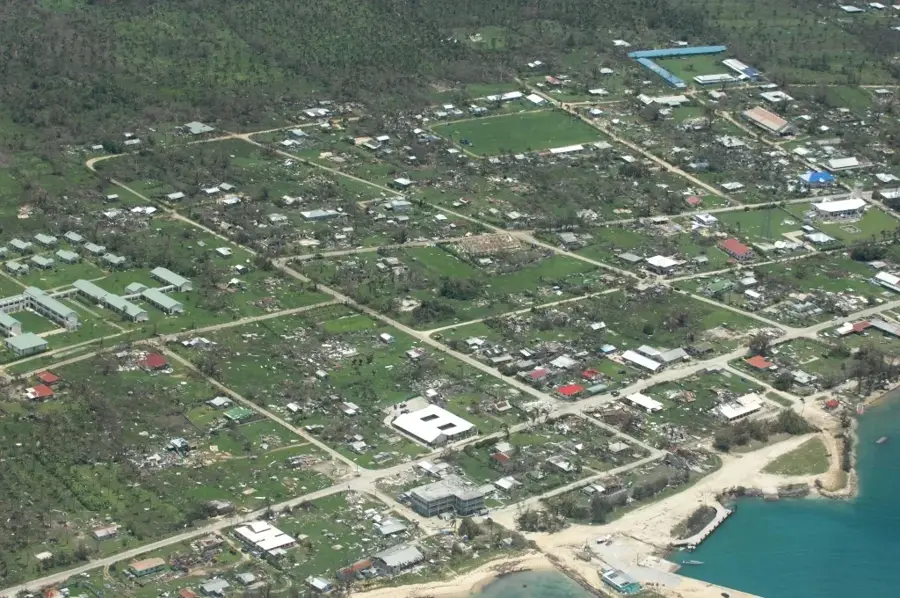
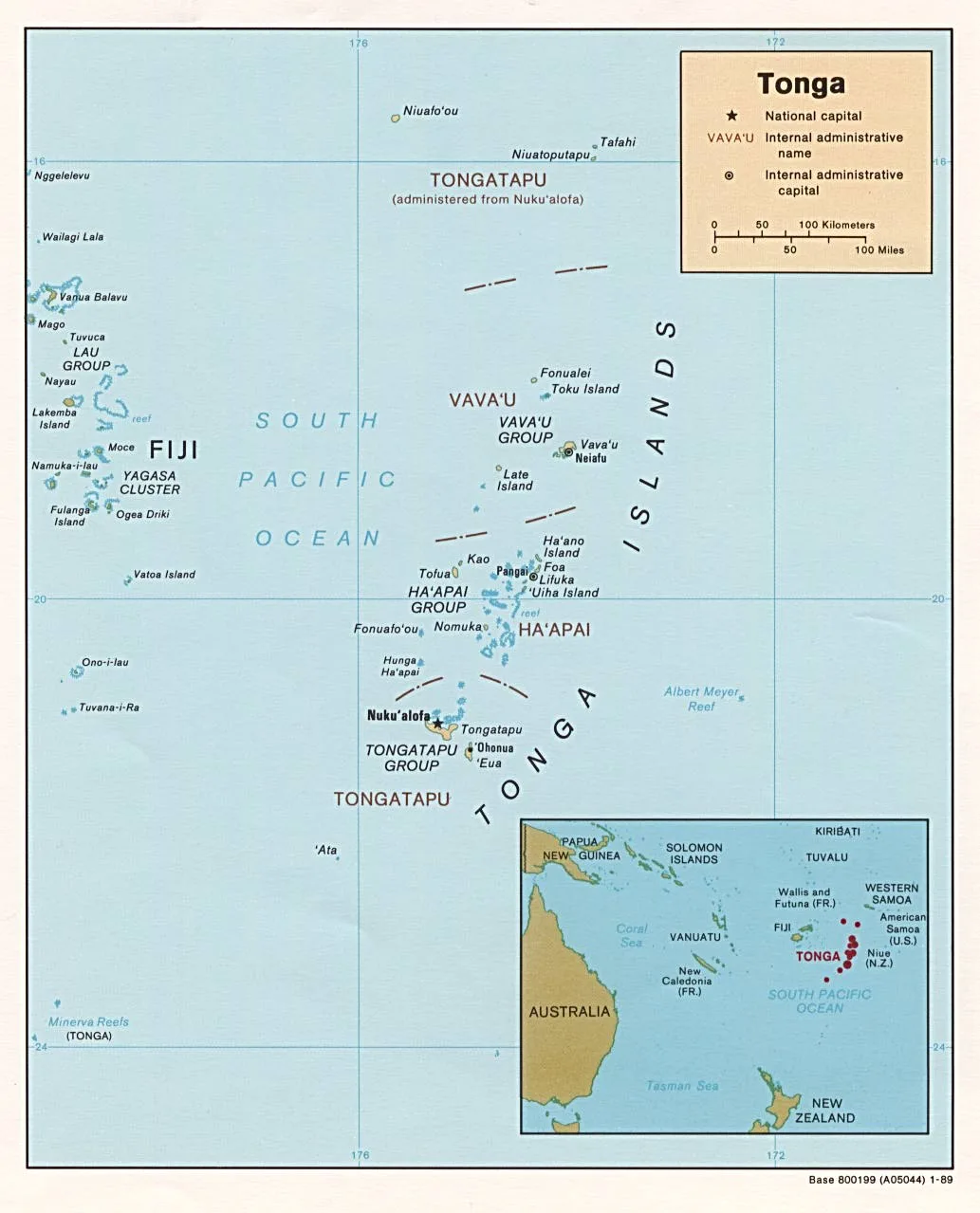
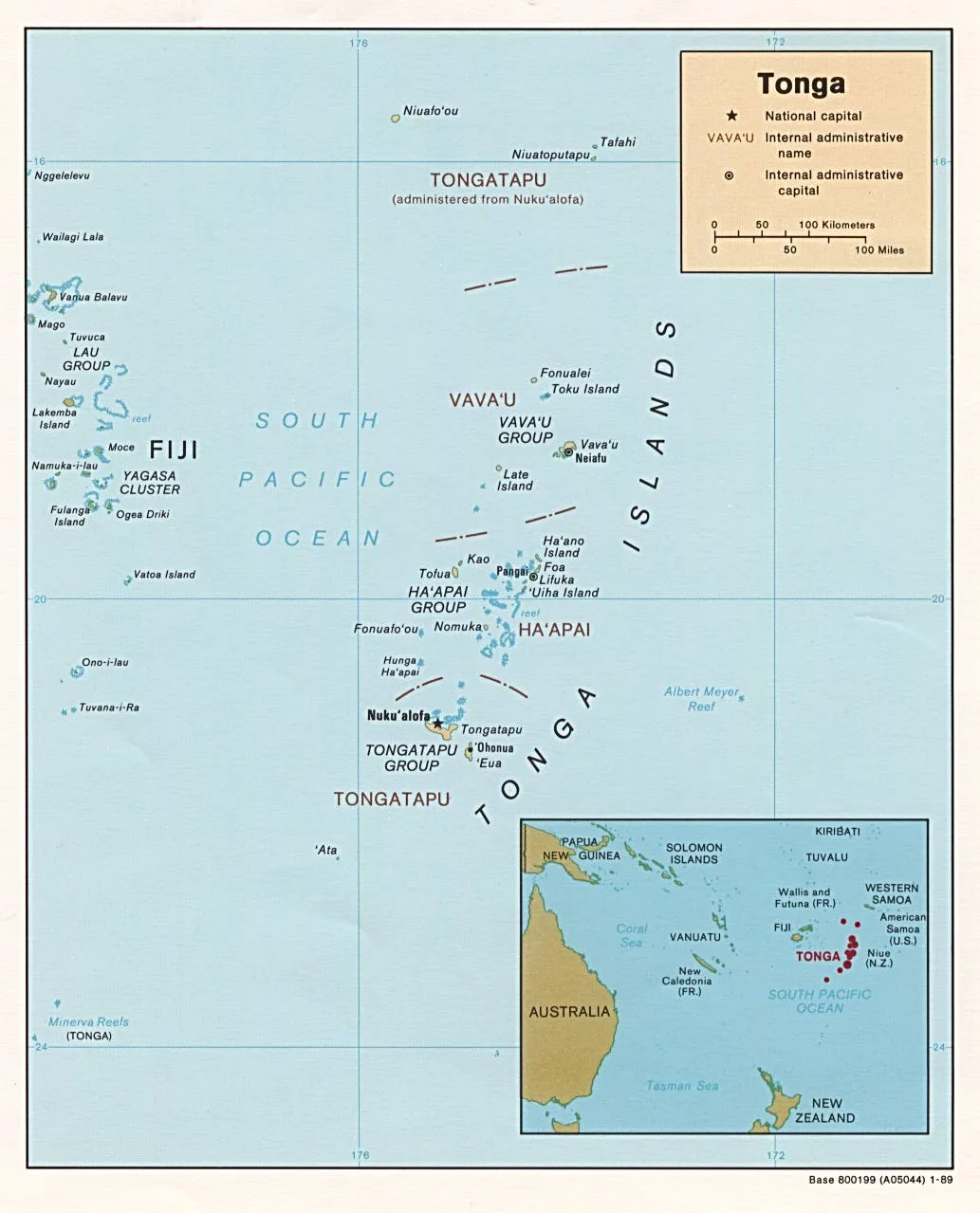
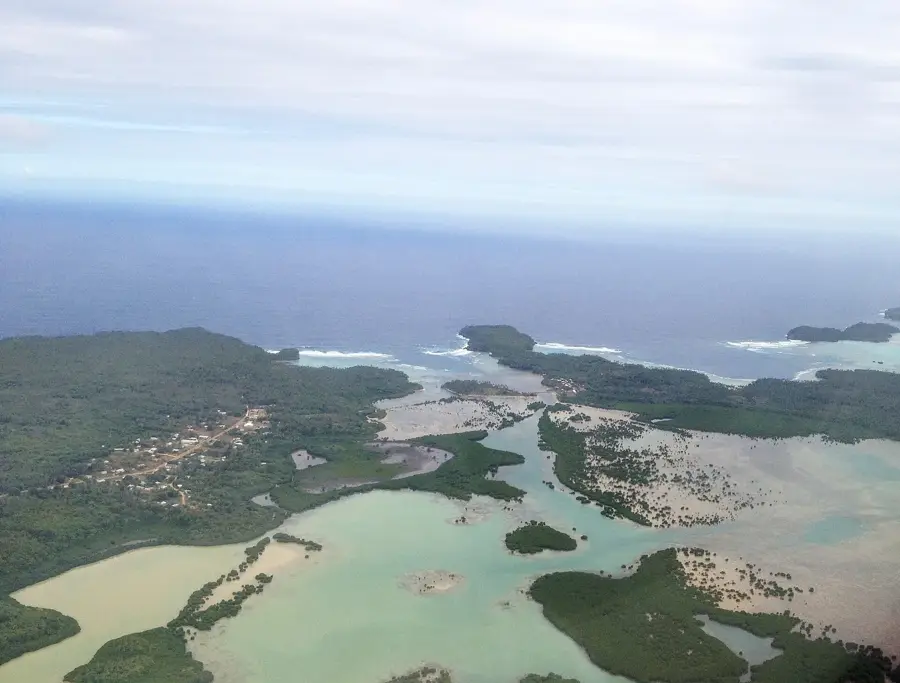
The archaeological sites on Foa Island in the Ha'apai archipelago are world-renowned for their unique petroglyphs, which offer rare insights into Tonga's pre-colonial art. Found on the north coast near the village of Faleloa, the rock carvings depict stylized human figures, turtles, and abstract symbols. These finds are attributed to the Lapita culture and are estimated to be over 2,500 years old. In ancient times, Foa was a strategic hub for trade between island groups and possessed fertile soils that supported dense settlement. In addition to the petroglyphs, numerous pottery shards featuring the characteristic dentate-stamped patterns of Lapita ceramics have been discovered on the island. Excavations have revealed that early inhabitants possessed advanced techniques in boat building and navigation. Today, the sites are protected by the Ministry of Education but are endangered by coastal erosion. The research conducted on Foa is vital for understanding the early migration patterns of Polynesian peoples across the Pacific.
- Location: Tonga
- Nearby: Lotofoa (4 km)
Best time to visit & climate
The most pleasant time to visit is Jul–Sep.
| Jan | Feb | Mar | Apr | May | Jun | Jul | Aug | Sep | Oct | Nov | Dec | |
|---|---|---|---|---|---|---|---|---|---|---|---|---|
| Avg °C | 27 | 27 | 27 | 27 | 26 | 25 | 24 | 24 | 24 | 25 | 25 | 26 |
| Rain mm | 220 | 207 | 188 | 177 | 118 | 111 | 55 | 73 | 89 | 107 | 125 | 146 |
📋 Practical info
Geography
Facts
- Home to rare Lapita-era petroglyphs
- Estimated age of the finds is approximately 2,500 years
- Primary discovery site located near Faleloa on the coast
- Features depictions of sea turtles
- Evidence of early pottery production in the Lapita style
- Part of a regional network of ancient trade routes
Explore nearby
Notable places around

Route planner — Car & Motorhome
Where do you start? We build the route here, with stops and country notes along the way.
© OpenStreetMap contributors · OpenRouteService
Sights in the town Foa Archaeological Sites (1)
Sights nearby
Frequently asked questions
What is there to see in Foa?
What is the path to the site like?
Do I need a ticket?
What is the light like?
Are pets allowed?
Foa Archaeological Sites: where is it located?
Foa Archaeological Sites: when is the best time to visit?
Foa Archaeological Sites: why is it worth visiting?

Nearby cities



History & landmarks


Nature

More places