Plizio Visual Lab

Kilimanjaro
Plizio editorial teamData Sources
Mountain
—°1
Kilimanjaro (Tanzania)

Weather…

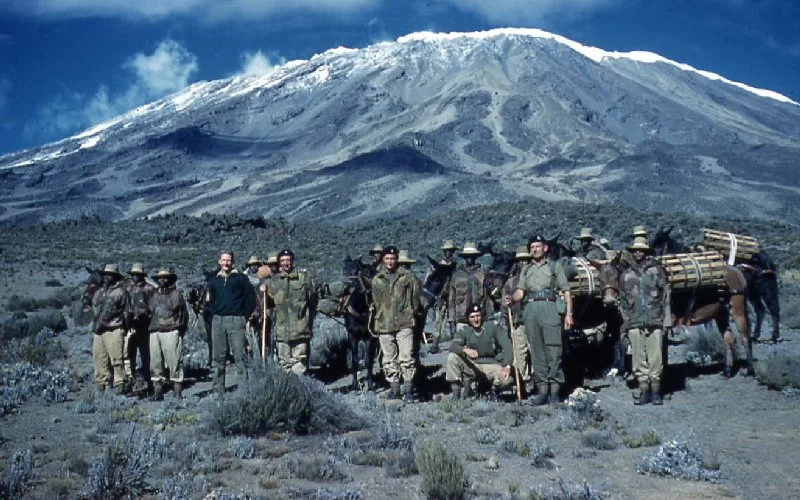
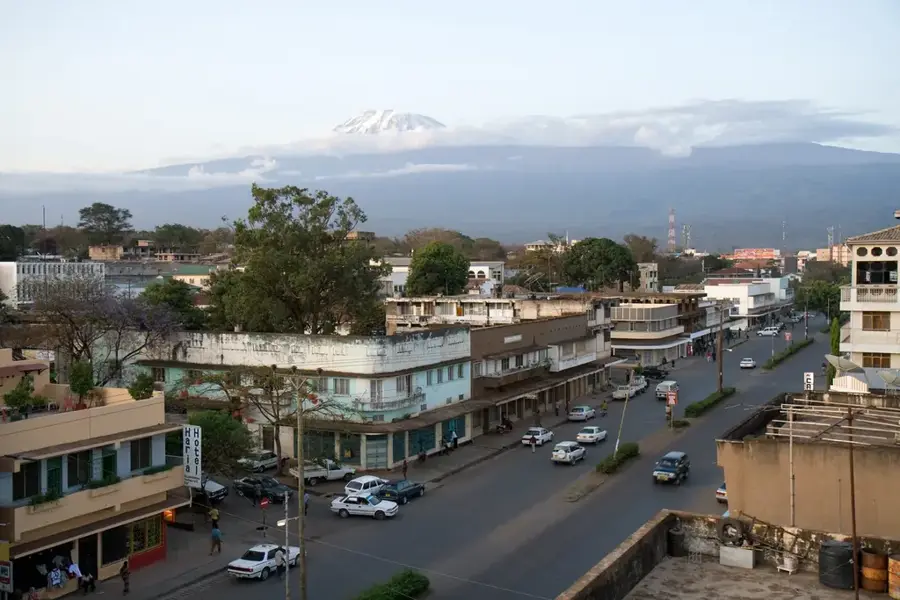
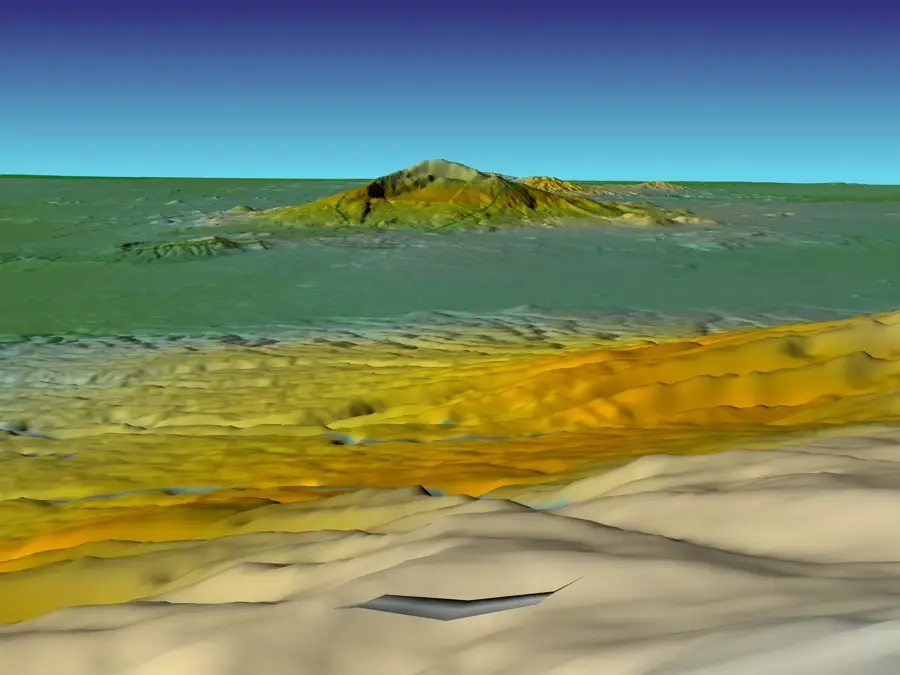
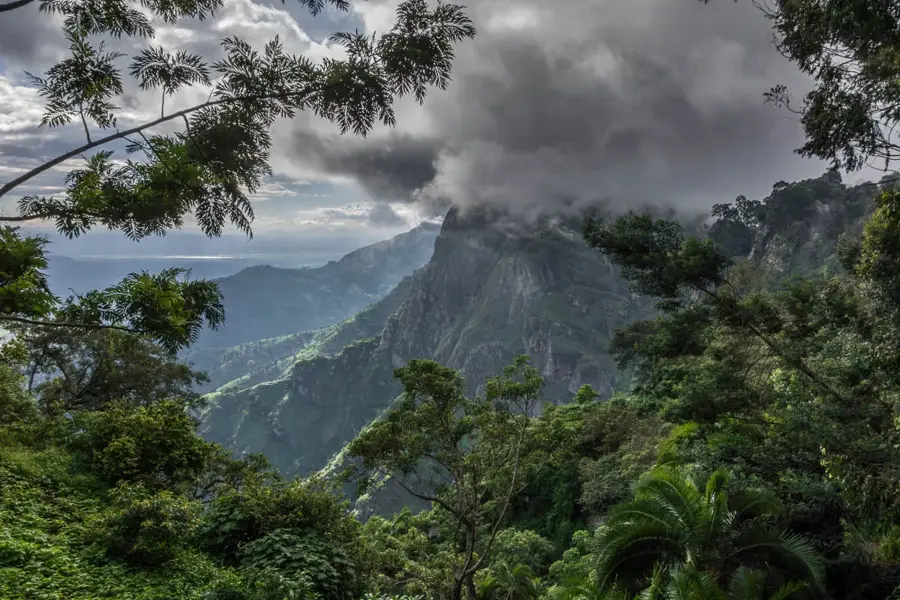
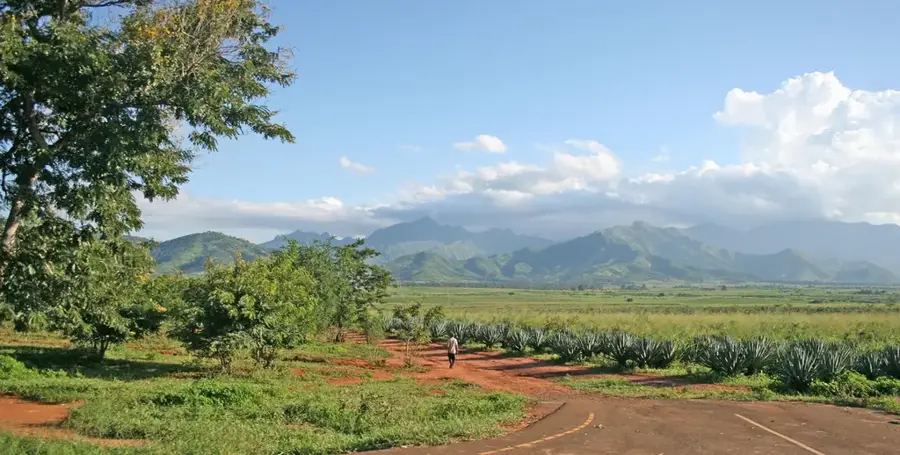
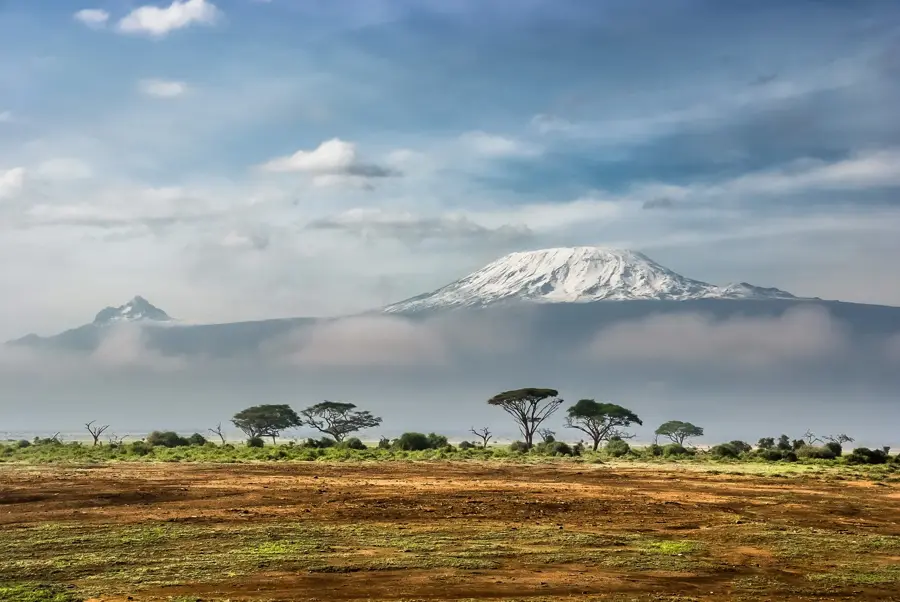
Mount Kilimanjaro, standing at 5,895 meters above sea level, is the highest mountain in Africa and the tallest free-standing mountain in the world. Located in northeastern Tanzania, the massif consists of three extinct volcanic cones: Shira in the west, Mawenzi in the east, and Kibo in the center, which holds the highest summit, Uhuru Peak. Geologically, the mountain formed approximately 2 to 3 million years ago due to tectonic activity associated with the East African Rift system. The first recorded ascent was achieved in 1889 by German geographer Hans Meyer and Austrian mountaineer Ludwig Purtscheller. Today, Kilimanjaro National Park is a UNESCO World Heritage site, showcasing five distinct vegetation zones ranging from tropical rainforest to alpine desert. Despite its proximity to the equator, the Kibo summit is capped by glaciers that have significantly retreated, losing more than 80 percent of their area since the early 20th century.

Best time to visit & climate

The most pleasant time to visit is Feb, Aug, Sep.

JanFebMarAprMayJunJulAugSepOctNovDec
Avg °C181919181716151617181818
Rain mm75681001511092817192278142131

📋 Practical info

🧭
Getting there
Reaching the highest mountain in Africa requires traveling to specialized gateway towns like Moshi or Arusha. Access to the trails themselves is strictly regulated and mandates booking through registered tour operators who organize transport.
📅
Best season
The most favorable climbing conditions typically occur during the dry seasons, spanning from late June to October and late December to February. These windows offer clearer skies and significantly reduce the chances of encountering heavy snow or rain on the ascent.
⛰️
Terrain & paths
The trek traverses five distinct ecological zones, shifting from dense rainforests at the base to barren alpine deserts and glacial summits. The paths vary dramatically, ranging from muddy forest floors to steep, loose scree and rocky scrambles near the peak.
🎒
What to bring
High-altitude climbing demands extensive specialized equipment, including thermal layers, sub-zero sleeping bags, and sturdy, broken-in trekking boots. Walking poles are universally recommended to alleviate pressure on the knees during the prolonged, steep descents.
🅿️
Parking
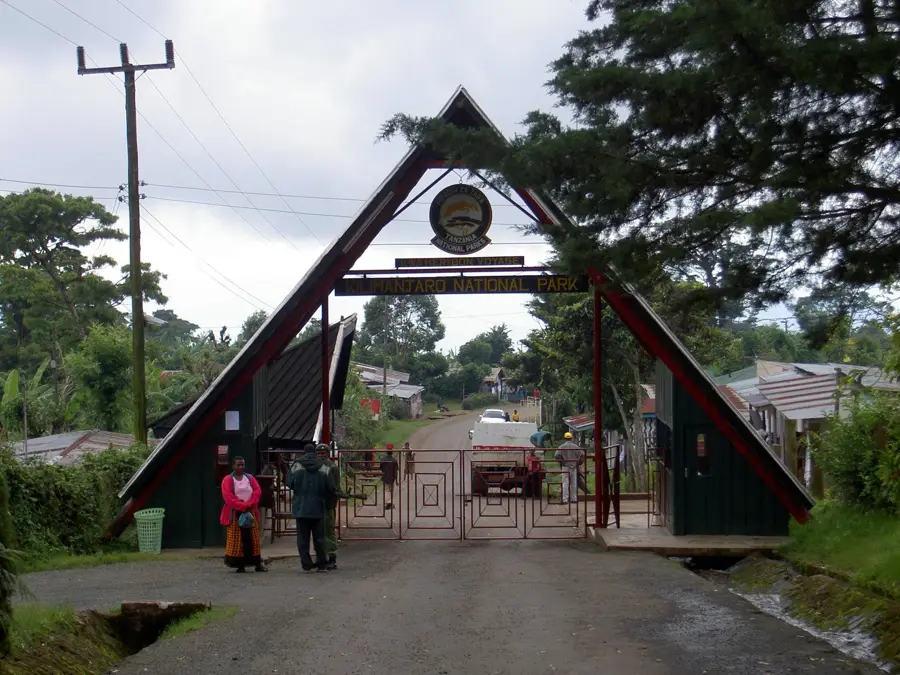
Vehicles are not permitted beyond the official park gates; all parking and drop-offs are handled there by your chosen tour company. Climbers generally leave their excess luggage and personal vehicles at their base hotels in the nearby towns.
⚠️
Safety
Altitude sickness is the most significant risk, making a slow, acclimatizing ascent absolutely crucial regardless of physical fitness. Extreme cold, sudden weather changes, and physical exhaustion require close monitoring by experienced mountain guides.
⏱️
Time needed
A successful expedition typically requires between five to nine days, depending on the chosen route and acclimatization schedule. Rushing the ascent significantly decreases the chances of reaching the summit and increases health risks.

Geography

Coordinates
-3.06740, 37.35560

Facts

  • Height of Uhuru Peak: 5,895 meters
  • Three volcanic cones: Kibo, Mawenzi, Shira
  • Date of first ascent: October 6, 1889
  • UNESCO World Heritage site since 1987
  • Glacier area decreased by 80% since 1912
  • Features five distinct vegetation zones

Explore nearby

Notable places around

Route planner — Car & Motorhome

Where do you start? We build the route here, with stops and country notes along the way.

Vehicle
Only stops with (optional):

© OpenStreetMap contributors · OpenRouteService

Sights in the town Kilimanjaro (1)

Kilimanjaro National Park🌿 nature

This nature reserve encompasses Africa's highest mountain, protecting its diverse alpine ecosystems.

Sights nearby

Frequently asked questions

Do I need to be an experienced climber?
No, good fitness is usually enough for the climb.
How long does the climb take?
Most routes take between 5 and 8 days.
When is the best time to travel?
January to March or June to October are well-suited.
Do I need a guide?
Yes, mountain guides are legally required for all routes.
What is the weather like at the summit?
It is extremely cold, often well below freezing at night.
Kilimanjaro: where is it located?
Kilimanjaro is located in Tanzania.
Kilimanjaro: when is the best time to visit?
The most pleasant time to visit is Feb, Aug, Sep.
Kilimanjaro: why is it worth visiting?

Mount Kilimanjaro, standing at 5,895 meters above sea level, is the highest mountain in Africa and the tallest free-standing mountain in the world.
View on map → The Top 50 Attractions → OpenStreetMap →
Africa
Explore with Plizio Discover more places in Africa
More places in Tanzania →

Nearby cities

History & landmarks
Nature
More places