Plizio Visual Lab
The High Coast
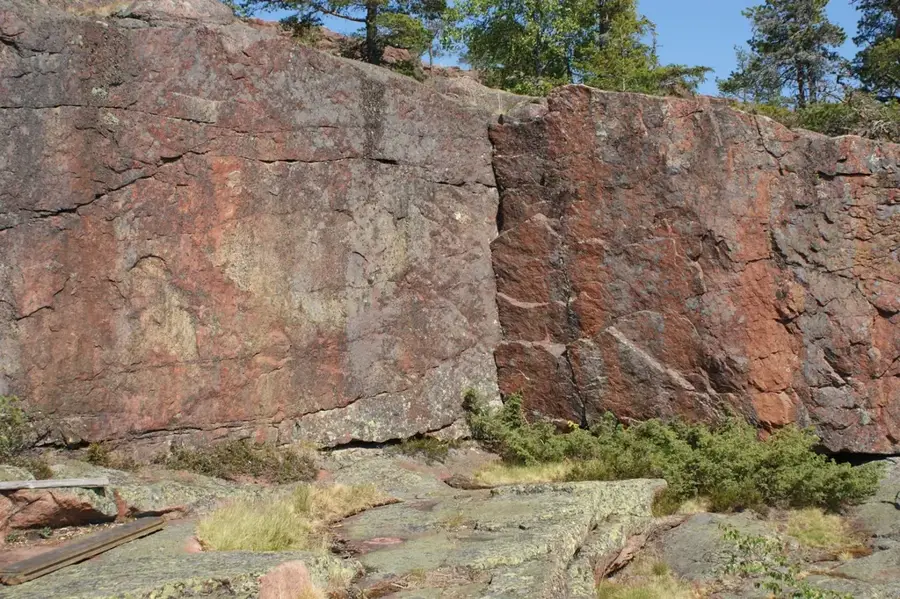
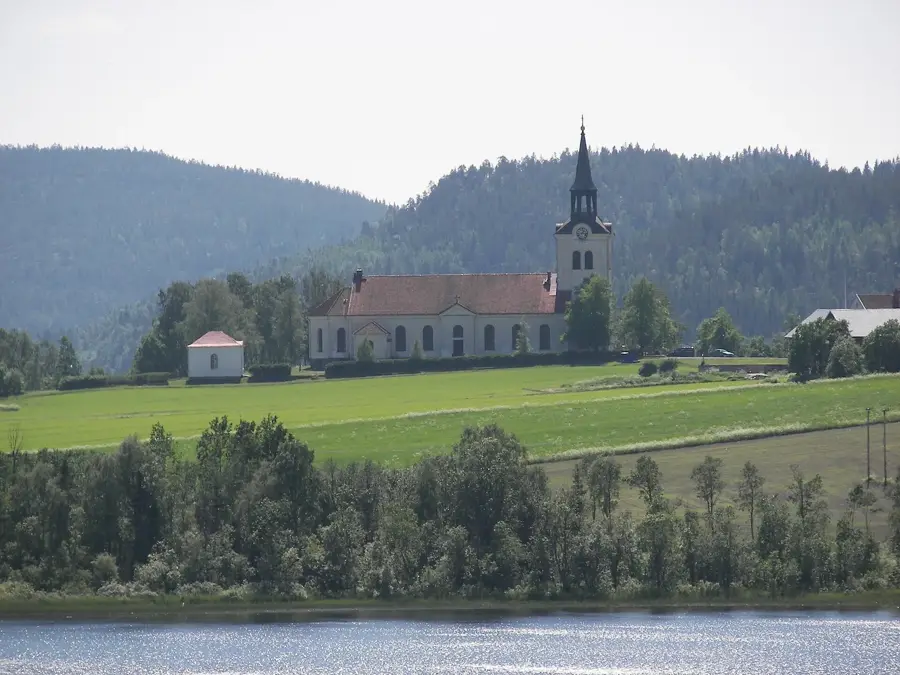
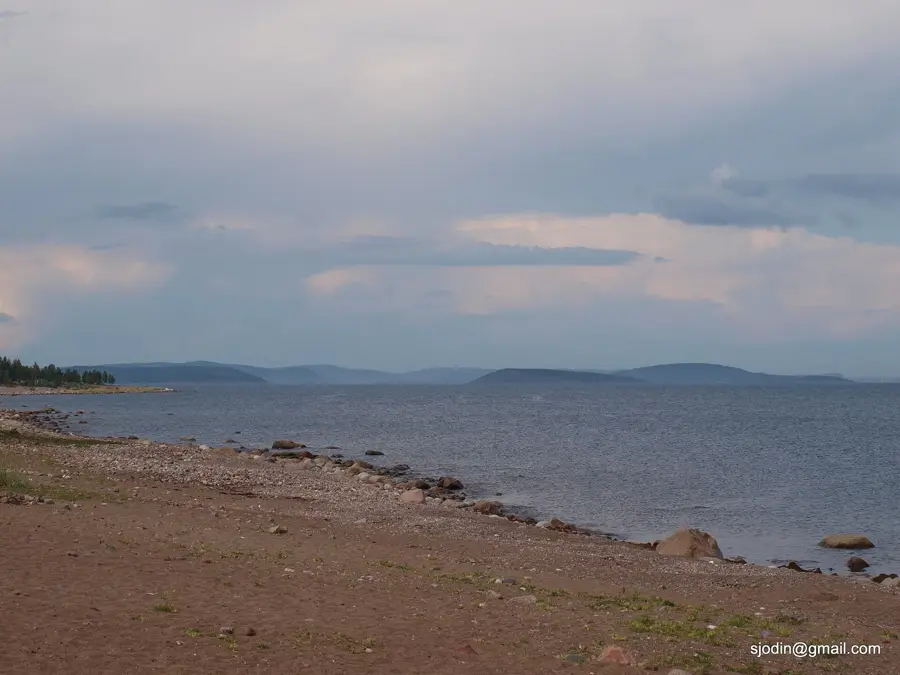
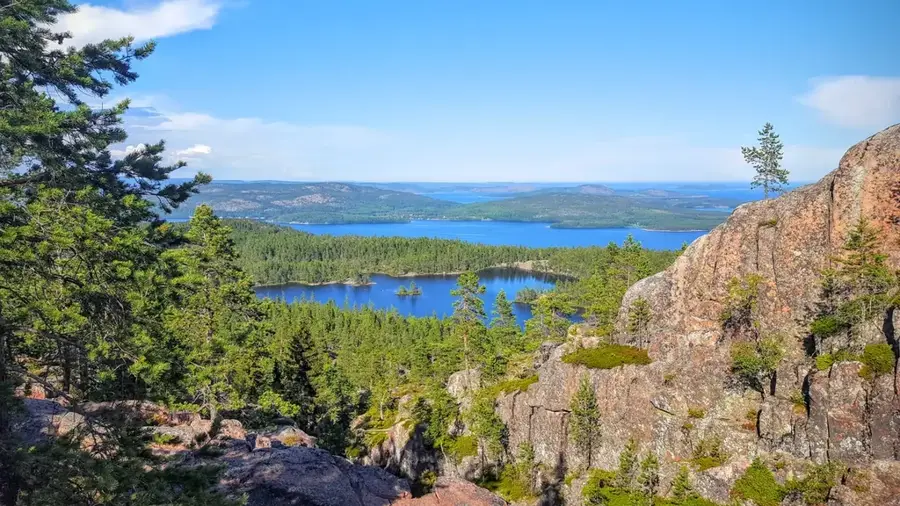
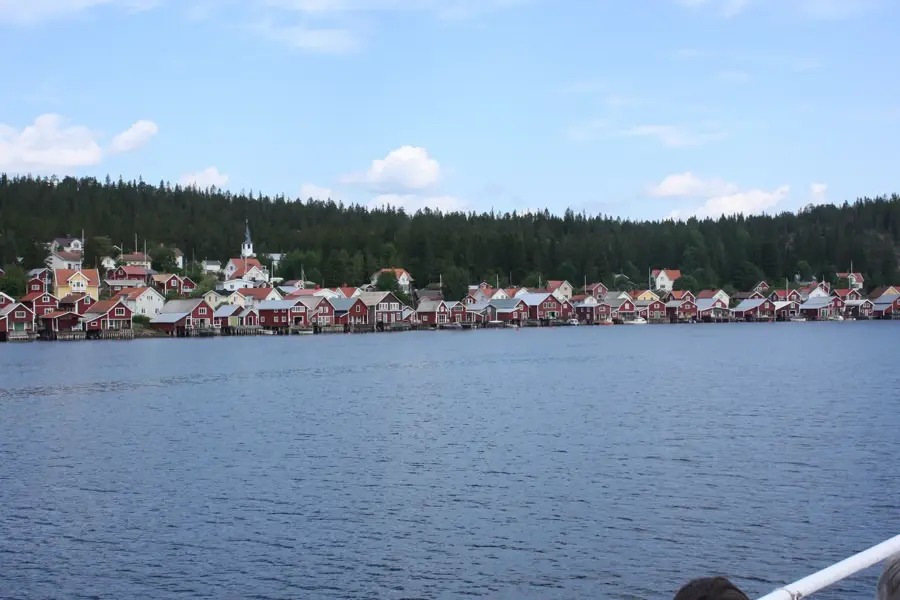
The High Coast (Höga Kusten) on Sweden's Baltic shore is a geologically unique area, designated as a UNESCO World Heritage site since 2000. The region is famous for having the world's highest post-glacial rebound, with the land rising approximately 286 meters since the last ice age. This dynamic landscape presents a spectacular panorama of steep granite cliffs, deep inlets, and numerous islands. A key feature is Skuleberget mountain, which rises directly from the sea and provides hikers expansive views over the Bothnian Sea. Skuleskogen National Park lies at the heart of the region, preserving ancient forests and the famous Slåttdalsskrevan, a dramatic 200-meter-long crevice in the bedrock. In addition to its natural wonders, the High Coast is known for cultural traditions such as the production of surströmming (fermented herring) in the small fishing villages scattered along the coastline.
- Location: Sweden
- Nearby: Norrfällsviken (14 km)
Best time to visit & climate
The most pleasant time to visit is Jun–Aug.
| Jan | Feb | Mar | Apr | May | Jun | Jul | Aug | Sep | Oct | Nov | Dec | |
|---|---|---|---|---|---|---|---|---|---|---|---|---|
| Avg °C | -4 | -4 | -2 | 2 | 7 | 12 | 16 | 15 | 11 | 6 | 2 | -2 |
| Rain mm | 58 | 42 | 40 | 44 | 57 | 53 | 69 | 90 | 72 | 80 | 65 | 67 |
📋 Practical info
Geography
Facts
- The maximum land uplift recorded is 286 meters above current sea level.
- The area was inscribed as a UNESCO World Heritage site in 2000.
- The land continues to rise at a rate of approximately 8 mm per year.
- Slåttdalsskrevan is a 200-meter-long and 40-meter-deep rock crevice.
- Skuleberget features the highest paleocoastline ever measured in the world.
- The region stretches for about 100 kilometers along the Gulf of Bothnia.
Explore nearby
Notable places around
Route planner — Car & Motorhome
Where do you start? We build the route here, with stops and country notes along the way.
© OpenStreetMap contributors · OpenRouteService
Sights in the town The High Coast (1)
Sights nearby
Frequently asked questions
Why is the High Coast a World Heritage site?
What is the most famous hiking trail?
Which mountain offers the best view?
What is Slåttdalsskrevan?
How far is it from Stockholm?
The High Coast: where is it located?
The High Coast: when is the best time to visit?
The High Coast: why is it worth visiting?

Nearby cities