Plizio Visual Lab

Kullaberg East
Plizio editorial teamData Sources
Mountain
—°7
Kullaberg East (Sweden)

Weather…

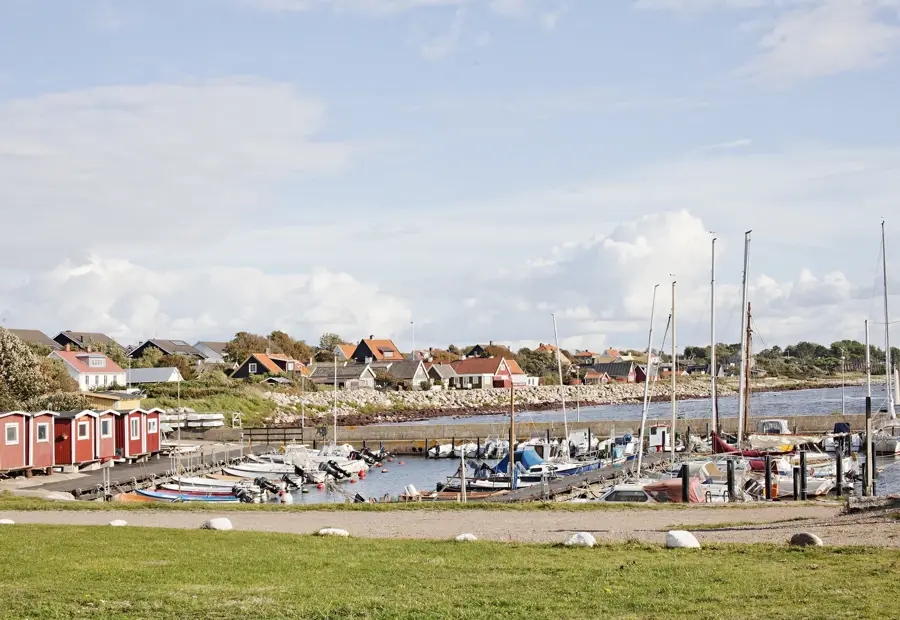
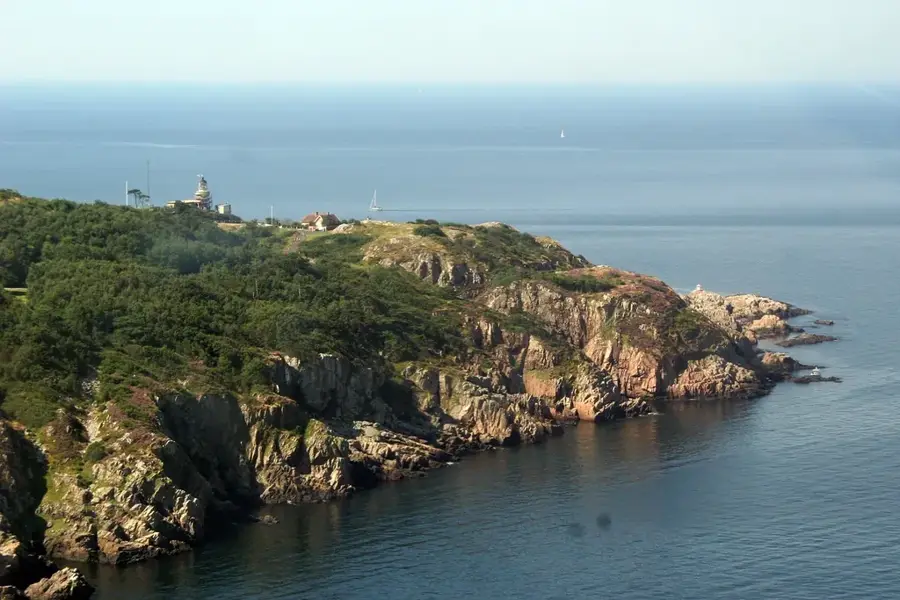
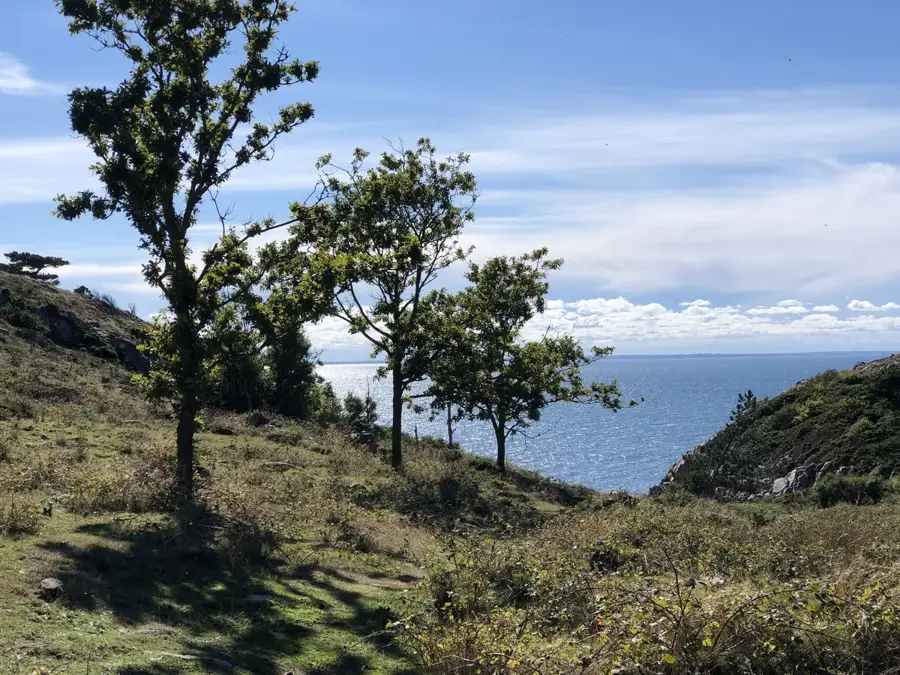
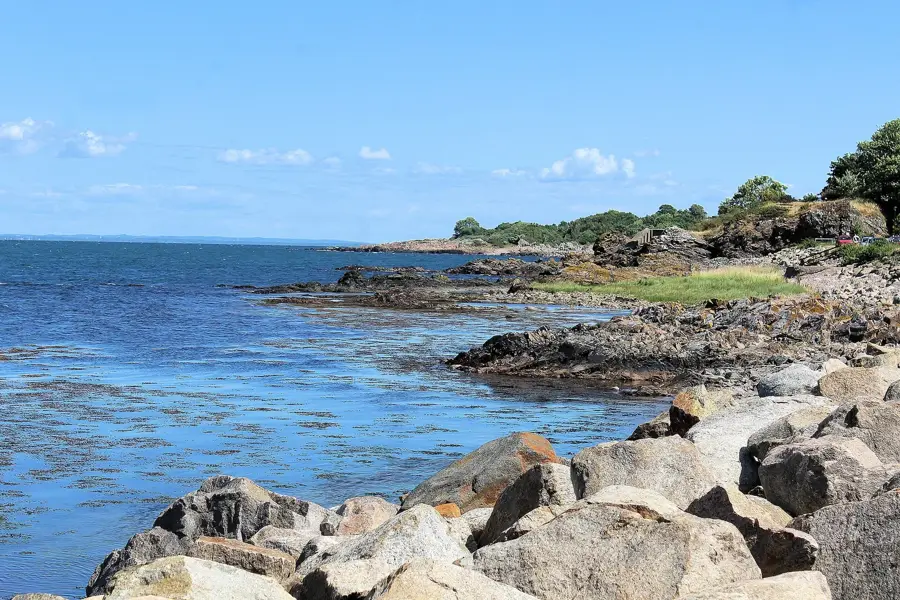
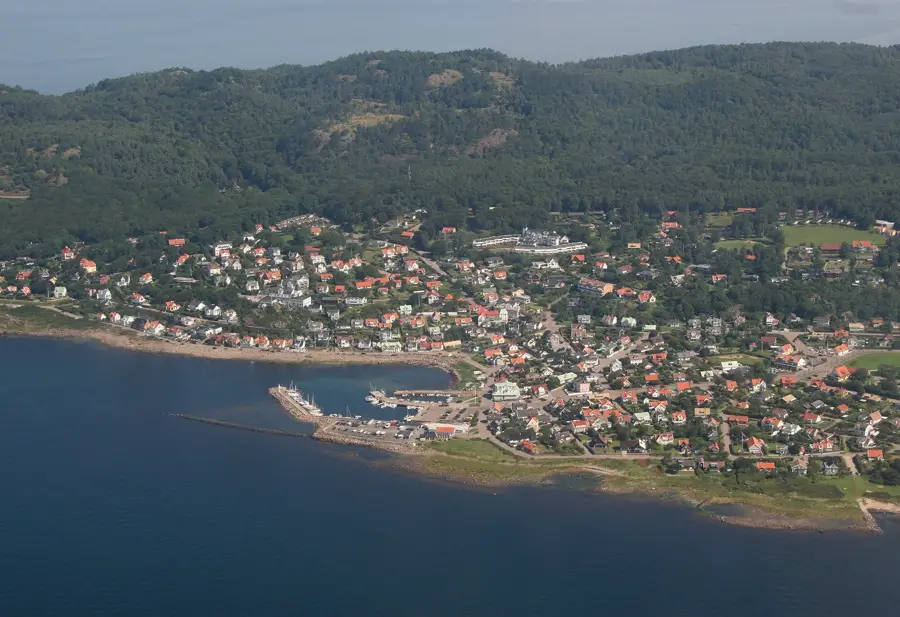
Kullaberg East refers to the eastern section of the Kullaberg ridge in northwest Scania, where the dramatic cliffs of the west transition into a more rolling, forested landscape. This area is part of a horst formation composed mainly of gneiss and granite, created by tectonic movements millions of years ago. The relief here is dominated by plateaus and valleys that descend toward the Skälderviken bay. While the western tip is known for its lighthouse and caves, the eastern part provides dense beech forests and a rich variety of bird species. Historically, the area has been used for both forestry and small-scale agriculture, benefiting from the mineral-rich soil. It is a popular destination for hiking and nature observation, providing panoramic views across the Öresund and Kattegat. The gentler topography in the east contrasts sharply with the rugged western end of the protected area.

Best time to visit & climate

The most pleasant time to visit is Jun–Aug.

JanFebMarAprMayJunJulAugSepOctNovDec
Avg °C112711151818141063
Rain mm816250435781929969928186

📋 Practical info

🧭
Getting there
Situated on the Skåne peninsula, this eastern section of the massif is generally reached via minor coastal roads. The approach is slightly quieter than the main western reserve but still well-signposted from regional access routes.
📅
Best season
The warmer months from late spring to early autumn provide the best conditions for exploring the steep terrain. Winters can be bitterly cold with icy winds from the Kattegat making the steep paths quite treacherous for casual walkers.
⛰️
Terrain & paths
The geology here is defined by rugged granite formations, steep slopes dropping towards the sea, and dense vegetation. Trails in this eastern part can be challenging, uneven, and require scrambling over rocks in certain areas.
🎒
What to bring
High-quality hiking boots with excellent ankle support and grip are mandatory for negotiating the steep granite paths. Always carry a waterproof and windproof outer layer, along with a fully charged phone and sufficient drinking water.
🅿️
Parking
Parking is available at designated lots near the trailheads, though spaces are somewhat more limited than the main reserve. Arriving early in the morning is advisable during summer weekends to secure a spot before the crowds arrive.
⚠️
Safety
The steep drops and uneven rocky surfaces present continuous slip and trip hazards along the paths. Visitors must exercise extreme caution near cliff edges, especially during wet weather when the granite rocks become exceedingly slippery.
⏱️
Time needed
Exploring the trails in the eastern massif usually takes visitors about two to four hours depending on the chosen route. Due to the challenging terrain, progress can be slower than expected, so it is wise to allow ample daylight time.

Geography

Coordinates
56.29000, 12.60000

Facts

  • Geological horst formation made of gneiss
  • Highest point of the ridge at 187 meters
  • Part of the Kullaberg Nature Reserve
  • Dominated by ancient beech forest stands
  • Bordered by the Skälderviken bay
  • Created by Precambrian tectonic activity

Explore nearby

Notable places around
Route planner — Car & Motorhome

Where do you start? We build the route here, with stops and country notes along the way.

Vehicle
Only stops with (optional):

© OpenStreetMap contributors · OpenRouteService

Sights in the town Kullaberg East (7)

Skärets naturreservat🌿 nature

A Swedish nature reserve featuring varied coastal landscapes on the Kullaberg peninsula.

Strandhagen🌿 nature

A nature reserve on the Kullaberg peninsula known for its rich flora and fauna.

Nabbens naturreservat🌿 nature

This nature reserve in Höganäs municipality protects valuable coastal biotopes.

Arilds vingård📍 landmark

A well-known vineyard in the Kullaberg region producing local wines.

Brunnby kyrka⛪ religious

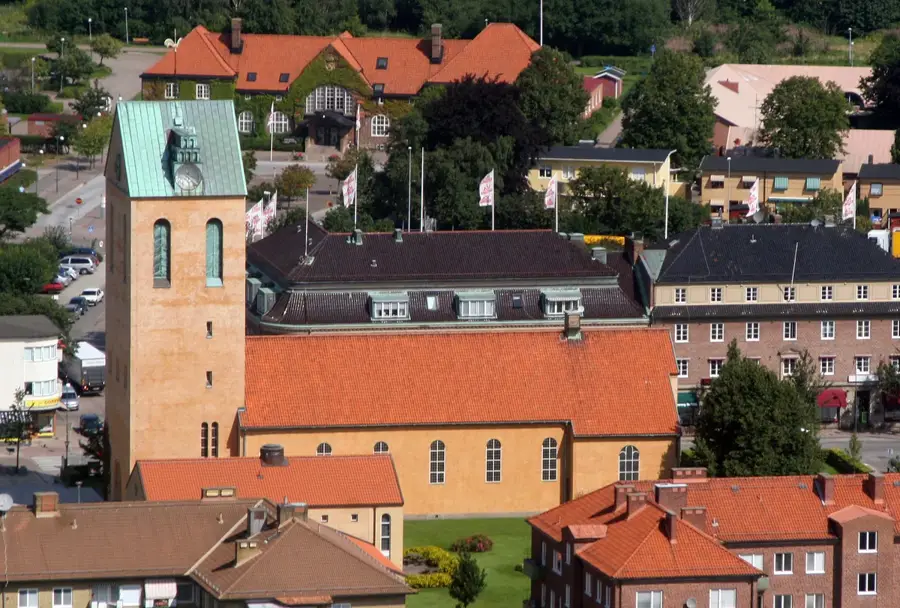
A historical stone church in the Kullaberg region with medieval origins.

Arilds kapell⛪ religious

A welcoming small chapel located in the fishing village of Arild.

Tussan i arild🎡 recreation

A swimming spot at Arild on the Kullaberg peninsula.

Sights nearby

Frequently asked questions

What does Kullaberg-Ost offer?
Steep cliffs, dense forests, and beautiful hiking trails along the coast of Scania.
Are there caves there?
Yes, there are numerous caves at Kullaberg, some accessible only from the water or via climbing paths.
Can you go birdwatching there?
Absolutely, the area is an important resting place for migratory birds and home to many seabirds.
How is the terrain for hikers?
Hilly and partly rocky; good hiking boots and surefootedness are required.
Are there parking facilities?
Yes, there are official parking lots at the entrance to the nature reserve (usually for a fee).
Kullaberg East: where is it located?
Kullaberg East is located in Sweden.
Kullaberg East: what is there to see?
Highlights include Skärets naturreservat, Strandhagen, Nabbens naturreservat.
Kullaberg East: when is the best time to visit?
The most pleasant time to visit is Jun, Aug.
Kullaberg East: why is it worth visiting?

Kullaberg East refers to the eastern section of the Kullaberg ridge in northwest Scania, where the dramatic cliffs of the west transition into a more rolling, forested landscape.
View on map → The Top 50 Attractions → Most beautiful beaches → OpenStreetMap →
Europe
Explore with Plizio Discover more places in Europe
More places in Sweden →

Nearby cities

More places