Plizio Visual Lab
Kaskasatjåkka
Weather…
Water temperature…
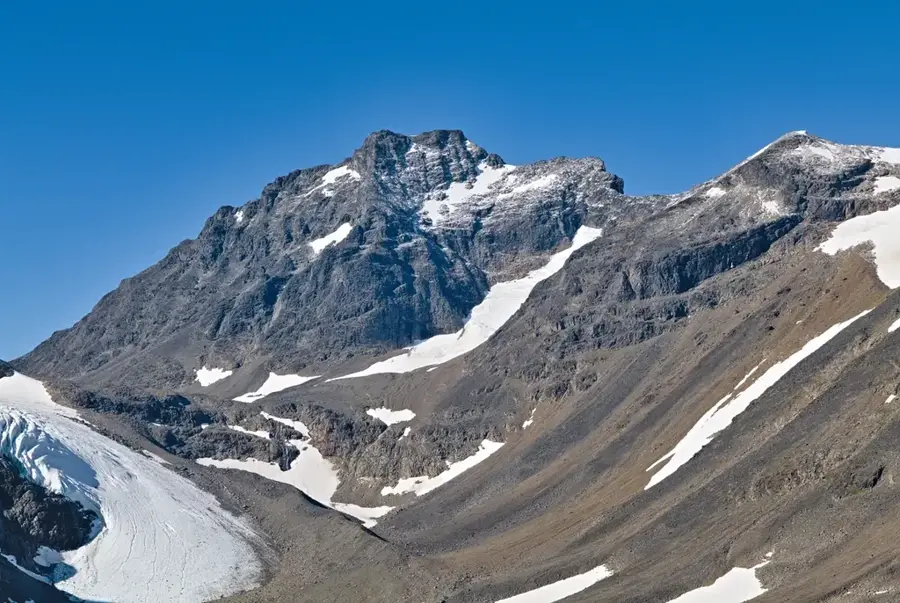
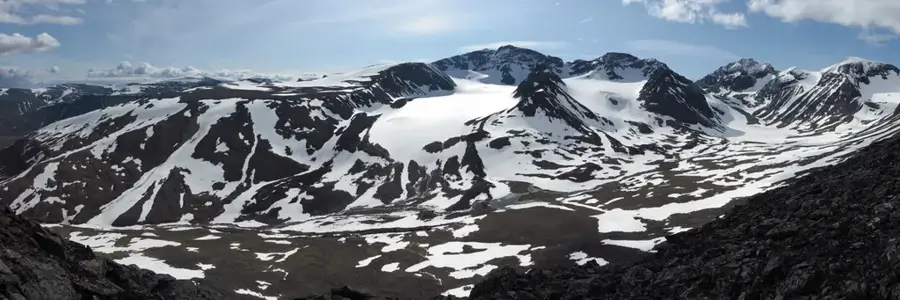
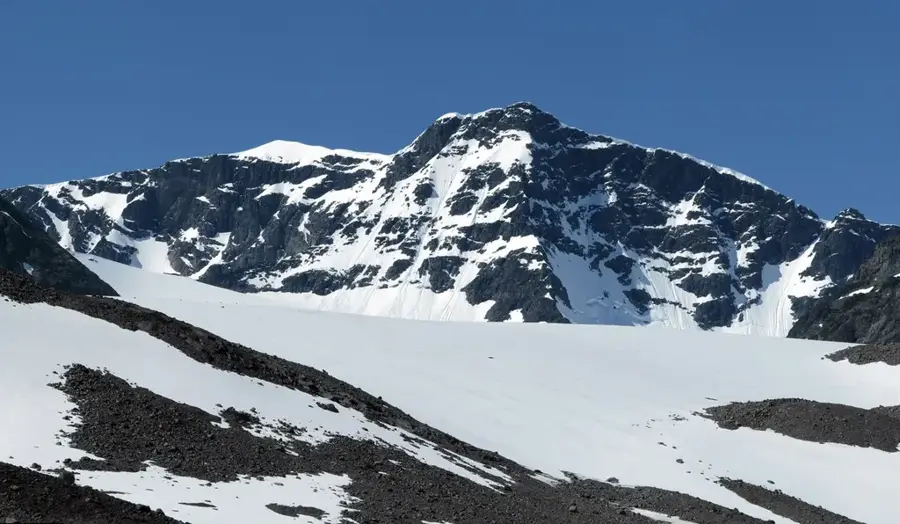
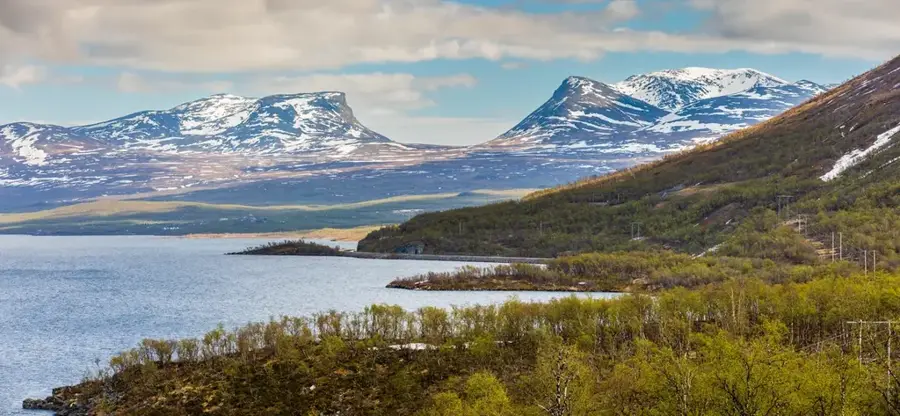
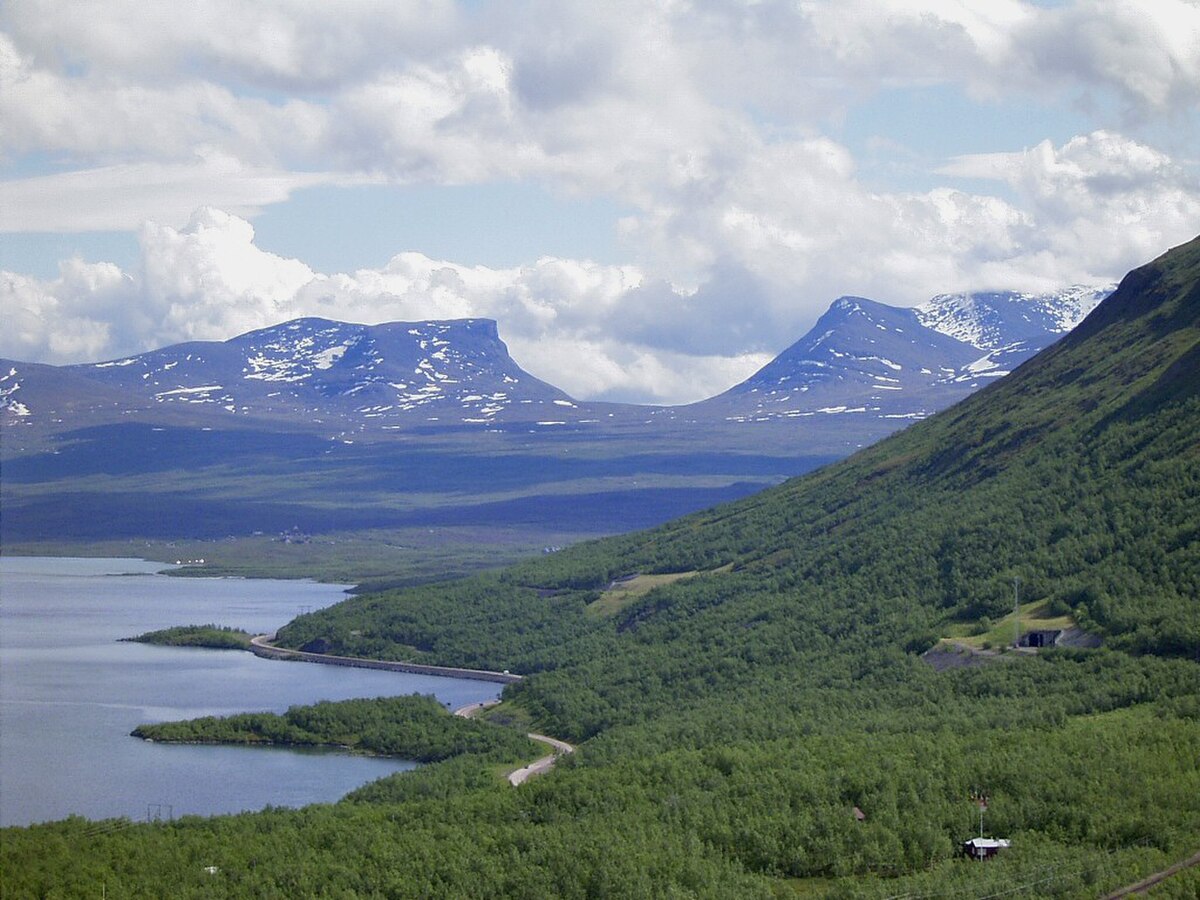
Kaskasatjåkka is one of Sweden highest peaks, reaching an elevation of 2,076 meters within the formidable Kebnekaise massif in Lapland. Located north of the Tarfala Valley, the mountain is surrounded by a stark alpine landscape and several significant glaciers, such as Kaskasatjåkkaglaciären. While the ascent does not strictly require technical climbing gear via the standard route, it remains a strenuous undertaking due to steep scree slopes and rapidly shifting Arctic weather conditions. Geologically, the mountain is part of the Caledonian orogeny and is primarily composed of tough amphibolite rock. The summit view is renowned as one of the finest in northern Sweden, offering a direct perspective of the Kebnekaise peaks, the Sarek National Park wilderness, and the mountains of Norway. The area is globally significant for glaciological research, with the nearby Tarfala Research Station having documented glacier fluctuations and climatic changes for several decades.
Best time to visit & climate
The most pleasant time to visit is Jun–Aug.
| Jan | Feb | Mar | Apr | May | Jun | Jul | Aug | Sep | Oct | Nov | Dec | |
|---|---|---|---|---|---|---|---|---|---|---|---|---|
| Avg °C | -13 | -12 | -10 | -5 | 1 | 6 | 11 | 9 | 4 | -3 | -8 | -11 |
| Rain mm | 78 | 73 | 76 | 69 | 90 | 113 | 152 | 116 | 111 | 90 | 81 | 89 |
📋 Practical info
Geography
Facts
- The peak stands at 2,076 meters, making it Sweden fourth highest.
- It is situated in the Kiruna municipality of Swedish Lapland.
- The mountain is flanked by the Kaskasatjåkkaglaciären glacier.
- Its geology is dominated by resistant amphibolite rock.
- The summit provides views of the Kebnekaise twin peaks.
- The nearby Tarfala station is a world-class glaciological site.
Explore nearby
Notable places around

Route planner — Car & Motorhome
Where do you start? We build the route here, with stops and country notes along the way.
© OpenStreetMap contributors · OpenRouteService
Sights in the town Kaskasatjåkka (1)
Sights nearby
Frequently asked questions
How high is Kaskasatjåkka?
Where is this mountain located?
Is the ascent technically difficult?
Are there glaciers there?
Where can you stay overnight nearby?
Kaskasatjåkka: where is it located?
Kaskasatjåkka: when is the best time to visit?
Kaskasatjåkka: why is it worth visiting?

Nearby cities