Plizio Visual Lab

Blå Jungfrun National Park
Plizio editorial teamData Sources
park
—°3
Blå Jungfrun National Park (Sweden)

Weather…

Blå Jungfrun National Park consists of a solitary granite island in the Kalmar Strait of the Baltic Sea, renowned for its distinctive silhouette and smooth red rocks. The island was established as a national park in 1926 to preserve its unique geological formations and rare flora and fauna. In Swedish folklore, Blå Jungfrun is famously known as Blåkulla, the site where witches were believed to gather on Maundy Thursday. The topography is characterized by barren rocky landscapes, deep caves, and a mysterious stone labyrinth called Trolleborg, the origins of which remain unknown. Due to its isolated location, it hosts specialized wildlife, including rare beetle species and a colony of black guillemots. Access to the island is limited to the summer months via boat from Oskarshamn or Byxelkrok, and visitors must adhere to strict environmental regulations.

Best time to visit & climate

The most pleasant time to visit is Jul–Sep.

JanFebMarAprMayJunJulAugSepOctNovDec
Avg °C10251015181814952
Rain mm474034304057736945656755

📋 Practical info

🧭
Getting there
Reaching this highly prominent and legendary granite island in the Kalmar Strait typically requires booking a specialized boat trip. Scheduled public ferry services often operate directly from the nearby mainland specifically during the warm summer months.
📅
Best season
Summer is generally the most practical and comfortable time to safely visit due to the maritime climate and reliable boat schedules. The relatively calm weather during these warm months makes the sea crossing remarkably pleasant and highly enjoyable.
⛰️
Terrain & paths
The isolated island is primarily composed of entirely bare, smooth granite rock formations and occasional dense scrubland areas. The walking paths can be quite uneven and frequently require extremely careful stepping directly across the solid stone surfaces.
🎒
What to bring
Footwear with exceptionally strong grip is absolutely crucial for walking safely and confidently on the potentially very slippery smooth granite rock. Visitors should also strongly remember to bring all their own food and drinking water for the island visit.
🅿️
Parking
Visitors typically leave their personal vehicles safely parked at the designated mainland ferry terminal parking lots firmly before departure. It is highly advisable to carefully check parking regulations and specific fees in the coastal departure towns beforehand.
⚠️
Safety
The bare granite surfaces can rapidly become extremely slippery and genuinely hazardous when wet, requiring highly significant extra caution. Visitors must completely respect the island's unique folklore heritage and are strictly forbidden from removing any stones.
⏱️
Time needed
Thoroughly exploring the island's completely unique rock formations and dense patches of scrubland generally takes around three to four unhurried hours. The absolute total trip duration, however, heavily depends directly on the scheduled ferry timetables.

Geography

Coordinates
57.25100, 17.11200

Facts

  • The island reaches a maximum elevation of 86 meters above sea level.
  • The national park was officially established in 1926.
  • The Trolleborg stone labyrinth consists of several concentric rings.
  • It is strictly forbidden to remove any stones from the island.
  • The island is composed almost entirely of red Jungfrun granite.
  • Blå Jungfrun is approximately 1.1 kilometers long and 1 kilometer wide.

Explore nearby

Notable places around
Route planner — Car & Motorhome

Where do you start? We build the route here, with stops and country notes along the way.

Vehicle
Only stops with (optional):

© OpenStreetMap contributors · OpenRouteService

Sights in the town Blå Jungfrun National Park (3)

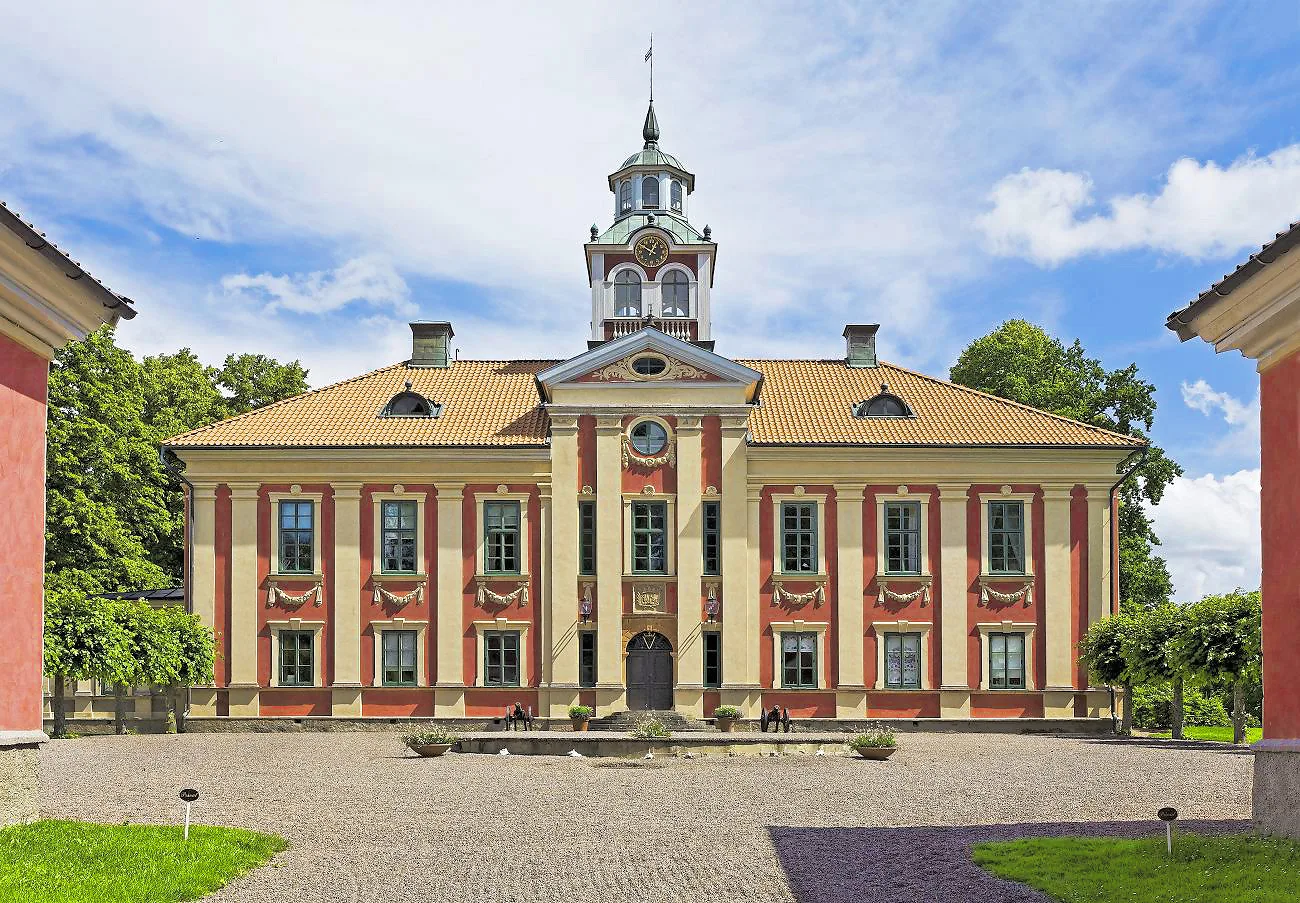
Böda prästgård🌿 nature

A nature reserve in the Böda area, known for its coastal landscape.

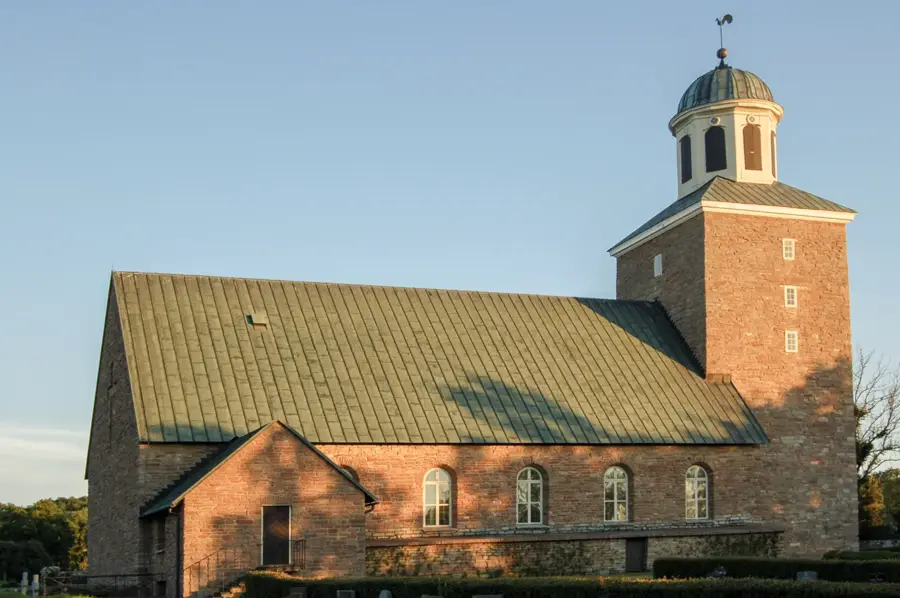
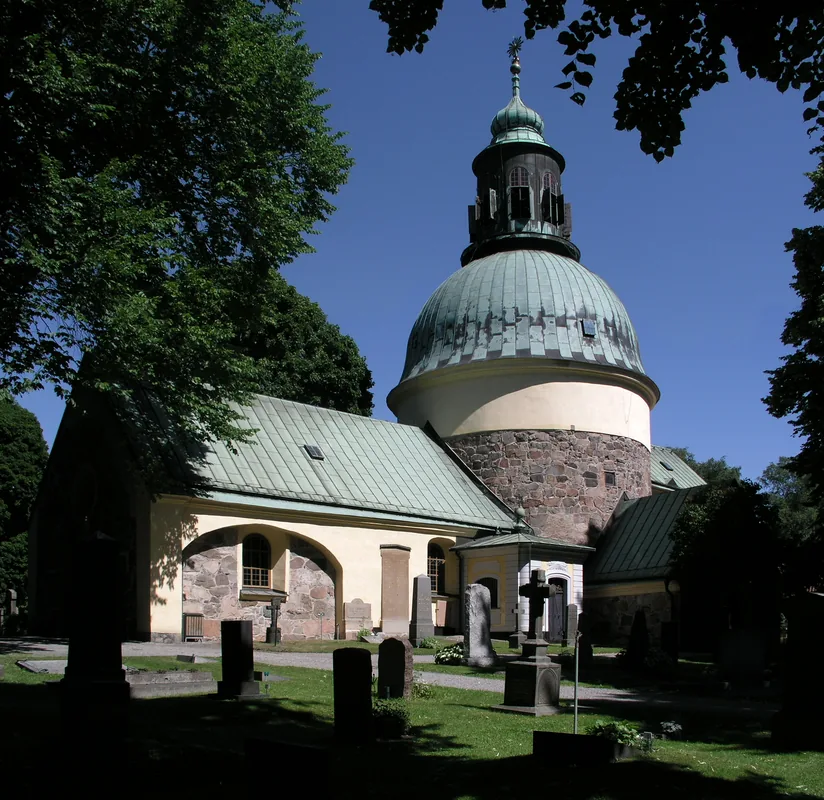
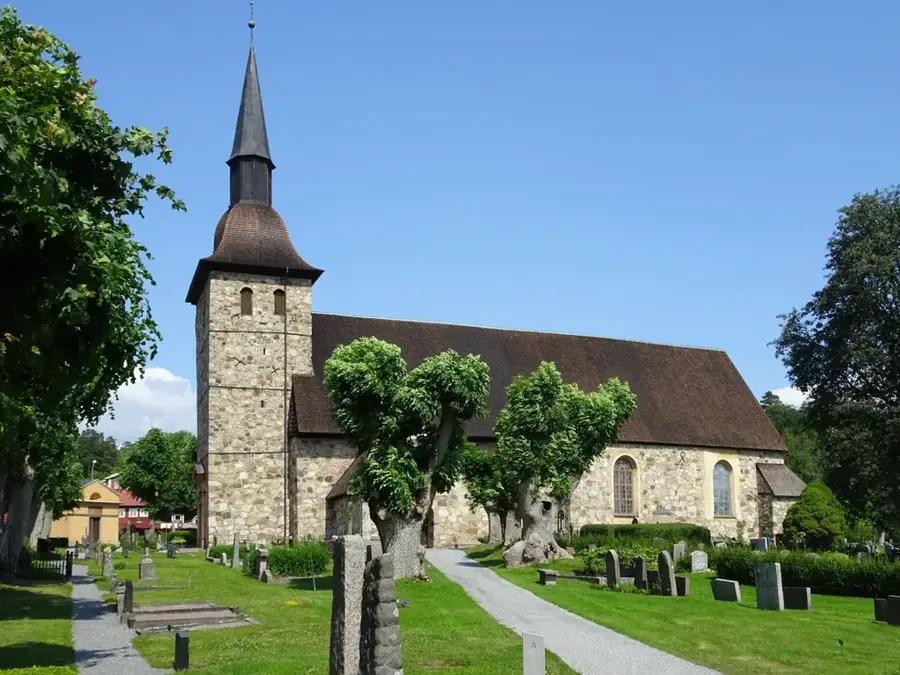
Böda kyrka⛪ religious

A historic church in the Böda area, located on the Swedish island of Öland.

Böda Sand Beach Resort🎡 recreation

A well-known beach resort and water park on the Swedish island of Öland.

Sights nearby

Frequently asked questions

Why is the island called 'Blåkulla'?
According to legend, witches gather here on Walpurgis Night.
How do you get to the island?
Tour boats depart from Oskarshamn and Byxelkrok (Öland).
Can you stay overnight on the island?
No, camping and staying overnight are strictly prohibited in the national park.
What is the labyrinth on the island?
An ancient stone labyrinth called Trojaborg, of unknown origin.
Do you need to be fit to visit?
Yes, the terrain is rocky and steep; sturdy footwear is mandatory.
Blå Jungfrun National Park: where is it located?
Blå Jungfrun National Park is located in Sweden.
Blå Jungfrun National Park: what is there to see?
Highlights include Böda prästgård, Böda kyrka, Böda Sand Beach Resort.
Blå Jungfrun National Park: when is the best time to visit?
The most pleasant time to visit is Jul, Sep.
Blå Jungfrun National Park: why is it worth visiting?

Blå Jungfrun National Park consists of a solitary granite island in the Kalmar Strait of the Baltic Sea, renowned for its distinctive silhouette and smooth red rocks.
View on map → The Top 50 Attractions → Most beautiful beaches → OpenStreetMap →
Europe
Explore with Plizio Discover more places in Europe
More places in Sweden →

Nearby cities

History & landmarks