Plizio Visual Lab
Jebel el-Ain
Weather…
Water temperature…
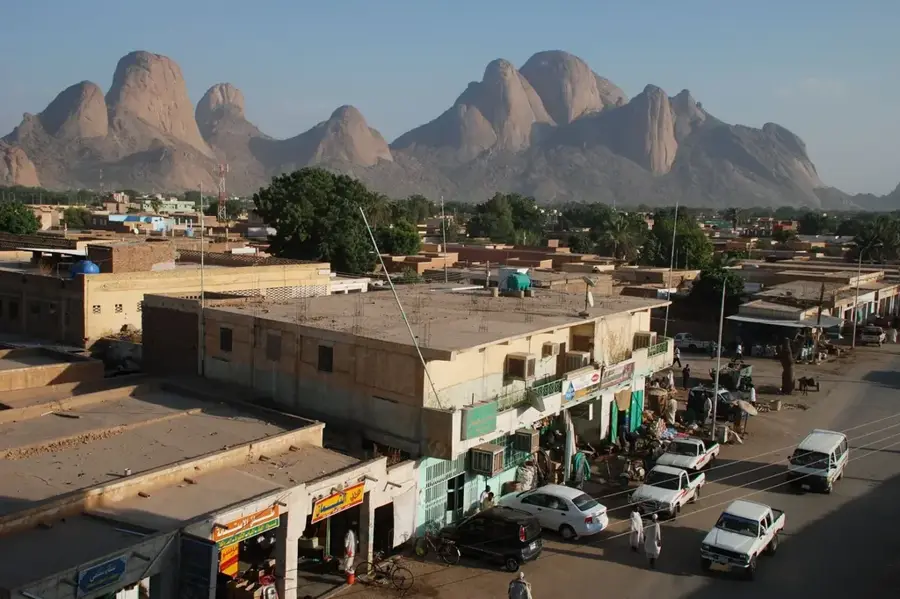
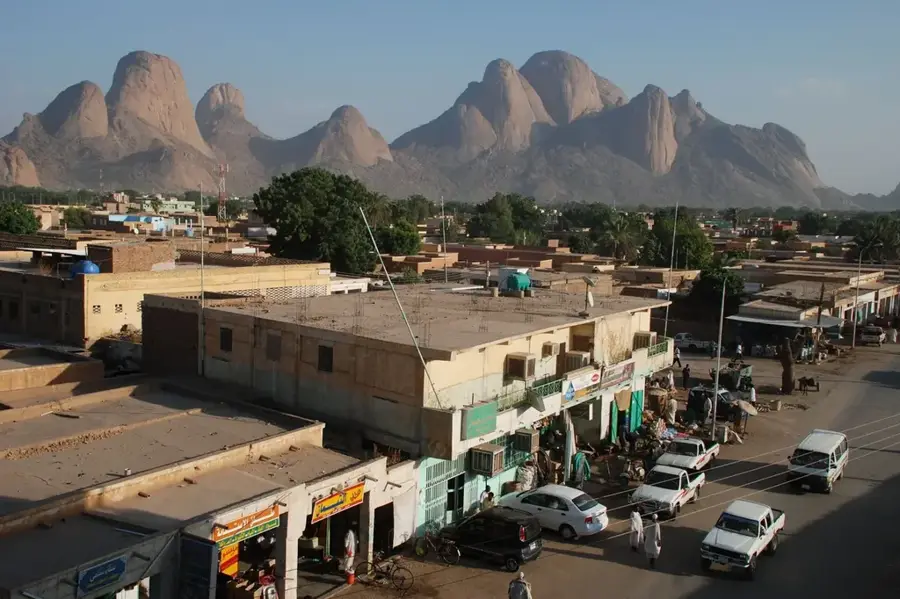
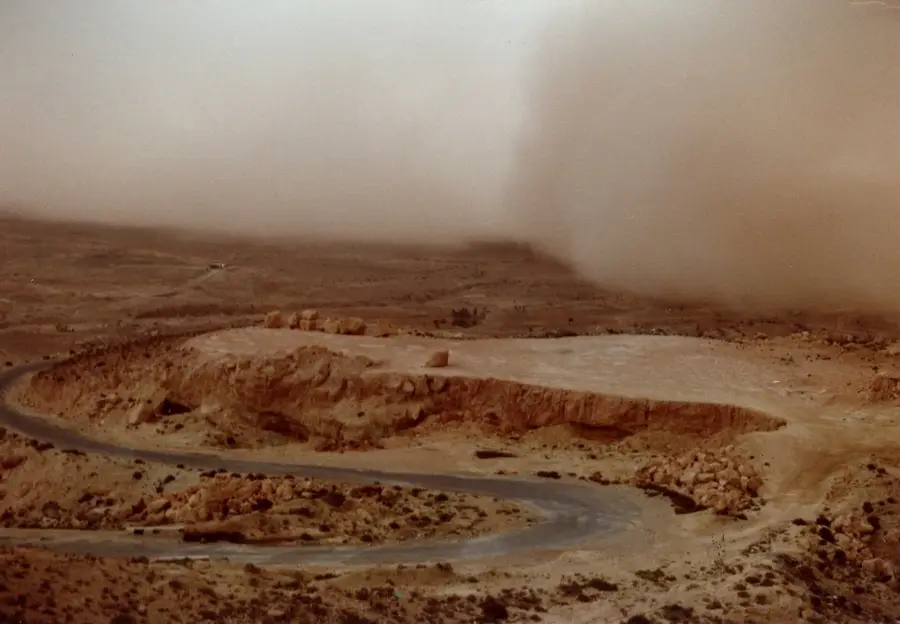
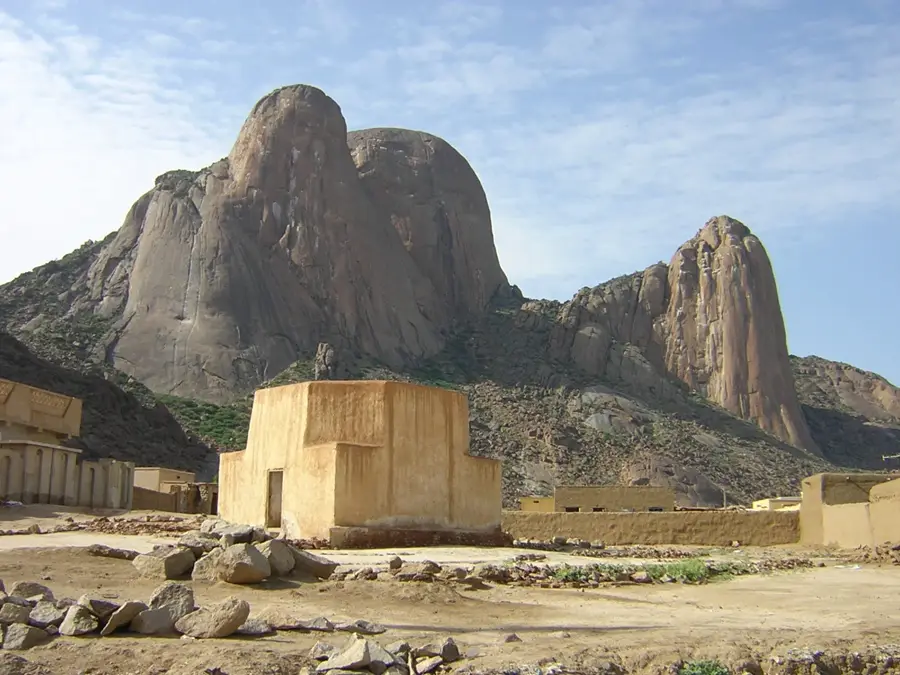
Jebel el-Ain is a prominent inselberg in the North Kordofan state, not far from the city of El Obeid. It rises as an isolated granite formation from the surrounding sandy plains and forms an important landmark in the region. Geographically, the mountain acts as a natural water catchment, with its rugged surfaces collecting precipitation and storing it in hidden crevices. Historically, Jebel el-Ain is of great archaeological significance, as settlement traces have been found here dating back to the Mesolithic and Neolithic periods. Rock art and pottery finds suggest that the region was once much wetter and supported permanent settlement. The mountain's strategic location made it an important resting place for caravans traveling between the Nile Valley and the Lake Chad basin over the centuries. In modern times, the area is primarily used for local water supply and as grazing land for nomads. The mountain's geological structure also provides interesting insights into the weathering processes of granite in arid climatic zones.
- Location: Sudan
- Nearby: Kosti (24 km)
Best time to visit & climate
The most pleasant time to visit is Jan, Feb, Dec.
| Jan | Feb | Mar | Apr | May | Jun | Jul | Aug | Sep | Oct | Nov | Dec | |
|---|---|---|---|---|---|---|---|---|---|---|---|---|
| Avg °C | 25 | 28 | 30 | 33 | 34 | 32 | 29 | 28 | 29 | 31 | 28 | 26 |
| Rain mm | 0 | 0 | 0 | 2 | 25 | 41 | 117 | 130 | 66 | 27 | 1 | 1 |
📋 Practical info
Geography
Facts
- Jebel el-Ain is located about 30 kilometers northeast of El Obeid.
- Archaeological sites prove settlement more than 5,000 years ago.
- The mountain consists of coarse-grained Precambrian pink granite.
- Rock engravings show wild animals that are now extinct in the region.
- Inselbergs like Jebel el-Ain are typical of the Kordofan plateau.
- Vegetation includes arid plants such as Senegalia senegal (gum arabic tree).
Explore nearby
Notable places around

Route planner — Car & Motorhome
Where do you start? We build the route here, with stops and country notes along the way.
© OpenStreetMap contributors · OpenRouteService
Sights nearby
Frequently asked questions
Why visit Jebel el-Ain?
Is it hard to find?
Should I travel alone?
How is the supply?
Is the climate very hot?
Jebel el-Ain: where is it located?
Jebel el-Ain: when is the best time to visit?
Jebel el-Ain: why is it worth visiting?

Nearby cities
History & landmarks

Nature
More places