Plizio Visual Lab
Tarhuna
ℹ️Practical info — Tarhuna
▾
🌤 Weather — 5 days
📍 Nearby
Sights nearby
💡 Tips
- Visit in autumn to witness the olive harvest, which is central to the local culture and economy.
- Due to its higher altitude, Tarhuna is noticeably cooler than the coastal cities, so pack layers.
- Driving is the most practical way to navigate the sprawling agricultural surroundings.
- Friday mornings are quiet, as most shops close for prayer; plan your market visits accordingly.
🍽 Food
Taste freshly pressed olive oil at small local shops, typically served with warm bread.
Look for this traditional barley dough dish served with a rich tomato and lamb sauce in local diners.
Snack on fresh, locally grown almonds often sold by street vendors in the town center.
🛍 Shopping · 🧘 Quiet spots
Purchase high-quality extra virgin olive oil directly from local presses or specialized grocers.
Wander through the outdoor markets to find fresh seasonal vegetables and local honey.
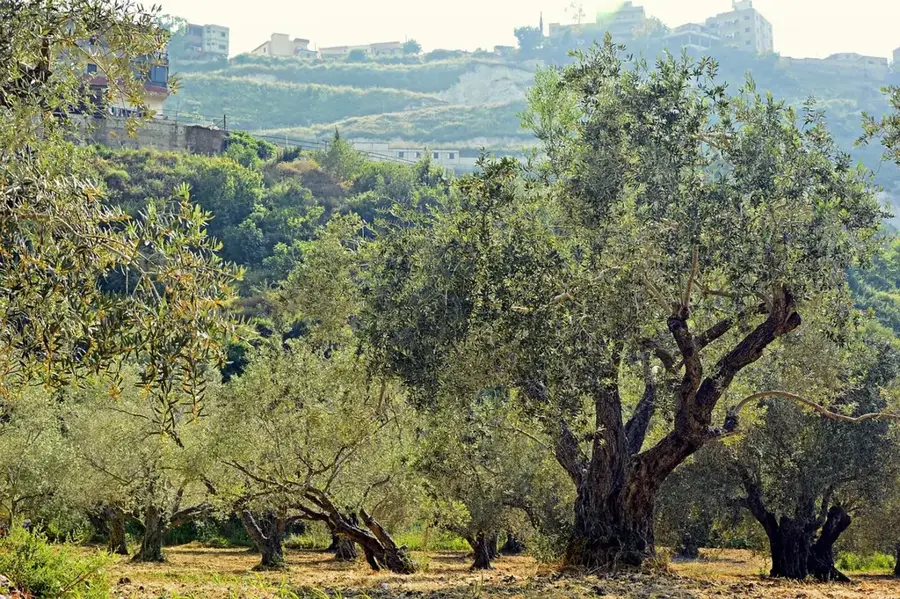
Stroll along the paths of the extensive olive groves that surround the city for a serene experience.
Drive up to the slightly elevated areas outside the town for sweeping views of the green landscape.
Water temperature…
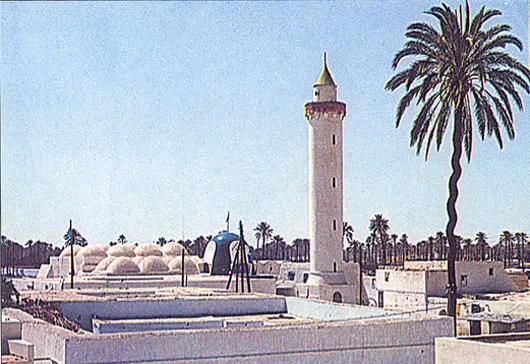
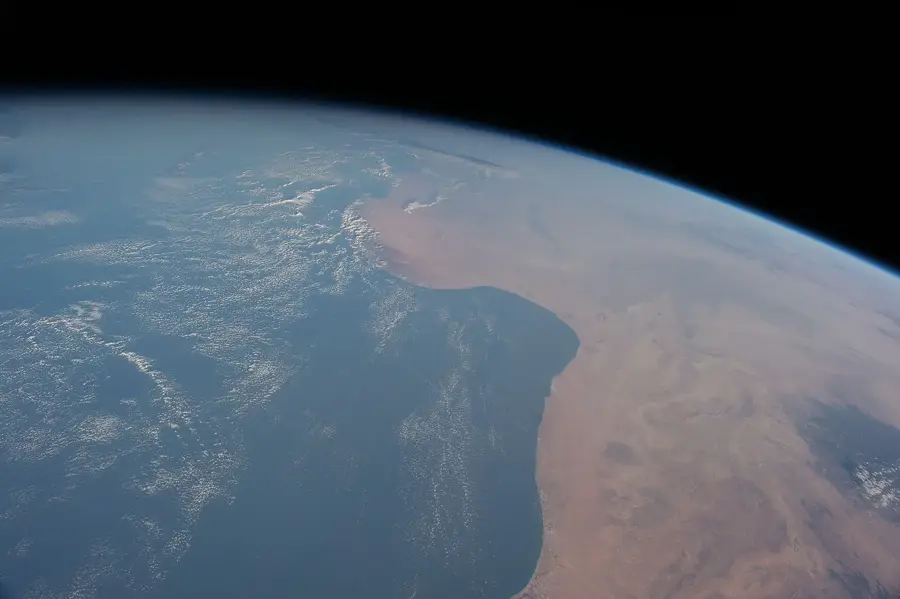
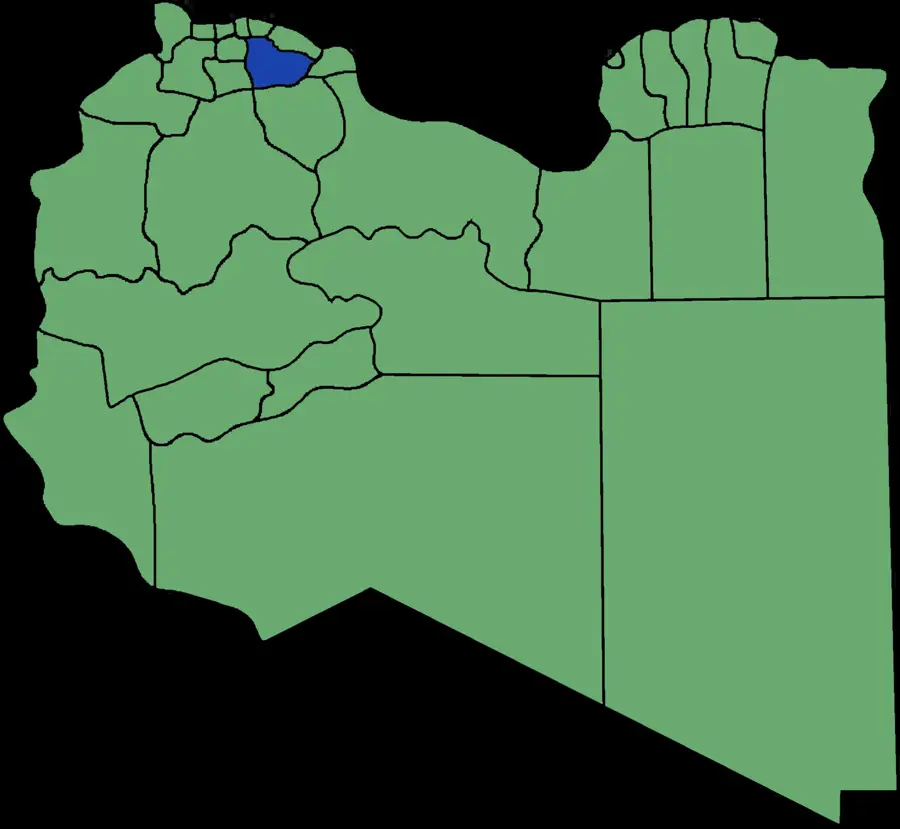
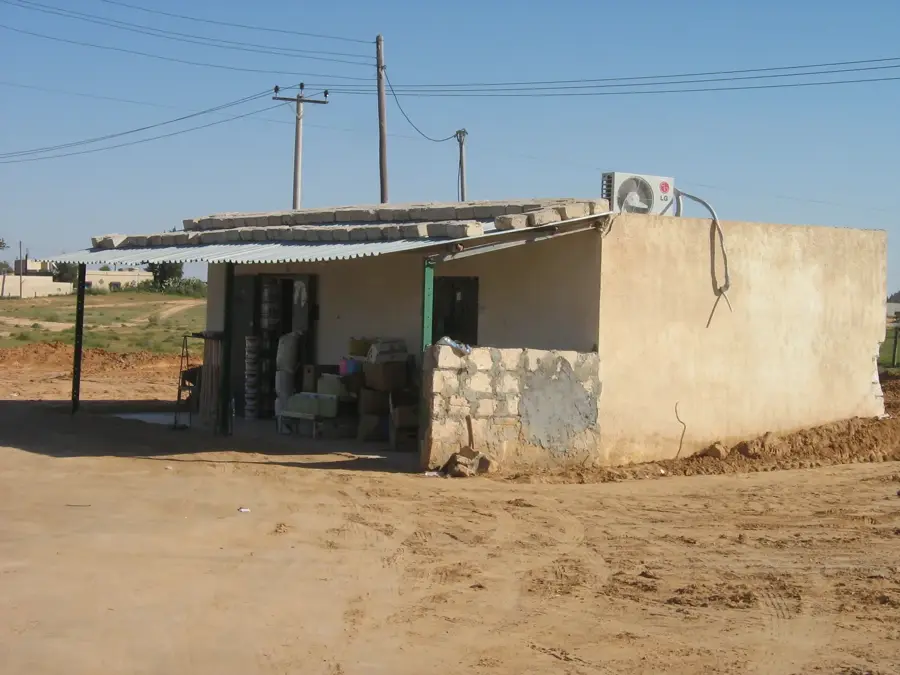
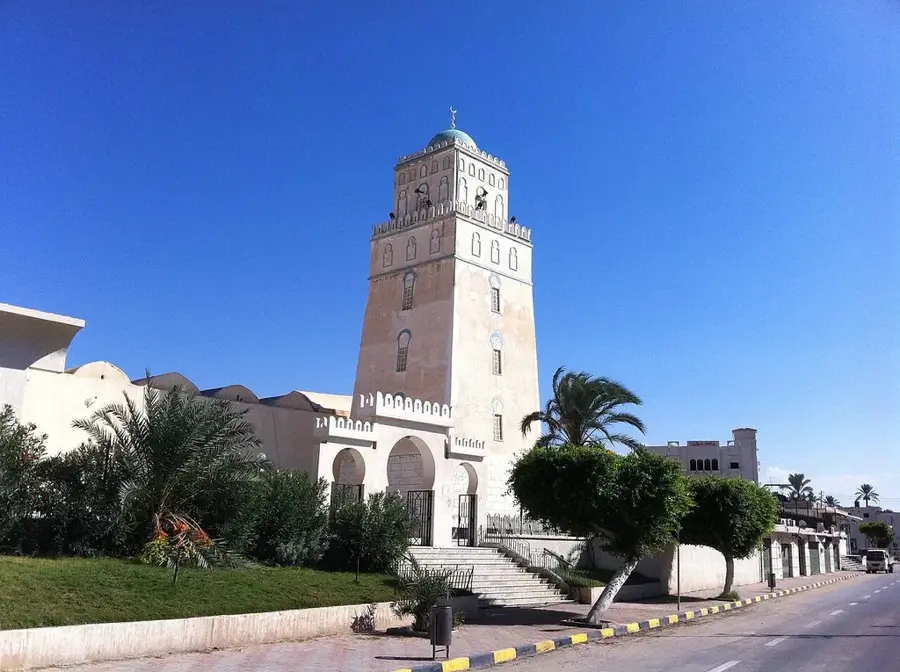
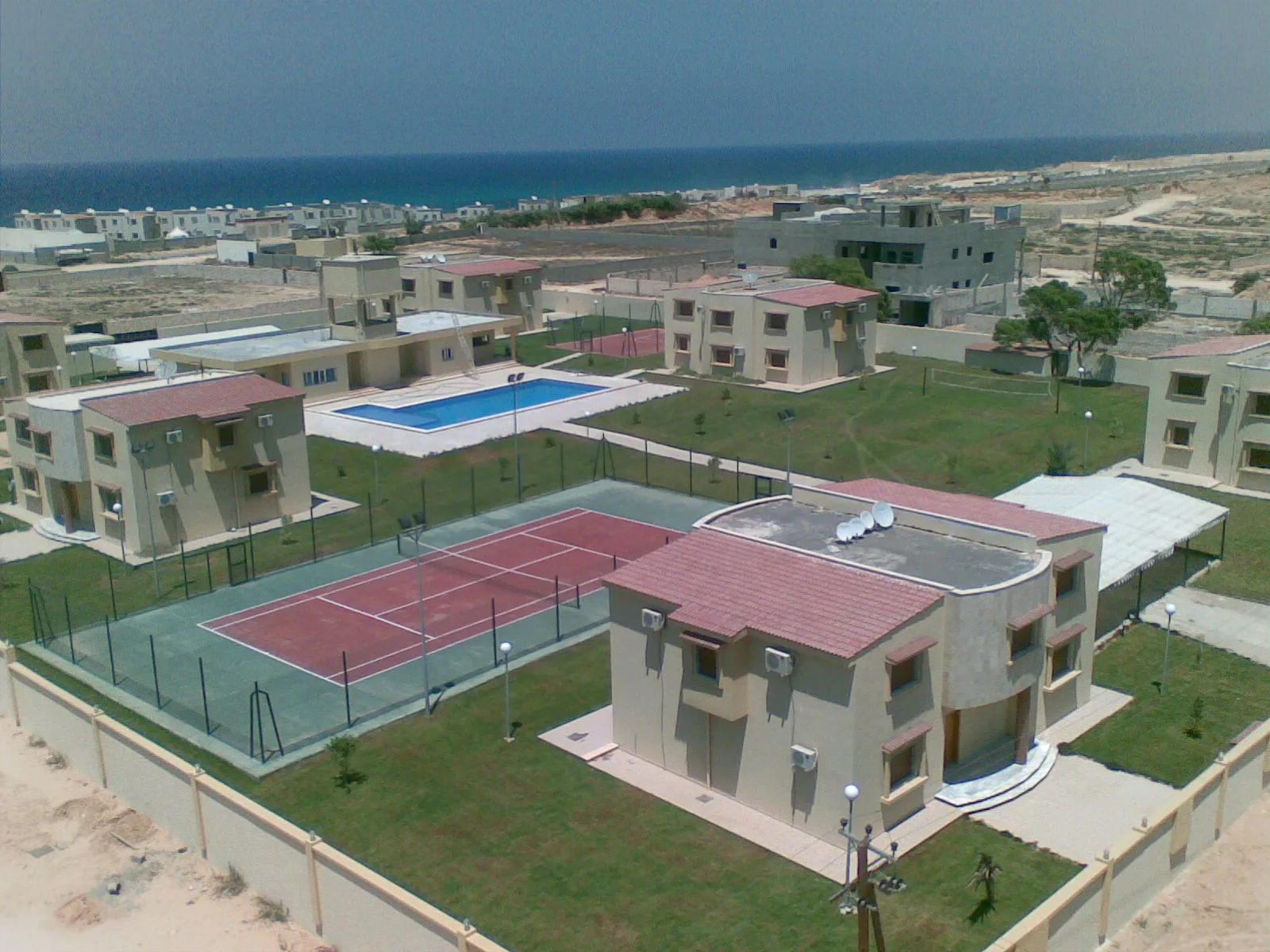
Tarhuna is a prominent city in northwestern Libya, located approximately 80 kilometers southeast of Tripoli. The region is widely recognized for its extensive olive groves and its role as a central hub for agricultural production, particularly olive oil and grains. Historically, Tarhuna was a key site of Libyan resistance against Italian colonization during the early 20th century. The city is situated on a high plateau that serves as a transition zone between the fertile coastal plains and the arid interior regions. Archaeological remains of Roman villas and agricultural estates can be found in the vicinity, indicating a millennia-old tradition of cultivation. During the Italian era, significant infrastructure projects were implemented to enhance farming output, traces of which are still evident today. Tarhuna acts as the administrative center for the surrounding district and is a vital marketplace for the rural population. The social fabric of the city is deeply intertwined with traditional tribal affiliations, which continue to play a major role in local governance and community life.
- Location: Libya
- Nearby: Qasr al Qarabulli (35 km)
- Population: ~52.420 (2023)
Best time to visit & climate
The most pleasant time to visit is Apr, May, Oct.
| Jan | Feb | Mar | Apr | May | Jun | Jul | Aug | Sep | Oct | Nov | Dec | |
|---|---|---|---|---|---|---|---|---|---|---|---|---|
| Avg °C | 12 | 12 | 15 | 18 | 22 | 26 | 28 | 29 | 27 | 23 | 18 | 13 |
| Rain mm | 49 | 40 | 23 | 9 | 5 | 2 | 1 | 2 | 27 | 33 | 29 | 49 |
Geography
Facts
- There are an estimated 1 million olive trees in the Tarhuna region.
- The city is situated at an average elevation of 400 meters.
- Tarhuna was a center of the resistance movement led by Ramadan al-Suwayhili.
- The ancient ruins of Senam al-Aref are located near the city.
- The region is well-known for breeding high-quality Arabian horses.
- The area receives an average annual rainfall of 200 to 250 mm.
Explore nearby
Notable places around



Route planner — Car & Motorhome
Where do you start? We build the route here, with stops and country notes along the way.
© OpenStreetMap contributors · OpenRouteService
Sights in the town Tarhuna (1)
Frequently asked questions
How far is Tarhuna from Tripoli?
What is the Tarhuna region economically known for?
Are there ancient ruins in Tarhuna?
What is the geography of Tarhuna like?
What can you do in Tarhuna?
Tarhuna: where is it located?
Tarhuna: when is the best time to visit?
Tarhuna: why is it worth visiting?

Nearby cities

History & landmarks


More places