Plizio Visual Lab

Bogawantalawa Valley
Plizio editorial teamData Sources
valley
—°6
Bogawantalawa Valley (Sri Lanka)

Weather…

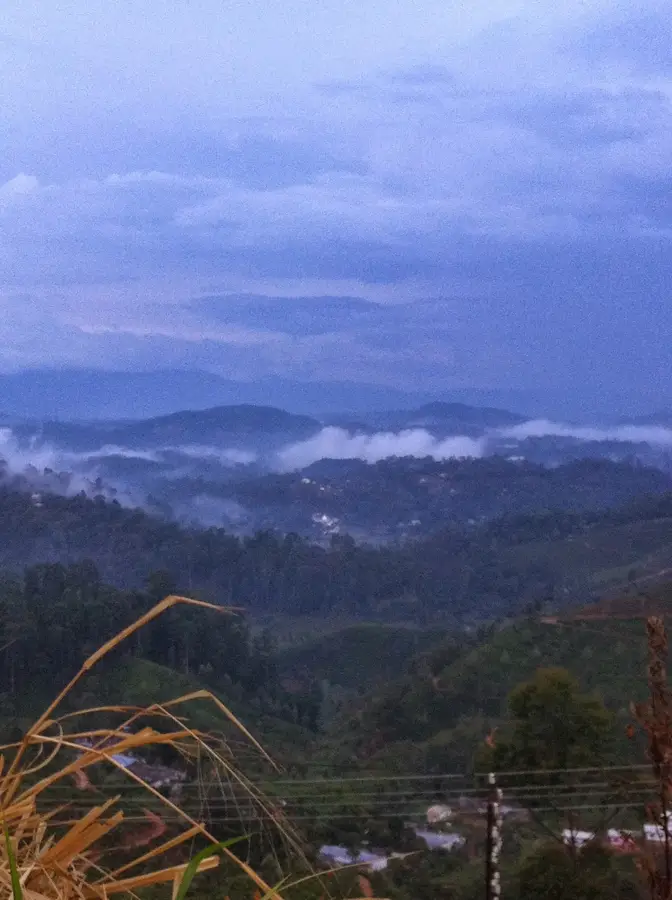
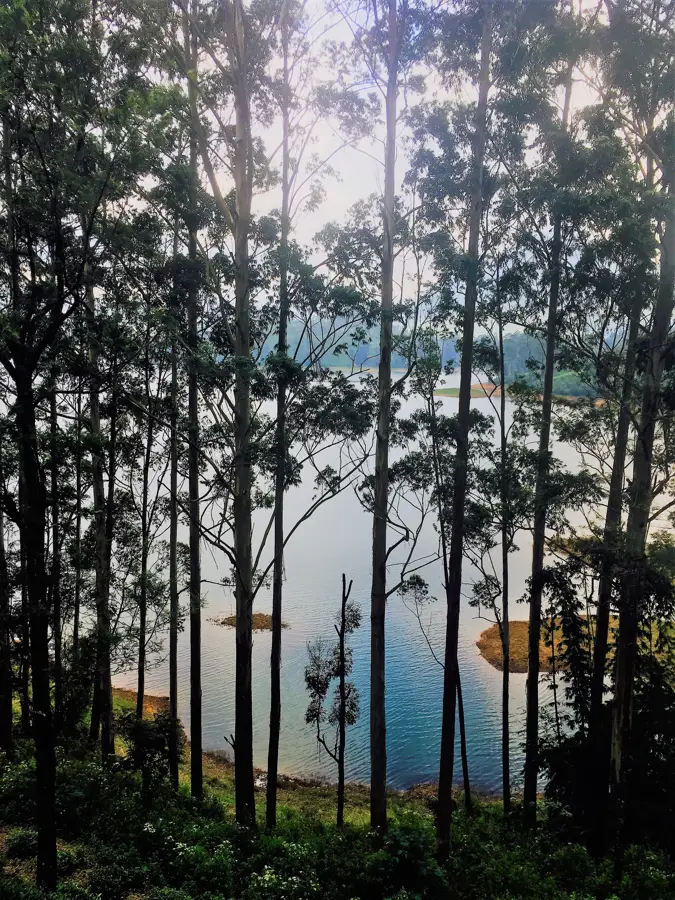
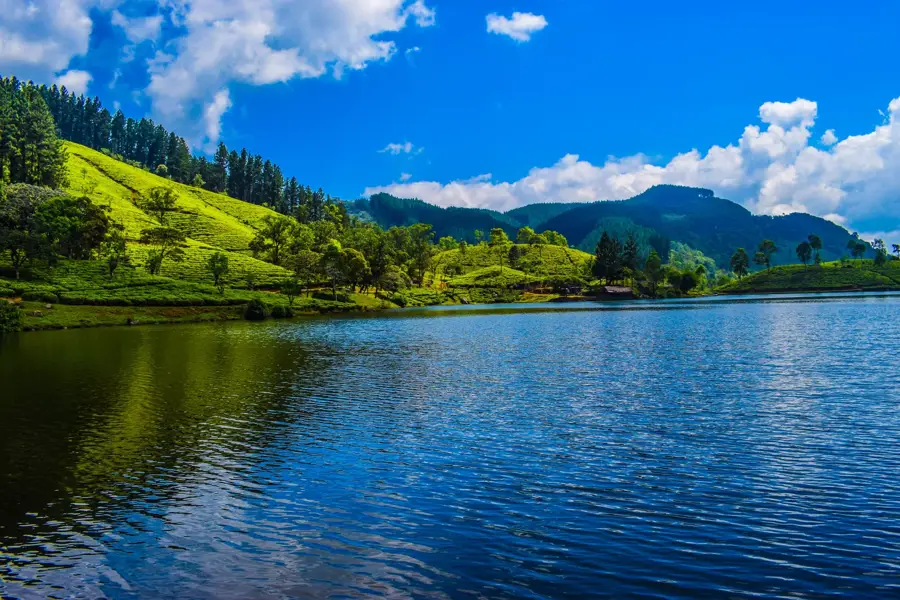
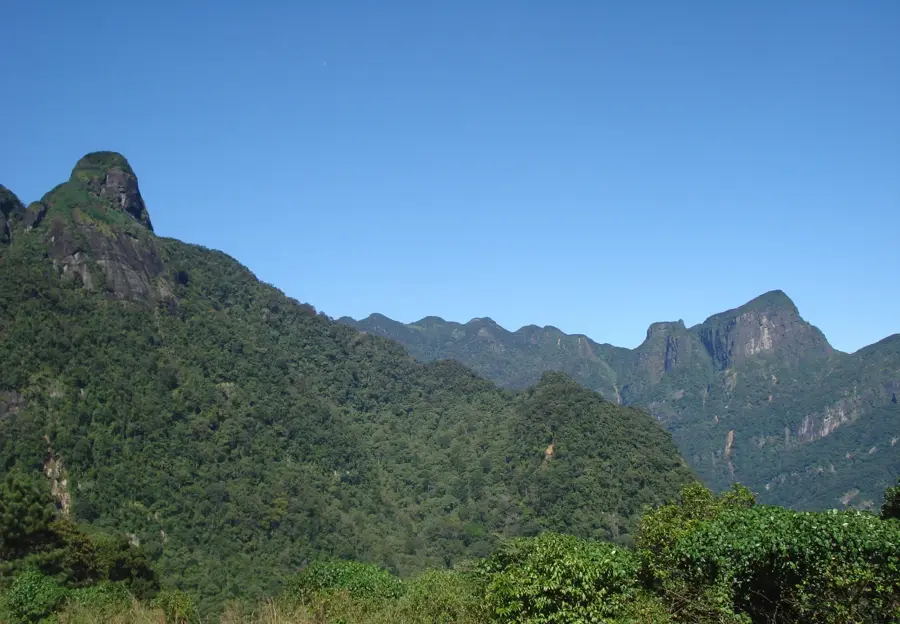
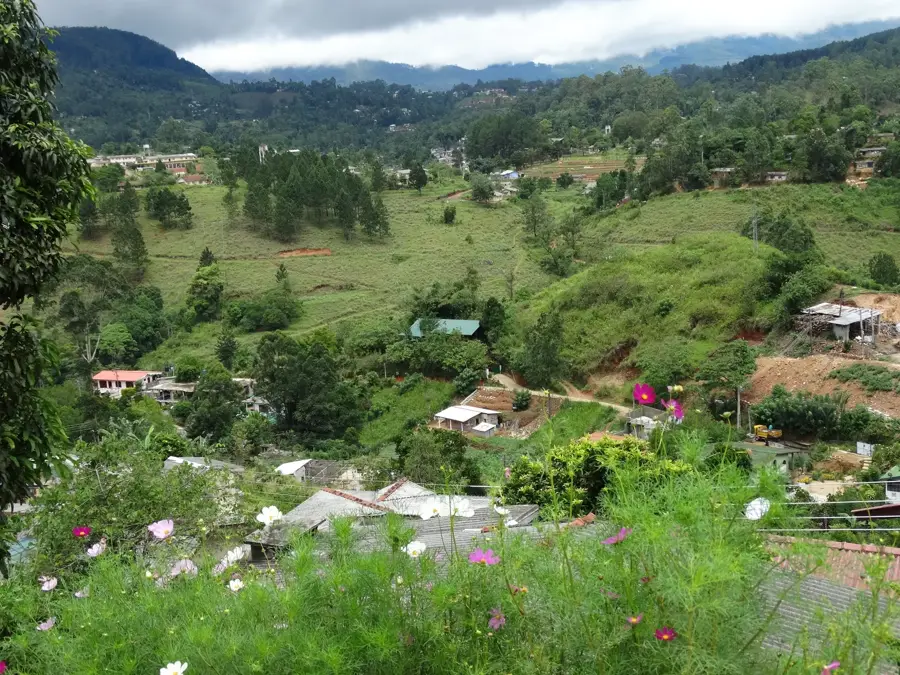
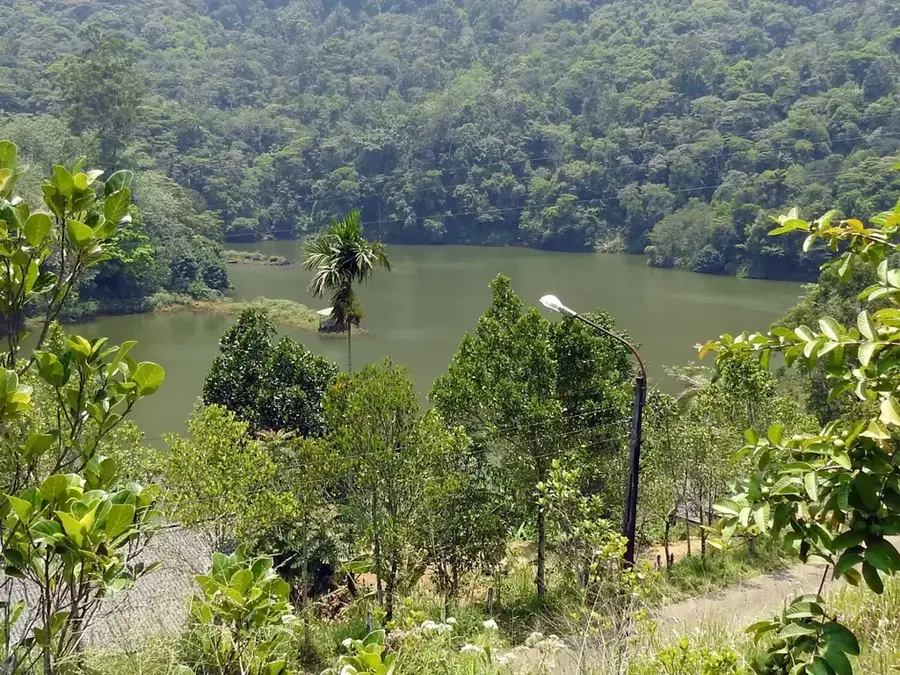
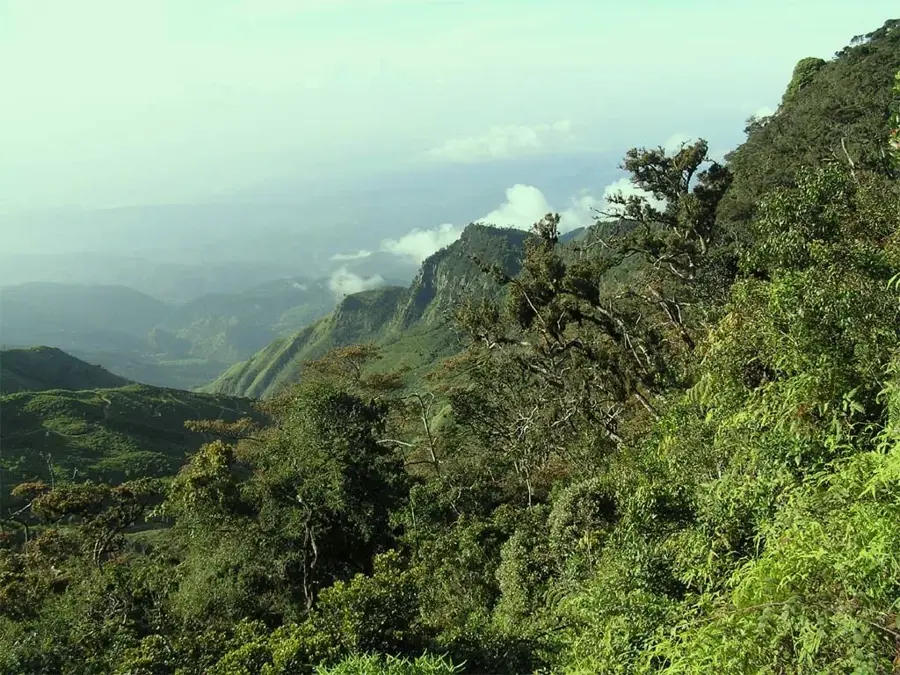
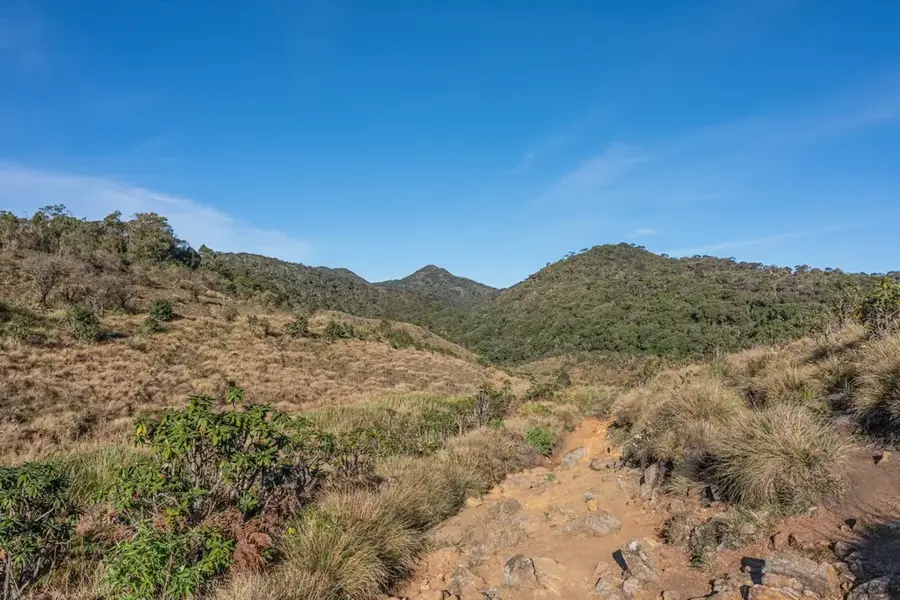
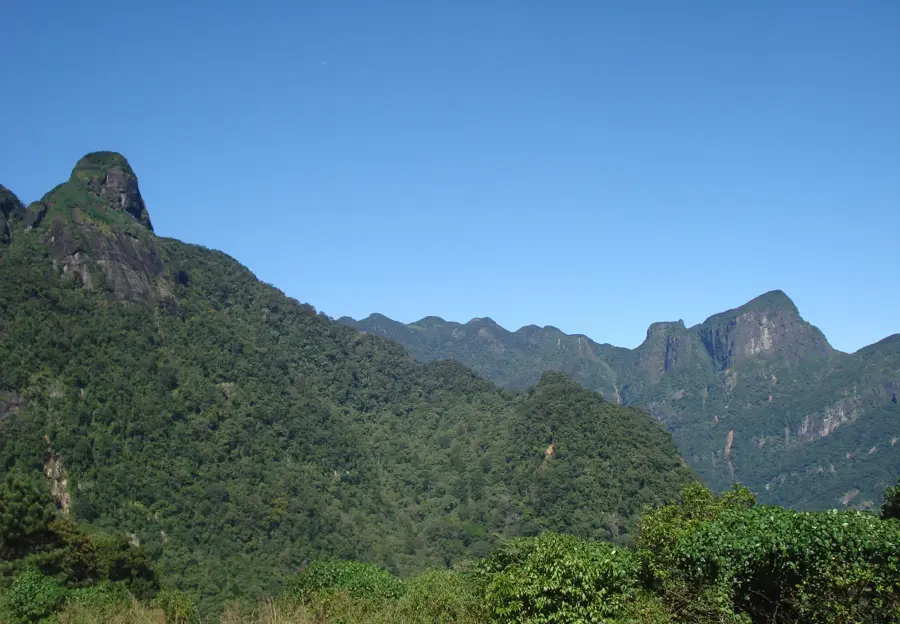
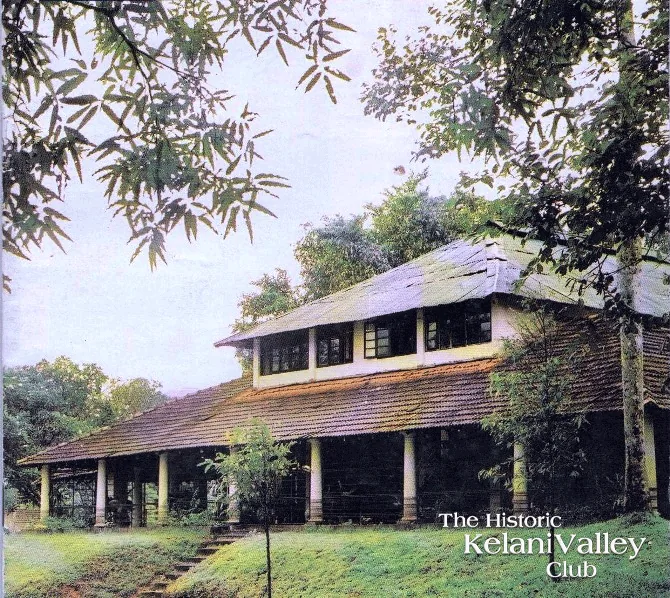
Bogawantalawa Valley, often referred to as the 'Golden Valley of Tea', is situated in the Central Highlands of Sri Lanka at an elevation of approximately 1500 meters. It is globally renowned for producing some of the highest quality Ceylon tea, sourced from the vast, emerald-green estates that carpet the valley floor. Geologically, the valley is an expansive high-altitude basin framed by the peaks of the Central Massif, benefiting from fertile soils and a cool, moist climate. The history of the valley is deeply intertwined with the British colonial era, specifically the late 19th century when coffee plantations were replaced by tea gardens following the coffee blight. Numerous historic colonial-era bungalows and factories remain operational today, preserving the region's heritage. The valley also holds ecological significance as it borders the Horton Plains National Park, acting as a vital corridor for wildlife such as the Sri Lankan leopard. The easy on the eye landscape is further enhanced by shimmering reservoirs and mist-covered mountain tops.

Best time to visit & climate

The most pleasant time to visit is Jan, Feb, Jul.

JanFebMarAprMayJunJulAugSepOctNovDec
Avg °C212223242423232323232222
Rain mm109861051751641018292129234274212

📋 Practical info

🧭
Getting there
The highland valley is typically accessed via winding, highly scenic mountain roads that lead into the region from larger surrounding towns such as Hatton.
📅
Best season
The best time to visit is generally during the drier months from December to April, when the sweeping tea plantations are brilliantly green and the weather is mild.
⛰️
Terrain & paths
The terrain is characterized by gently rolling green hills, terraced tea plantations, and occasionally steep slopes that are crisscrossed by small, rustic walking paths.
🎒
What to bring
Comfortable walking shoes are handy for strolling through the plantations; additionally, pack light rain gear and a warm extra layer for the notably chilly evenings.
🅿️
Parking
Parking spaces are usually found at the local tea factories, guesthouses, or within the small valley villages, where vehicles can safely remain during your walks.
⚠️
Safety
Surefootedness is required on the often narrow, uneven paths through the plantations, and one should always be well-prepared for sudden weather changes and dense fog.
⏱️
Time needed
A visit can easily range from a leisurely, multi-hour walk through the fields to a highly relaxing multi-day stay amidst the photogenic and historic tea estates.

Geography

Coordinates
6.81170, 80.59860

Facts

  • The valley is situated at an average elevation of 1500 meters.
  • It is home to the Norwood and Castlereagh tea estates.
  • The valley's geography creates a unique micro-climate for tea growth.
  • It was historically settled by British pioneers in the 1860s.
  • The region serves as a watershed for the upper Mahaweli River basin.
  • Luxury tourism is prevalent due to restored colonial tea planters' bungalows.

Explore nearby

Notable places around
Route planner — Car & Motorhome

Where do you start? We build the route here, with stops and country notes along the way.

Vehicle
Only stops with (optional):

© OpenStreetMap contributors · OpenRouteService

Sights in the town Bogawantalawa Valley (6)

Pekoe Trail Start Stage 9📍 landmark

The starting point for Stage 9 of the Pekoe Trail, leading hikers through historic tea estates.

Elbedda🌿 nature

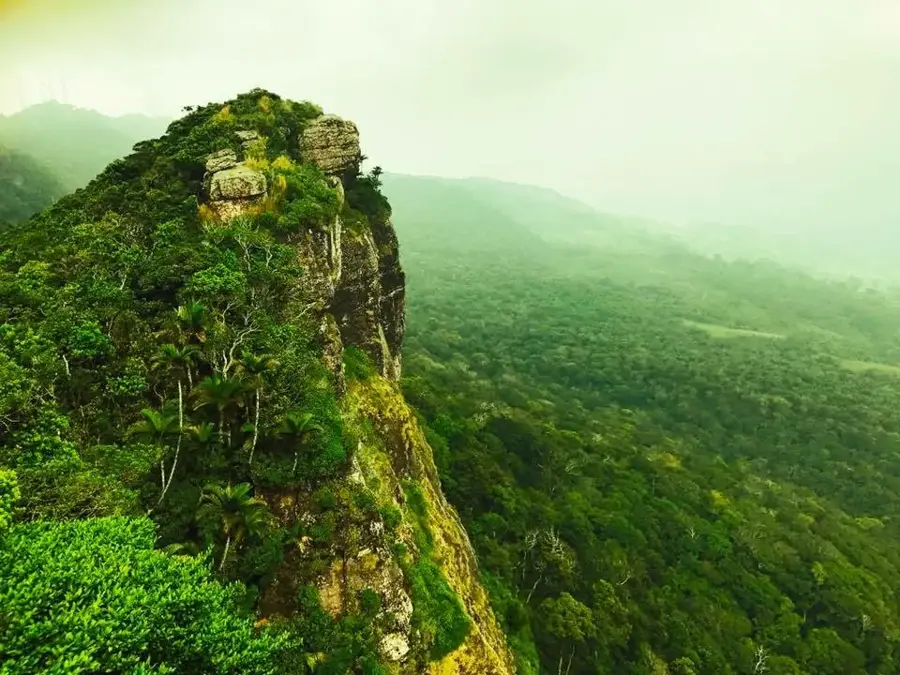
A prominent mountain peak in the central highlands, offering wide views over the Bogawantalawa Valley.

Sri Pada Falls Viewpoint🌿 nature

A vantage point providing a clear view of the cascading Sri Pada Falls.

Pekoe Trail Start Stage 8📍 landmark

The start of Stage 8 of the Pekoe Trail, a hiking route through the pretty hill country.

Castlereigh Reservoir Viewpoint🌿 nature

A viewpoint overlooking the turquoise Castlereigh Reservoir, surrounded by verdant tea hills.

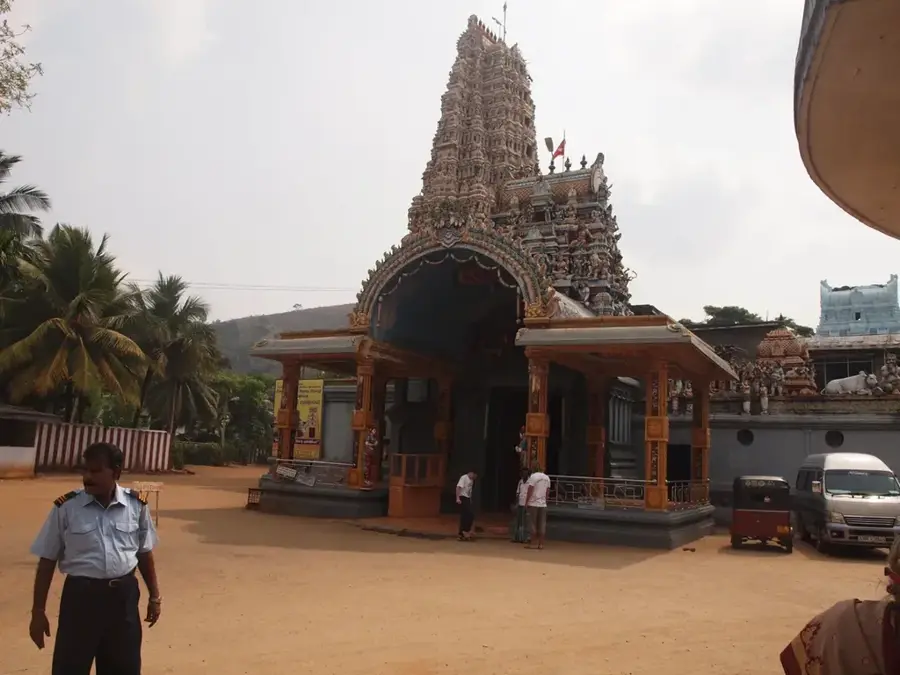
Sri muththumariyamman📍 landmark

A Hindu temple dedicated to Goddess Mariamman in the fertile Bogawantalawa region.

Sights nearby

Frequently asked questions

Why is Bogawantalawa called the 'Golden Valley'?
It is known for producing some of the finest and highest-quality teas in the world.
What can you do in the valley?
Hikes through endless tea fields, factory visits, and stays in colonial-style bungalows.
What is the weather like in Bogawantalawa Valley?
Often cool and misty in the mornings, giving the tea its special aroma; great for hiking.
How do you reach the valley?
Best from Hatton by car or the famous train, followed by a short drive.
Are there luxury accommodations there?
Yes, the famous 'Ceylon Tea Trails' bungalows offer first-class service in the heart of the plantations.
Bogawantalawa Valley: where is it located?
Bogawantalawa Valley is located in Sri Lanka.
Bogawantalawa Valley: what is there to see?
Highlights include Pekoe Trail Start Stage 9, Elbedda, Sri Pada Falls Viewpoint.
Bogawantalawa Valley: when is the best time to visit?
The most pleasant time to visit is Jan, Feb, Jul.
Bogawantalawa Valley: why is it worth visiting?

Bogawantalawa Valley, often referred to as the 'Golden Valley of Tea', is situated in the Central Highlands of Sri Lanka at an elevation of approximately 1500 meters.
View on map → The Top 50 Attractions → OpenStreetMap →
Asia
Explore with Plizio Discover more places in Asia
More places in Sri Lanka →

Nearby cities

More places