Plizio Visual Lab

Sierra de Cazorla
Plizio editorial teamData Sources
Mountain
—°6
Sierra de Cazorla (Spain)

Weather…

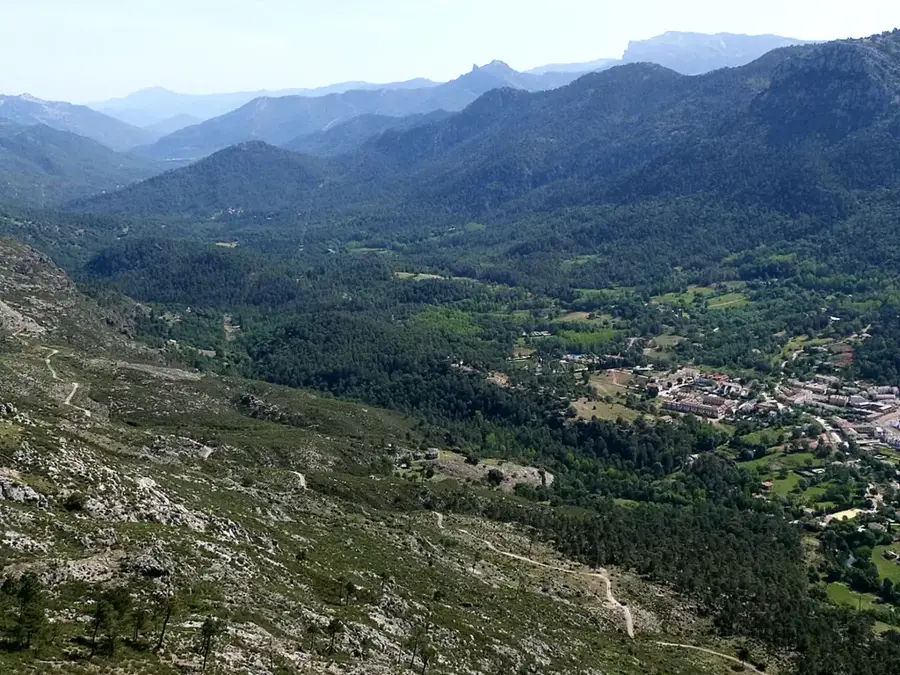
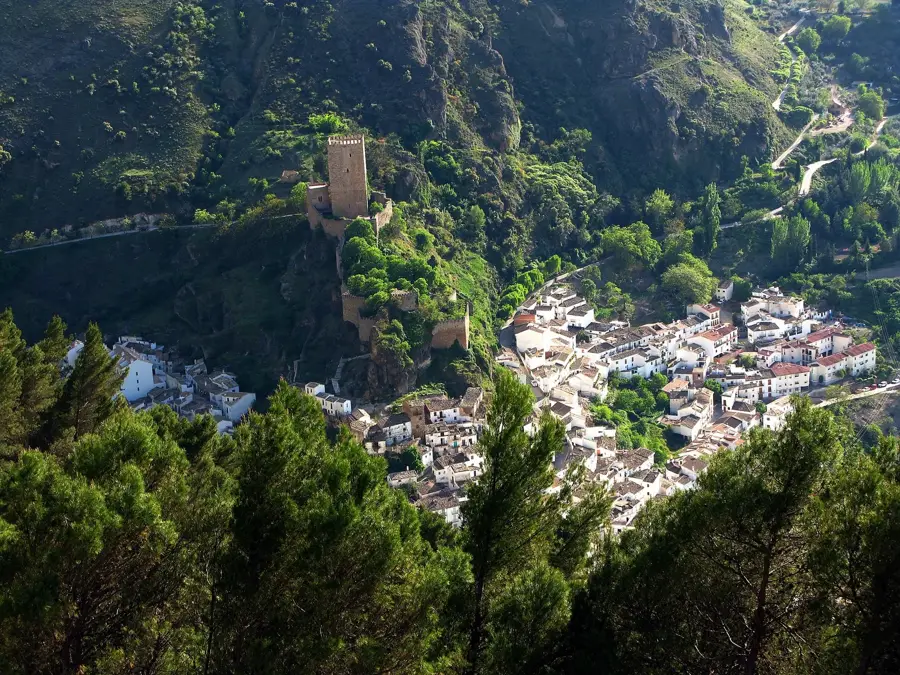
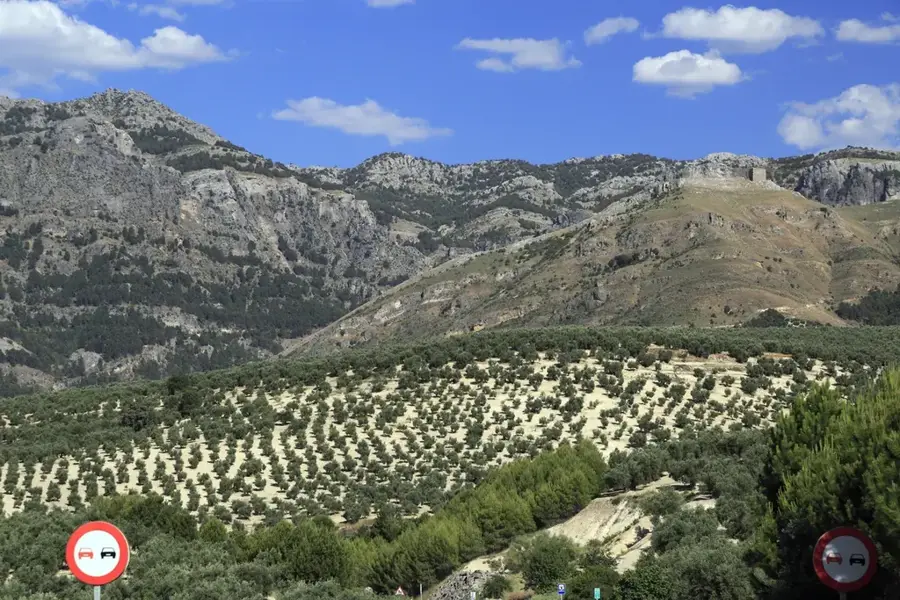
The Sierra de Cazorla is an extensive and densely forested mountain massif in the Andalusian province of Jaén, geologically belonging to the Prebaetic System. This rugged mountain region forms the geographical heart of Spain's largest continuous protected area, the Sierras de Cazorla, Segura y Las Villas Natural Park. From the deep karst springs of these limestone mountains originates the Guadalquivir, the most important and voluminous river in southern Spain, which begins its long journey to the Atlantic Ocean here. The highest elevation of the mountain range is the Empanadas peak, reaching 2106 meters above sea level. The remote, deeply incised gorges and high-altitude pine forests provide a convenient habitat for immense biological diversity. Over 2000 different plant species flourish here, and the region serves as a crucial refuge for the Spanish ibex, wild boars, and large birds of prey such as the griffon vulture.

Best time to visit & climate

The most pleasant time to visit is May, Jun, Sep.

JanFebMarAprMayJunJulAugSepOctNovDec
Avg °C671013182428272217107
Rain mm3436504328103728424740

📋 Practical info

🧭
Getting there
Access to this part of the Prebaetic System is usually managed via regional highways, leading explorers to designated starting points in the adjacent valleys. Many travelers appreciate the well-maintained approach routes that connect the tranquil local villages directly to the primary trailheads.
📅
Best season
The most favorable months for an excursion here are typically during the mild spring and early autumn, avoiding the extreme summer heat or winter snows. During these periods, the natural lighting also creates excellent photographic opportunities across the expansive valleys and elevated ridges.
⛰️
Terrain & paths
The natural landscape here features predominantly challenging trails, characterized by extensive protected nature reserves, which are typical for this altitude. Sturdy footwear with excellent grip is considered absolutely essential to safely negotiate the frequent loose rocks and uneven ascents.
🎒
What to bring
It is highly recommended to bring sturdy hiking boots, sufficient hydration, and layered clothing to adapt to the changing mountain weather. Additionally, carrying a fully charged mobile phone and a basic first aid kit is strongly advised by local mountain rescue organizations.
🅿️
Parking
Vehicles are generally left at established trailheads or in designated spots near the surrounding rural settlements before beginning the ascent. Arriving early in the morning is highly recommended during peak periods to secure a convenient space close to the main information boards.
⚠️
Safety
General precautions involve informing others of your planned route and being constantly aware of the steep drops and unstable rocks typical here. It is always wise to thoroughly check the local meteorological forecast before setting out, as highland conditions can deteriorate rapidly.
⏱️
Time needed
A typical thorough exploration of the main trails can easily occupy an entire day, while shorter viewpoints might require only a few hours. For those planning to conquer the more remote sections, allocating an early start and plenty of extra time for rest stops is highly advisable.

Geography

Coordinates
37.90000, -2.90000

Explore nearby

Notable places around
Route planner — Car & Motorhome

Where do you start? We build the route here, with stops and country notes along the way.

Vehicle
Only stops with (optional):

© OpenStreetMap contributors · OpenRouteService

Sights in the town Sierra de Cazorla (6)

Centro de Interpretación de la Cultura de la Madera🏛 museum

A museum in Sierra de Cazorla documenting the history and techniques of wood culture in the region.

Cascada de Linarejos🌿 nature

A prominent viewpoint in Sierra de Cazorla overlooking the Linarejos waterfall.

Mirador Estrecho de los Perales🌿 nature

A panoramic point in Sierra de Cazorla offering wide views over the Estrecho de los Perales area.

Mirador Poyos de la Mesa🌿 nature

A viewpoint in Sierra de Cazorla known for its views toward the Poyos de la Mesa high plateau.

Casa Forestal del Bazar🏺 historical

The ruins of a former forest house in the mountainous region of Sierra de Cazorla.

Cortijo de los Lucios🏺 historical

Ruins of a traditional Andalusian farmhouse in Sierra de Cazorla.

Sights nearby

Frequently asked questions

Where does the Guadalquivir rise?
The source is located in the Sierra de Cazorla (Cañada de las Fuentes).
Is it a large protected area?
It is the largest natural park in Spain.
What animals can be seen there?
Deers, wild boars, and the rare bearded vulture live here.
Can you do water sports there?
Yes, the El Tranco reservoir has canoeing opportunities.
Is the area suitable for mountain biking?
Yes, there are hundreds of kilometers of marked tracks.
Sierra de Cazorla: where is it located?
Sierra de Cazorla is located in Galicia, Spain.
Sierra de Cazorla: what is there to see?
Highlights include Centro de Interpretación de la Cultura de la Madera, Cascada de Linarejos, Mirador Estrecho de los Perales.
Sierra de Cazorla: when is the best time to visit?
The most pleasant time to visit is May, Jun, Sep.
Sierra de Cazorla: why is it worth visiting?

The Sierra de Cazorla is an extensive and densely forested mountain massif in the Andalusian province of Jaén, geologically belonging to the Prebaetic System.
View on map → The Top 50 Attractions → Most beautiful beaches → OpenStreetMap →
Europe
Explore with Plizio Discover more places in Europe
More places in Spain →

Nearby cities

History & landmarks