Plizio Visual Lab

Sierra de Ayllón
Plizio editorial teamData Sources
Mountain
—°
Sierra de Ayllón (Spain)

Weather…

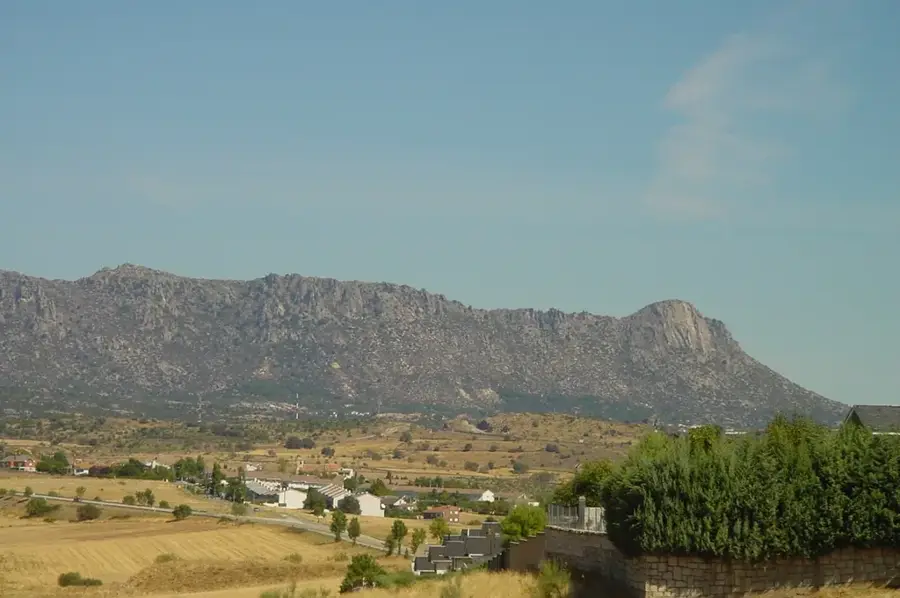
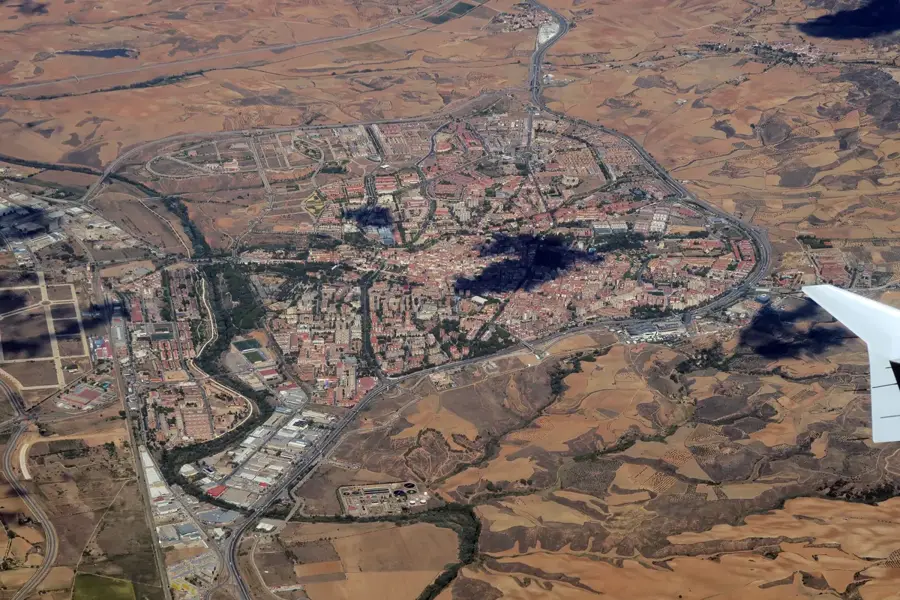
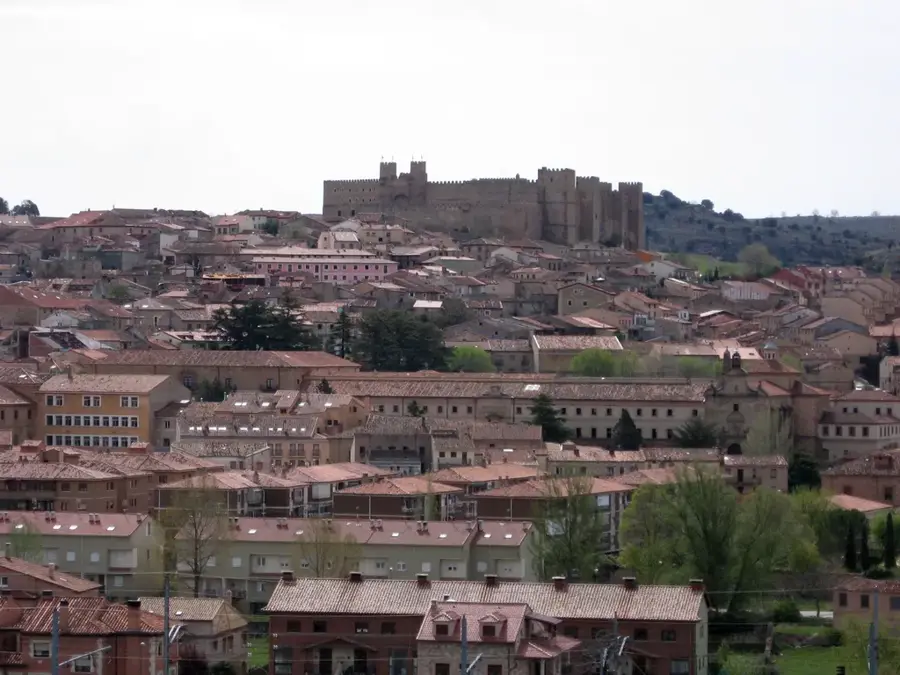
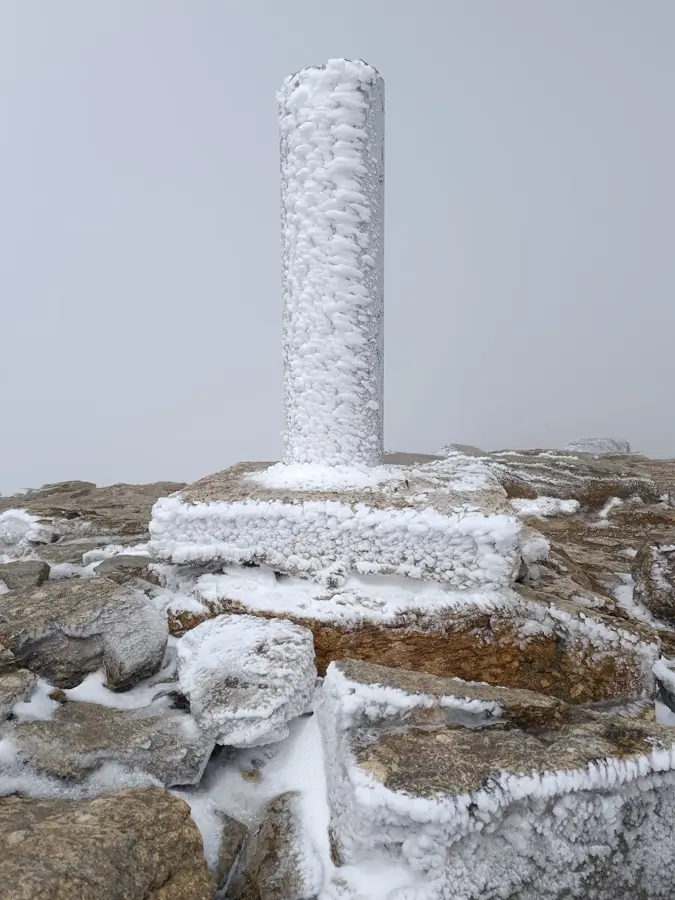
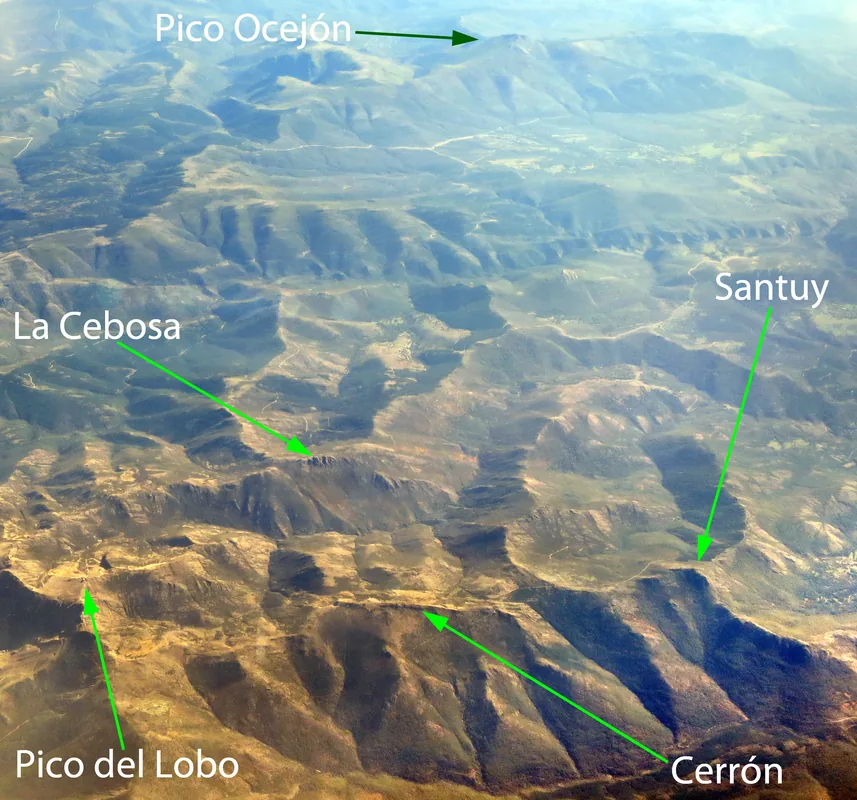
The Sierra de Ayllón forms the eastern segment of Spain's Central System, extending across the provinces of Guadalajara, Segovia, and Madrid. This mountain range is distinguished by its geological composition, where slate and quartzite dominate the landscape, giving it a dark and rugged appearance. With Pico del Lobo as its highest peak (2,224 meters), the Sierra acts as a crucial watershed for central Spain, serving as the source for rivers like the Jarama and Sorbe. A unique feature is the Hayedo de Tejera Negra, one of Europe's southernmost beech forests and a UNESCO World Heritage site. The region is sparsely populated and famous for its 'Black Villages' (Pueblos Negros), built entirely from dark local slate. The mountain climate brings cold, snowy winters and short, mild summers, supporting specialized high-altitude flora and fauna.

Best time to visit & climate

The most pleasant time to visit is Jun–Aug.

JanFebMarAprMayJunJulAugSepOctNovDec
Avg °C236913192222171263
Rain mm484453595130131727726349

📋 Practical info

🧭
Getting there
To reach the Sierra de Ayllón area, visitors typically start their journey from nearby regional towns, using local roads that wind through the natural terrain. Many travelers appreciate the well-maintained approach routes that connect the tranquil local villages directly to the primary trailheads.
📅
Best season
For the optimal outdoor experience, travelers generally prefer the transitional seasons when the local climate in Guadalajara and Segovia remains relatively temperate. During these periods, the natural lighting also creates excellent photographic opportunities across the expansive valleys and elevated ridges.
⛰️
Terrain & paths
The natural landscape here features predominantly challenging trails, characterized by prominent peaks like Pico del Lobo, which are typical for this altitude. Sturdy footwear with excellent grip is considered absolutely essential to safely negotiate the frequent loose rocks and uneven ascents.
🎒
What to bring
Essential equipment for this environment generally includes reliable trekking poles, windproof jackets, and a comprehensive regional topographical map. Additionally, carrying a fully charged mobile phone and a basic first aid kit is strongly advised by local mountain rescue organizations.
🅿️
Parking
Official parking zones are usually located at the lower elevations, from where most recognized walking routes into the massif naturally begin. Arriving early in the morning is highly recommended during peak periods to secure a convenient space close to the main information boards.
⚠️
Safety
General precautions involve informing others of your planned route and being constantly aware of the steep drops and unstable rocks typical here. It is always wise to thoroughly check the local meteorological forecast before setting out, as highland conditions can deteriorate rapidly.
⏱️
Time needed
Most guided and independent excursions in this sector generally last anywhere from a half-day trek to a multi-day challenging outdoor adventure. For those planning to conquer the more remote sections, allocating an early start and plenty of extra time for rest stops is highly advisable.

Geography

Coordinates
41.15000, -3.35000

Facts

  • Pico del Lobo is the highest peak in the province of Guadalajara at 2,274 meters.
  • The Tejera Negra beech forest core area covers approximately 400 hectares.
  • The mountain range stretches for a length of about 40 kilometers.
  • The region is home to significant nesting colonies of Griffon vultures.
  • The 'Black Villages,' such as Campillo de Ranas, are architecturally unique.
  • Remnants of glacial cirques can be found within the Sierra de Ayllón.

Explore nearby

Notable places around

Route planner — Car & Motorhome

Where do you start? We build the route here, with stops and country notes along the way.

Vehicle
Only stops with (optional):

© OpenStreetMap contributors · OpenRouteService

Sights nearby

Frequently asked questions

What are the 'Black Villages' (Pueblos Negros)?
Villages like Majaelrayo, whose houses are traditionally built from black slate.
Where is the Hayedo de Tejera Negra beech forest located?
On the northern slopes of Sierra de Ayllón; it is one of the southernmost beech forests in Europe.
Which peak is the highest in this range?
Pico del Lobo is the highest peak in Sierra de Ayllón at 2274 meters.
Is a reservation needed for the beech forest?
Yes, especially in autumn, an online reservation is required for the parking lot in the national park.
Can you ski there?
The La Pinilla ski resort is located on the slopes of Sierra de Ayllón near Segovia.
Sierra de Ayllón: where is it located?
Sierra de Ayllón is located in Galicia, Spain.
Sierra de Ayllón: when is the best time to visit?
The most pleasant time to visit is Jun, Aug.
Sierra de Ayllón: why is it worth visiting?

The Sierra de Ayllón forms the eastern segment of Spain's Central System, extending across the provinces of Guadalajara, Segovia, and Madrid.
View on map → The Top 50 Attractions → Most beautiful beaches → OpenStreetMap →
Europe
Explore with Plizio Discover more places in Europe
More places in Spain →

Nearby cities

History & landmarks