Plizio Visual Lab

Sierra de la Cabrera
Plizio editorial teamData Sources
Mountain
—°5
Sierra de la Cabrera (Spain)

Weather…

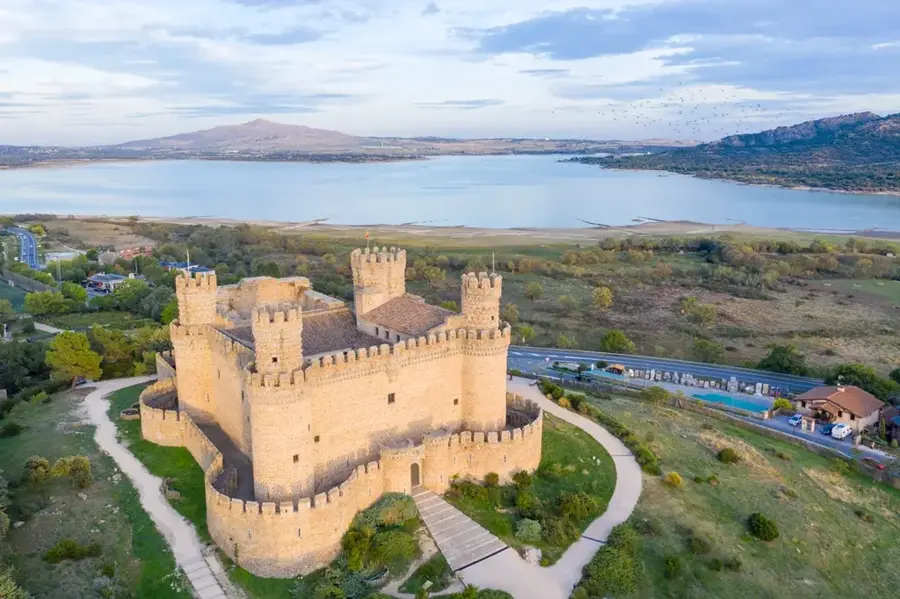
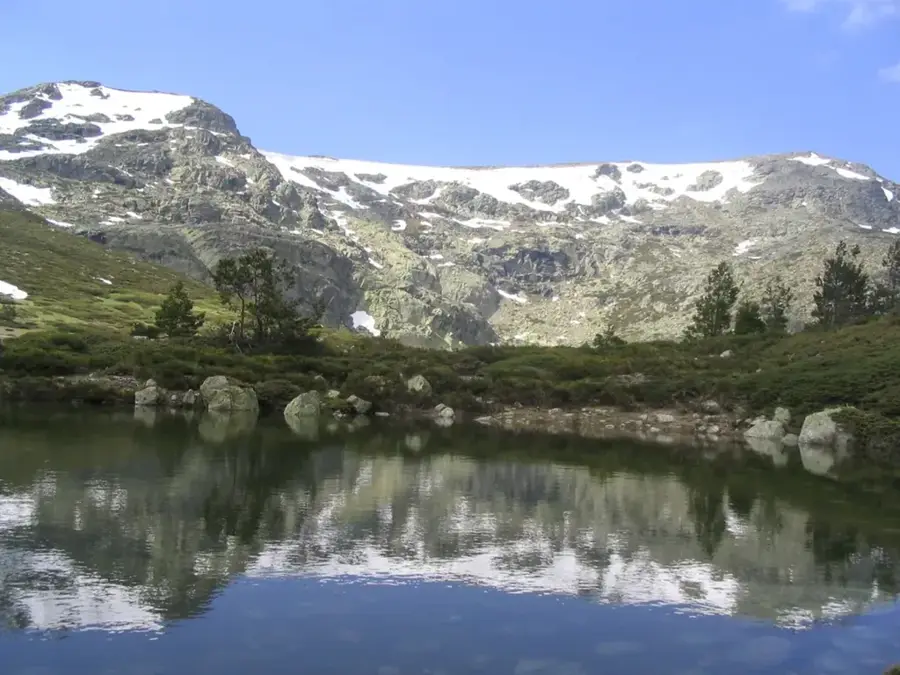
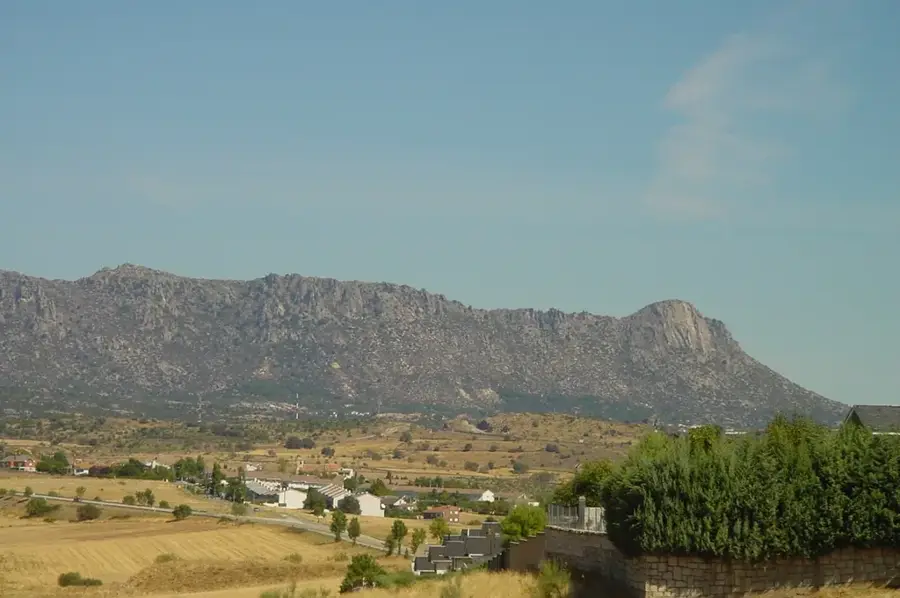
The Sierra de la Cabrera is a distinctive granite massif in northern Madrid, part of the Carpetano-Vetónica range within the Central System. This mountain group is characterized by its jagged peaks and bizarre rock formations created by the long-term erosion of the granite. The most famous summit is Pico de la Miel, which is a premier destination for rock climbers across the region due to its steep vertical faces. Geologically, the Sierra is an excellent example of a horst structure uplifted during the Alpine orogeny. Set among the rocks lies the medieval monastery of San Julián y San Antonio, a testament to the historical settlement of this rugged terrain. The vegetation is typically Mediterranean, consisting of rockroses, junipers, and scattered holm oaks adapted to the thin soil. Due to its proximity to the capital, the Sierra serves as a major recreational area for the citizens of Madrid.

Best time to visit & climate

The most pleasant time to visit is Jun–Aug.

JanFebMarAprMayJunJulAugSepOctNovDec
Avg °C236913192222171263
Rain mm484453595130131727726349

📋 Practical info

🧭
Getting there
Access to this part of the Central System is usually managed via regional highways, leading explorers to designated starting points in the adjacent valleys. Many travelers appreciate the well-maintained approach routes that connect the tranquil local villages directly to the primary trailheads.
📅
Best season
For the optimal outdoor experience, travelers generally prefer the transitional seasons when the local climate in Community of Madrid remains relatively temperate. During these periods, the natural lighting also creates excellent photographic opportunities across the expansive valleys and elevated ridges.
⛰️
Terrain & paths
The natural landscape here features predominantly challenging trails, characterized by steep granite mountain ranges, which are typical for this altitude. Sturdy footwear with excellent grip is considered absolutely essential to safely negotiate the frequent loose rocks and uneven ascents.
🎒
What to bring
Essential equipment for this environment generally includes reliable trekking poles, windproof jackets, and a comprehensive regional topographical map. Additionally, carrying a fully charged mobile phone and a basic first aid kit is strongly advised by local mountain rescue organizations.
🅿️
Parking
Official parking zones are usually located at the lower elevations, from where most recognized walking routes into the massif naturally begin. Arriving early in the morning is highly recommended during peak periods to secure a convenient space close to the main information boards.
⚠️
Safety
It is important to heed local advisories regarding trail conditions, especially given the remote nature of the terrain and limited mobile reception. It is always wise to thoroughly check the local meteorological forecast before setting out, as highland conditions can deteriorate rapidly.
⏱️
Time needed
Most guided and independent excursions in this sector generally last anywhere from a half-day trek to a multi-day challenging outdoor adventure. For those planning to conquer the more remote sections, allocating an early start and plenty of extra time for rest stops is highly advisable.

Geography

Coordinates
40.85000, -3.60000

Facts

  • Pico de la Miel stands at approximately 1,392 meters high.
  • The Sierra de la Cabrera range stretches for a length of only 4 kilometers.
  • The monastery of San Julián y San Antonio dates back to the 11th century.
  • Granite is the dominant rock type throughout the entire formation.
  • The region is known for quarries that supplied building materials to Madrid.
  • The highest peak in the range is Cancho Gordo at 1,564 meters.

Explore nearby

Notable places around
Route planner — Car & Motorhome

Where do you start? We build the route here, with stops and country notes along the way.

Vehicle
Only stops with (optional):

© OpenStreetMap contributors · OpenRouteService

Sights in the town Sierra de la Cabrera (5)

Castro Celta - Arévaco🏺 historical

Archaeological remains of an ancient Celtic settlement in the mountains.

Zona Arqueológica La Cabrera🏺 historical

An area containing archaeological finds from various historical periods.

Pico De La Miel📍 landmark

A prominent granite peak that is very popular among rock climbers.

Centro Comarcal de Humanidades Cardenal Gonzaga🎭 culture

A regional cultural center hosting exhibitions and various events.

Sights nearby

Frequently asked questions

What is Pico de la Miel?
A prominent granite dome, especially popular with climbers and hikers in the Madrid region.
How far is it from Madrid?
It is located about 60 km north of Madrid and reachable via the A-1 in about 45 minutes.
Are there historical sights there?
The Monastery of San Antonio in La Cabrera is a significant Romanesque building at the foot of the mountains.
Is the terrain suitable for beginning climbers?
Yes, the granite has many routes of various difficulty levels, including for beginners.
Is there shade on the hiking trails?
Very little. The trails are mostly rocky and exposed, so sun protection is important.
Sierra de la Cabrera: where is it located?
Sierra de la Cabrera is located in Galicia, Spain.
Sierra de la Cabrera: what is there to see?
Highlights include Castro Celta - Arévaco, Tumba del Moro, Zona Arqueológica La Cabrera.
Sierra de la Cabrera: when is the best time to visit?
The most pleasant time to visit is Jun, Aug.
Sierra de la Cabrera: why is it worth visiting?

The Sierra de la Cabrera is a distinctive granite massif in northern Madrid, part of the Carpetano-Vetónica range within the Central System.
View on map → The Top 50 Attractions → Most beautiful beaches → OpenStreetMap →
Europe
Explore with Plizio Discover more places in Europe
More places in Spain →

Nearby cities

History & landmarks