Feast of Saint James the Apostle
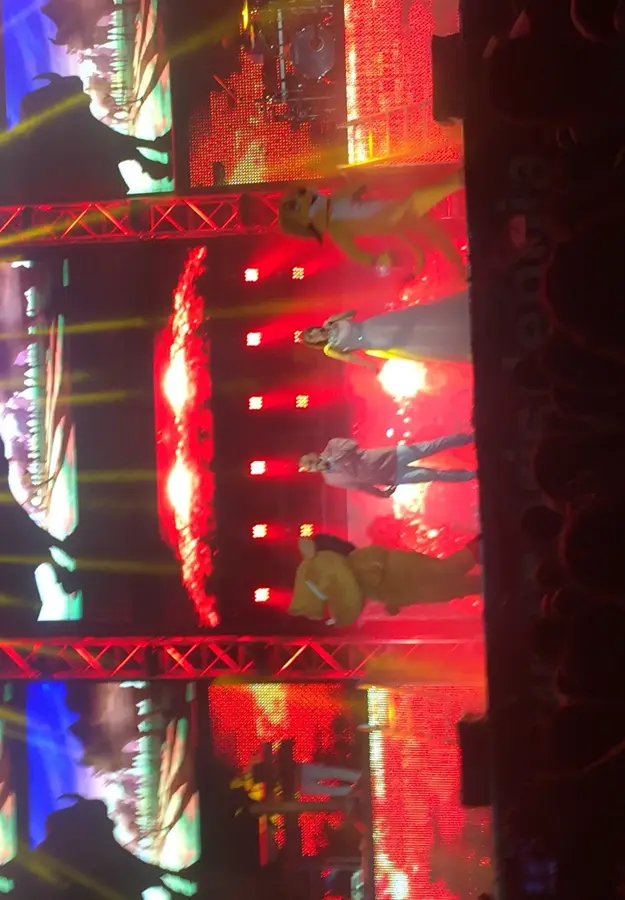
The city's main festival around 25 July honouring Saint James the Apostle, patron of Galicia. The highlight is the firework display at the cathedral on the eve (Fuegos del Apóstol).
PlizioGo
Galician-style octopus with paprika and olive oil, traditionally served on a wooden plate.
A moist almond cake identifiable by the St. James cross dusted in sugar on top.
The region's signature white wine, crisp and great with any local seafood dish.
A lively food market, first-rate for buying local Tetilla cheese and Galician cured meats.
A beautiful arcaded street famous for its silver and jet (azabache) jewelry shops.
The city's main park, offering the iconic postcard view of the Cathedral spires.
A peaceful hillside park set in a former monastery's grounds, away from the crowds.
Water temperature…
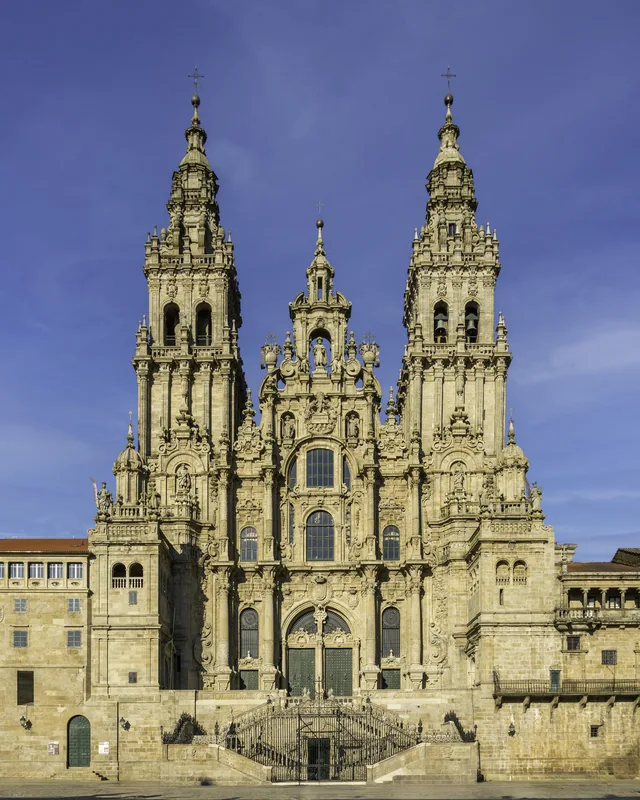
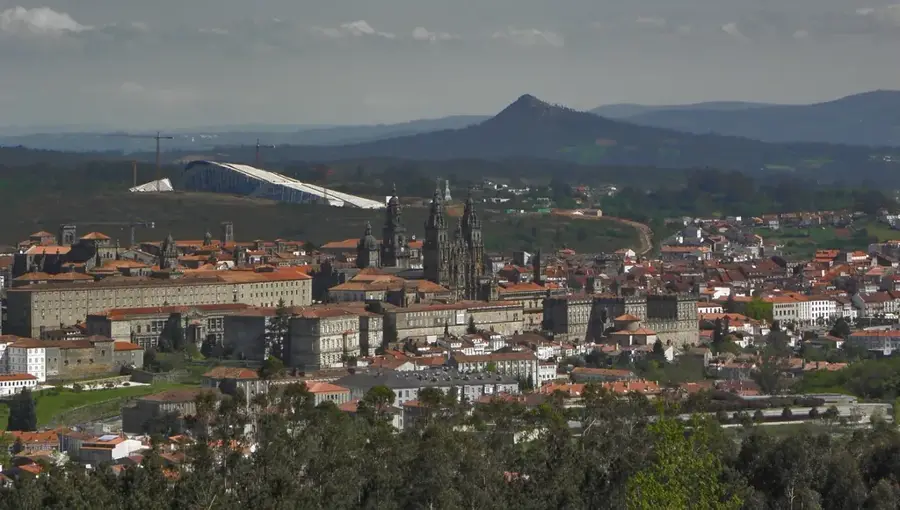
Santiago de Compostela, the capital of the autonomous community of Galicia, is one of Europe's most significant spiritual and cultural landmarks. The city achieved worldwide prominence in the 9th century following the discovery of what was believed to be the tomb of Saint James the Apostle. This event established Santiago as the terminus of the Camino de Santiago, a pilgrimage route that has shaped European cultural exchange for over a thousand years. The monumental Cathedral, with its magnificent Baroque facade and the Romanesque 'Pórtico de la Gloria,' serves as the city's spiritual heart. Its entire Old Town was designated a UNESCO World Heritage site in 1985, celebrated for its granite buildings, narrow streets, and arched porticoes designed to withstand the frequent Galician rains. Santiago is also home to one of the world's oldest universities, founded in 1495, which infuses the historic environment with a lively student atmosphere. Today, the city seamlessly blends its ancient identity as a pilgrimage destination with its modern role as the administrative and cultural center of Northwest Spain, further distinguished by its world-class seafood and culinary traditions.
The most pleasant time to visit is Jul–Sep.
| Jan | Feb | Mar | Apr | May | Jun | Jul | Aug | Sep | Oct | Nov | Dec | |
|---|---|---|---|---|---|---|---|---|---|---|---|---|
| Avg °C | 9 | 9 | 10 | 12 | 14 | 17 | 19 | 19 | 18 | 15 | 11 | 9 |
| Rain mm | 160 | 111 | 130 | 103 | 77 | 53 | 34 | 43 | 46 | 160 | 167 | 158 |
See what it looks like near Santiago de Compostela right now.
Santiago de Compostela: Praza do Obradoiro · 0.3 km · Open webcam on Windy · Webcams provided by Windy.com
Notable places around
Where do you start? We build the route here, with stops and country notes along the way.
© OpenStreetMap contributors · OpenRouteService
Your day begins in the heart of Santiago, Praza do Obradoiro, admiring the imposing cathedral. In the morning, you'll delve into the sacred atmosphere of the cathedral and the nearby Monastery of San Martiño Pinario, discovering treasures of religious art. Midday takes you to the vibrant Mercado de Abastos. Here, you'll experience local culture and enjoy a lunch of fresh Galician produce, a true delight for the senses. In the afternoon, explore the region's rich history at the Museum of the Galician People before relaxing in the tranquil Alameda Park, which offers a picture-postcard view of the old town. The evening concludes with a look at the plateresque facade of the Hostal de los Reyes Católicos, a perfect end to a day steeped in history and culture.
Start your morning under the protective arcades of Rúa do Vilar as the typical Galician drizzle makes the granite facades shine. Breakfast near Plaza de Obradoiro offers a dramatic view of the cathedral disappearing into the mist. At noon, the Abastos Market provides a perfect covered retreat. Enjoy fresh seafood while listening to the patter of rain on the old roofs. The city's stonework looks particularly mystical in damp weather. The afternoon belongs to museums and monasteries. At the Museum of the Galician People, you stay dry while diving deep into local culture. The short distances between monuments can be covered almost without an umbrella thanks to the many arched walkways. End the evening in a cozy tavern in the old town. The scent of damp stone and wine fills the alleys as the city's yellow lights dance in the puddles on the cobblestone streets.
A winter morning in Santiago is often cool and misty, giving the old town a prayerful silence. The few pilgrims arriving now gather in front of the cathedral while the frost on the statues slowly thaws. At noon, seek the warmth of the small cafes near the market. The scent of roasted chestnuts hangs in the air. Hearty Galician cuisine, like the 'Caldo Gallego' stew, tastes best this time of year and warms you from the inside. In the afternoon, you should visit museums before dusk sets in as early as 5:30 PM. The slanted winter light casts long shadows on Plaza de la Quintana and makes the cathedral glow gold. In the evening, the wine bars fill with locals. The damp cold is quickly forgotten thanks to the warm atmosphere and a glass of local Ribeiro wine. Santiago in winter is authentic, quiet, and deeply spiritual.
Your bike tour starts with a refreshing ride through Alameda Park. From there, you'll cycle to the monumental Praza do Obradoiro, the city's spiritual heart. After visiting the cathedral, you'll head to the bustling Mercado de Abastos. There, you'll take a well-deserved lunch break and sample local delicacies. In the afternoon, you'll visit the Museum of the Galician People to learn about the region's culture. The day concludes with a relaxing ride along the Sarela River, showing you a different, greener side of Santiago.
A bike tour in the rain requires the right gear but offers empty paths. Start in Alameda Park, where the dense trees catch some of the initial drizzle. The ride to Plaza de Obradoiro is over wet granite – ride carefully! The cathedral looks even more monumental and grey in the rain, matching the Galician sky. At noon, park your bike safely at the market and warm up with a portion of 'Pulpo'. The museum then provides an extensive break in the dry before starting the last stage. The return trip along the Sarela River is particularly atmospheric in the rain, as the water level rises and the green of the ferns glows intensely. A real adventure for weatherproof cyclists.
A clear winter morning in Alameda Park offers the best view of the cathedral. The air is fresh and perfect for cycling as long as you wrap up warm. The ride through the granite alleys to Plaza de Obradoiro is quiet in winter, almost without the summer pilgrim crowds. The morning light is ideal for photos of the facades. At noon, the market offers a warm break. A hot tea or soup gives energy for the ride to the museum, where you leave the bikes in the cool shade of the monastery walls. The tour ends with a relaxed ride along the Sarela River. The low winter sun glitters in the water, and the bare trees reveal hidden spots that remain hidden in summer.
Your day by car begins at Alameda Park, where you get a first glimpse of the city's skyline. After a walk, you drive to the center and park near Praza de Galicia. From there, you explore the monumental core on foot: the cathedral, Obradoiro Square, and the historic buildings. For lunch and the afternoon, you drive to the next cluster around Mercado de Abastos. There, you immerse yourself in the market life, enjoy an authentic meal, and then visit the Museum of the Galician People. This cluster strategy allows you to cover long distances comfortably and experience the key areas intensively on foot.
On rainy days, use the underground car parks to explore Santiago in the dry. Park at Alameda Park in the morning and enjoy the view from the car before slipping under your umbrella for a short walk to the viewpoint. Continuing to Praza de Galicia brings you directly into the heart of the city. From there, you can reach the cathedral via the arcade-lined streets, almost without getting wet. The rain makes the granite of Plaza de Obradoiro look dark and imposing. At noon, the underground parking at Mercado de Abastos offers direct access to culinary delights. While it's stormy outside, you enjoy Galician specialties inside. The afternoon in the museum is the ideal conclusion. You can leave the car nearby and start your journey home comfortably and dry after the museum visit, as the city lights blur in the rain.
A winter day by car starts relaxed. Park at Alameda Park and enjoy the clear, cold morning air on the short walk to the viewpoint, from which the cathedral rises majestically out of the haze. Driving through the city is stress-free in winter as there is less traffic. Park at Praza de Galicia and stroll through the cool but dry alleys to the cathedral. The light of the low sun makes the granite facades shimmer gold. At noon, parking at the market is ideal for getting into the warmth of the market halls without detours. Try the region's winter specialties in one of the small restaurants. After the museum visit in the afternoon, when it is already getting cool, the preheated car offers a comfortable retreat. The drive through Christmas-lit Santiago is a beautiful end to the day.