Plizio Visual Lab
Ruins of Labitolosa
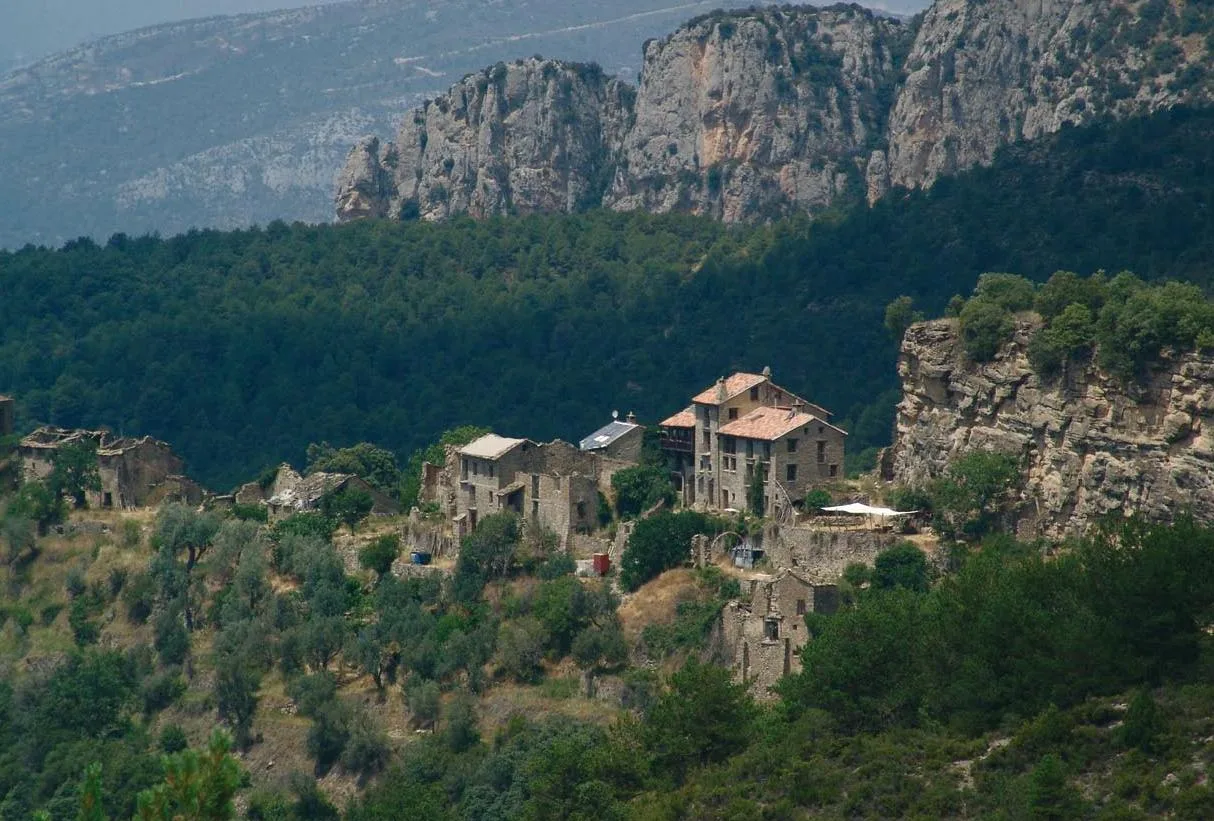
The ruins of Labitolosa are located near La Puebla de Castro in the province of Huesca and represent one of the most significant Roman archaeological sites in Aragon. The city was founded in the 1st century BC on a strategic hill and reached its peak during the 1st and 2nd centuries AD under the Flavian dynasty. Particularly noteworthy is the state of preservation of its public buildings, especially the thermal baths, which still feature their original heating systems and mosaics. The city's forum houses an exceptionally well-preserved Curia, where the municipal council met, providing essential inscriptions for the study of local administration. Despite its relative isolation, Labitolosa was a flourishing center until it was gradually abandoned in the 3rd century AD. Systematic excavations that began in 1991 have brought to light details about daily life and urban organization on the periphery of the Roman Empire.
- Location: Galicia, Spain
- Top sights: Castillo de Panillo · Templo Budista Dag Shang Kagyu
- Nearby: Alquézar (23 km)
Best time to visit & climate
The most pleasant time to visit is Jun–Aug.
| Jan | Feb | Mar | Apr | May | Jun | Jul | Aug | Sep | Oct | Nov | Dec | |
|---|---|---|---|---|---|---|---|---|---|---|---|---|
| Avg °C | -1 | -1 | 2 | 5 | 9 | 14 | 16 | 16 | 12 | 8 | 3 | 0 |
| Rain mm | 60 | 48 | 58 | 72 | 76 | 51 | 42 | 42 | 50 | 61 | 70 | 50 |
📋 Practical info
Geography
Facts
- The city was founded around the middle of the 1st century BC.
- Major excavations began in 1991 led by a Spanish-French team.
- The Curia is one of the best-preserved examples of its kind in the Roman West.
- The thermal baths feature two large rooms with original hypocaust heating systems.
- Labitolosa was definitively abandoned at the end of the 3rd century AD.
- Eight pedestals for statues of local dignitaries were found inside the Curia.
Explore nearby
Notable places around
Route planner — Car & Motorhome
Where do you start? We build the route here, with stops and country notes along the way.
© OpenStreetMap contributors · OpenRouteService
Sights in the town Ruins of Labitolosa (2)
Sights nearby
Frequently asked questions
What makes Labitolosa special?
When was the city inhabited?
Where exactly are the ruins located?
What can you see in the Curia building?
Is entrance free?
Ruins of Labitolosa: where is it located?
Ruins of Labitolosa: what is there to see?
Ruins of Labitolosa: when is the best time to visit?
Ruins of Labitolosa: why is it worth visiting?

Nearby cities