Nit de Foc / Correfoc of Palma
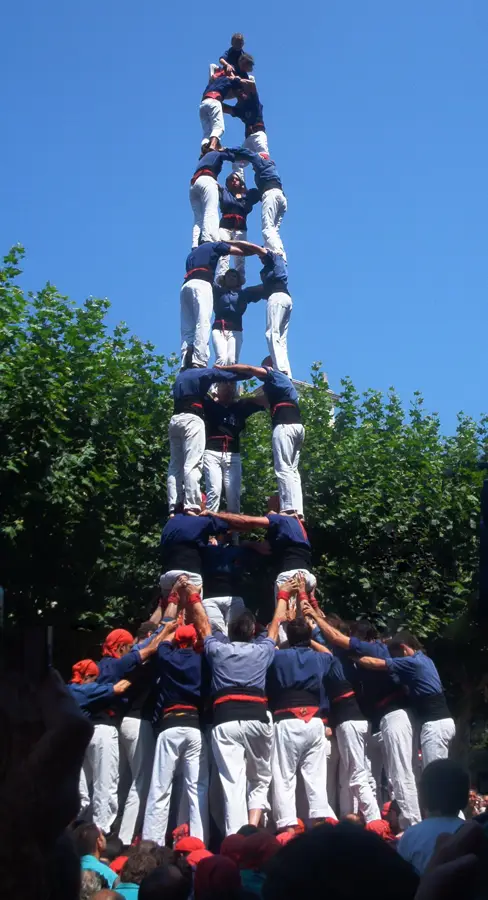
The fiery night during the January Sant Sebastia celebrations, when groups dressed as devils parade through the old town with fireworks and drums.
Plizio Visual Lab
A spiral-shaped pastry dusted with icing sugar. Buy it from a traditional 'forn' (bakery) in the old town.
A raw, cured sausage made with ground pork and paprika, typically spread on local bread.
Local bread rubbed with tomato, drizzled with olive oil, and topped with Mahón cheese or cured ham.
The city's main food market, well-suited for buying local olive oil, sea salt (Flor de Sal), and fresh produce.
Palma's most stylish avenue, home to high-end fashion brands and beautiful historic buildings.
Known for art galleries and small independent boutiques in a historic maritime setting.
The Bishop's Garden is a low-key spot in the old town; a tiny, serene oasis with orange trees and a lily pond.
The wide park below the cathedral walls, first-rate for a peaceful walk with views of the Mediterranean.
Moorish-style gardens next to the Almudaina Palace, featuring fountains and shaded benches.
Water temperature…
The fiery night during the January Sant Sebastia celebrations, when groups dressed as devils parade through the old town with fireworks and drums.
The patron saint festival in mid-January with bonfires (foguerons), grilling in the squares, live concerts and fireworks over the bay.
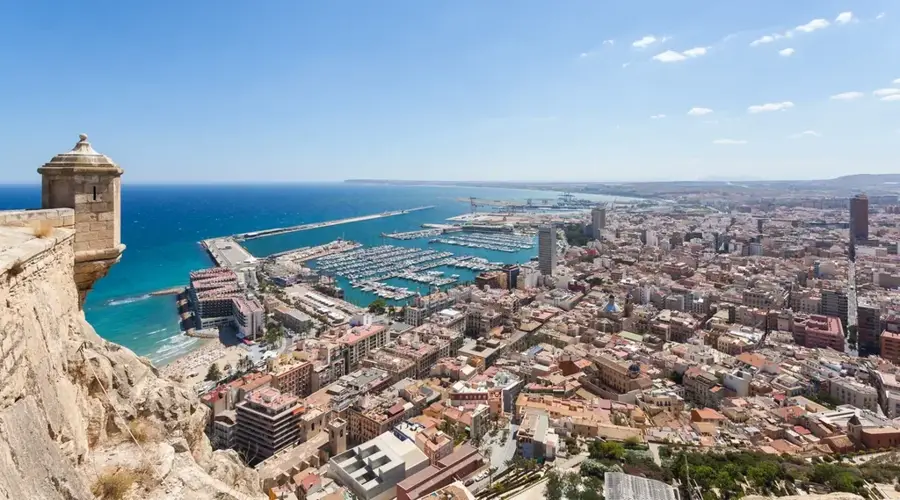
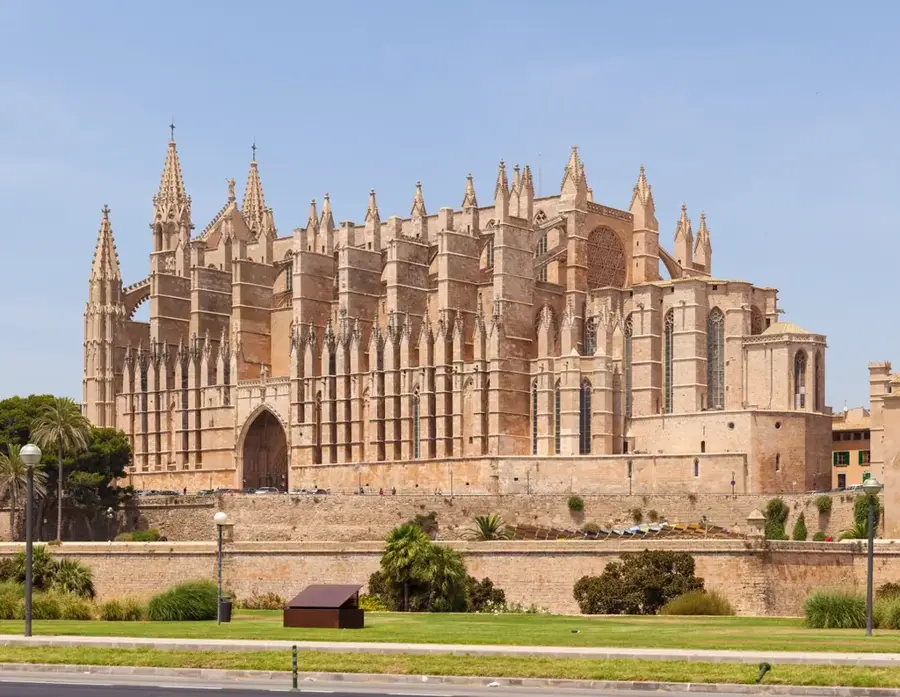
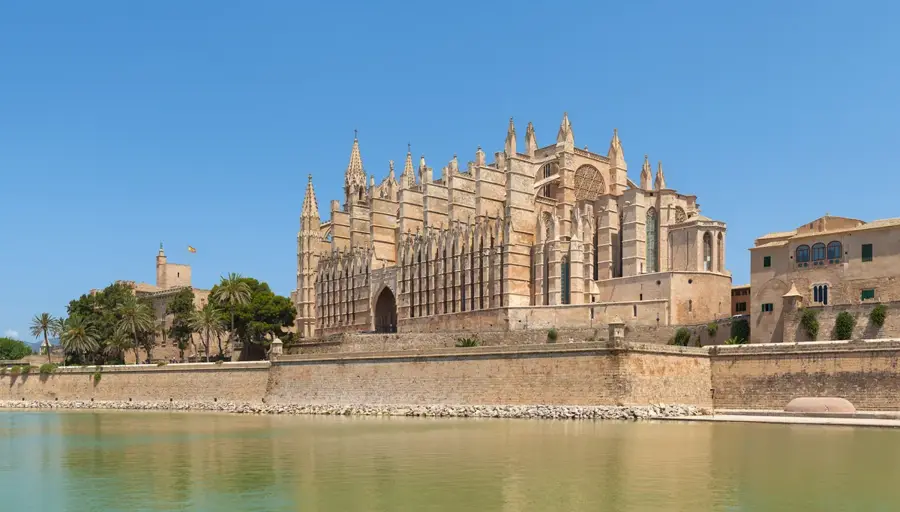
Palma is the capital of the Balearic Islands and the largest city on the island of Majorca, situated in a sweeping bay on the southwestern coast. Founded by the Romans in 123 BC as 'Palmaria,' the city has a rich history shaped by Byzantine, Moorish, and Christian rulers. Its most iconic landmark is the Cathedral of Santa Maria, popularly known as 'La Seu,' a massive Gothic cathedral whose construction began in 1229 after the Reconquista by King James I. Adjacent to it stands the Royal Palace of La Almudaina, a former Moorish alcazar that serves as an official residence for the Spanish monarch. A unique feature of the city is Bellver Castle, a rare 14th-century circular Gothic fortress located on a hill overlooking the harbor. Palma's historic center is famous for its labyrinthine streets and grand mansions featuring traditional Majorcan courtyards. As a premier global tourism destination, the city features a spirited Mediterranean lifestyle, a major international airport, and a world-class sailing scene, hosting prestigious regattas throughout the year.
The most pleasant time to visit is May, Jun, Oct.
| Jan | Feb | Mar | Apr | May | Jun | Jul | Aug | Sep | Oct | Nov | Dec | |
|---|---|---|---|---|---|---|---|---|---|---|---|---|
| Avg °C | 13 | 12 | 14 | 16 | 19 | 23 | 26 | 27 | 24 | 21 | 17 | 14 |
| Rain mm | 47 | 40 | 36 | 47 | 37 | 14 | 10 | 25 | 63 | 63 | 80 | 51 |
See what it looks like near Palma de Mallorca right now.
Palma de Mallorca: Marina Port De Mallorca · 2 km · Open webcam on Windy · Webcams provided by Windy.com
Notable places around
Where do you start? We build the route here, with stops and country notes along the way.
© OpenStreetMap contributors · OpenRouteService
Your day starts in the heart of the old town at Plaza Mayor. A short walk leads to the grand Almudaina Palace and the majestic La Seu Cathedral. After the visit, stroll to the Lonja, the old maritime trade exchange. The afternoon is dedicated to modern art at Es Baluard, before ending the day on the elegant Passeig del Born promenade.
By car, you explore Palma in clusters. First, visit the Cathedral and the Palace in the center. Then drive up to Bellver Castle, the unique circular fortress. A detour takes you to the Génova Caves before returning to enjoy the Born boulevard.
A beautifully restored baroque palace in Palma's old town that now serves as a cultural center and museum.
A historic cloistered monastery in Palma known for its religious art collection and preserved interiors.