Plizio Visual Lab
Marismas del Odiel
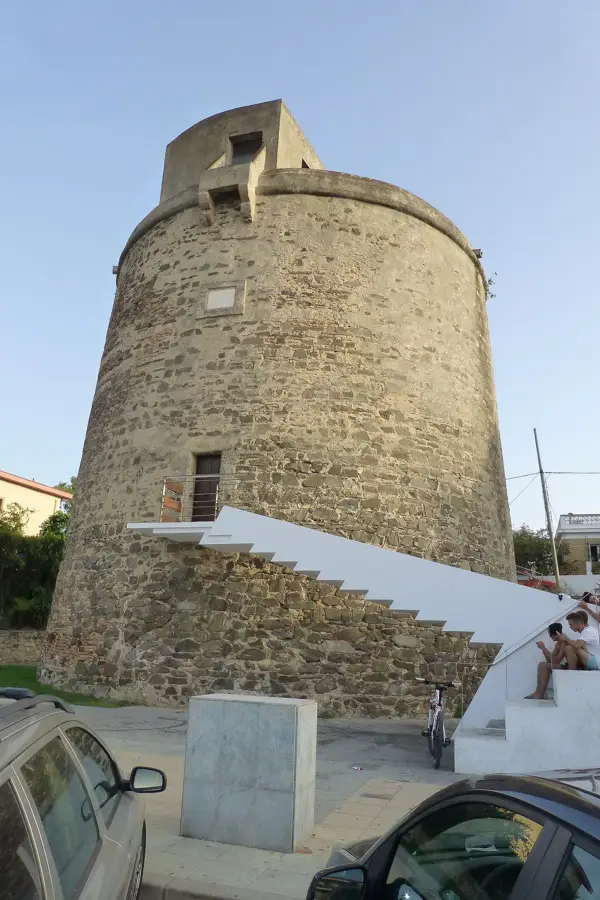
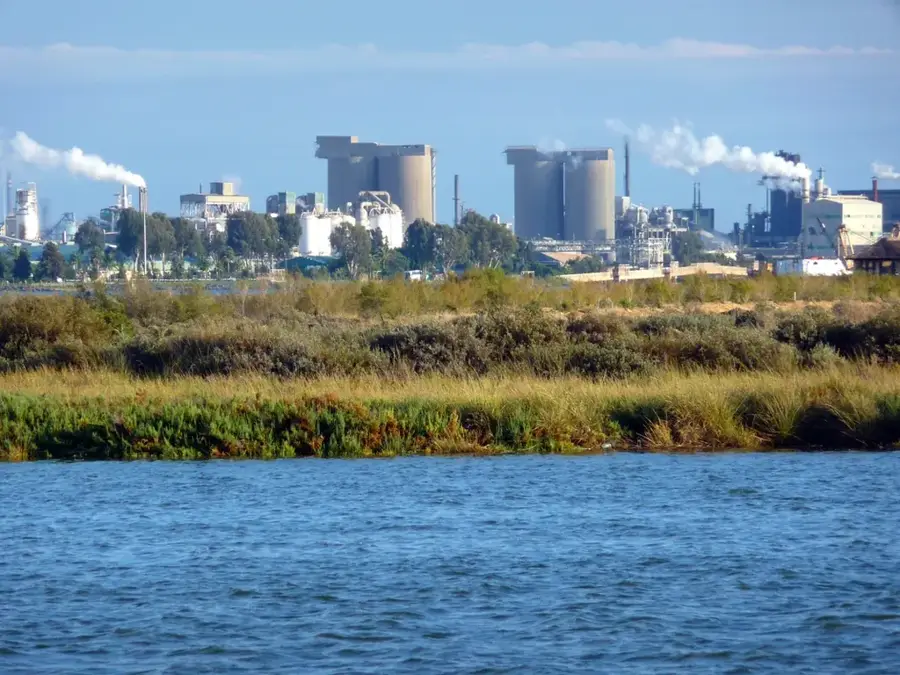
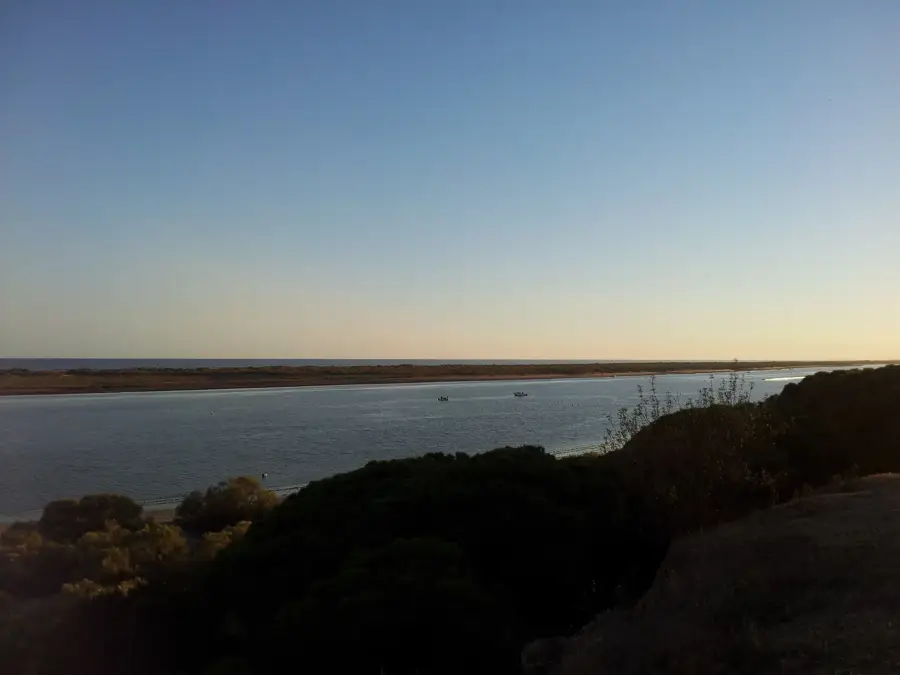
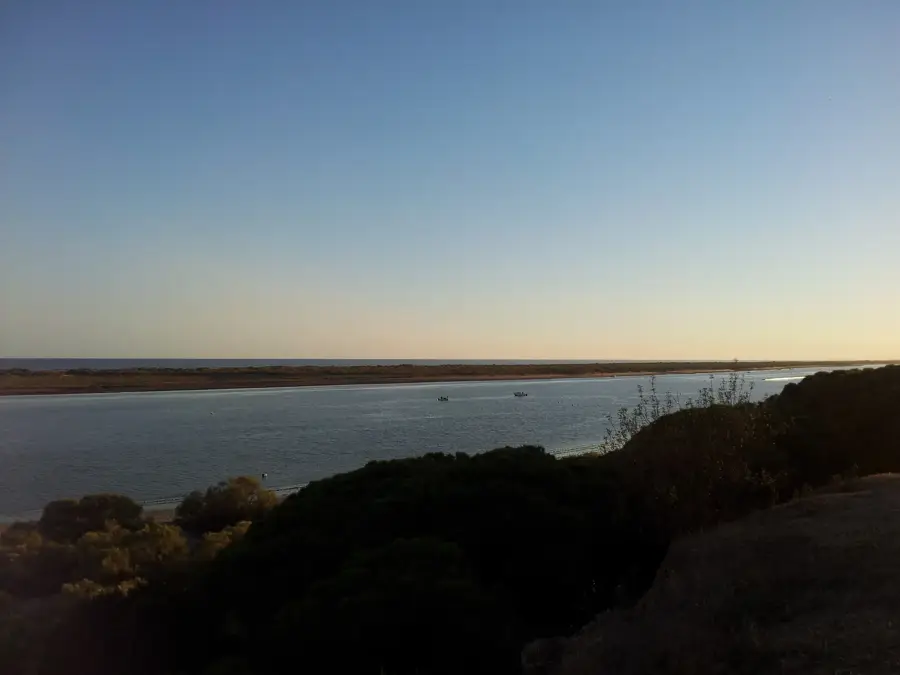
The Marismas del Odiel in the Andalusian province of Huelva form one of the most dynamic and valuable wetlands on the Iberian Peninsula. The landscape is created exactly at the point where the salty water of the Atlantic Ocean mixes with the freshwater of the Odiel and Tinto rivers, forming a complex labyrinth of tidal channels, salt marshes, sandbanks, and muddy islands. This UNESCO Biosphere Reserve is an irreplaceable resting and wintering ground for millions of migratory birds along the East Atlantic Flyway. The protected area achieved special international significance due to the Eurasian spoonbill (Platalea leucorodia); the Marismas del Odiel harbor roughly one-third of the entire European population of these striking, elegant wading birds. The dense network of traditional salt pans and ancient fish traps demonstrates how humans have sustainably utilized this estuary since Roman times without disrupting its ecological balance. For nature photographers and birdwatchers, the numerous, well-hidden wooden hides offer the excellent spot.
- Location: Galicia, Spain
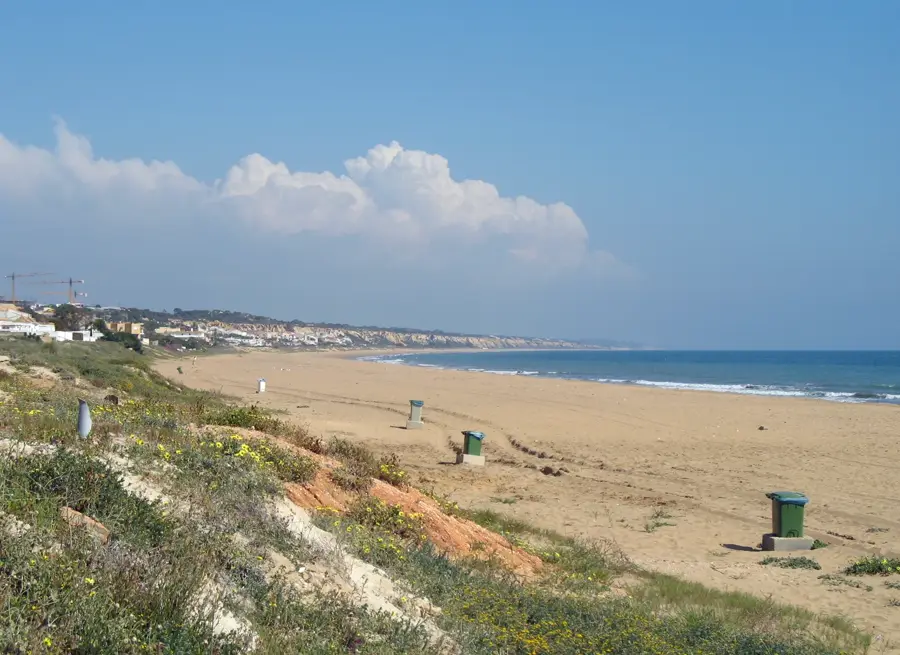
- Top sights: Playa de los Enebrales · Playa de La Canaleta · Playa Urbana de Punta Umbría
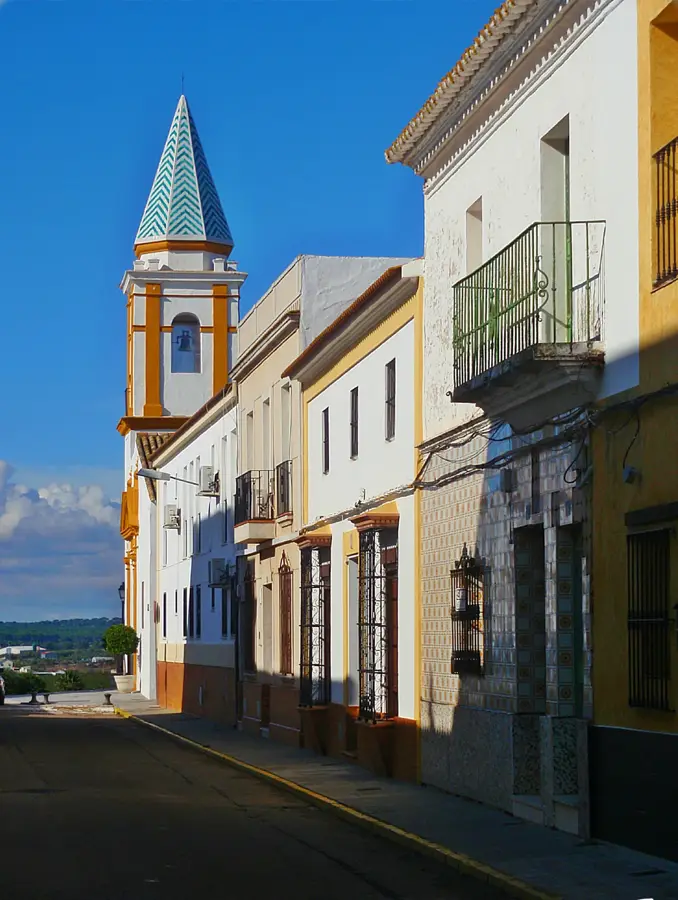
- Nearby: Palos de la Frontera (7 km)
Best time to visit & climate
The most pleasant time to visit is Jun, Jul, Sep.
| Jan | Feb | Mar | Apr | May | Jun | Jul | Aug | Sep | Oct | Nov | Dec | |
|---|---|---|---|---|---|---|---|---|---|---|---|---|
| Avg °C | 13 | 13 | 14 | 16 | 19 | 22 | 24 | 25 | 23 | 20 | 16 | 14 |
| Rain mm | 47 | 52 | 63 | 56 | 29 | 6 | 1 | 3 | 21 | 72 | 84 | 65 |
📋 Practical info
Geography
Facts
- Declared a Biosphere Reserve by UNESCO in 1983.
- It harbors the largest colony of Eurasian spoonbills in Europe.
- The area encompasses a total expanse of approximately 7,185 hectares.
- It is the meeting point of the estuaries of the Odiel and Tinto rivers.
- Salt extraction operations have taken place here since Roman times.
- It is an official Ramsar wetland of international importance.
Explore nearby
Notable places around
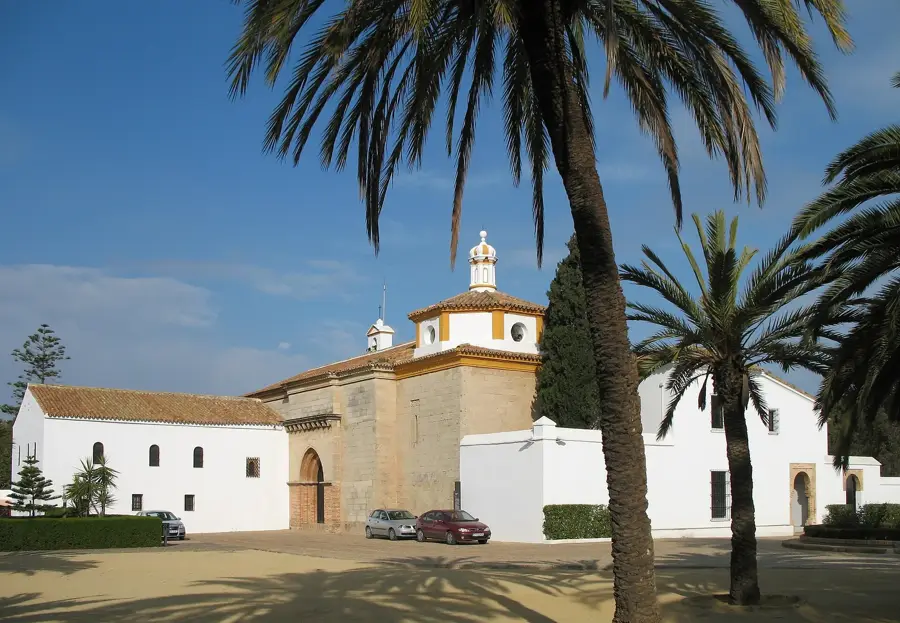
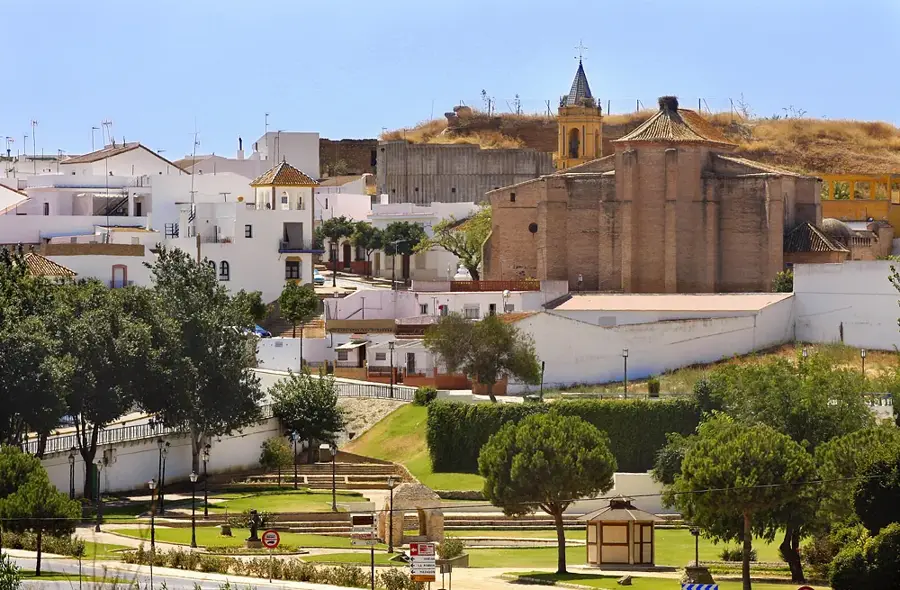
Route planner — Car & Motorhome
Where do you start? We build the route here, with stops and country notes along the way.
© OpenStreetMap contributors · OpenRouteService
Sights in the town Marismas del Odiel (3)
Sights nearby
Frequently asked questions
What is Marismas del Odiel?
What birds can be seen here?
Is there a visitor center?
What is the best way to explore the area?
When is the best time for birdwatching?
Marismas del Odiel: where is it located?
Marismas del Odiel: what is there to see?
Marismas del Odiel: when is the best time to visit?
Marismas del Odiel: why is it worth visiting?

Nearby cities
History & landmarks