Plizio Visual Lab
La Rabida Monastery
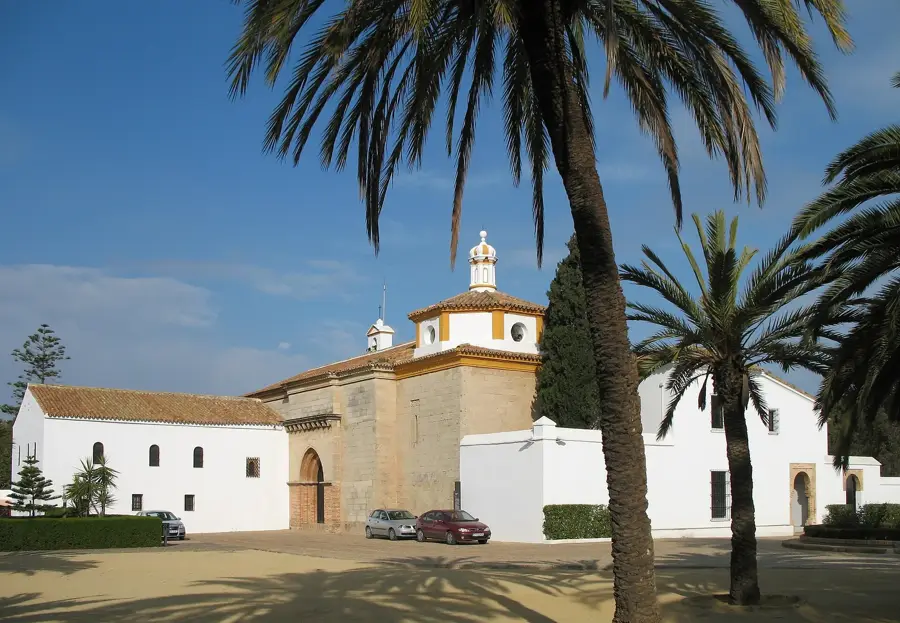
The Monastery of Santa María de la Rábida in Palos de la Frontera, province of Huelva, is a site of world historical significance as it is closely linked to the discovery of America. In this 14th-century Franciscan monastery, Christopher Columbus found refuge and support when his plans for a westward route to India were initially rejected by royal courts. Two monks, Juan Pérez and Antonio de Marchena, interceded on his behalf with Queen Isabella I, which ultimately enabled the funding of the voyage. The monastery is built in the Gothic-Mudéjar style and features a welcoming cloister and a church with valuable murals by Daniel Vázquez Díaz from the early 20th century depicting the history of the discovery. Nearby are the replicas of the three caravels, making La Rábida a focal point of the 'Lugares Colombinos' (Columbian Sites) commemorating the historical 1492 expedition.
- Location: Galicia, Spain
- Top sights: Parque Botánico José Celestino Mutis · Calendario Azteca · Monasterio de la Rábida
- Nearby: Huelva (7 km)
Best time to visit & climate
The most pleasant time to visit is Jun, Jul, Sep.
| Jan | Feb | Mar | Apr | May | Jun | Jul | Aug | Sep | Oct | Nov | Dec | |
|---|---|---|---|---|---|---|---|---|---|---|---|---|
| Avg °C | 13 | 13 | 14 | 16 | 19 | 22 | 24 | 25 | 23 | 20 | 16 | 14 |
| Rain mm | 47 | 52 | 63 | 56 | 29 | 6 | 1 | 3 | 21 | 72 | 84 | 65 |
📋 Practical info
Geography
Facts
- The monastery was declared a national monument in 1856.
- The monastery church houses the 14th-century statue of the Virgin of Miracles.
- Christopher Columbus resided here between 1491 and 1492 prior to his departure.
- The monastery suffered severe damage during the Lisbon earthquake of 1755.
- The cloister is designed in the 15th-century Mudéjar style.
- The murals by Vázquez Díaz were completed between 1928 and 1930.
Explore nearby
Notable places around
Route planner — Car & Motorhome
Where do you start? We build the route here, with stops and country notes along the way.
© OpenStreetMap contributors · OpenRouteService
Sights in the town La Rabida Monastery (10)
Museo Muelle de las Carabelas🏛 museum
Museum at the wharf showcasing the history of the Age of Discovery.
Monumento al Plus Ultra
Monument in Palos de la Frontera, commemorating the first solo flight across the Atlantic.
La Niña
Caravel used by Christopher Columbus, built in 1491, part of the first voyage.
Wharf of the Caravels🏛 museum
Maritime museum in Palos de la Frontera with replicas of Columbus's ships.
Santa María
Replica of Columbus's flagship, moored in the port of Palos.
Torre Arenilla
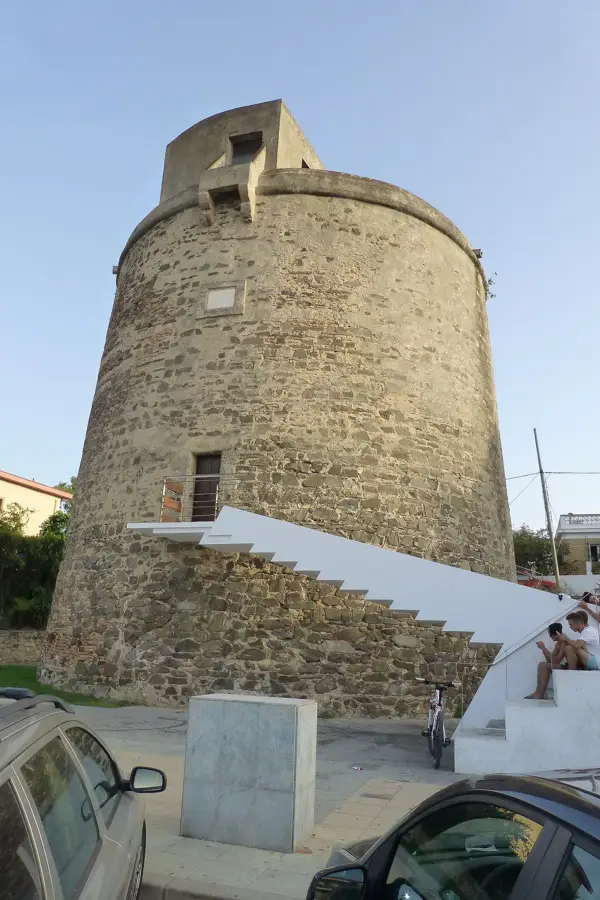
Cultural property in Palos de la Frontera, a former watchtower from the 16th century.
Sights nearby
Frequently asked questions
Which historical figure is closely linked to the monastery?
Which religious order manages the monastery?
When was the monastery declared a national monument?
Can you visit the burial site of Martín Alonso Pinzón?
What is the most important artwork in the church?
La Rabida Monastery: where is it located?
La Rabida Monastery: what is there to see?
La Rabida Monastery: when is the best time to visit?
La Rabida Monastery: why is it worth visiting?

Nearby cities
History & landmarks