Fires i Festes de Primavera
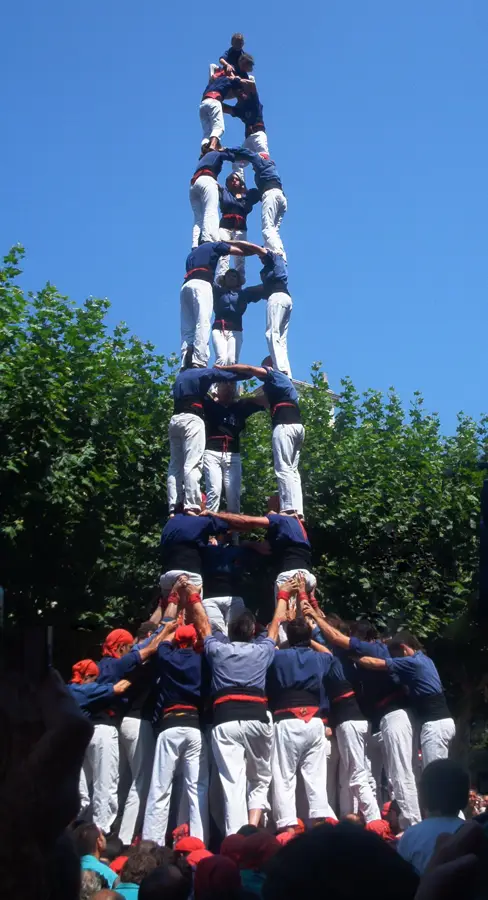
From late May to early June, Manacor celebrates spring with around 15 days of events. It opens with the traditional Cossiers dance, plus craft, sports and artisan fairs.
PlizioGo
A traditional cured sausage, best enjoyed on fresh bread in local bakeries around the center.
The famous Mallorcan spiral pastry, try it with your morning coffee at a local café on Plaza Weyler.
A traditional meat and vegetable dish, widely available in traditional celler restaurants in town.
The city is world-famous for its high-quality artificial pearls, available at the factory outlets.
Look for handcrafted olive wood bowls and utensils in the local artisan shops.
A beautiful greenway path built on an old railway line, great for a quiet walk or cycling.
A serene and historic cloister in the town center, offering a peaceful retreat from the streets.
Water temperature…
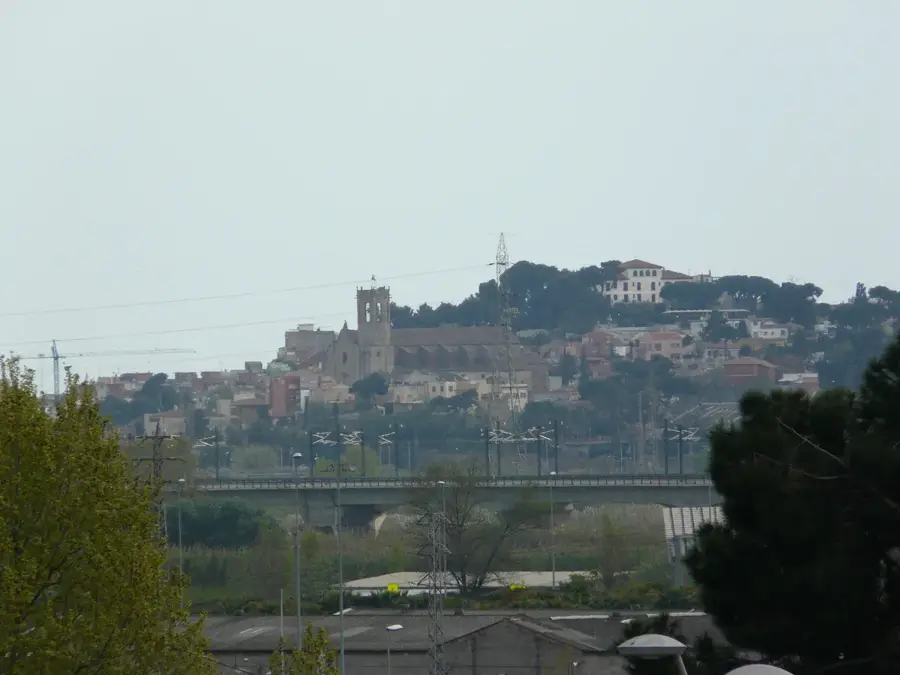
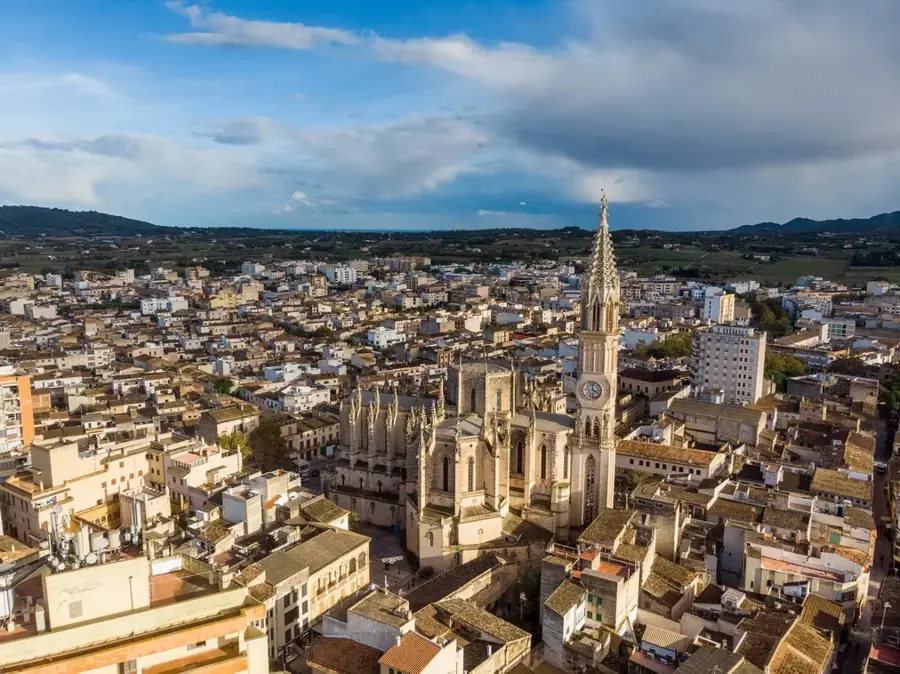
Manacor is the second-largest municipality on the island of Mallorca and serves as the primary economic hub for the eastern Llevant region. The area's history spans back to pre-Talaiotic times, evidenced by the archaeological remains at the S'Hospitalet Vell site. During the 19th century, the town underwent a period of rapid industrialization focused on furniture manufacturing and the production of organic man-made pearls, with the Majorica brand established here in 1902. The urban landscape is centered around the neo-Gothic Church of Nostra Senyora dels Dolors, featuring a landmark bell tower that reaches a height of 75 meters. In modern times, Manacor has gained global fame as the birthplace of tennis champion Rafael Nadal, leading to the development of an extensive sports academy and museum. The municipality also encompasses the coastal resort of Porto Cristo, famous for its deep natural harbor and the extensive subterranean system of the Caves of Drach. Its current economy balances traditional craftsmanship with agriculture and a robust service sector.
The most pleasant time to visit is May, Jun, Oct.
| Jan | Feb | Mar | Apr | May | Jun | Jul | Aug | Sep | Oct | Nov | Dec | |
|---|---|---|---|---|---|---|---|---|---|---|---|---|
| Avg °C | 12 | 12 | 13 | 15 | 19 | 23 | 26 | 27 | 24 | 21 | 16 | 14 |
| Rain mm | 47 | 44 | 40 | 46 | 37 | 14 | 11 | 25 | 68 | 69 | 83 | 52 |
Notable places around
Where do you start? We build the route here, with stops and country notes along the way.
© OpenStreetMap contributors · OpenRouteService
A walk through Manacor starts at the bustling Plaça de sa Bassa, leading to the imposing neo-Gothic church. In the morning, explore historic towers and delve into the region's past at the History Museum. After lunch, the quiet cloister of the Convent of Sant Vicenç Ferrer offers a peaceful break. The afternoon is dedicated to the city's gleaming heritage at the Majorica Pearl Factory, where you discover the art of pearl making. The day concludes with a leisurely stroll back through the town's charming streets.
Start your day at Plaça de sa Bassa, where cafes under the arches provide shelter. During the morning rain, the church's interior is a perfect sanctuary. Spend the afternoon exploring the History Museum and the Majorica factory, both offering extensive indoor tours. End the day at the convent, enjoying the peaceful atmosphere as the rain hits the historic stone cloisters.
Enjoy the mild winter sun during a morning stroll through the old town. The crisp air makes visiting the towers especially rewarding. Warm up at midday in the History Museum before spending the afternoon in the comfortably heated Majorica factory. As darkness falls early, the illuminated convent provides a cozy and atmospheric end to your walk.
On two wheels through Manacor: Start at Plaça de sa Bassa and cycle to the church and the Torre de Ses Puntes for an overview. A longer ride takes you to the Rafael Nadal Museum, a modern highlight. After the sporty morning, continue to the Majorica Pearl Factory. The afternoon is rounded off with a visit to the peaceful Convent of Sant Vicenç Ferrer before cycling back to the center. This tour combines culture with the city's sporting and artisanal flagships.
Cycling in the rain requires extra caution on Manacor's slick roads. Spend the morning in the center and head to the Nadal Museum at noon for a great indoor experience. The ride to the pearl factory is short, providing quick cover from the wet. Finish your day at the convent, finding a sheltered spot to park your bike.
Winter cycling in Manacor is refreshing and pleasant thanks to the mild climate. Start in the old town and cycle to the Nadal Museum to soak up the sporting atmosphere. The afternoon at Majorica offers a welcome break from the wind. Finish your tour at the convent before the cool evening air sets in and the sun disappears behind the hills.
A car day around Manacor begins with parking in the center to explore the old town on foot. In the morning, drive to the Rafael Nadal Museum for a dose of sports history. After lunch, a short drive leads to the Majorica Pearl Factory. The highlight of the afternoon is the trip to the impressive Dragon Caves in Porto Cristo. The day concludes with a panoramic view of the harbor, providing the perfect sunset backdrop. This route combines the urban heart of Manacor with its world-famous surrounding attractions.
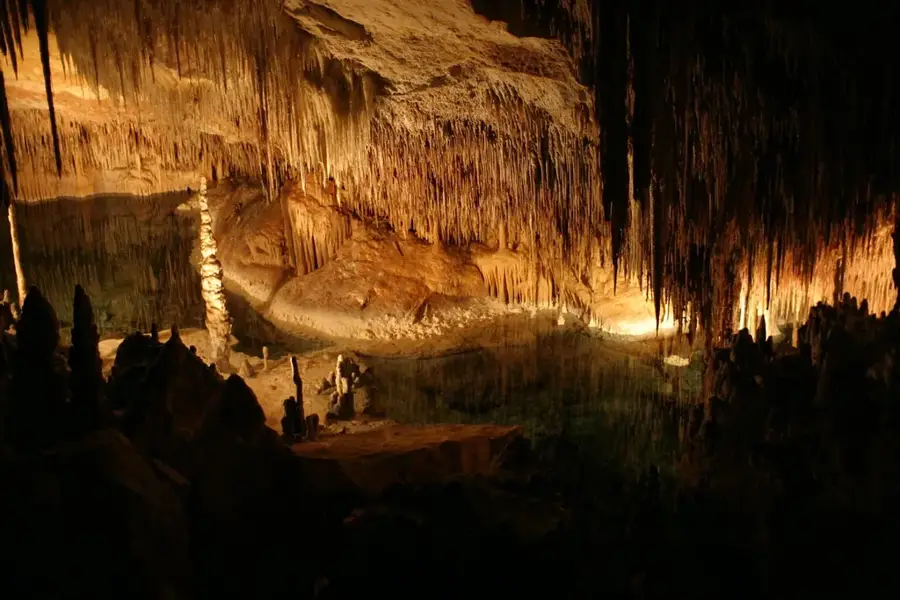
A car is the most comfortable choice for Manacor when it rains. Start in the city center, then drive directly to the Nadal Museum and the pearl factory. The highlight is the Dragon Caves (Coves del Drac), which stay dry and at a constant 21°C year-round. End your day viewing the stormy but beautiful Porto Cristo harbour from your car.
A winter drive through the heart of Mallorca offers empty roads and clear views. Start in Manacor and visit the museums without the usual crowds. The drive to Porto Cristo is especially green and scenic in winter. Visit the Dragon Caves without the summer heat and time your arrival at the viewpoint for the spectacular early sunset over the sea.