Arde Lucus
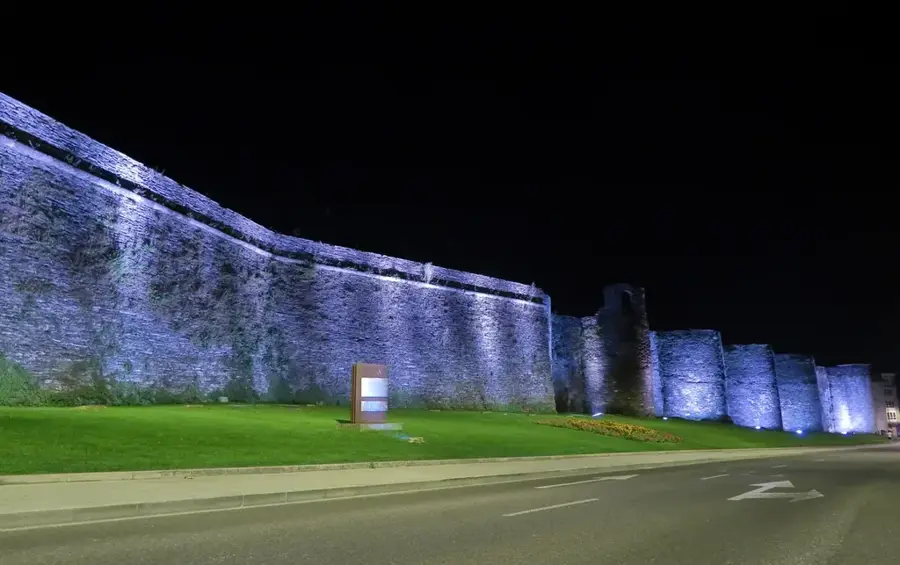
Roman and Celtic festival in late June reviving Lugo's past as Lucus Augusti. Locals dress in Roman or Castro attire, with markets, banquets, circus and parades around the World Heritage Roman walls.
PlizioGo
Galician-style octopus; be sure to try it in the traditional 'Pulperías' around town.
Savory pie filled with meat or fish, well-suited as a quick snack from local bakeries.
High-quality local meat, commonly served in the traditional asador (grill) restaurants in the old town.
Look for San Simón da Costa (smoked) or Tetilla in local delicatessens.
Excellent Galician wines, best purchased at small wine shops near the cathedral.
The municipal market is great for discovering fresh regional produce and excellent seafood.
A beautiful park with old trees and a viewpoint overlooking the Miño river valley.
A peaceful walking and cycling path right along the banks of the Miño river, first-rate for relaxing.
Water temperature…
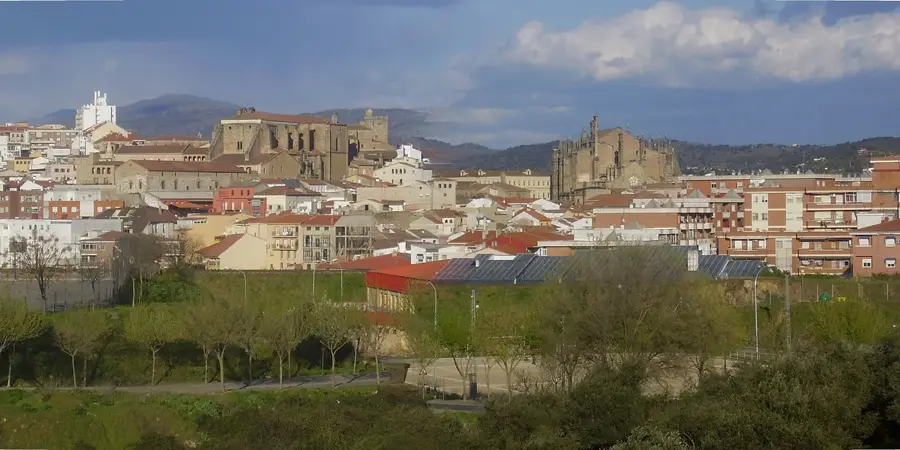
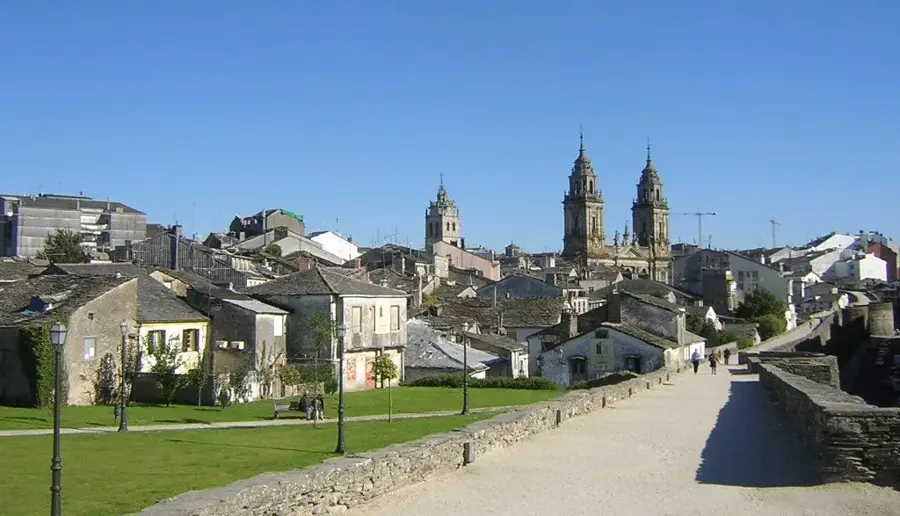
Lugo is a city in northwestern Spain and the capital of the eponymous province in the autonomous community of Galicia. Founded by the Romans in 25 BC as Lucus Augusti, it is most famous today for its monumental Roman walls, which were designated a UNESCO World Heritage site in 2000. These walls represent the only fully preserved Roman defensive circuit in the world, stretching over two kilometers around the historic center. Beyond its ancient fortifications, Lugo features a significant cathedral whose construction began in the 12th century, showcasing architectural styles ranging from Romanesque to Neoclassical. The city is situated on a plateau overlooking the Miño River and acts as a major stop for pilgrims traveling the Camino Primitivo toward Santiago de Compostela. Today, Lugo serves as an economic hub for the region, seamlessly integrating its vast historical legacy with a modern urban lifestyle in a tranquil setting.
The most pleasant time to visit is Jul–Sep.
| Jan | Feb | Mar | Apr | May | Jun | Jul | Aug | Sep | Oct | Nov | Dec | |
|---|---|---|---|---|---|---|---|---|---|---|---|---|
| Avg °C | 6 | 6 | 8 | 10 | 13 | 17 | 20 | 20 | 18 | 14 | 9 | 6 |
| Rain mm | 116 | 85 | 97 | 79 | 61 | 44 | 27 | 32 | 37 | 119 | 124 | 118 |
See what it looks like near Lugo right now.
Lugo · 4.3 km · Open webcam on Windy · Webcams provided by Windy.com
Notable places around
Where do you start? We build the route here, with stops and country notes along the way.
© OpenStreetMap contributors · OpenRouteService
Your day in Lugo begins in the heart of the city at Plaza Mayor before exploring the magnificent cathedral. In the morning, you'll experience history up close with a walk on the fully intact Roman walls, a UNESCO World Heritage site. After lunch, you'll delve into a deeper past with visits to the Domus do Mitreo and the Provincial Museum, both offering fascinating insights into Roman and Galician culture. The afternoon becomes more tranquil with a stroll to the ancient Roman bridge and relaxing moments in Rosalía de Castro Park, where you can end the day overlooking the Miño River.
The morning begins under the protective arcades of Plaza Mayor as rain beats down on the cobblestones. The Cathedral offers a grand, dry sanctuary for exploration. At midday, the path leads to the Roman walls. Despite the wetness, the UNESCO loop is accessible but requires steady footing on the slick granite steps. The afternoon is focused on museums. Domus do Mitreo and the Provincial Museum are ideal spots to dive into history without getting soaked. To wrap up, the route heads down to the river. The view of the Roman Bridge in the rain holds a uniquely melancholic atmosphere before the day ends in the park.
A crisp winter morning at Plaza Mayor starts with the scent of roasted chestnuts. The Cathedral looks particularly majestic in the clear winter air. At midday, the walk along the city walls offers sweeping views of the misty surroundings. The low sun bathes the ancient stones in warm gold. In the afternoon, the museums invite you to warm up. The Roman ruins in Domus do Mitreo are especially atmospheric under artificial lighting. As dusk sets in around 18:00, the Roman Bridge is illuminated. A short walk through the winter park rounds off the day perfectly.
Your bike tour of Lugo starts at the historic Roman Bridge, leading you along the Miño River to the ancient baths. After a refreshing break in Rosalía de Castro Park, you'll climb the hill to the old town. There, you'll park your bike to walk the famous Roman Walls and visit the impressive cathedral. At lunchtime, the vibrant Plaza Mayor awaits you with culinary delights. The afternoon is dedicated to culture, with a final leg to the Provincial Museum before finishing your tour.
The day starts at the Roman Bridge. The rain makes the granite stones slippery, requiring full concentration when starting off. After visiting the baths, head up to Rosalía Park. The paths are solid, but puddles form quickly in low spots. At midday, we reach the city walls. Cycling directly on the wall is not permitted, but the perimeter road offers great perspectives. The afternoon ends at the Provincial Museum. The bike can be parked safely nearby, hopefully under a canopy.
A frosty start by the riverbank. The morning mist over the Miño gives the Roman Bridge a mystical appearance. After the climb to the park, the physical activity on the bike warms you up. The clear paths in Rosalía Park offer good traction. At midday, we circle the city walls. The winter sun is low and sometimes blinding, but it makes for fantastic photos of the Muralla. Following the Cathedral and a hearty lunch, the tour ends at the Provincial Museum before the cold noticeably intensifies toward evening.
By car, you can explore Lugo efficiently by targeting two clusters. Start on the outskirts at the Roman Bridge, park, and explore the baths on foot. Then, drive to the center and park in a garage. Your walking tour begins from there: in the morning, conquer the Roman Walls and the cathedral. After lunch in Plaza Mayor, dedicate the afternoon to art at the Provincial Museum and relaxation in the nearby Rosalía de Castro Park, all comfortably within walking distance.
A comfortable start in the rain: parking right by the Roman Bridge allows quick access to the baths without standing in the wet for long. The drive to the city center passes through gray but atmospheric Lugo. The parking garage provides dry access to the Muralla. At midday, enjoy the Cathedral and a pleasant lunch at Plaza Mayor while the Galician rain falls outside. The afternoon is spent at the Provincial Museum. The short distances from the parking lot to the entrance minimize exposure to the elements.
A clear winter day begins. The car heater ensures a pleasant start as we drive to the Roman Bridge. After visiting the ancient sites, head to the city center. Parking garages are a good choice in winter to keep the car ice-free. At midday, explore the Muralla. The winter sun makes the city walls shine in bright light before we warm up in a restaurant. The afternoon ends at the museum and in the winter park before the drive back through illuminated Lugo.