Plizio Visual Lab

Galician Massif
Plizio editorial teamData Sources
Mountain
—°5
Galician Massif (Spain)

Weather…

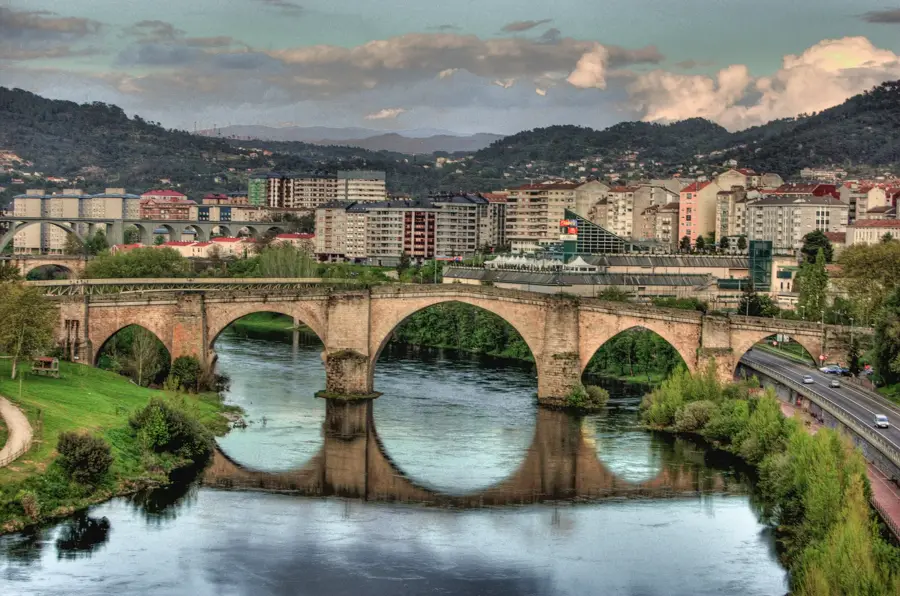
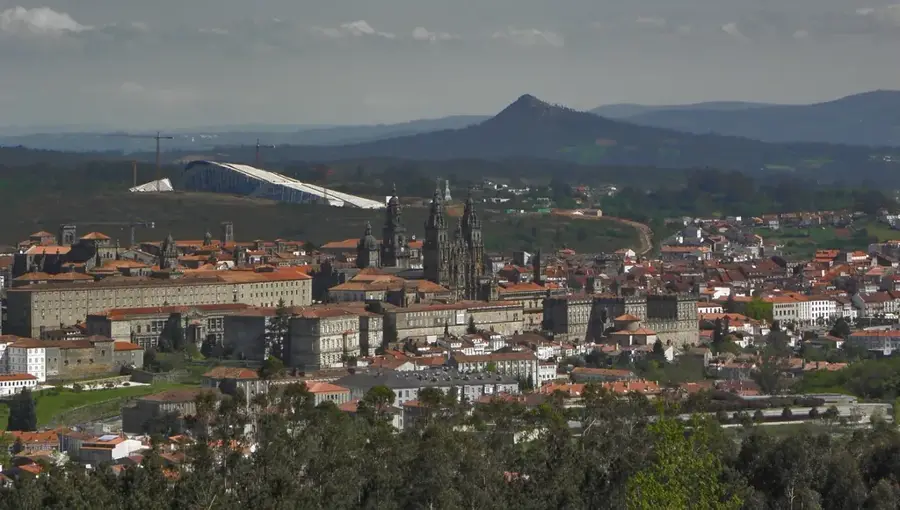
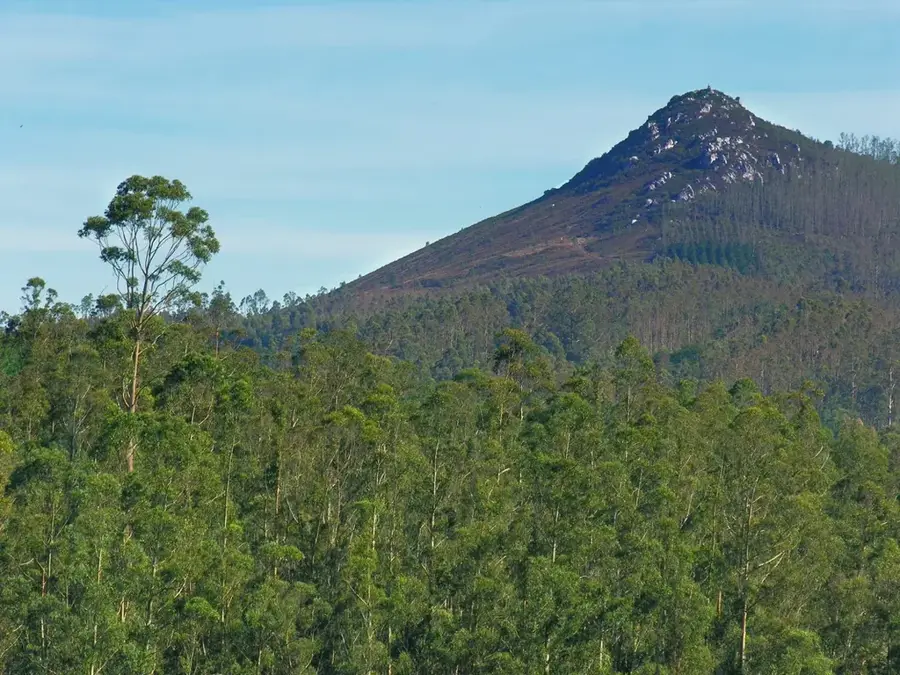
The Galician Massif, also known as Macizo Galaico, forms the heavily eroded northwestern cornerstone of the Iberian Peninsula, located primarily within the autonomous region of Galicia. It is an extremely ancient fold mountain range that was formed during the Variscan orogeny in the Paleozoic era and consists essentially of massive granites, gneisses, and mica schists. The highest peaks, such as the 2127-meter-high Pena Trevinca, exhibit gentle, heavily rounded forms that clearly testify to millions of years of severe weathering. One of the most defining features of this mountain region is the deep incision of countless river valleys, which on the coast has led to the formation of the famous "Rías", drowned river valleys that reach deep into the interior. Because the massif is directly exposed to the humid westerly winds coming from the Atlantic Ocean, it records extremely high amounts of precipitation. This ensures a lush green, dense vegetation with extensive oak and chestnut forests, which characterize the typical image of Galicia ("Green Spain").

Best time to visit & climate

The most pleasant time to visit is Jul–Sep.

JanFebMarAprMayJunJulAugSepOctNovDec
Avg °C6681113172020181497
Rain mm14598122977248303746155149146

📋 Practical info

🧭
Getting there
Access to this ancient massif is typically via regional roads traversing the deep river valleys and rías in northwestern Spain. The starting points are usually the scattered local villages.
📅
Best season
The best months for exploring the rounded summits are generally from late spring to early autumn, avoiding the heavy winter rains typical of this region. Summer gives the most stable conditions.
⛰️
Terrain & paths
The landscape consists mainly of rounded summits and deep valleys, offering moderately challenging trails. Hikers can expect well-worn paths but should be prepared for varying degrees of elevation.
🎒
What to bring
Essential gear includes sturdy hiking boots to navigate the varied terrain and waterproof layers due to the unpredictable northwestern climate. Carrying ample water and a reliable map is highly recommended.
🅿️
Parking
Parking is usually available at the trailheads near the traditional settlements or designated pull-offs along the scenic mountain roads. Spaces may be limited, so early arrival during peak season is advised.
⚠️
Safety
While the rounded summits are generally accessible, visitors must remain cautious of sudden weather shifts and slippery sections in the deeper valleys. Always stick to established routes and check local forecasts.
⏱️
Time needed
A typical visit can last anywhere from a brief few hours exploring a specific river valley to multi-day hiking expeditions across the broader massif. Plan your itinerary according to your desired activity level.

Geography

Coordinates
42.60000, -7.80000

Explore nearby

Notable places around
Route planner — Car & Motorhome

Where do you start? We build the route here, with stops and country notes along the way.

Vehicle
Only stops with (optional):

© OpenStreetMap contributors · OpenRouteService

Sights in the town Galician Massif (5)

Torre de Vilar de Eiriz🏺 historical

An archaeological site in the Galician Massif featuring remains of a historic tower.

Fortaleza de Pereira🏰 castle

The remains of a defensive fortification or castle located in the Galician Massif.

Sepultura Antropomorfa Dobre de Fornas🏺 historical

An archaeological site featuring a rock-cut anthropomorphic tomb in the Galician region.

Castro de Xoanín🏺 historical

An ancient fortified settlement or hillfort characteristic of the Galician culture.

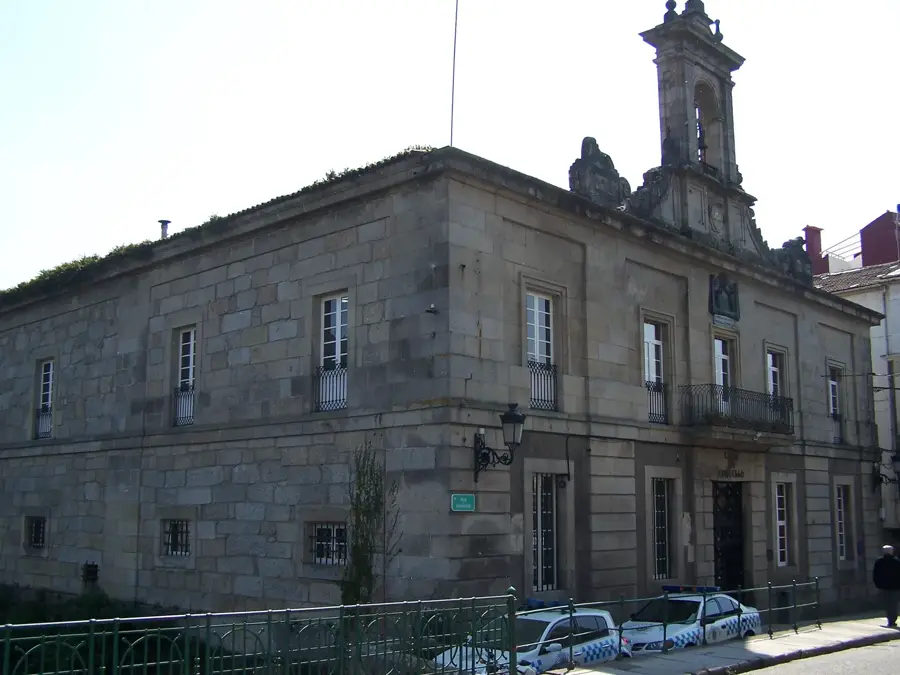
Concello de Chantada📍 landmark

The municipal administrative building serving the town of Chantada in Galicia.

Sights nearby

Frequently asked questions

What characterizes the Galician Massif?
Ancient rocks (granite) and a gentle, green hilly landscape.
Is it very rainy there?
Yes, it is one of the rainiest regions in Spain.
What is the highest point in Galicia?
Peña Trevinca, at 2,127 meters.
Are there deep canyons there?
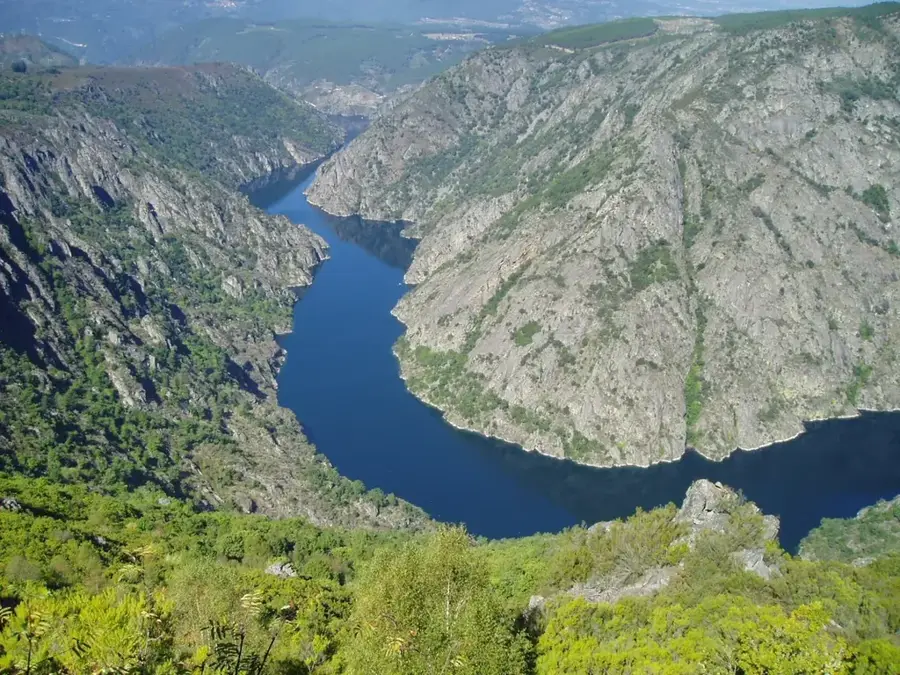
Yes, the Sil Canyons (Cañones del Sil) are spectacular.
Is wine produced there?
Yes, the Ribeira Sacra is famous for its terraced vineyards.
Galician Massif: where is it located?
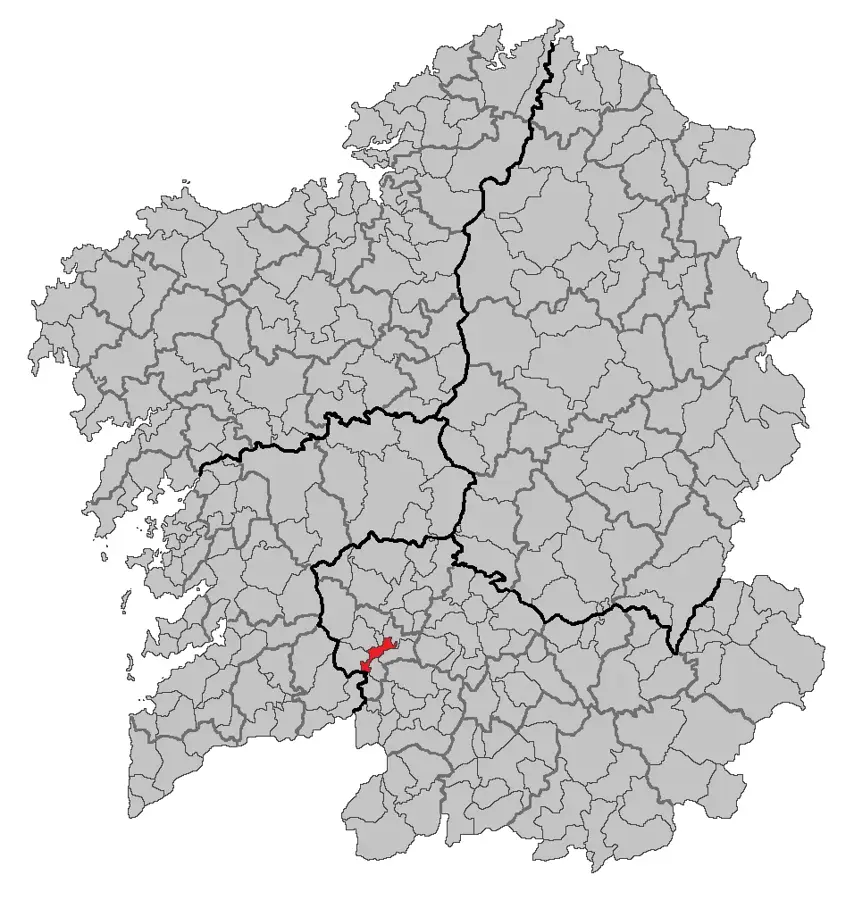
Galician Massif is located in Galicia, Spain.
Galician Massif: what is there to see?
Highlights include Torre de Vilar de Eiriz, Fortaleza de Pereira, Sepultura Antropomorfa Dobre de Fornas.
Galician Massif: when is the best time to visit?
The most pleasant time to visit is Jul, Sep.
Galician Massif: why is it worth visiting?

The Galician Massif, also known as Macizo Galaico, forms the heavily eroded northwestern cornerstone of the Iberian Peninsula, located primarily within the autonomous region of Galicia.
View on map → The Top 50 Attractions → Most beautiful beaches → OpenStreetMap →
Europe
Explore with Plizio Discover more places in Europe
More places in Spain →

Nearby cities

History & landmarks