Christmas Market
The December market in the town center features local crafts, seasonal sweets, and festive choir singing for all ages.
PlizioGo
Look for specialized seafood restaurants around the fishing port or in the old town that display the official guarantee mark.
A traditional Catalan fish and potato stew, heavily featured in local fisherman's taverns.
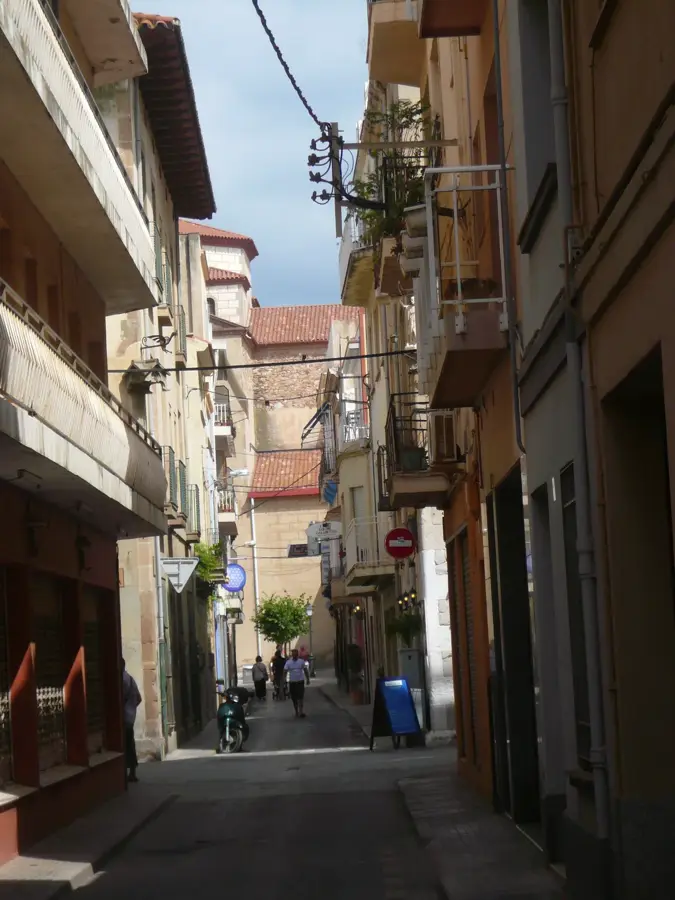
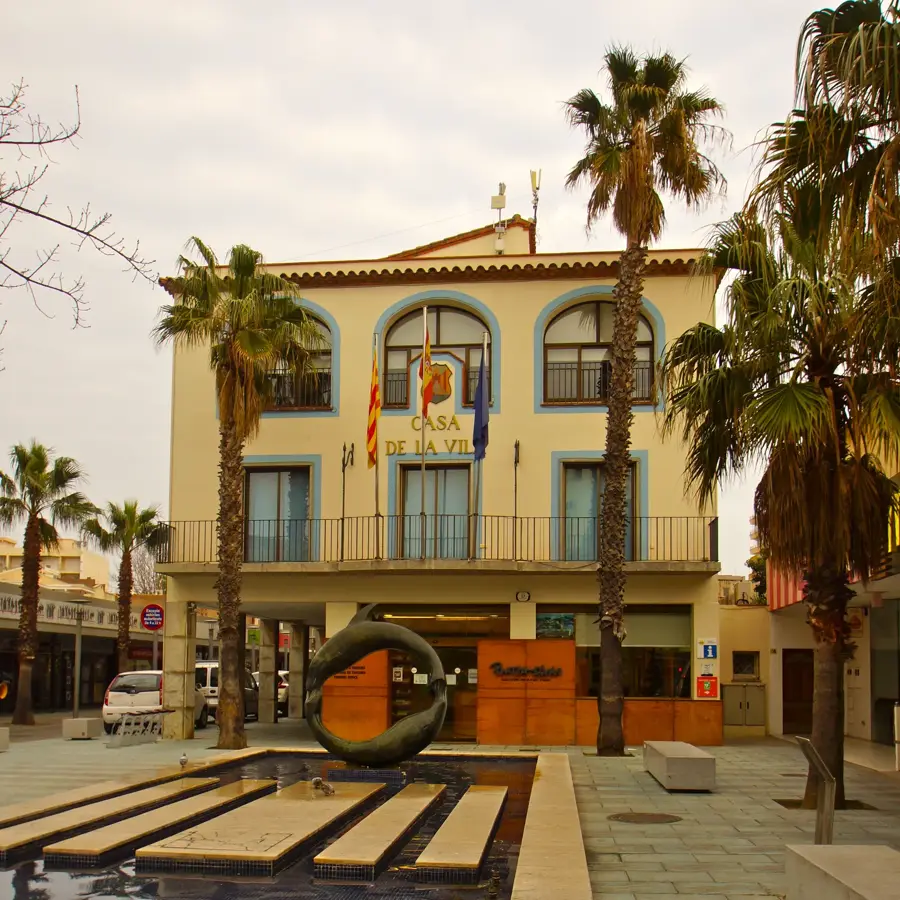
Head to the narrow streets behind the town hall (Carrer Major area) for authentic tapas bars serving local anchovies.
Visit the Mercat de la Llotja right at the port in the late afternoon to buy freshly caught fish and prawns directly from the fishermen.
Browse local bodegas in the center for DO Empordà wines, which pair perfectly with the local seafood.
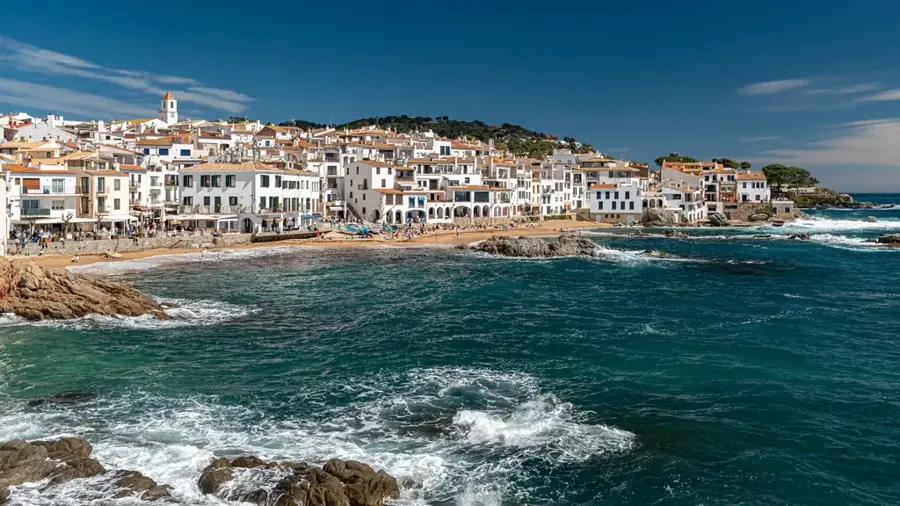
A pretty, protected cove with traditional colorful fishermen's huts, reachable via a scenic coastal walk (Camí de Ronda).
The area around the lighthouse at Punta del Molí gives peaceful views over the Mediterranean, especially at sunrise.
Located slightly inland, this architecturally remarkable underground winery has peaceful walks among the vineyards.
Water temperature…
The December market in the town center features local crafts, seasonal sweets, and festive choir singing for all ages.
On September 11th, Palamós hosts official commemorative events, floral offerings, and traditional Catalan music performances.
A summer evening in July dedicated to traditional sea shanties, accompanied by rum served on the beach.
The main festival in June features the lighting of the Saint John's bonfire on the beach, live music, and a large nighttime fireworks display.
A gastronomic campaign starting in May where local restaurants create special menus dedicated to the famous Palamós prawn.
One of the most renowned carnivals on the Costa Brava, known for its satirical speeches, elaborate costumes, and the grand February parade.
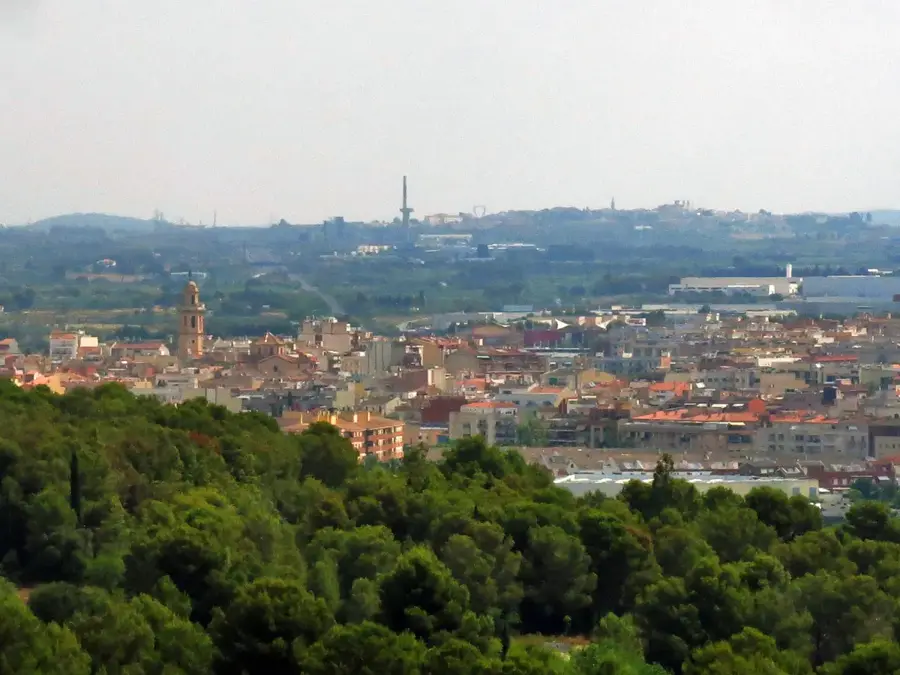
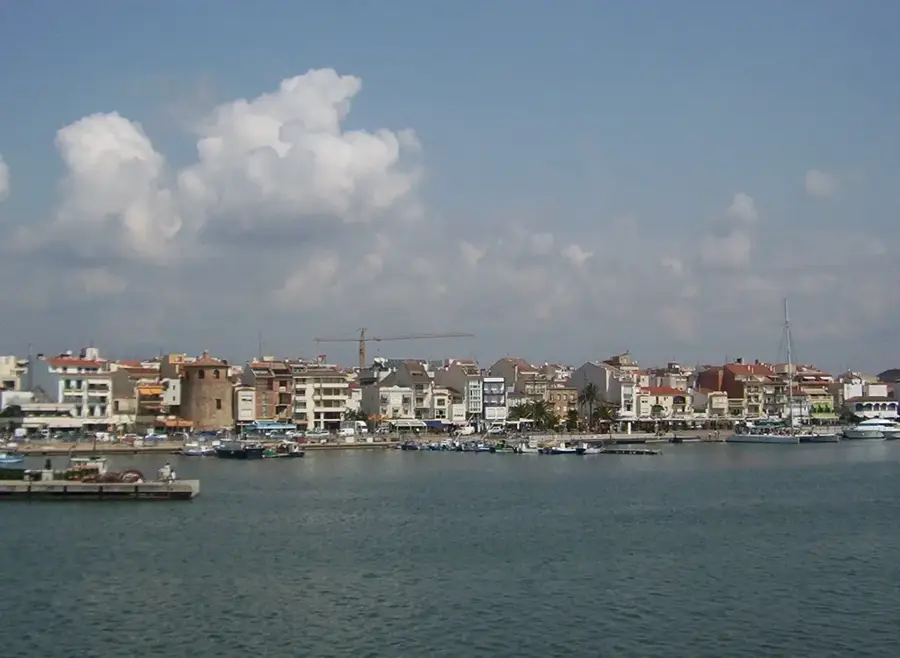
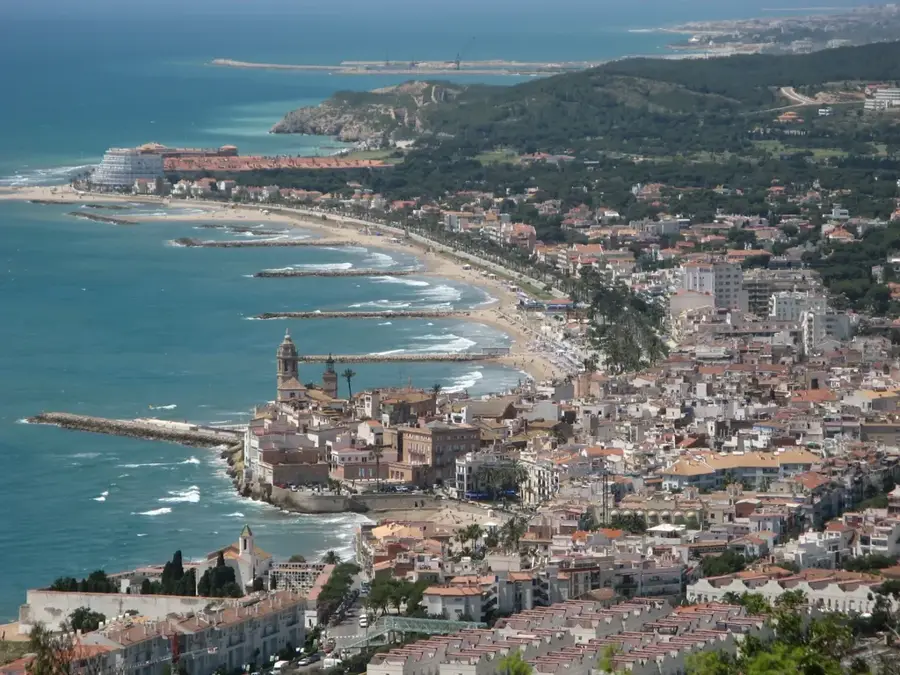
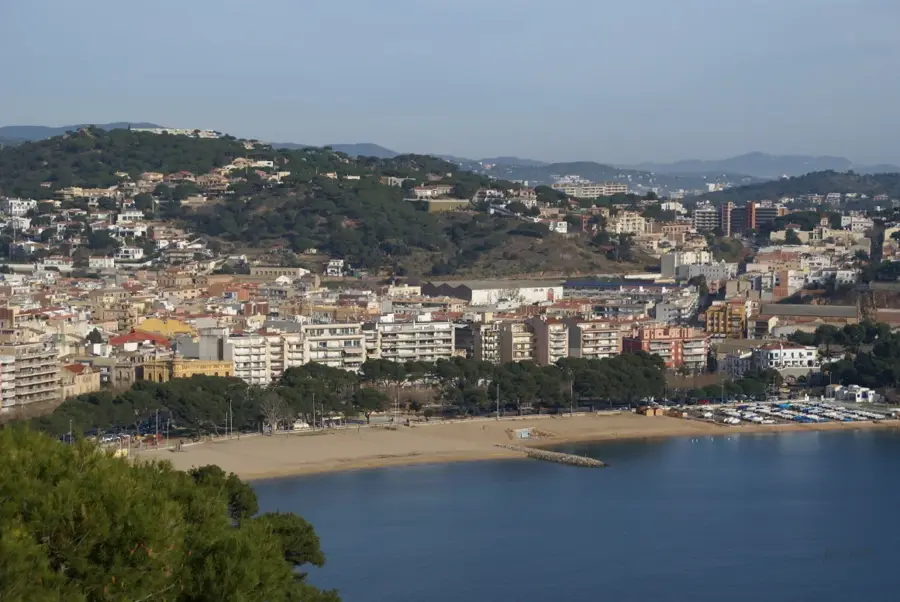
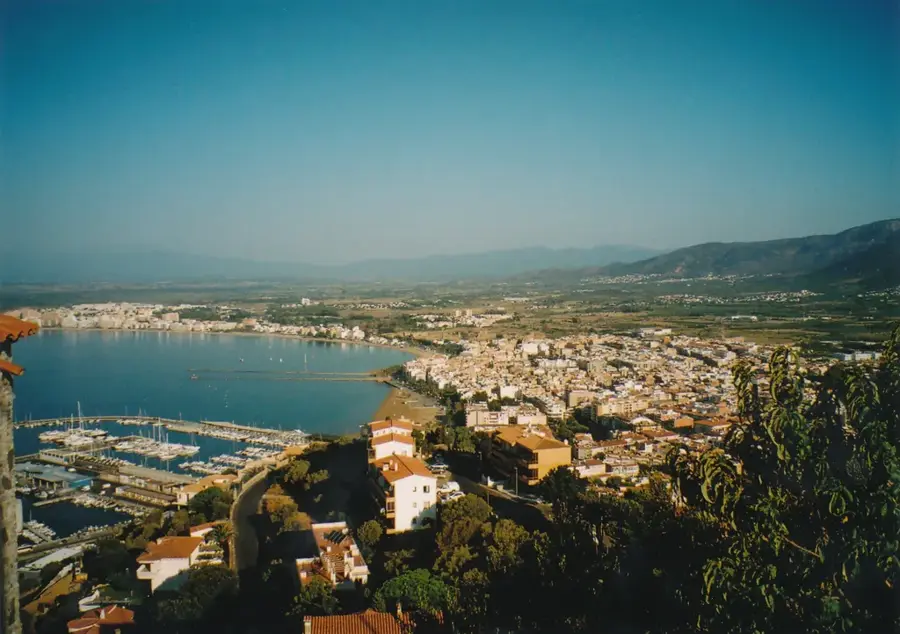
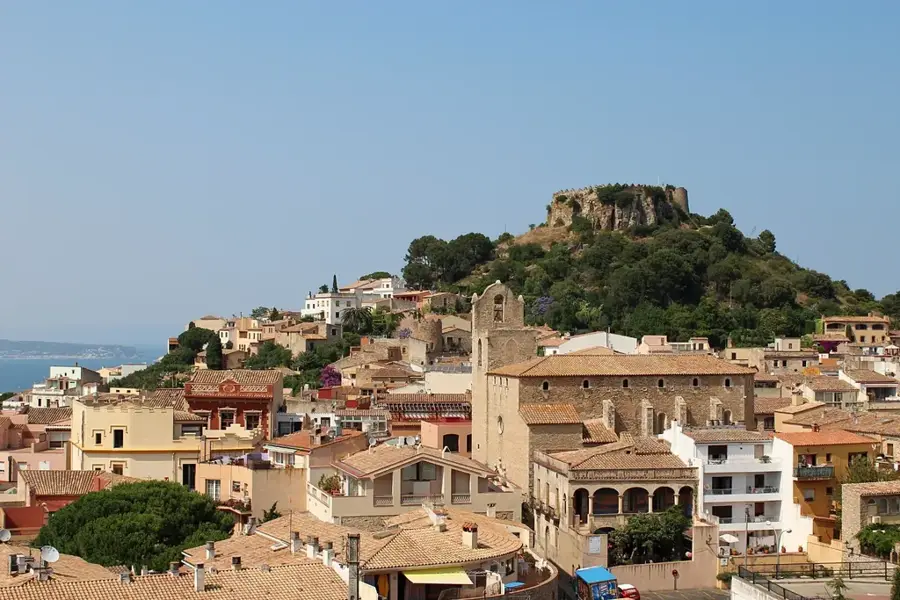
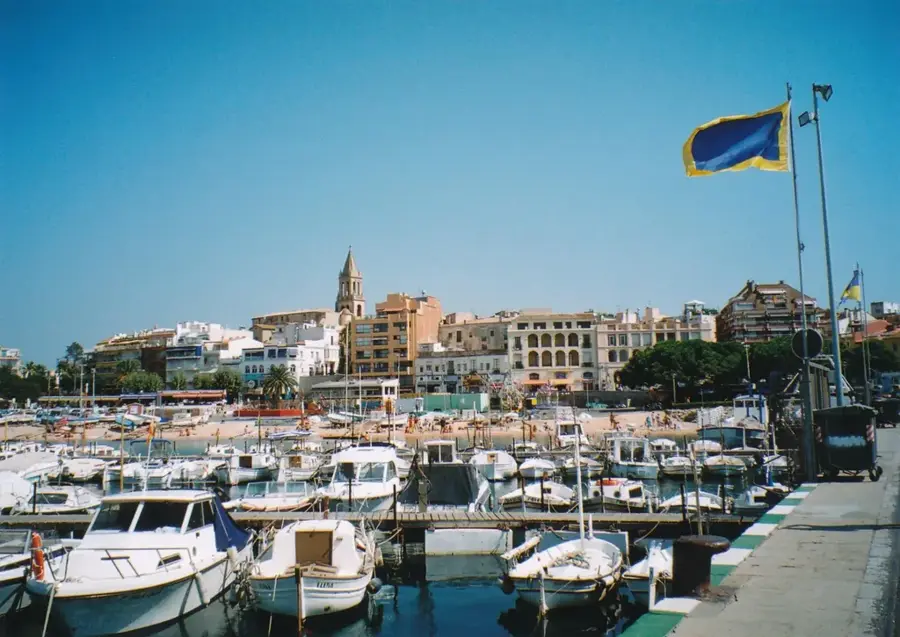
Palamós is a genuine, working port town that holds immense culinary fame throughout Spain for one highly prized local delicacy: the intensely flavorful red prawn known as the Gamba de Palamós. Unlike purpose-built holiday resorts, Palamós retains a strong year-round local character deeply anchored to its expansive fishing and commercial harbor. Visitors can dive into the region's seafaring heritage at the fascinating Fishing Museum (Museu de la Pesca), uniquely situated right on the docks, before staying to watch the lively afternoon fish auction as the trawlers return. The town's historic core is a labyrinth of narrow streets filled with authentic tapas bars serving the freshest daily catch. Beyond the town limits, the coastal path leads to some of the most unspoiled stretches of the Costa Brava, including the Platja de Castell, a beautiful sweep of sand completely backed by pine forests and free from buildings, and the incredibly pretty Cala S'Alguer, where historic fishermen's huts with brightly painted doors hug the rocky shoreline. Palamós perfectly balances coastal authenticity with exceptional gastronomy.
The most pleasant time to visit is Jun, Jul, Sep.
| Jan | Feb | Mar | Apr | May | Jun | Jul | Aug | Sep | Oct | Nov | Dec | |
|---|---|---|---|---|---|---|---|---|---|---|---|---|
| Avg °C | 9 | 9 | 12 | 14 | 17 | 22 | 24 | 24 | 21 | 18 | 13 | 10 |
| Rain mm | 52 | 44 | 60 | 71 | 63 | 35 | 34 | 37 | 58 | 91 | 65 | 42 |
See what it looks like near Palamós right now.
Palamos · 0.8 km · Open webcam on Windy · Webcams provided by Windy.com
Notable places around
Where do you start? We build the route here, with stops and country notes along the way.
© OpenStreetMap contributors · OpenRouteService
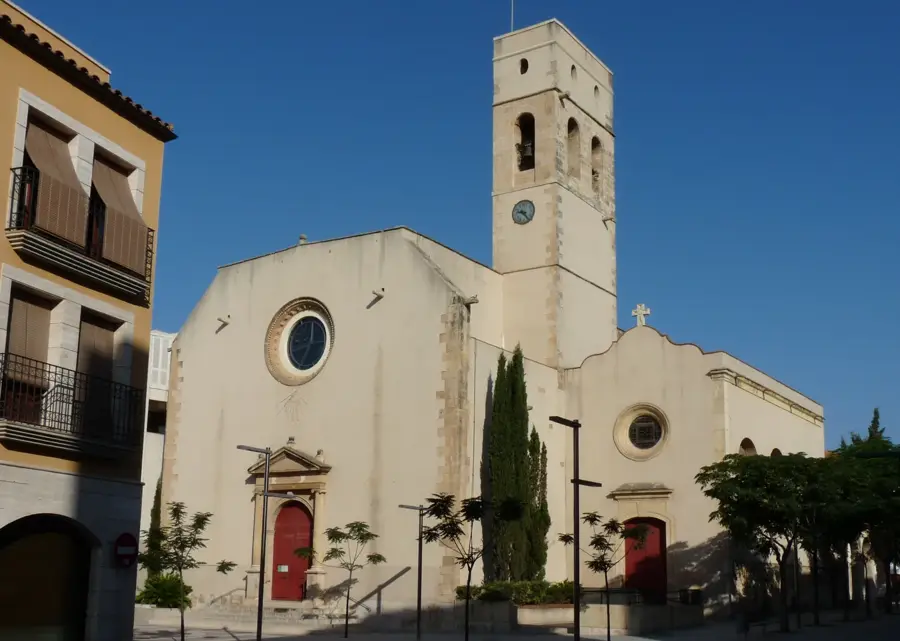
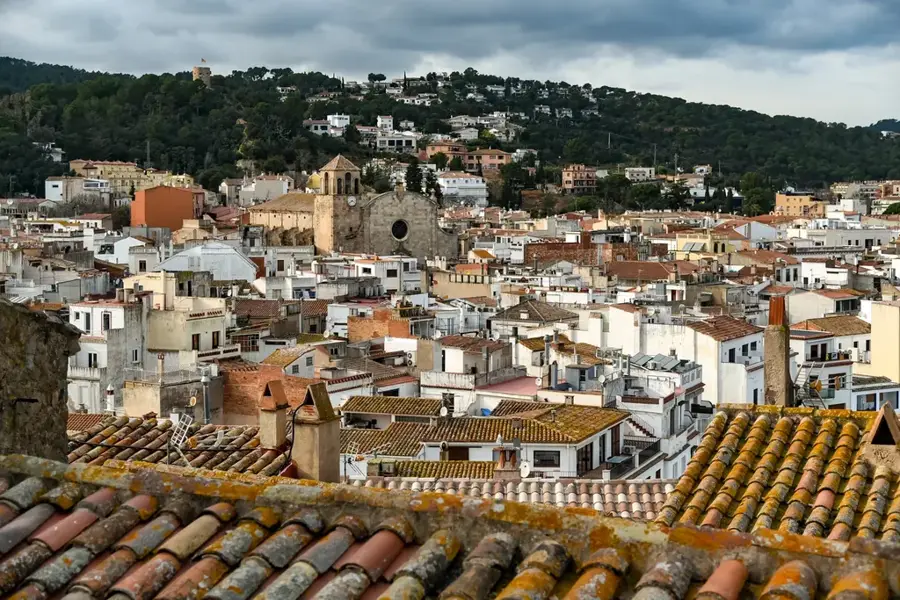
Palamós lives from the sea. Start your tour at the bustling port and dive into maritime history at the Fishing Museum. Then visit the Church of Santa Maria in the center of the old town and stroll to the lighthouse for a sea breeze. In the afternoon, the Camí de Ronda coastal path offers spectacular views of the rocky coast and hidden coves. Finish your walk by watching the daily fish auction in the late afternoon.
Start your morning at the Port of Palamós, where the grey sky and active fish market create a moody, authentic atmosphere. An umbrella is essential today. By midday, the Fishing Museum provides a warm, dry sanctuary to explore the town's deep maritime roots through fascinating exhibits. As afternoon sets in, walk through the narrow, sheltered streets of the old town to reach the Church of Santa Maria. End the day with a brisk walk to the lighthouse; though the Camí de Ronda is slippery, the view of the stormy Mediterranean is powerful.
Enjoy the crisp winter air at the port this morning, with the sun hanging low over the calm Mediterranean waters. By midday, the Fishing Museum is a wonderfully climate-controlled space to warm up away from the chilly sea breeze. An afternoon walk to the Church of Santa Maria takes you through the softly lit old town streets, which are peaceful in winter. Your day ends early at the lighthouse. The sunset around 17:30 paints the coast in dramatic oranges before the night air turns cold.
Ride along the flat harbor promenade and on to the lighthouse. A perfect start for a bike tour. The route takes you to La Fosca beach, an ideal spot for a long swim and a rest on the sand. Visit the nearby ruins of Sant Esteve Castle and ride on to the idyllic Cala s'Alguer with its colorful boathouses. Return to the harbor in the late afternoon to end the day in a relaxed way.
Start your bike tour at the port carefully, as the damp salt makes the ground slippery. A waterproof poncho is your best friend today. By midday, cycle to the lighthouse and on to La Fosca. The sea spray mixes with the rain for a wild coastal experience. In the afternoon, the path leads to Sant Esteve Castle and Cala s'Alguer. The unpaved sections might be muddy, adding to the adventure. Return in the late afternoon to the Fishing Museum to warm up and park your bikes safely in a dry spot.
Start at the cool harbor this morning. The air is refreshing and traffic is minimal, making for a very relaxed cycling experience. By midday, the tour leads to the lighthouse and La Fosca. The low winter sun glitters beautifully on the rolling waves. In the afternoon, explore Sant Esteve Castle and the picturesque Cala s'Alguer. The colors of the fishermen's huts are especially vivid in winter light. End your tour at the Fishing Museum. Since it gets dark early, aim to be back in the town center by 17:00.
By car, you can quickly reach all the highlights of Palamós. Start culturally at the harbor with the Fishing Museum. Spend the midday at the wide sandy beach of La Fosca, which is easily accessible by car. Visit the fortress ruins of Sant Esteve and drive on to the charming Cala s'Alguer, one of the best-kept secrets of the coast. The Palamós lighthouse is the perfect ending with a wide view over the sea.
Start your day comfortably by car at the Fishing Museum. Parking right at the harbor is easiest during rainy weather. By midday, drive to La Fosca. Enjoy the view of the surf from the safety and warmth of your vehicle. In the afternoon, head to Sant Esteve Castle and Cala s'Alguer. The short walk from the parking lots minimizes your time in the rain. End the day at the Palamós Lighthouse. As the rain lashes against the windows, the tower's light feels especially protective and welcoming.
Enjoy a relaxed winter morning by car. Start at the Fishing Museum, where parking is completely stress-free during the off-season. By midday, drive to La Fosca. The beach is quiet and the crisp air allows for far-reaching views across the Mediterranean. Visit Sant Esteve Castle and Cala s'Alguer in the afternoon. By car, you can reach these secluded spots without staying in the cold too long. Finally, head to the lighthouse. The car's heater makes waiting for the early sunset especially cozy.
May to October is best. Prawn season runs April-December, when restaurants get the freshest catch. In August catch the live fish auction, but book hotels early. Winter is quiet but the Fishing Museum is always worth a visit.
Palamós is safe. Watch pickpockets along the summer promenade. La Fosca beach is family-friendly but the sea turns rough quickly with Tramuntana wind, always check the beach flags.
Palamós is a real working port where Catalan dominates. At the fish harbour and auction you'll hear almost only Catalan. 'Gambes de Palamós' (the famous red prawns) is the phrase you'll see everywhere.
A dedicated museum in Palamós port exploring the fishing heritage of the Mediterranean.