Plizio Visual Lab
Garrotxa Volcanic Zone
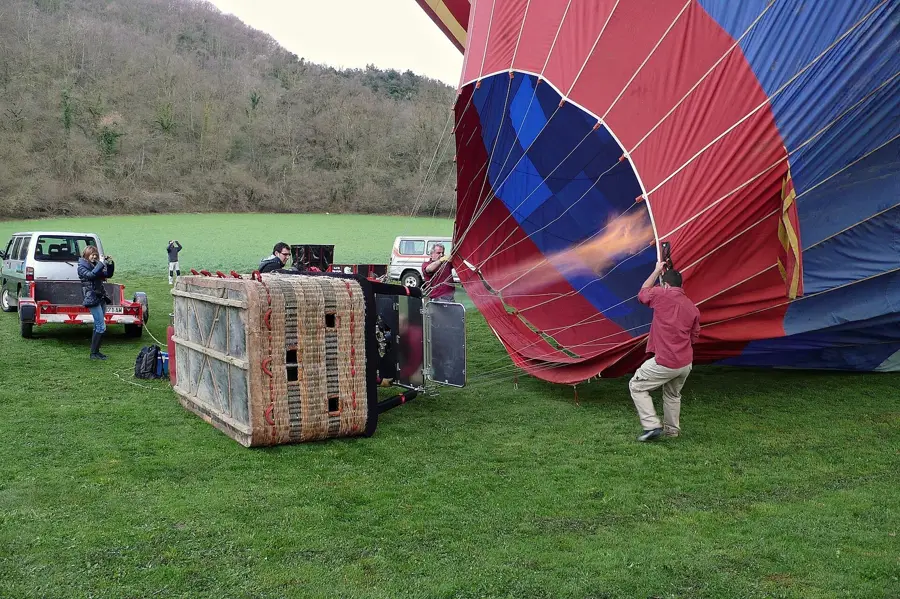
The Garrotxa Volcanic Zone, located in the Catalan province of Girona, is widely recognized as the most significant and best-preserved volcanic landscape on the Iberian Peninsula. This extensive natural reserve encompasses an area featuring approximately 40 dormant volcanic cones and more than 20 solidified lava flows, all blanketed by a fertile layer of dark volcanic ash. Although the last eruption occurred around 11,000 years ago, the geological structure of the region remains remarkably intact. The unique combination of nutrient-rich volcanic soil and a damp, rainy microclimate has fostered an exceptionally lush and dense vegetation rarely seen in the Mediterranean. A major highlight is the Fageda d'en Jordà, a fairy-tale beech forest growing directly atop the undulating lava flow of the Croscat volcano. With its twisted trees and moss-draped lava boulders, the forest creates a surreal, enchanting environment. Another key attraction is the Santa Margarida volcano, which features a wide crater hiding a tiny, isolated Romanesque hermitage at its very center.
- Location: Galicia, Spain
- Top sights: Pedra del Diable · Castell de Santa Pau · Garrotxa Volcanic Zone Natural Park
- Nearby: Olot (6 km)
Best time to visit & climate
The most pleasant time to visit is Jun–Aug.
| Jan | Feb | Mar | Apr | May | Jun | Jul | Aug | Sep | Oct | Nov | Dec | |
|---|---|---|---|---|---|---|---|---|---|---|---|---|
| Avg °C | 5 | 6 | 9 | 12 | 16 | 21 | 23 | 23 | 19 | 15 | 9 | 6 |
| Rain mm | 43 | 38 | 51 | 60 | 57 | 36 | 35 | 40 | 52 | 76 | 57 | 33 |
📋 Practical info
Geography
Facts
- The reserve safeguards 40 dormant volcanic cones and over 20 basaltic lava flows
- The region's most recent volcanic eruption took place roughly 11,000 years ago
- The Croscat volcano boasts the largest volcanic cone on the Iberian Peninsula
- The magical Fageda d'en Jordà beech forest flourishes entirely on a lava flow
- A small Romanesque hermitage is situated perfectly in the center of a crater
- The nutrient-dense volcanic soil supports surprisingly lush broadleaf forests
- The region was officially declared a protected Natural Park in the year 1982
Explore nearby
Notable places around
Route planner — Car & Motorhome
Where do you start? We build the route here, with stops and country notes along the way.
© OpenStreetMap contributors · OpenRouteService
Sights in the town Garrotxa Volcanic Zone (7)
Sights nearby
Frequently asked questions
Are the volcanoes still active?
Which volcano is the most famous?
Are there museums there?
Can you hike through the beech forests?
Are there hot air balloon flights?
Garrotxa Volcanic Zone: where is it located?
Garrotxa Volcanic Zone: what is there to see?
Garrotxa Volcanic Zone: when is the best time to visit?
Garrotxa Volcanic Zone: why is it worth visiting?

Nearby cities