Virgen de la Oliva Festival
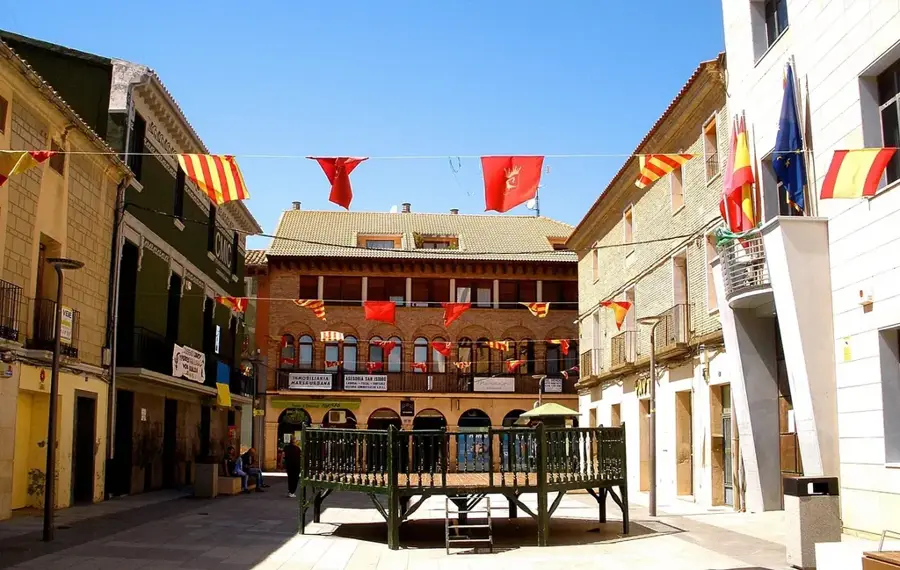
From 30 August to 7 September Ejea de los Caballeros celebrates its patroness, the Virgen de la Oliva, with nearly two hundred mostly free events. The floral offering and Sunday procession are the highlight.
PlizioGo
Roast young lamb. Look for traditional Aragonese restaurants in the town center for the most authentic taste.
A hearty dish made of breadcrumbs, garlic, and pork, often served as a starter in local taverns.
Best picked up at a traditional carnicería (butcher) or the municipal market.
Look for wines from the nearby Campo de Borja or Cinco Villas areas in local liquor stores.
The weekly market is the first-rate place to buy seasonal fruits and vegetables directly from farmers.
A well-maintained green space well-suited for a relaxing afternoon stroll in the city.
A nearby wetland area that features peaceful walking paths and birdwatching opportunities.
Water temperature…
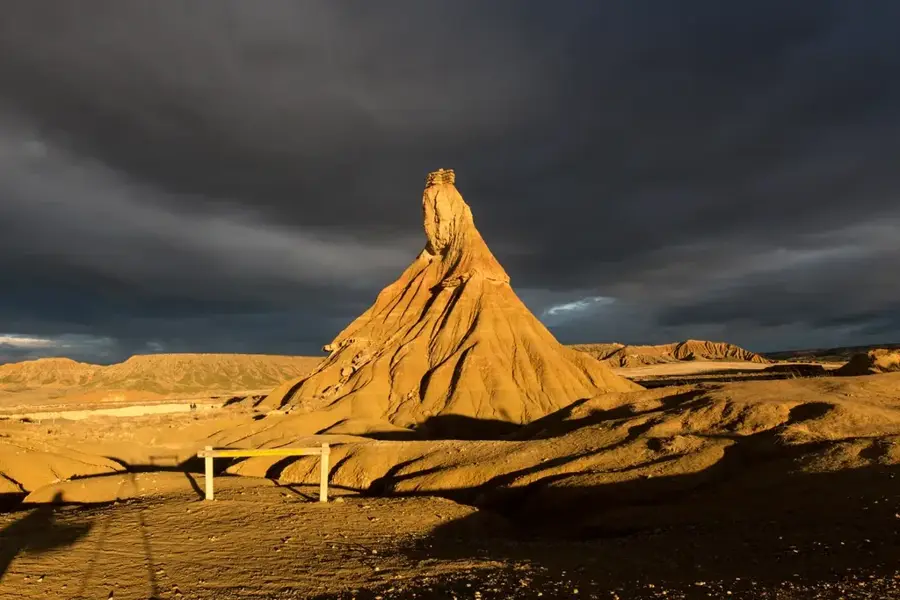
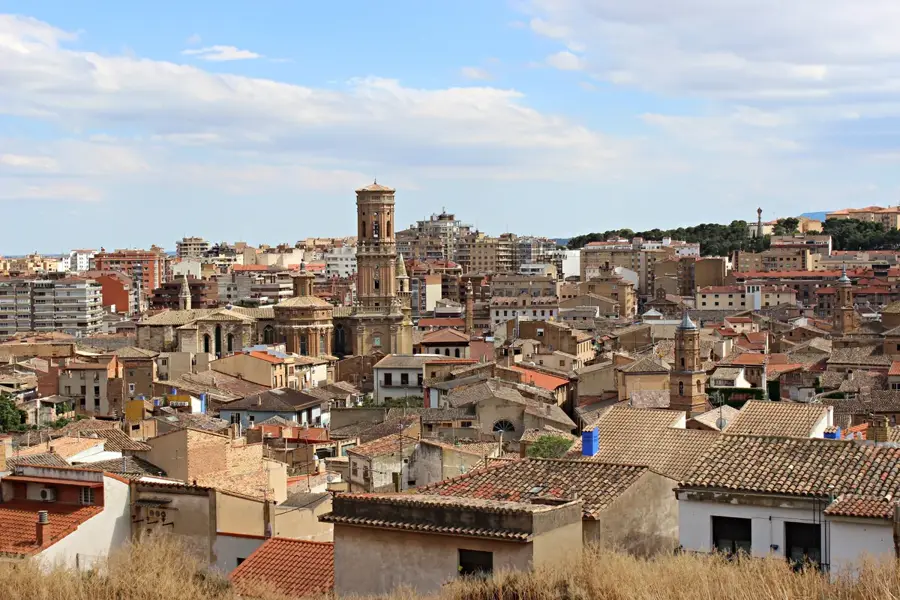
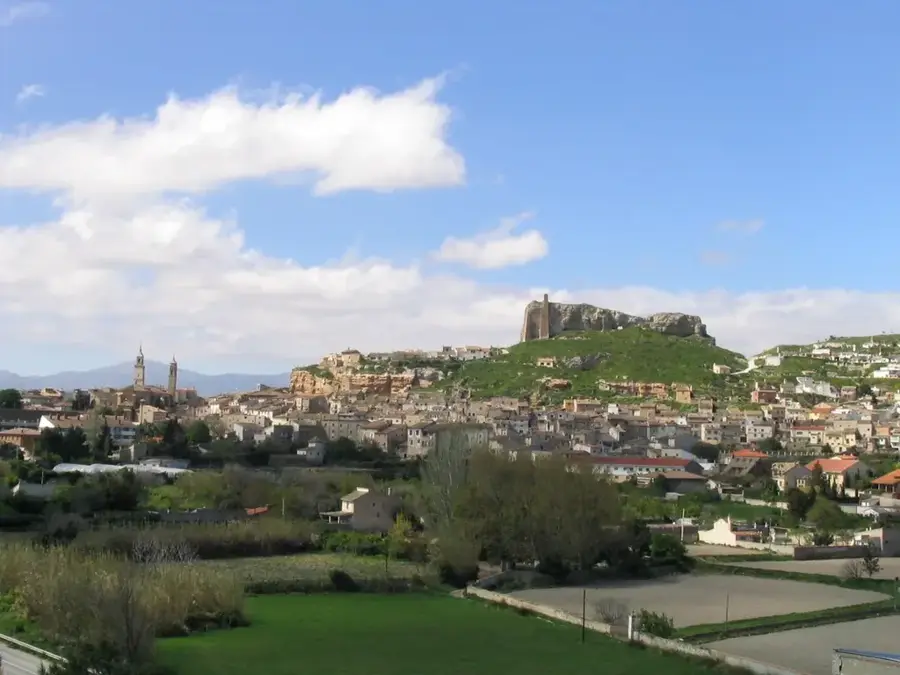
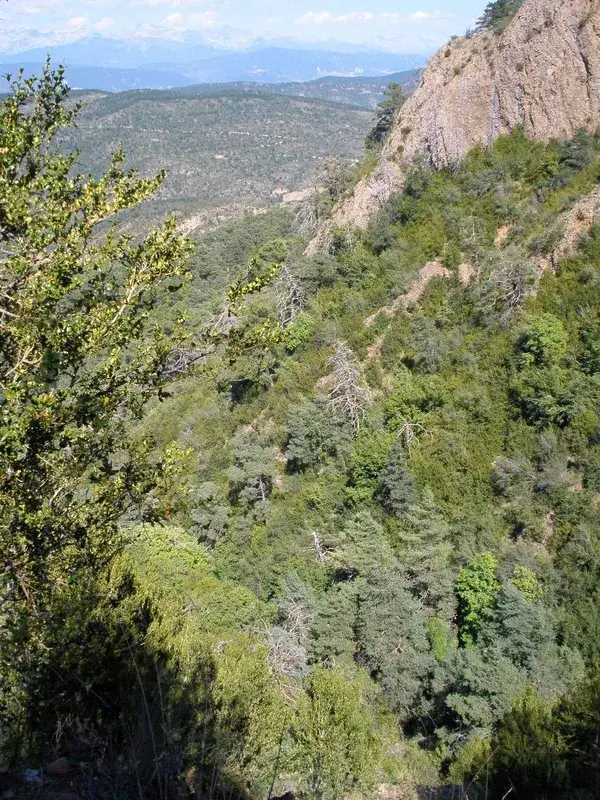
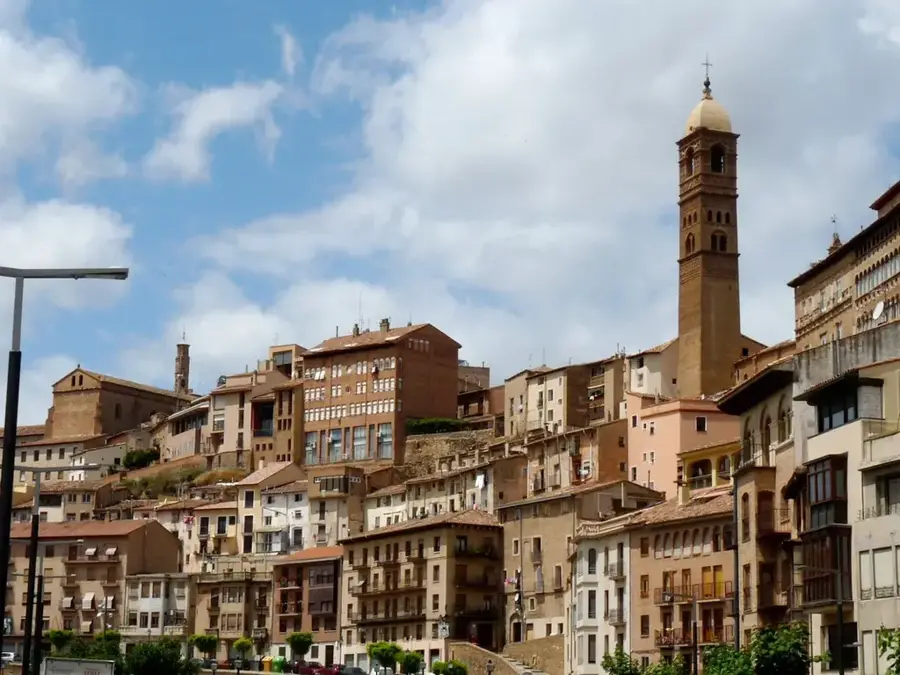
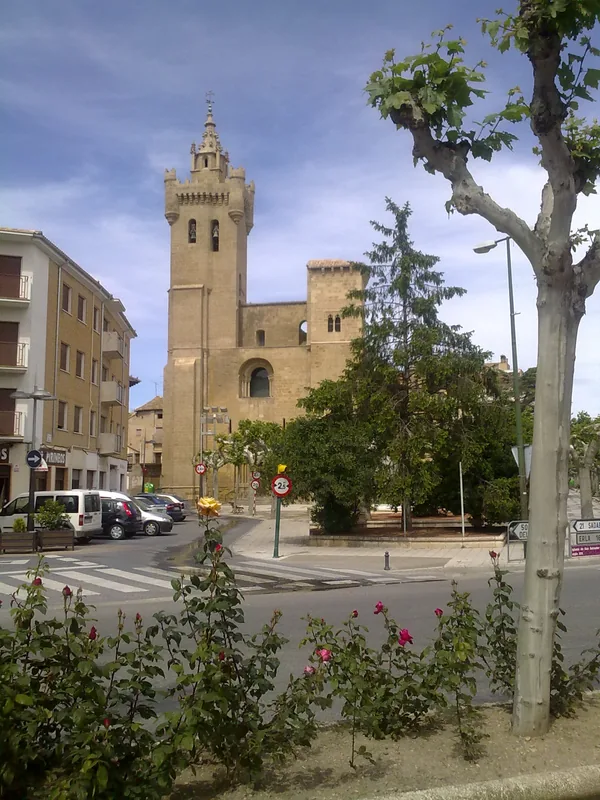
Ejea de los Caballeros is the capital of the Cinco Villas region in the province of Zaragoza and one of Aragon's most historically significant towns. The name 'de los Caballeros' commemorates the knights who reconquered the city in 1105 under Alfonso I. Ejea is renowned for its impressive churches, San Salvador and Santa María, both featuring Romanesque portals of exceptional beauty. In the 20th century, the construction of the Bardenas Canal transformed the town into a major agricultural hub, leading to the establishment of several new settlements in the vicinity. Today, Ejea is an engine of the regional economy, particularly in the agricultural machinery industry and technological innovation. The surrounding landscape provides a gateway to the Bardenas Reales Natural Park, making it an attractive destination for nature enthusiasts.
The most pleasant time to visit is Jun, Aug, Sep.
| Jan | Feb | Mar | Apr | May | Jun | Jul | Aug | Sep | Oct | Nov | Dec | |
|---|---|---|---|---|---|---|---|---|---|---|---|---|
| Avg °C | 5 | 6 | 9 | 12 | 16 | 21 | 24 | 24 | 20 | 15 | 9 | 6 |
| Rain mm | 39 | 33 | 45 | 50 | 48 | 41 | 21 | 20 | 31 | 44 | 47 | 28 |
Notable places around
Where do you start? We build the route here, with stops and country notes along the way.
© OpenStreetMap contributors · OpenRouteService
Ejea de los Caballeros, the historical capital of the Cinco Villas region, boasts a rich architectural heritage. The walk begins in the ancient streets of Barrio del Cinto, leading to robust Romanesque churches. After exploring noble residences and intricate stone carvings, the Parque Lineal del Gancho provides a green haven for relaxation.
In the morning, we explore the narrow streets of the Cinto district with umbrellas, where the stone walls glisten in the rain. At noon, we find refuge within the majestic San Salvador and Santa María churches, enjoying their dry and quiet interiors. In the afternoon, we take a short stroll through Gancho Park before retreating to a cozy cafe near Plaza de la Villa. The evening ends warmly with local tapas in the old town, away from the wet streets.
A winter morning in Ejea starts briskly as the Cierzo wind blows through the Cinto district. We warm up within the thick walls of San Salvador and Santa María churches, where winter sunlight filters through the windows. In the early afternoon, we enjoy the bright hours in Gancho Park before dusk falls at 5:00 PM. The evening is spent cozily with a glass of local Cinco Villas wine while the cold bites outside.
Exploring Ejea by bike is highly recommended. After visiting the historical churches, enjoy a relaxed ride through the Parque Lineal del Gancho. Next up is the vast Aquagraria Museum, concluding with a short trip outside town to the Ermita de la Virgen de la Oliva.
Cycling in the rain requires caution in Ejea on the wet pavement of Plaza de la Villa. We quickly duck into San Salvador church for a cultural break. We spend the afternoon extensively at the Aquagraria Museum, the best place to stay dry and admire technology. The ride to the Ermita is short and wet, but the view of the stormy landscape is dramatic. In the evening, we dry off in town with wine and tapas.
A winter bike tour through Ejea requires warm clothing against the Cierzo wind. The morning at Plaza de la Villa is sunny but cold. We warm up in San Salvador church before cycling through the bare but peaceful landscape of Gancho Park. The Aquagraria Museum provides a welcome heating phase at midday. The final climb to the Ermita rewards us with crisp winter air and an early sunset over the Pyrenees.
Combining short drives with walking clusters is perfect for Ejea. Park in the center to explore the historic Plaza de la Villa and Barrio del Cinto on foot. Later, drive to the Aquagraria Museum, taking a stroll to the adjacent park afterwards. Conclude with a scenic drive to the Ermita.
By car, Ejea is most comfortable to explore in the rain. We park near Plaza de la Villa and visit Santa María church while staying dry. The drive to the Cinto district offers views from the window before spending the afternoon at the Aquagraria Museum. Gancho Park can be admired from the parking lot. The drive to the Ermita is safe and dry, with a wide view over the rain-soaked fields of Aragon.
Winter Ejea can be enjoyed warmly in the car. We start at Plaza de la Villa, where the low sun illuminates the facades. Driving through Cinto shows the charm of the empty winter streets. At noon, the Aquagraria Museum is perfectly heated. We make a short stop at Gancho Park to see the frost on the lake. The day ends at the Ermita with a spectacular sunset in the crisp, cold air.
Aquagraria is a museum in Ejea de los Caballeros.
The Museo de las Tres Culturas is a museum in Ejea de los Caballeros.