San Bartolomé Festival
On 24 August Borja celebrates one of its most popular festivals, where the brotherhood performs the traditional Paloteao stick-and-ribbon dance. The next day a pilgrimage heads to the Sanctuary of Misericordia.
PlizioGo
Sample the robust red wines made from the local Garnacha grape at the wineries around the Campo de Borja region.
Try this traditional Aragonese stew, often prepared during local festivals or available in rustic local eateries.
Look for this classic, simple local dessert combining regional fruit and Borja wine at traditional restaurants.
Purchase bottles of the acclaimed Campo de Borja DO wine directly from the source just outside town.
Stop by the bakeries near the main square to buy local sweets and artisan bread.
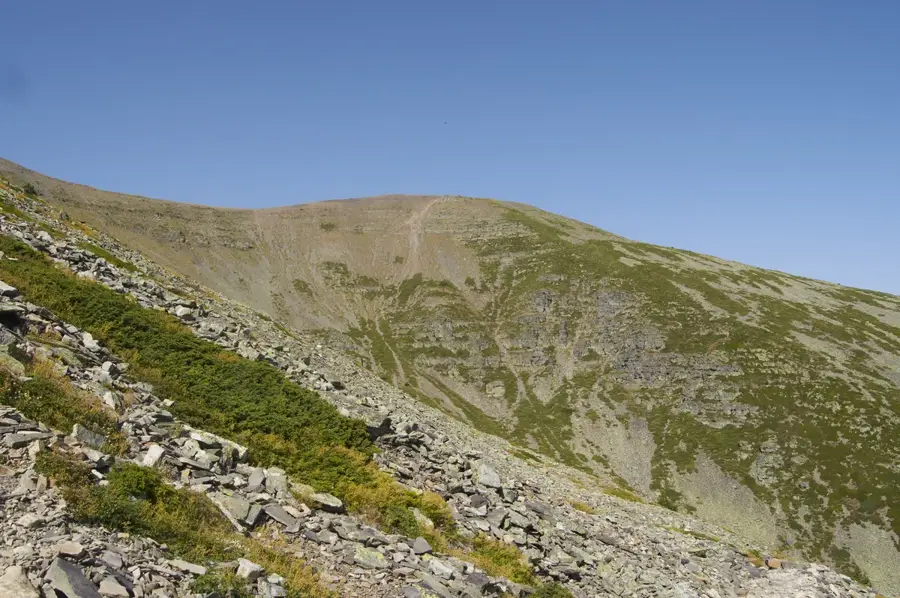
Walk the pine-shaded paths around the sanctuary for a quiet retreat and excellent views of the Moncayo mountain.
Visit this peaceful small reservoir outside the city, popular among locals for walks and bird watching.
Water temperature…
On 24 August Borja celebrates one of its most popular festivals, where the brotherhood performs the traditional Paloteao stick-and-ribbon dance. The next day a pilgrimage heads to the Sanctuary of Misericordia.
In early May Borja celebrates its patroness, the Virgen de la Peana, over about four days. The highlight is the Rosario de Cristal, a glass-lantern procession dating to 1928, recognised as a festival of regional tourist interest.
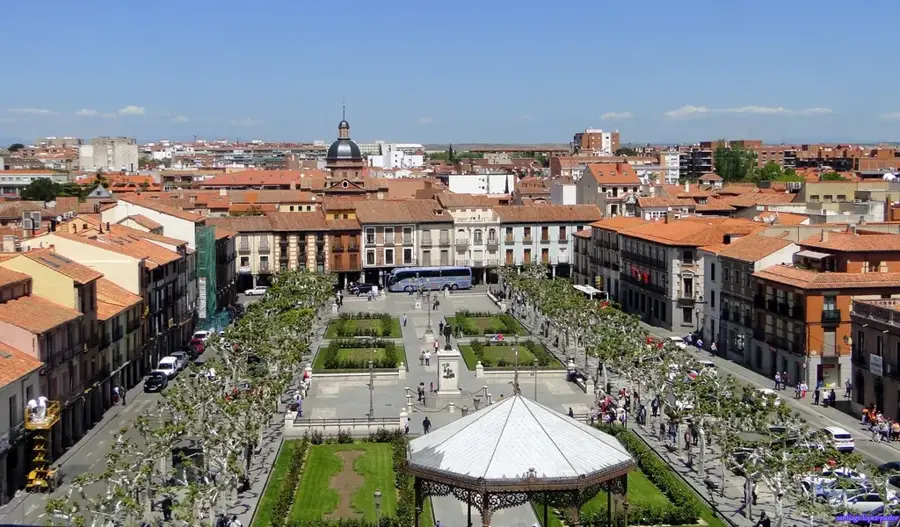
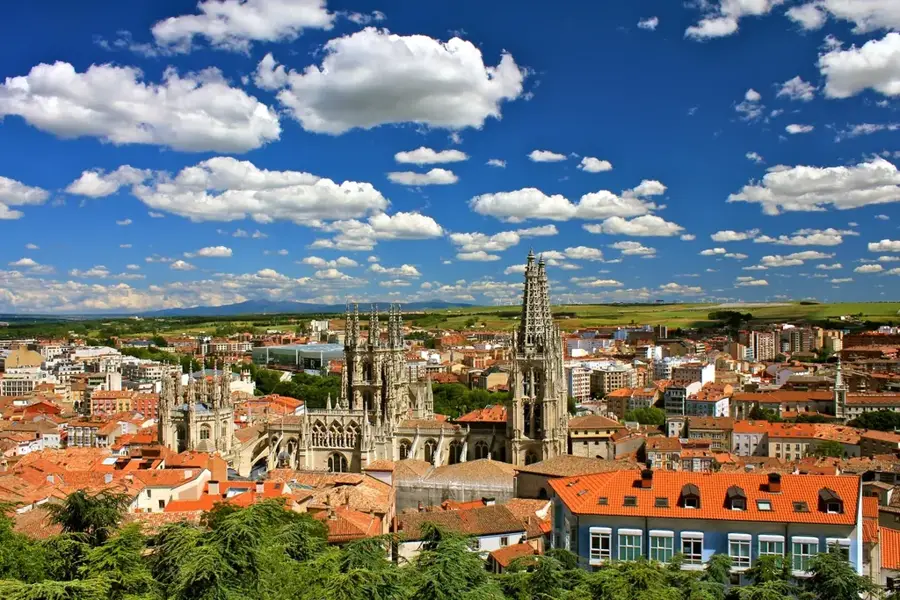
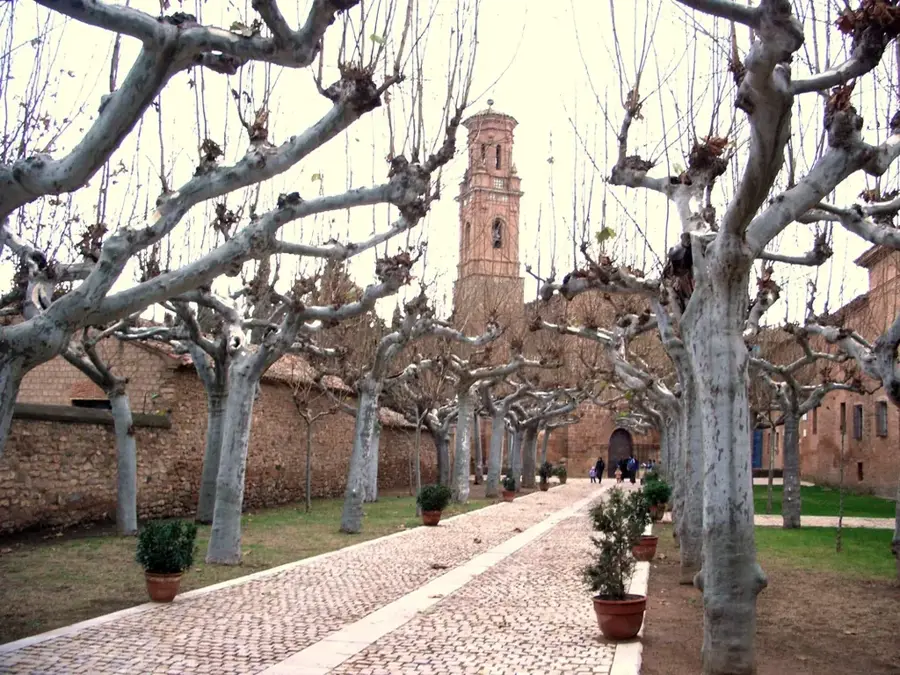
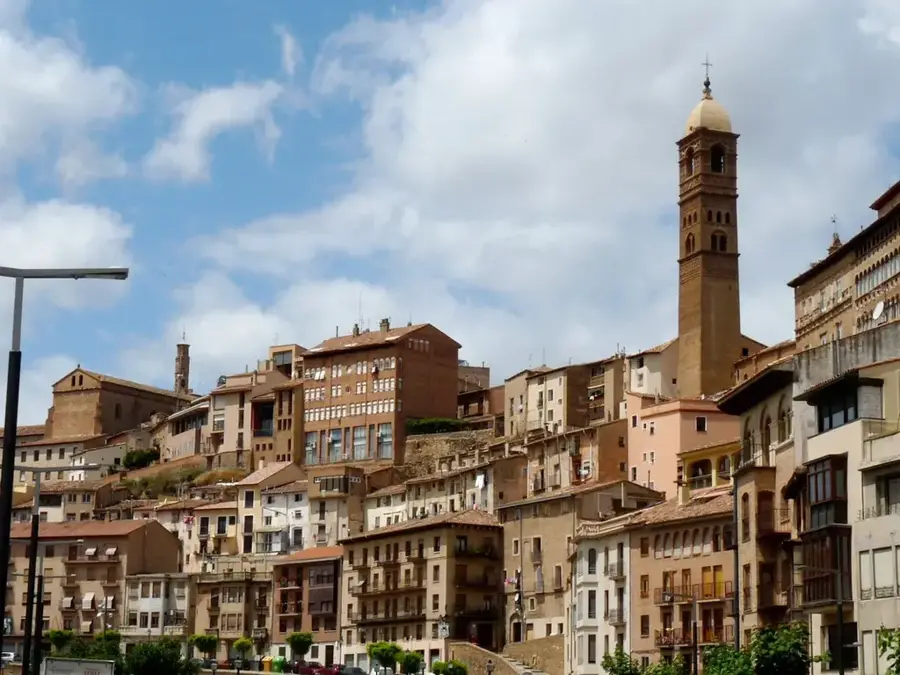
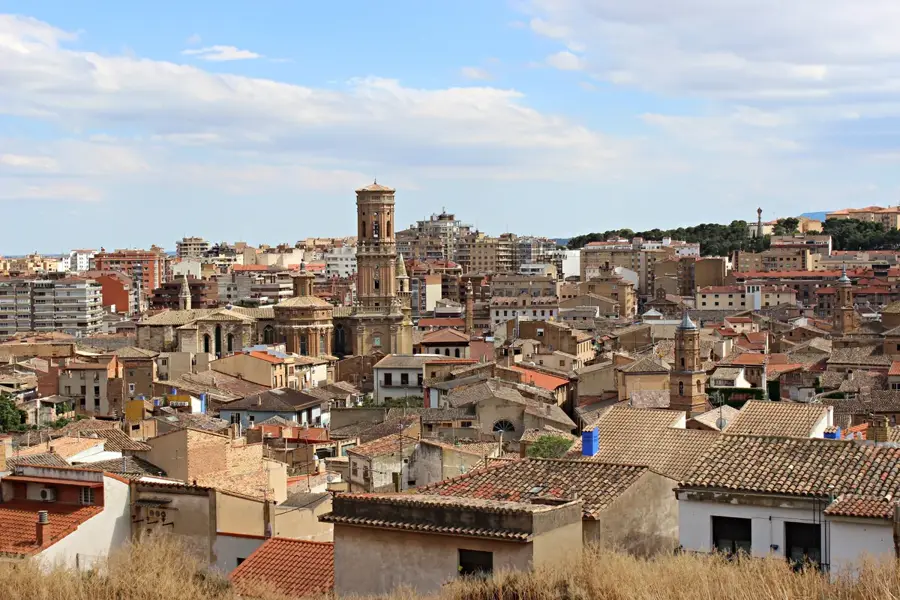
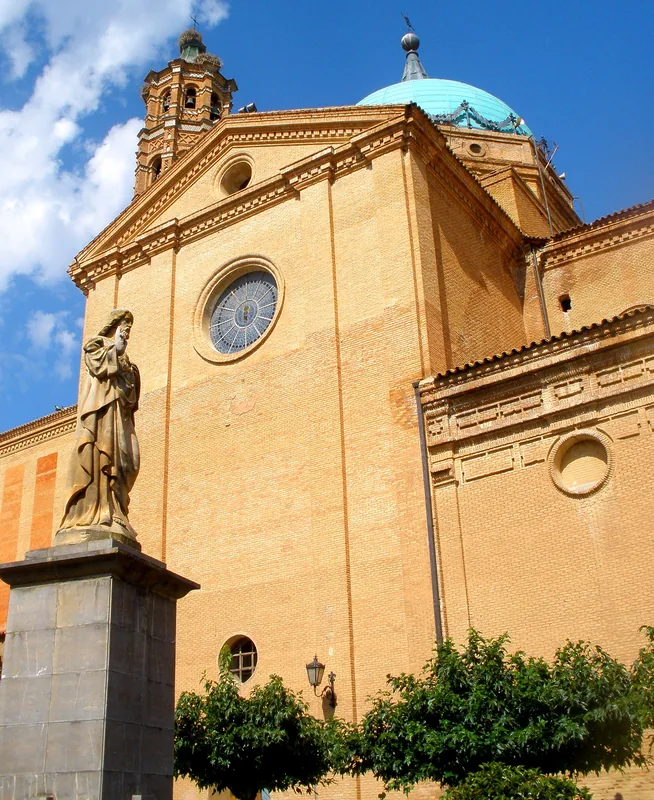
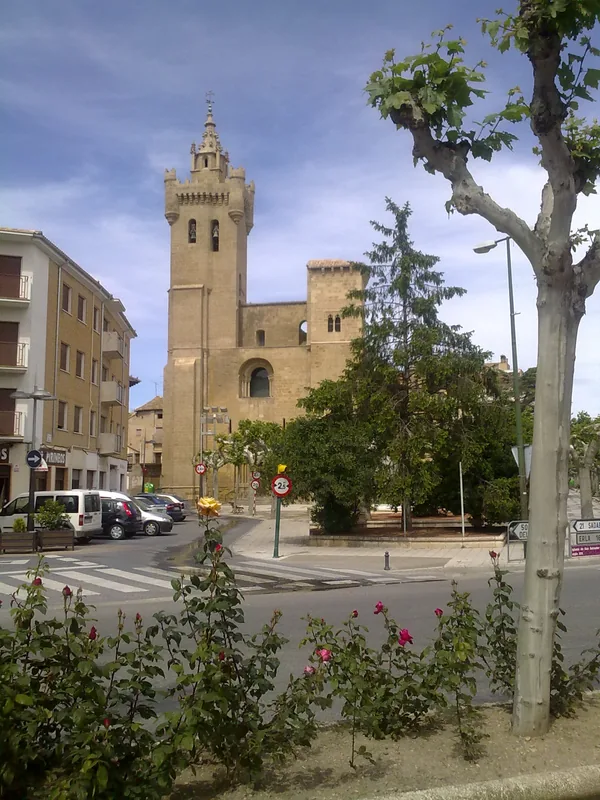
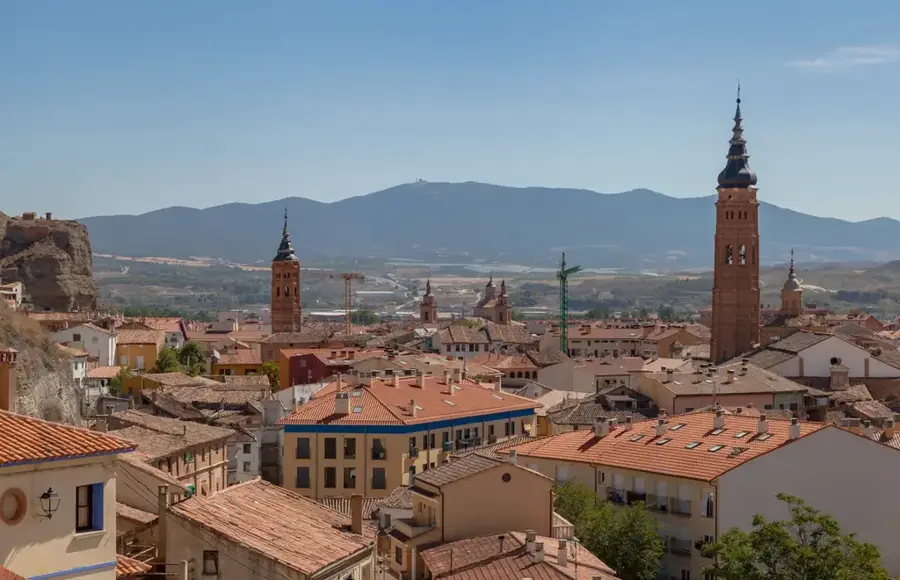
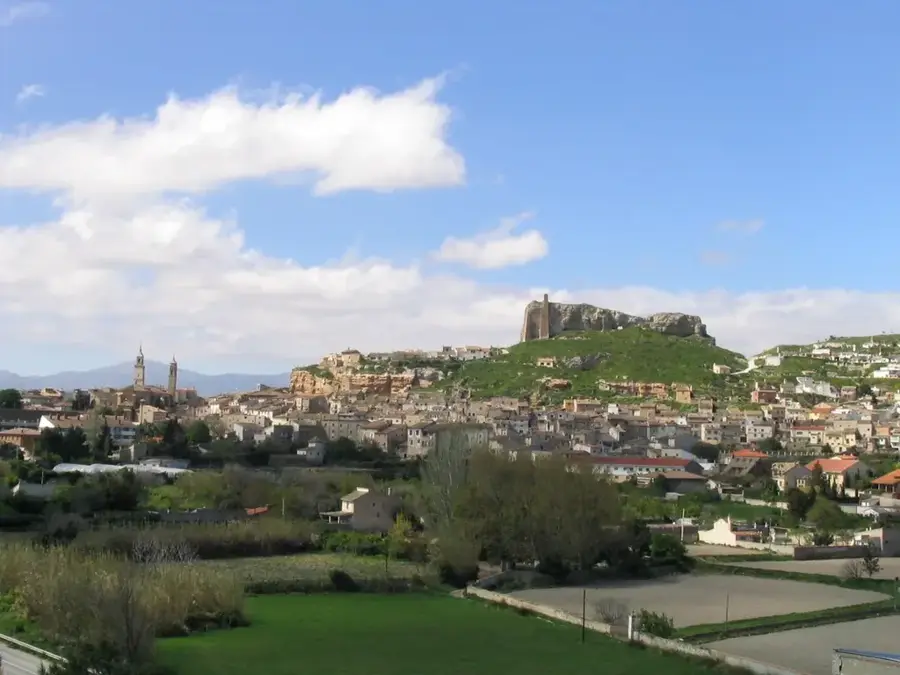
Borja is a historic town in the province of Zaragoza and the heart of the wine-growing region of the same name, D.O. Campo de Borja. The town gained significant importance in the 15th century and is closely linked to the Borgia family, whose ancestors originated from this area. Its historical center is dominated by the Collegiate Church of Santa María, which features an impressive blend of Gothic, Mudejar, and Baroque styles. In recent years, Borja gained worldwide fame due to the unconventional restoration of the 'Ecce Homo' fresco in the nearby Misericordia sanctuary, which triggered an unprecedented tourism boom. Beyond its cultural treasures, Borja is famous for its Garnacha grape wines that thrive on the region's rolling hills. The town preserves a rich heritage of noble palaces and medieval ruins, reflecting its strategic role as a border settlement.
The most pleasant time to visit is Jun, Aug, Sep.
| Jan | Feb | Mar | Apr | May | Jun | Jul | Aug | Sep | Oct | Nov | Dec | |
|---|---|---|---|---|---|---|---|---|---|---|---|---|
| Avg °C | 5 | 6 | 9 | 12 | 16 | 21 | 24 | 24 | 20 | 15 | 9 | 6 |
| Rain mm | 39 | 33 | 45 | 50 | 48 | 41 | 21 | 20 | 31 | 44 | 47 | 28 |
Notable places around
Where do you start? We build the route here, with stops and country notes along the way.
© OpenStreetMap contributors · OpenRouteService
Start your day at Plaza de España, the vibrant heart of Borja. In the morning, explore the historic noble palaces and the majestic Collegiate Church of Santa María, testaments to the city's rich past. The afternoon is dedicated to climbing the Castle of Zuda, where you'll get panoramic views over the region's vineyards. End your day with a glass of local wine, reflecting on the hidden gems you've uncovered.
Start with a bike ride to the famous Sanctuary of Mercy. After returning to the center, take a break in the Plaza de España. Midday is for exploring Borja's ecclesiastical heritage. In the afternoon, cycle up to the castle for the views before ending the day with a well-deserved wine tasting at a local bodega.
Start your day with a short drive to the Sanctuary of Mercy, world-famous for the 'Ecce Homo'. Enjoy the tranquility before driving to the center of Borja. Park your car and spend the morning exploring the old town on foot, including the impressive Collegiate Church. After a leisurely lunch, drive up to the Zuda Castle in the afternoon to end the day with a breathtaking view of the Garnacha vineyards.