Plizio Visual Lab

Doñana National Park
Plizio editorial teamData Sources
park
—°2
Doñana National Park (Spain)

Weather…

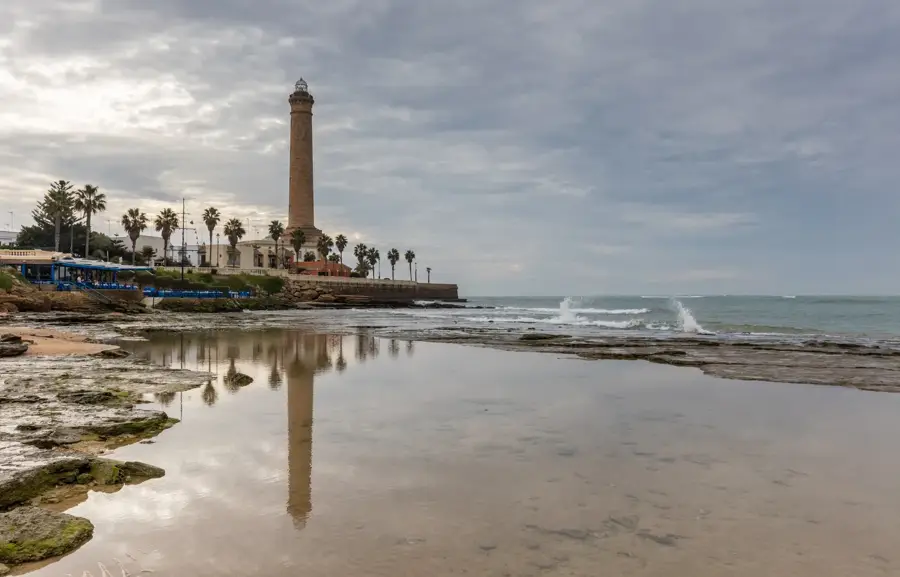
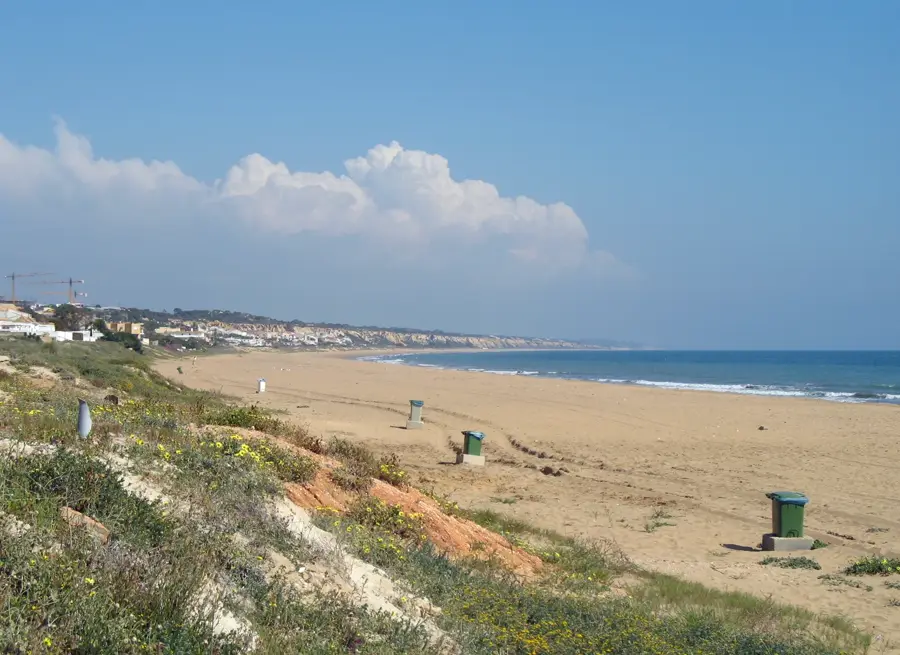
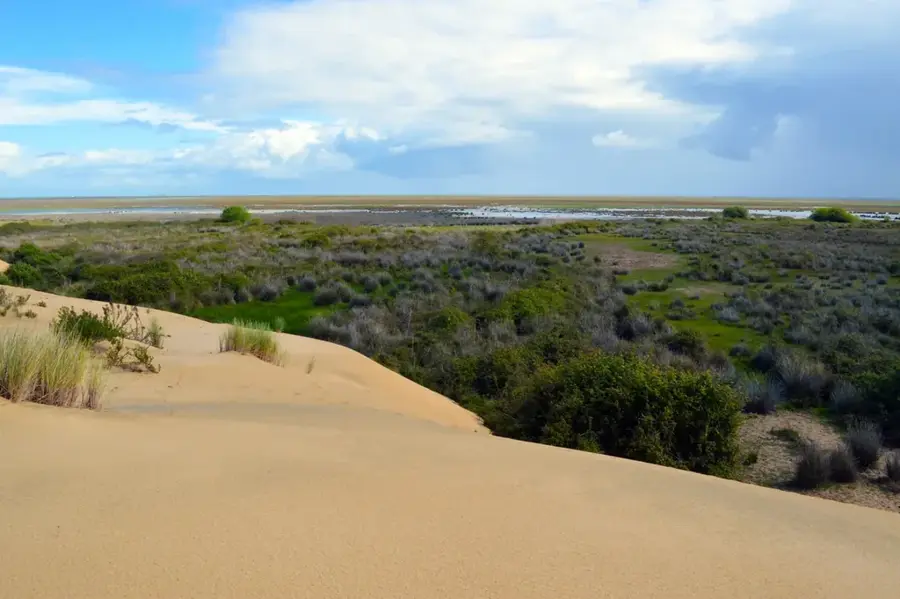
Doñana National Park spans the Andalusian provinces of Huelva, Seville, and Cádiz, and is widely considered one of Europe's most important nature reserves. Its unparalleled ecological significance stems from a fascinating mosaic of vast wetlands, shifting sand dunes, pine forests, and endless beaches. Particularly during winter and the spring and autumn bird migration seasons, the region transforms into a crucial refuge for hundreds of thousands of migratory birds arriving from the north. Furthermore, Doñana is globally renowned as one of the last remaining strongholds for the critically endangered Iberian lynx, as well as the rare Spanish imperial eagle. The unique dynamic between maritime influences and freshwater influx from the Guadalquivir River constantly shapes the ever-changing landscape of this fiercely protected and wild sanctuary.

Best time to visit & climate

The most pleasant time to visit is May, Jun, Sep.

JanFebMarAprMayJunJulAugSepOctNovDec
Avg °C111214162024272824201512
Rain mm535465552951323738065

📋 Practical info

🧭
Getting there
The main access points and visitor centers are usually reached from the towns of El Rocío or Matalascañas. Access to the core protected area is strictly and closely regulated.
📅
Best season
Spring and autumn are typically spectacular for observing migratory birds. Summers are very hot and dry, which frequently causes many of the shallow marshes to evaporate.
⛰️
Terrain & paths
The park features flat marshlands, shifting sand dunes, and pine woods. Walking is mostly restricted to designated trails and raised boardwalks near the visitor centers.
🎒
What to bring
Binoculars are a must for observing the diverse wildlife. Good walking shoes, a sturdy hat, high-factor sunscreen, and effective insect repellent are highly recommended.
🅿️
Parking
Official parking areas are provided at the various visitor centers on the park's periphery. Unsanctioned parking along narrow access roads is generally strictly prohibited.
⚠️
Safety
Never leave marked trails to protect the fragile environment and avoid getting hopelessly lost in the dunes. Be thoroughly prepared for intense sun and abundant mosquitoes.
⏱️
Time needed
Most visitors spend a half to a full day exploring the accessible trails, while official guided 4x4 tours into the highly restricted interior usually take several hours.

Geography

Coordinates
37.00120, -6.50230

Explore nearby

Notable places around
Route planner — Car & Motorhome

Where do you start? We build the route here, with stops and country notes along the way.

Vehicle
Only stops with (optional):

© OpenStreetMap contributors · OpenRouteService

Sights in the town Doñana National Park (2)

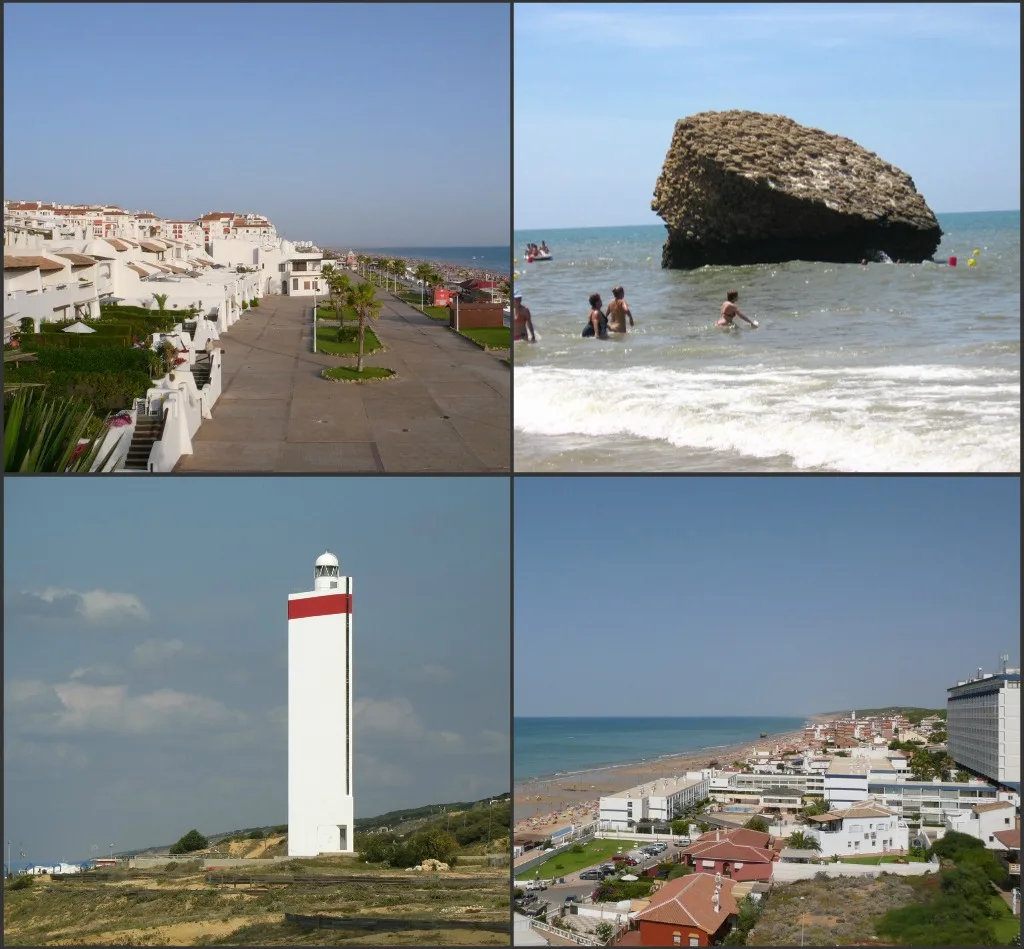
Playa de Matalascañas🎡 recreation

An extensive sandy beach on the edge of the Doñana National Park.

Piscina para bebes🎡 recreation

A shallow swimming pool specifically for infants in the Doñana area.

Sights nearby

Frequently asked questions

Why is Doñana so ecologically important?
It is a vital wetland for migratory birds and a refuge for the endangered Iberian lynx.
Are you allowed to enter the park on your own?
Access is strictly regulated; most zones are only accessible via official guided tours.
When is the best time for bird watching?
In spring and autumn, when thousands of birds stop here to rest during their migration.
Are there dunes in the park?
Yes, the shifting dunes of Matalascañas are one of the park's most fascinating landscapes.
How do I book a tour?
Through official visitor centers like 'El Acebuche', preferably online well in advance.
Doñana National Park: where is it located?
Doñana National Park is located in Galicia, Spain.
Doñana National Park: what is there to see?
Highlights include Playa de Matalascañas, Piscina para bebes.
Doñana National Park: when is the best time to visit?
The most pleasant time to visit is May, Jun, Sep.
Doñana National Park: why is it worth visiting?

Doñana National Park spans the Andalusian provinces of Huelva, Seville, and Cádiz, and is widely considered one of Europe's most important nature reserves.
View on map → The Top 50 Attractions → Most beautiful beaches → OpenStreetMap →
Europe
Explore with Plizio Discover more places in Europe
More places in Spain →

Nearby cities

History & landmarks