Doñana Nature Photography Festival
An autumn festival dedicated to the nature and wildlife of the Doñana National Park, featuring exhibitions, workshops, and tours around El Rocío.
PlizioGo
Try traditional Iberian pork dishes like 'secreto' or 'presa' at one of the rustic taverns near the main square.
Look for fresh seafood from the Huelva coast served in the traditional restaurants overlooking the marshlands (marismas).
Taste the local young wine (mosto) paired with olives and cheese in a traditional bodega.
You can find authentic ruffled dresses, leather boots, and traditional hats used for the pilgrimage in the shops around the center.
Look for handmade clay souvenirs and religious artifacts related to the Virgin of El Rocío at the village markets.
Walk along the boardwalk bordering the Doñana marshlands (marismas) to spot flamingos and wild horses.
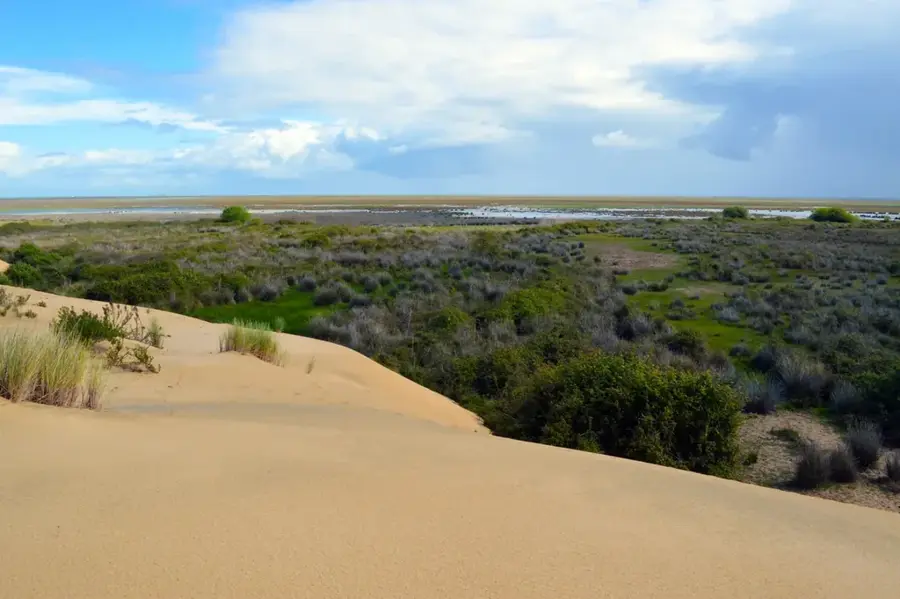
Enjoy the silence of the pine forests and sand dunes just a short walk away from the village limits.
Water temperature…
An autumn festival dedicated to the nature and wildlife of the Doñana National Park, featuring exhibitions, workshops, and tours around El Rocío.
An annual celebration in August commemorating the village of Almonte's vow of gratitude to the Virgen del Rocío for saving them from French troops in 1810.
An impressive spectacle where semi-wild horses are rounded up from the Doñana National Park and driven traditionally through the sandy streets of El Rocío.
The ecstatic climax of the Romería del Rocío in the early hours of Pentecost Monday, when the Almonte brotherhood jumps the fence to bring out the Virgin.
Spain's largest and most famous pilgrimage. Over a million people travel on horseback and in decorated wagons over the Pentecost weekend to honor the Virgen del Rocío.
An important early-year festival featuring the traditional ritual of presenting newborns to the Virgen del Rocío.
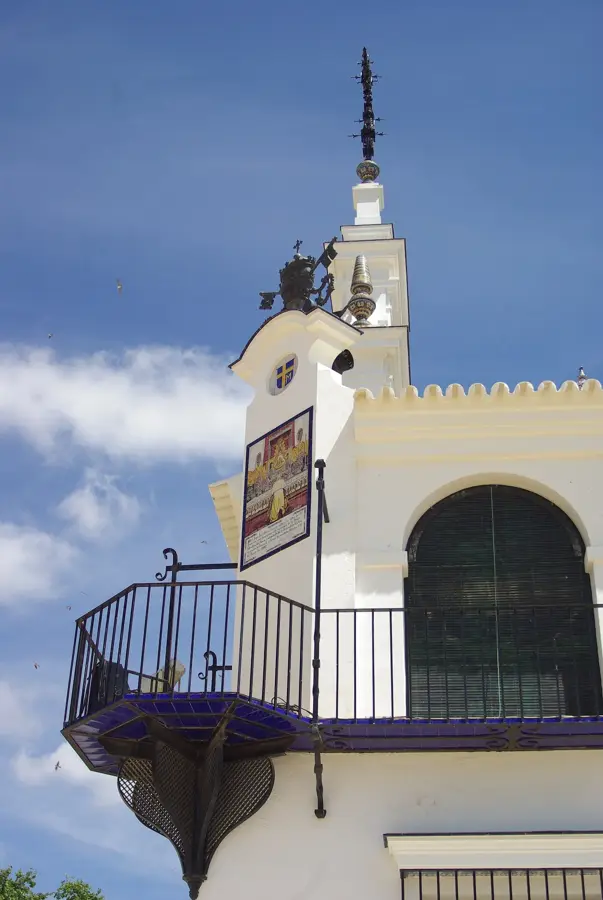
El Rocío is a place unlike any other in Europe. Located within the municipality of Almonte, the village has no paved streets; instead, fine sand covers the roads, giving the settlement the appearance of a Wild West movie set. Every house and brotherhood building features wooden posts for hitching horses, which remain the preferred mode of transport here. The heart of the village is the imposing Ermita de El Rocío, a brilliant white sanctuary housing the statue of the Virgin of El Rocío. Once a year during Pentecost, the quiet village transforms for the Romería de El Rocío, attracting over a million pilgrims arriving on horseback and in brightly decorated wagons. The village sits directly adjacent to the 'Marismas' (marshes) of Doñana National Park, where flamingos and rare bird species can be spotted from local viewpoints.
The most pleasant time to visit is May, Jun, Sep.
| Jan | Feb | Mar | Apr | May | Jun | Jul | Aug | Sep | Oct | Nov | Dec | |
|---|---|---|---|---|---|---|---|---|---|---|---|---|
| Avg °C | 11 | 12 | 14 | 16 | 20 | 24 | 27 | 28 | 24 | 20 | 15 | 12 |
| Rain mm | 53 | 54 | 65 | 55 | 29 | 5 | 1 | 3 | 23 | 73 | 80 | 65 |
Notable places around
Where do you start? We build the route here, with stops and country notes along the way.
© OpenStreetMap contributors · OpenRouteService
El Rocío is a unique village where sand replaces asphalt on every street. Start your morning at the iconic white Ermita, the spiritual heart of the region. At midday, stroll along the Paseo Marismeño, where the village ends and the wild wetlands begin. It's common to see horses tied up outside houses like in the old days. Spend your afternoon birdwatching in the Marismas. The interaction between the village and the national park is seamless and beautiful. Finish your day at the Puente del Ajolí, the symbolic gateway for pilgrims, before enjoying a traditional Andalusian dinner.
In the morning, the Ermita provides shelter from the rain as the bells echo in the damp wind. At noon, the museum is the perfect indoor retreat to explore the history of the brotherhoods. In the afternoon, the sandy streets turn into muddy paths; the view over the marshes is mystical in the mist. In the evening, warm up in one of the taverns at Plaza del Acebuchal.
In the morning, a cool mist often settles over the village, creating a reverent silence. At noon, the mild winter sun shines on the bright sand, inviting outdoor relaxation. In the afternoon, it's the peak time for birdwatching as thousands of geese arrive at the marshes. In the evening, temperatures drop quickly once the sun sets around 18:00.
Cycling here is an adventure due to the sandy terrain. Start at La Rocina visitor center to explore the nature trails and bird hides. At midday, head into the village for the Ermita and a lunch break by the water. Watching the wildlife from your bike is a unique experience. Spend your afternoon riding out to the Ajolí bridge and finish at the Acebuchal square, a peaceful spot under ancient trees.
In the morning, the ride leads through the wet pine forests of La Rocina, where scents are intense. At noon, the Ermita offers shelter for both rider and bike. In the afternoon, the marsh tour is a challenge in the mud but rewards with solitary views. In the evening, the trip ends in the historic center where you can clean your gear.
In the morning, the air is fresh and clear, ideal for the ride to La Rocina center. At noon, the sun warms your back while cycling towards the Ermita. In the afternoon, glide along the marshes where winter birds provide a constant concert. In the evening, aim to be back on time as it cools down quickly after sunset.
A car is essential for visiting outliers like the Acebrón Palace. Start your morning there to enjoy the woodland trails before the heat of the day. At midday, drive back to the village entrance. After visiting the Ermita, you can enjoy the marsh views from the comfort of the promenade. Finish your afternoon at the Treasury Museum, learning about the deep traditions of the Rocío pilgrimage before driving out.
In the morning, comfortably reach the Acebrón Palace while rain drums on the roof. At noon, the La Rocina visitor center is a dry base for nature observation. In the afternoon, park near the Ermita and enjoy the marsh views from the car. In the evening, the museum provides shelter before a dry drive back.
In the morning, enjoy the drive through misty pine forests to the Acebrón Palace. At noon, the mild light is perfect for photos at the La Rocina center. In the afternoon, park by the marshes and observe the winter activity of the flamingos. In the evening, heated seats provide comfort after a walk in cool El Rocío.
Outside the Romería (Whitsun weekend) it's a half-empty ghost village with sand streets – surreally beautiful. The Romería itself is overwhelmingly crowded and pricey; lodging is near impossible. Spring and autumn are ideal for Doñana birdlife.
Very safe, remote. Don't enter Doñana marshes without a guide – quicksand and wild boar. During the Romería expect extreme heat and dust; carry water. Medical care is limited and the pharmacy is not 24/7.
El Rocío is a pilgrimage village, almost only Spanish. Learn 'Hermandad' (brotherhood) and 'Pentecostés' (Whitsun) – the heart of the place. During the Romería, 'la Blanca Paloma' always earns a smile.
Right in the middle of the village of El Rocio lies Plaza del Acebuchal, a distinctive sandy square with special character. Surrounded by traditional brotherhood houses, this location reflects a deeply rustic and almost Wild West-like atmosphere. Visitors can stroll leisurely through the sand, soaking in the unique, timeless mood of the village. It is best to arrive early in the morning to experience the quiet magic of this sandy center undisturbed.