Plizio Visual Lab
Casares Cave
Weather…
Water temperature…
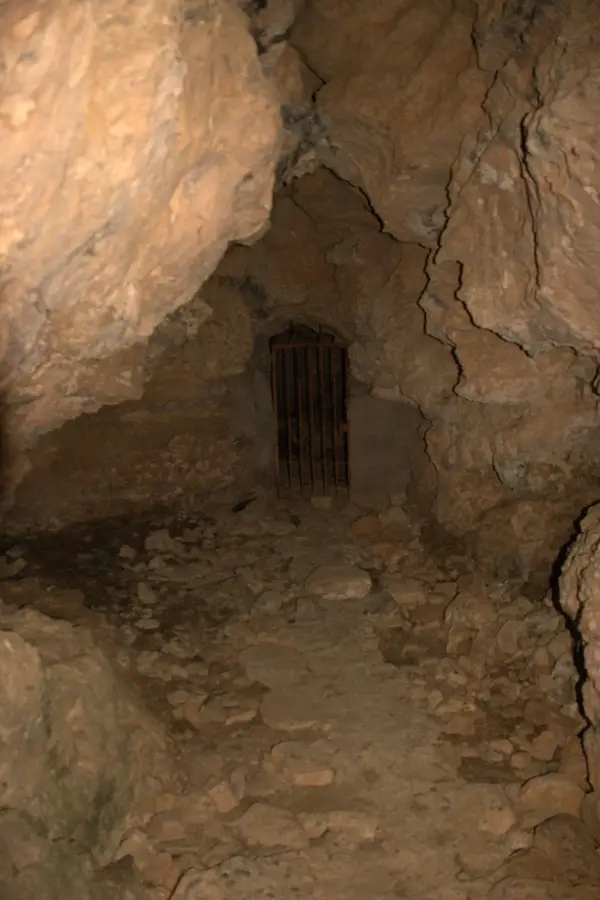
The Casares Cave, located in the province of Guadalajara, is a premier site for Paleolithic rock art in the interior of the Iberian Peninsula. Its scientific importance was revealed in 1933 by Juan Cabré, who identified a vast array of engravings and paintings. While most of the artwork dates to the Magdalenian period, approximately 13,000 to 15,000 years ago, the cave also holds significant evidence of Middle Paleolithic occupation by Neanderthals. Los Casares is unique for its rare depictions of fish and human-like figures shown in unconventional poses, sometimes interpreted as swimming or diving. The artists utilized sharp flint tools to carve detailed images of animals, including horses, deer, and woolly rhinoceroses, into the limestone walls. This site is particularly valuable because it proves that sophisticated prehistoric art was not limited to coastal regions. Officially declared a National Monument in 1935, the cave provides critical insights into the social and spiritual life of inland hunter-gatherer societies.
- Location: Galicia, Spain
- Top sights: Cueva de los Casares · Cueva de la hoz
- Nearby: Medinaceli (25 km)
Best time to visit & climate
The most pleasant time to visit is Jun–Aug.
| Jan | Feb | Mar | Apr | May | Jun | Jul | Aug | Sep | Oct | Nov | Dec | |
|---|---|---|---|---|---|---|---|---|---|---|---|---|
| Avg °C | 2 | 3 | 6 | 10 | 14 | 19 | 22 | 22 | 17 | 12 | 6 | 3 |
| Rain mm | 31 | 29 | 41 | 50 | 45 | 33 | 14 | 17 | 25 | 50 | 44 | 29 |
📋 Practical info
Geography
Facts
- The prehistoric artwork was scientifically discovered in the year 1933.
- The primary engravings date back roughly 13,000 to 15,000 years.
- The cave shows evidence of Neanderthal presence from 50,000 years ago.
- It features unique anthropomorphic figures often interpreted as divers.
- The site was officially designated a National Monument in 1935.
- Over 150 distinct animal and human figures have been identified in the cave.
Explore nearby
Notable places around



Route planner — Car & Motorhome
Where do you start? We build the route here, with stops and country notes along the way.
© OpenStreetMap contributors · OpenRouteService
Sights in the town Casares Cave (2)
Sights nearby
Frequently asked questions
What can be found in this cave?
Where is the Cueva de los Casares located?
Is the cave open to the public?
Which era is represented here?
Are there paintings or only engravings?
Casares Cave: where is it located?
Casares Cave: what is there to see?
Casares Cave: when is the best time to visit?
Casares Cave: why is it worth visiting?

Nearby cities