Plizio Visual Lab
Pate Island Ruins

Weather…
Water temperature…
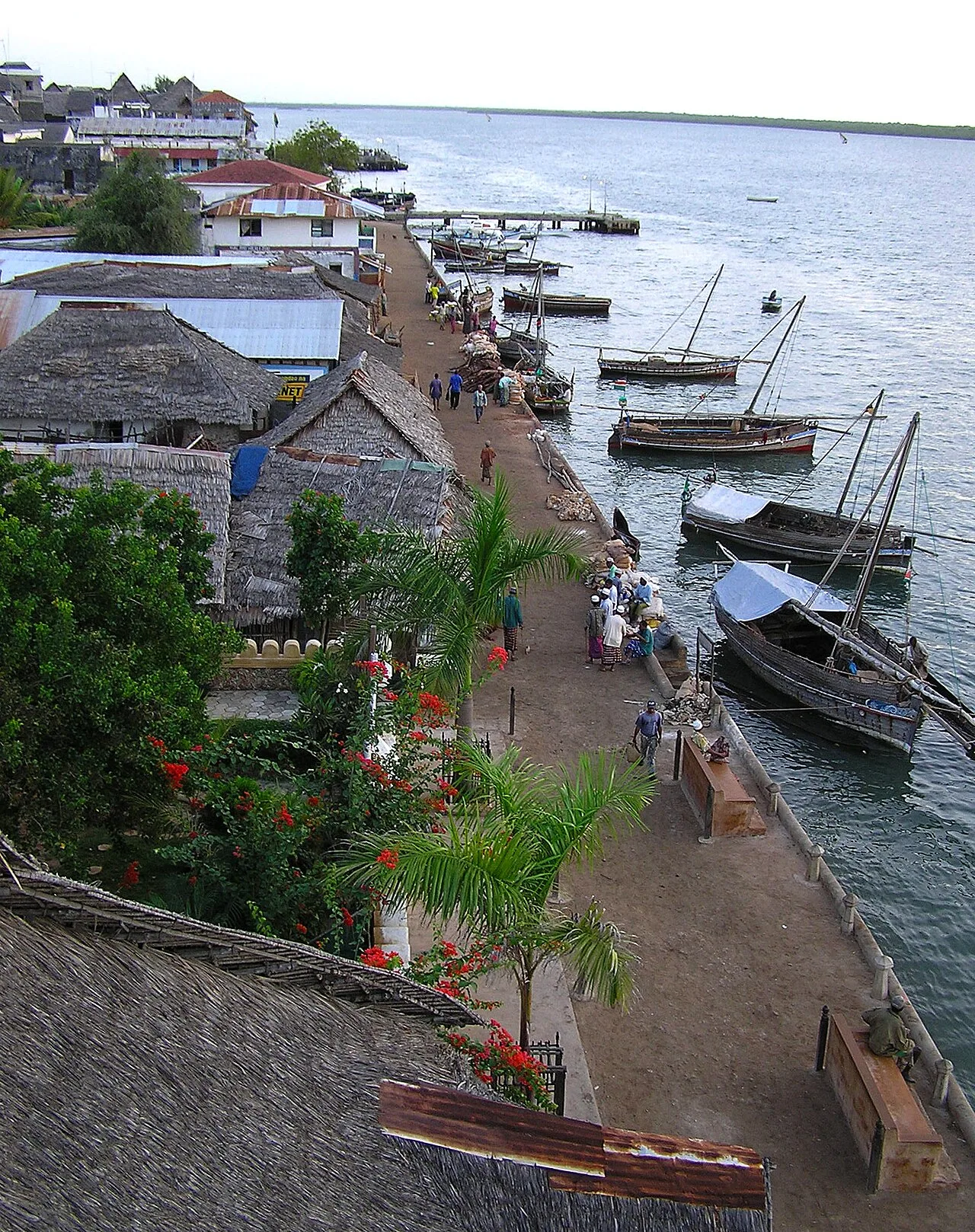
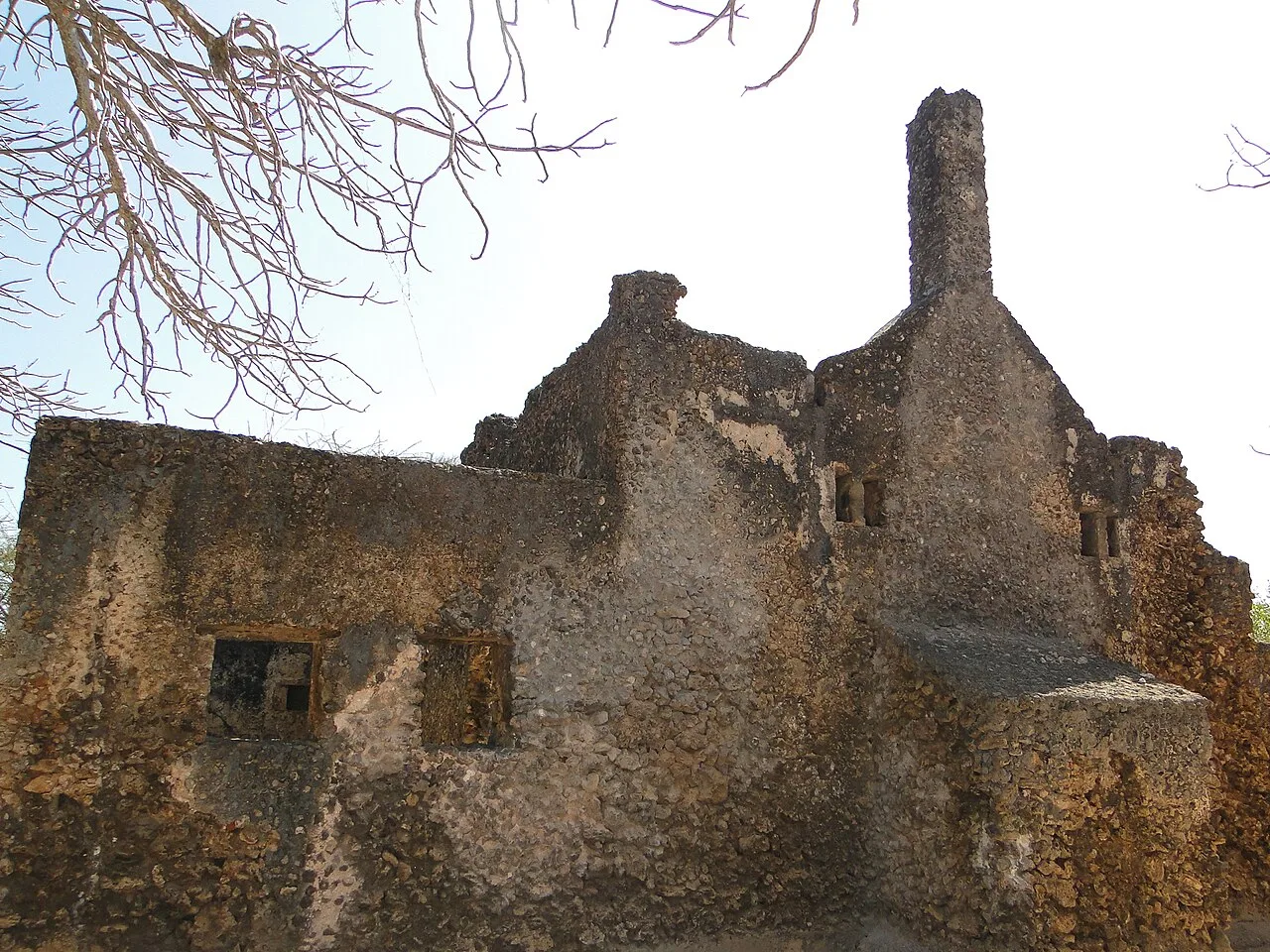
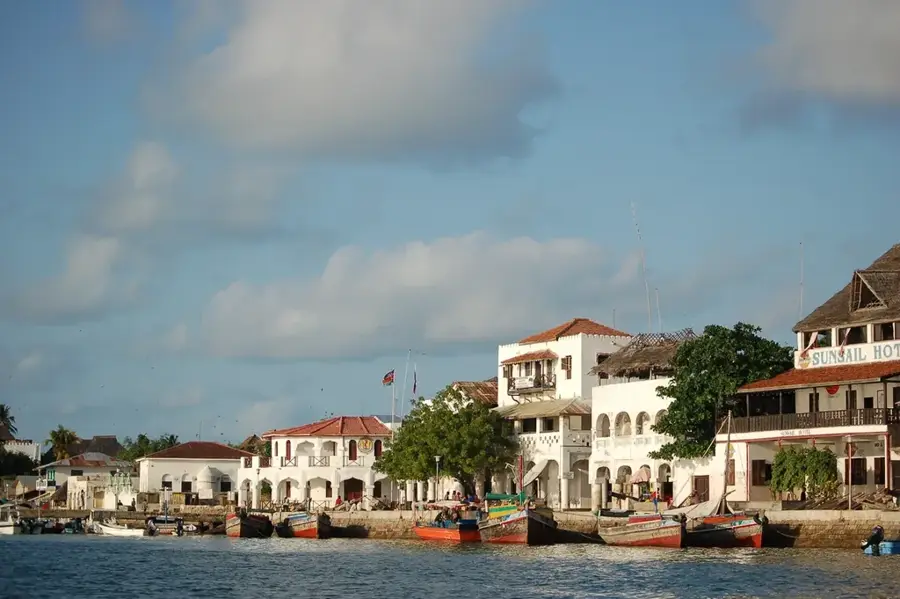
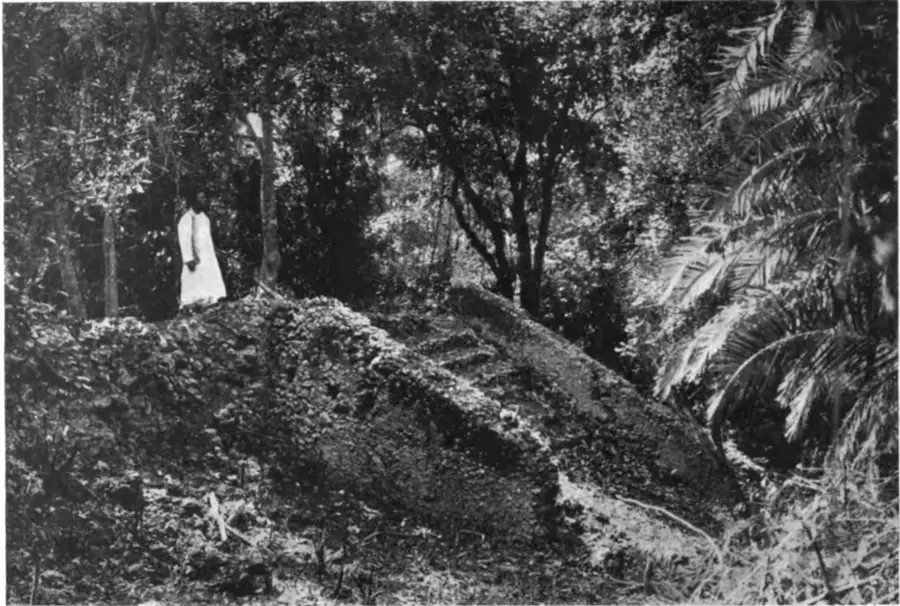
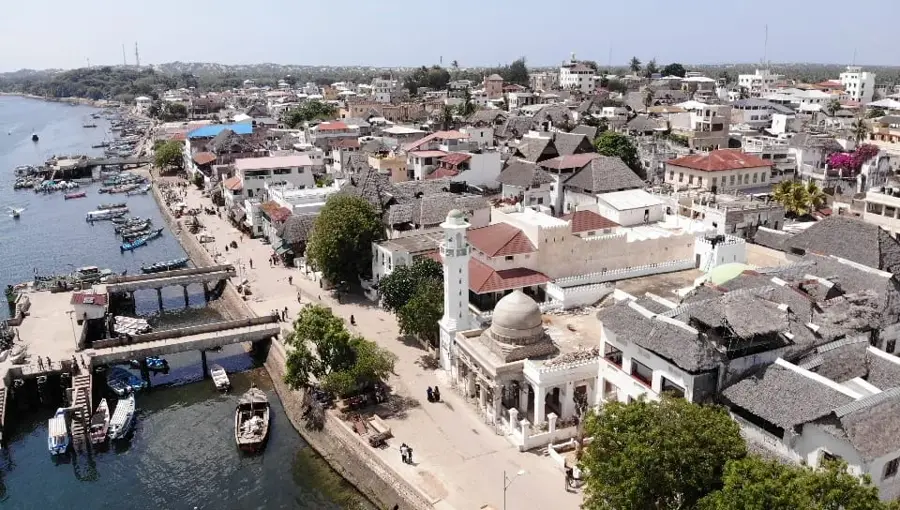
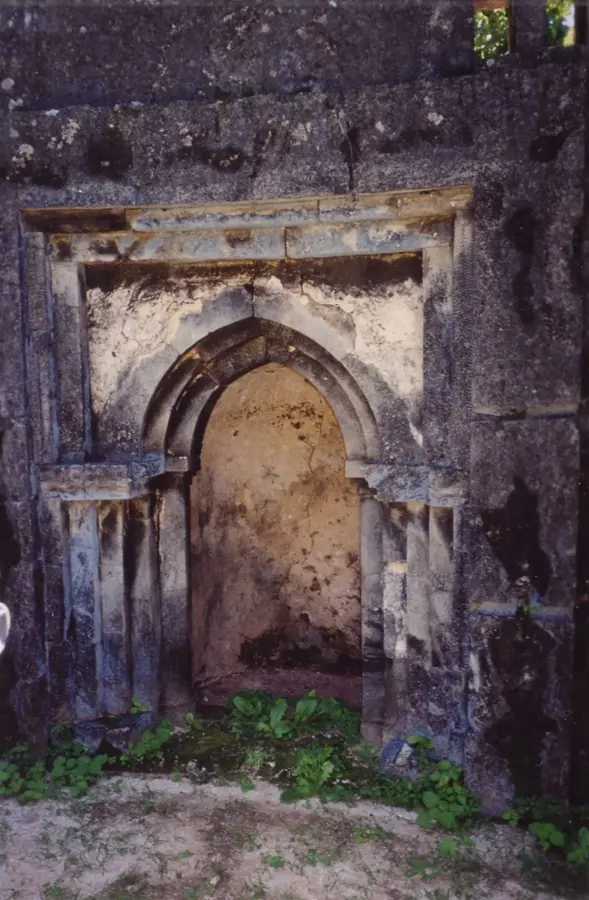
Pate Island is the largest island in the Lamu Archipelago and hosts some of the most extensive and historically significant Swahili ruins on the East African coast. For centuries, the island was home to powerful city-states such as Pate Town, Siyu, and Faza, which played central roles in the Indian Ocean trade and Islamic scholarship. The Pate Chronicle suggests that the Nabahani dynasty from Oman established a sultanate here in the 13th century, leading to a golden age of political influence and architectural development. The ruins include massive city walls, multi-story coral stone houses, and numerous mosques that showcase the evolution of Swahili coastal architecture over several centuries. Pate was a major center for the production of silk and cotton textiles, as well as the manufacture of fine pottery and jewelry, exporting goods as far as India and the Arabian Peninsula. Despite its decline in the 19th century due to internal strife and the rise of Zanzibar, the island remains a critical site for archaeological research into the early Swahili civilization.
- Location: Kenya
- Nearby: Manda Island (16 km)
Best time to visit & climate
The most pleasant time to visit is Feb, Aug, Sep.
| Jan | Feb | Mar | Apr | May | Jun | Jul | Aug | Sep | Oct | Nov | Dec | |
|---|---|---|---|---|---|---|---|---|---|---|---|---|
| Avg °C | 28 | 28 | 29 | 29 | 28 | 26 | 26 | 26 | 26 | 27 | 28 | 28 |
| Rain mm | 7 | 2 | 19 | 108 | 205 | 101 | 56 | 32 | 23 | 61 | 74 | 40 |
📋 Practical info
Geography
Facts
- Largest island in the Lamu Archipelago by land area.
- Seat of the Nabahani Dynasty founded in the year 1204.
- Center of Swahili literature and artistic production.
- Site of the famous ancient towns of Pate, Siyu, and Faza.
- Known for producing high-quality silk and cotton textiles.
- Major regional power until the 19th-century Omani conquest.
Explore nearby
Notable places around


Route planner — Car & Motorhome
Where do you start? We build the route here, with stops and country notes along the way.
© OpenStreetMap contributors · OpenRouteService
Sights nearby
Frequently asked questions
How do you get to the ruins on Pate Island?
What are the main ruins on Pate?
Is a guide necessary?
Are there hotels on the island?
What clothing is appropriate?
Pate Island Ruins: where is it located?
Pate Island Ruins: when is the best time to visit?
Pate Island Ruins: why is it worth visiting?

Nearby cities


Nature
More places