Plizio Visual Lab

Cabrera Archipelago National Park
Plizio editorial teamData Sources
park
—°8
Cabrera Archipelago National Park (Spain)

Weather…

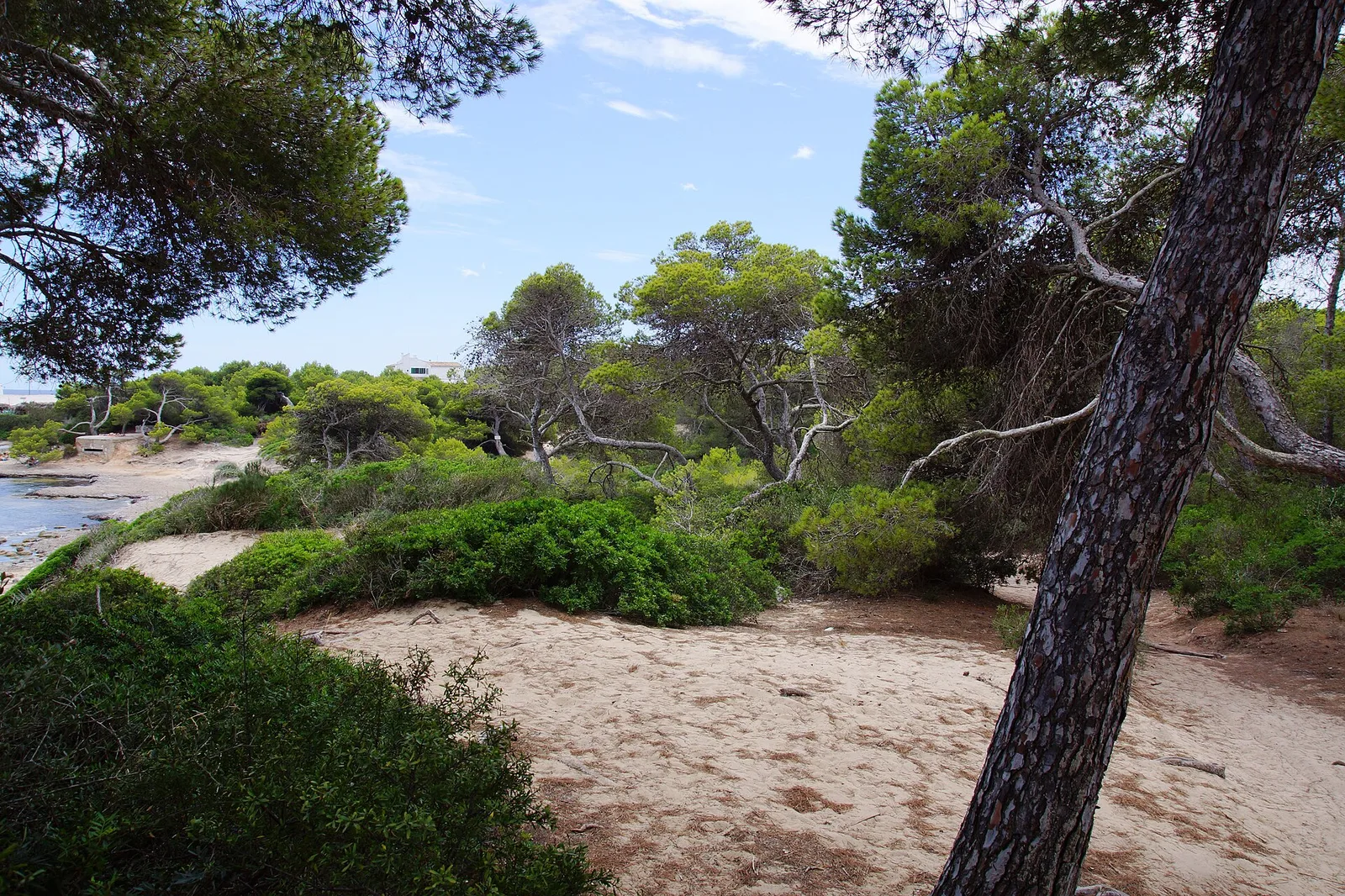
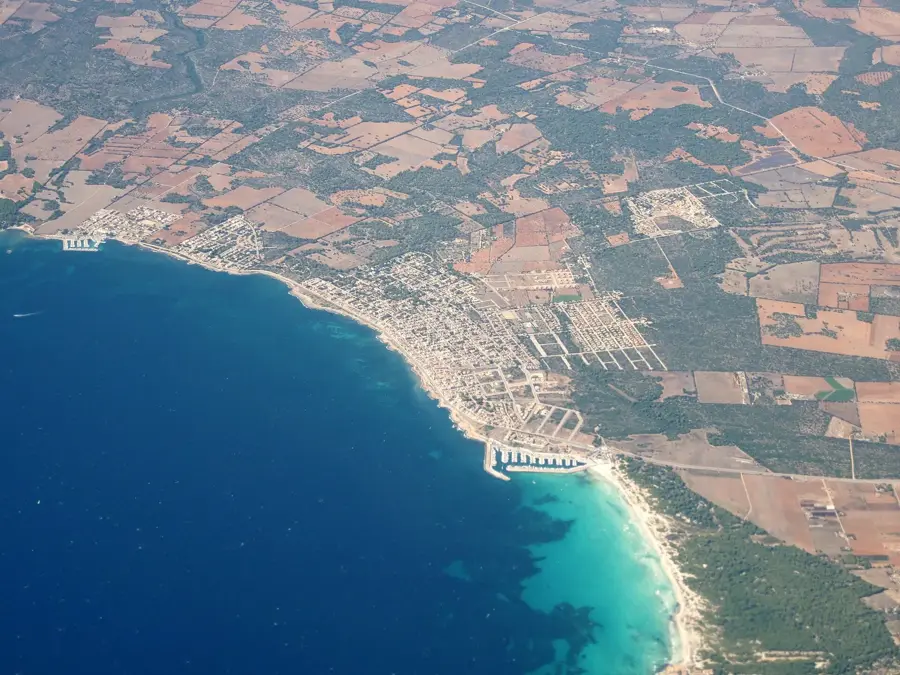
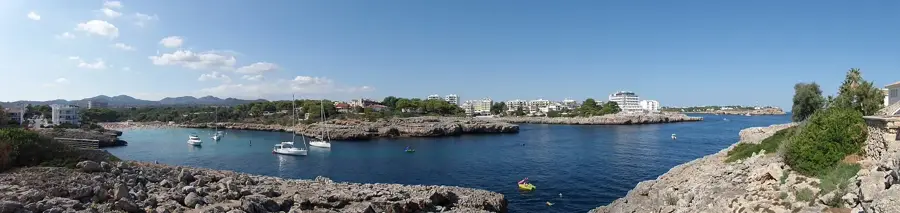
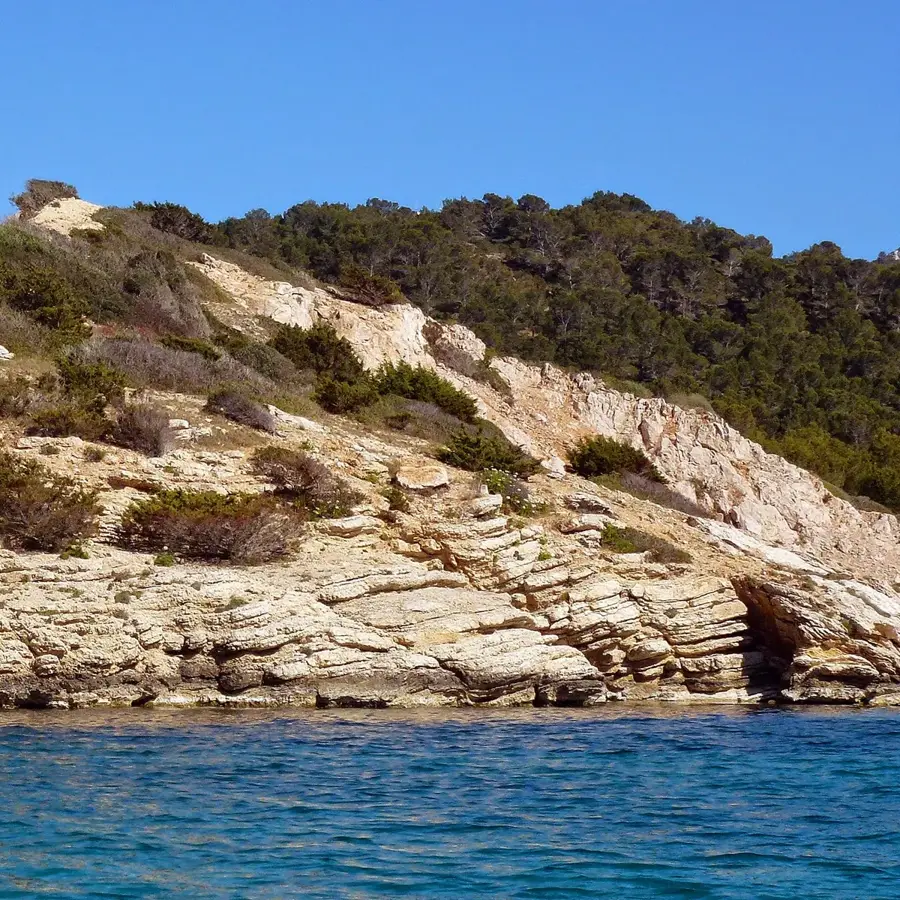
The Cabrera Archipelago National Park is a maritime-terrestrial protected area located off the southern coast of Mallorca in the Balearic Islands. Established in 1991, it covers nearly 90,000 hectares, the vast majority of which is marine territory. The archipelago consists of 19 small islands and islets, with the largest being Cabrera Gran, which features a 14th-century castle built to defend against pirate raids. The park is renowned for its exceptional marine biodiversity, particularly its extensive Posidonia oceanica seagrass meadows, which provide a vital habitat for numerous Mediterranean species. Its isolated location has preserved a unique ecosystem, including endemic lizards and a variety of seabirds like the Balearic shearwater. Human access is strictly regulated to minimize environmental impact, making it one of the most pristine natural areas in Spain.

Best time to visit & climate

The most pleasant time to visit is May–Jul.

JanFebMarAprMayJunJulAugSepOctNovDec
Avg °C141314161822252624221815
Rain mm494343463515102369768559

📋 Practical info

🧭
Getting there
The pristine archipelago is completely isolated from the mainland and can only be reached by authorized passenger ferries departing from southern Mallorca. Private vessels require special pre-approved permits to sail or anchor within the marine reserve.
📅
Best season
Late spring to early autumn features the finest conditions for boat crossings and provides the best underwater visibility for snorkelers. During the winter months, ferry services are significantly reduced and sea conditions can be much rougher.
⛰️
Terrain & paths
The main island features gentle, well-marked walking tracks that typically navigate low hills and historic ruins. The majority of the park's territory is actually underwater, making the maritime environment the true focus of exploration.
🎒
What to bring
Snorkeling equipment is highly recommended to fully appreciate the exceptionally rich marine life in the crystal-clear waters. On land, visitors must bring comfortable walking shoes, a hat, and sufficient supplies, as island amenities are extremely limited.
🅿️
Parking
Since vehicles are strictly prohibited on the islands, all parking must be done at the designated ports of departure in Mallorca. These mainland harbor parking lots can be busy in peak season, so arriving well before the ferry departure time is wise.
⚠️
Safety
The protected status demands that visitors rigorously pack out all trash and respect wildlife boundaries on land and underwater. While hiking, staying strictly on the marked paths is vital to preserve the endemic plants and fragile island ecology.
⏱️
Time needed
Most excursions are organized as full-day trips, constrained entirely by the scheduled outbound and return ferry times. Overnight stays in the small island refuge are possible but must be booked many months in advance due to severe capacity limits.

Geography

Coordinates
39.14520, 2.94120

Facts

  • Established in 1991
  • Comprises 19 islands and islets
  • Total area of nearly 90,000 hectares
  • Features a 14th-century castle
  • Vital Posidonia oceanica meadows
  • Home to the endemic Balearic lizard

Explore nearby

Notable places around
Route planner — Car & Motorhome

Where do you start? We build the route here, with stops and country notes along the way.

Vehicle
Only stops with (optional):

© OpenStreetMap contributors · OpenRouteService

Sights in the town Cabrera Archipelago National Park (8)

Far de n'Ensiola📍 landmark

An iconic lighthouse on Cabrera Island that assists maritime navigation.

Posidonia Nature Reserve🌿 nature

A protected area for seagrass meadows, which are vital for the marine ecosystem.

Baliça de la Punta de sa Creueta📍 landmark

A smaller navigational beacon used for guiding ships in the Cabrera Archipelago.

Baliça del Cap de Llebeig📍 landmark

A navigational beacon located at Cap de Llebeig on Cabrera Island.

Calas'Espalmador🎡 recreation

An easy on the eye beach located in the Cabrera Archipelago National Park.

sa Platgeta🎡 recreation

A small sandy beach in the Cabrera Archipelago National Park.

es Celler🏛 museum

A museum dedicated to local history within the Cabrera National Park.

Monasterio bizantino🏺 historical

Monasterio bizantino, the ruins of a 6th-century Byzantine monastery on Cabrera island.

Sights nearby

Frequently asked questions

How do you reach Cabrera Island?
Excursion boats depart from Colònia de Sant Jordi in Mallorca; the trip takes about 40 minutes.
What is the Blue Cave (Sa Cova Blava)?
A sea cave famous for its spectacular blue water; boats often stop there for swimming.
Are there services on the island?
There is a small canteen in the harbor and a visitor center, but resources are very limited.
Can you visit the castle?
Yes, the ruins of the 14th-century castle offer a wonderful panoramic view of the harbor.
Is snorkeling allowed?
Yes, the clear water is excellent for snorkeling to observe the rich marine life.
Cabrera Archipelago National Park: where is it located?
Cabrera Archipelago National Park is located in Galicia, Spain.
Cabrera Archipelago National Park: what is there to see?
Highlights include Far de n'Ensiola, Posidonia Nature Reserve, Baliça de la Punta de sa Creueta.
Cabrera Archipelago National Park: when is the best time to visit?
The most pleasant time to visit is May, Jul.
Cabrera Archipelago National Park: why is it worth visiting?

The Cabrera Archipelago National Park is a maritime-terrestrial protected area located off the southern coast of Mallorca in the Balearic Islands.
View on map → The Top 50 Attractions → Most beautiful beaches → OpenStreetMap →
Europe
Explore with Plizio Discover more places in Europe
More places in Spain →

Nearby cities

History & landmarks