Christmas in Águilas
Local festivities with nativity scenes and markets.
PlizioGo
The crown jewel of local seafood, best enjoyed lightly grilled at a portside restaurant.
Try this traditional fisherman's rice dish cooked in a rich seafood broth at a local tavern.
A delicious local specialty available in many traditional tapas bars around the center.
The streets radiating from the main square are full of local boutiques and artisan shops.
Visit the indoor market in the morning for fresh local produce, spices, and a lively atmosphere.
A lovely coastal promenade great for a peaceful evening stroll listening to the waves.
Walk along the rugged coastline just outside town to enjoy serene views of this small offshore island.
Water temperature…
Local festivities with nativity scenes and markets.
Summer concerts, sports competitions, and cultural activities.
Boat procession in honor of the Virgin.
Fires and parties on the beaches of Águilas.
Traditional processions in the streets of the town.
One of the most famous carnivals in Spain, declared of International Tourist Interest.
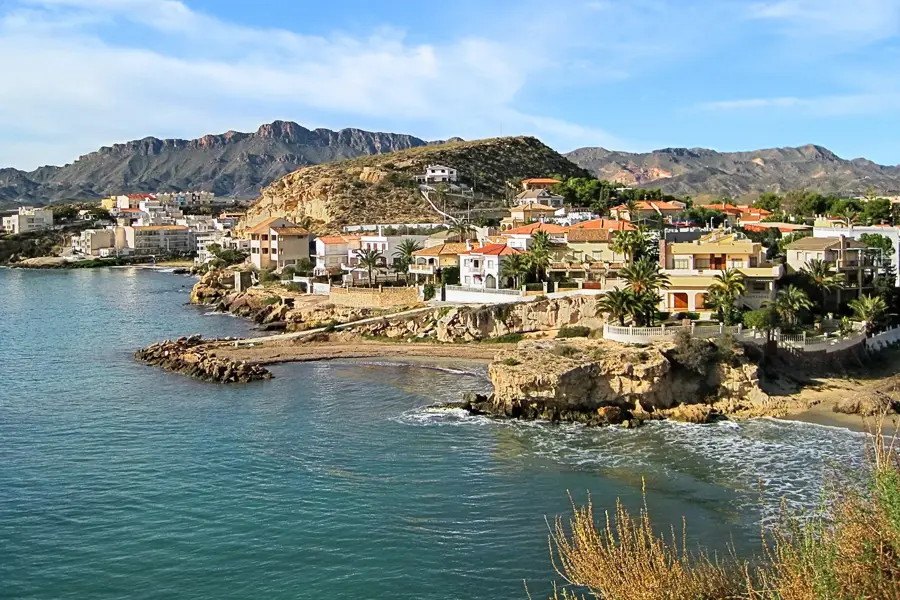
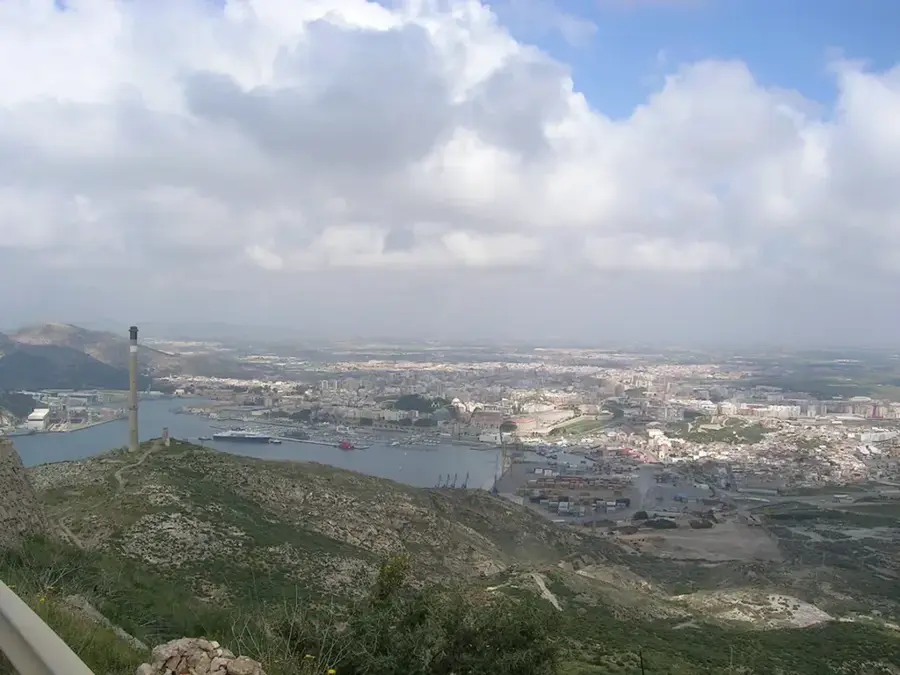
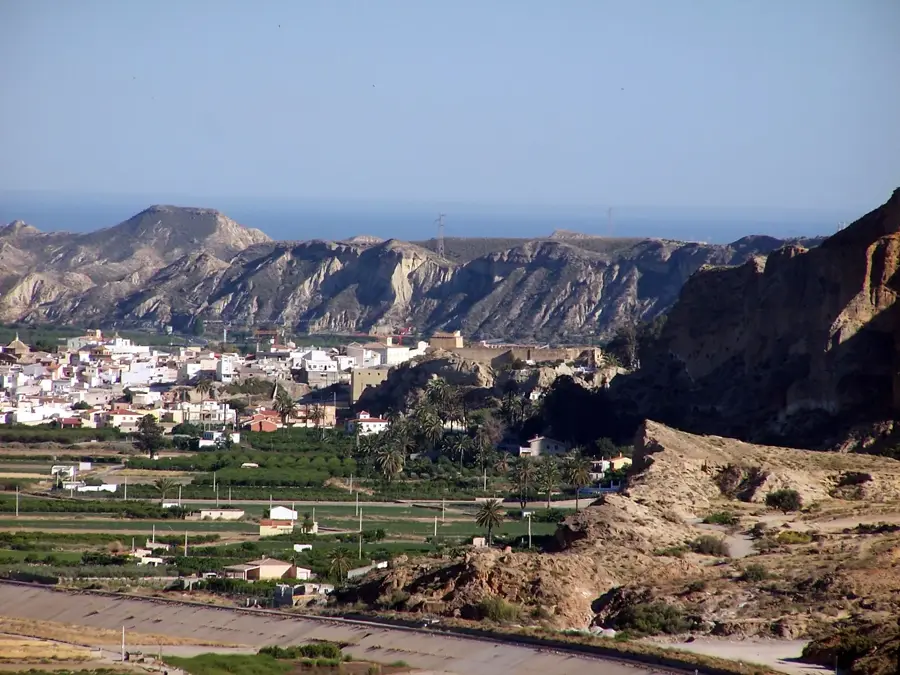
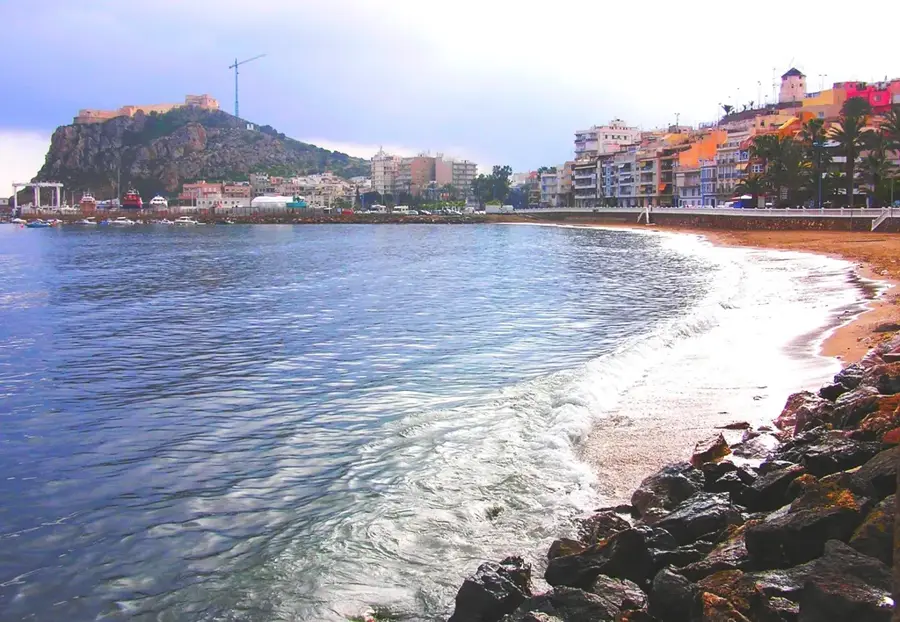
Águilas, set at the very southern tip of the Costa Cálida, is a captivating port town that beautifully showcases its deep maritime heritage and dramatic coastal scenery. The town's skyline is crowned by the 18th-century Castillo de San Juan de las Águilas, a formidable fortress perched high on a rocky promontory separating two sweeping bays, offering magnificent panoramic views across the Mediterranean. Down below, the streets reflect the wealth of a 19th-century boom driven by mining and the esparto grass trade. This era left behind elegant neo-classical mansions around the lushly planted Plaza de España, and the striking Embarcadero del Hornillo, an immense historic iron ore loading pier that stands as a fascinating piece of industrial archaeology. The rugged coastline features more than 30 distinct beaches and hidden coves, where the exceptionally clear water creates a paradise for diving and snorkeling enthusiasts. Unsurprisingly, the local cuisine revolves around the daily fresh catch, with the absolute star being the intensely flavored red Águilas prawn, a highly prized local delicacy. Furthermore, the town is famous throughout Spain for its flamboyant annual Carnival in February, characterized by spectacular costumes, parades, and days of bustling street festivities.
The most pleasant time to visit is May, Jun, Oct.
| Jan | Feb | Mar | Apr | May | Jun | Jul | Aug | Sep | Oct | Nov | Dec | |
|---|---|---|---|---|---|---|---|---|---|---|---|---|
| Avg °C | 12 | 12 | 14 | 16 | 19 | 23 | 26 | 26 | 24 | 20 | 16 | 13 |
| Rain mm | 31 | 18 | 35 | 31 | 16 | 8 | 3 | 12 | 32 | 29 | 37 | 37 |
Notable places around
Where do you start? We build the route here, with stops and country notes along the way.
© OpenStreetMap contributors · OpenRouteService
Start your day at Plaza de España, the green heart of Águilas. Visit San José Church and dive into the past at the Archaeological Museum. During the morning, climb up to the San Juan fortress for a breathtaking 360-degree view, and finish your walk by the harbor at the Carnival monument.
The morning in Águilas starts grey, but the giant ficus trees of Plaza de España provide natural shelter from the first drops. It's the perfect time to admire the Baroque architecture of San José Church while the rain drums on the roof. At midday, we seek refuge in the Archaeological Museum. Inside the covered galleries, time flies while studying Roman relics and mining history, staying completely dry. By afternoon, the rain eases off, allowing for the climb to the castle. The wet cobblestones glisten, and the view over the bay looks almost mystical through the haze. The evening ends in a cozy bar near the Carnival Monument. The city lights reflect in the puddles along the promenade, and the scent of the sea is intensified by the fresh rain.
The winter morning in Águilas is mild, but the sea breeze is crisp. Plaza de España looks almost golden in the soft winter light, while locals enjoy their coffee in the morning sun. At midday, the air is pleasantly fresh. It’s the best time to explore the city's history in the church and museum, where the cool walls contrast with the bright winter sun. Afternoon should be dedicated to the Castillo. Since the sun sets around 18:00, the low light casts dramatic shadows over the fortress before the sky turns shades of purple. We spend the evening on the promenade. Even as it gets cooler, the atmosphere is calm, and the view of the Carnival Monument hints at the upcoming February festivities.
By car, you can discover both the historic center and the industrial treasures of Águilas. Start at the fortress and then drive along the coast to the modern Auditorium. Visit the colorful Rincón del Hornillo and the historic iron pier before ending the day at Pico de la Aguilica.
A rainy day in Águilas by car is comfortable. We start at the Castillo, where we can drive almost to the gate to avoid the wind. At midday, the drive to Faro de Punta Negra offers dramatic views of the turbulent sea while we stay dry in the car. In the afternoon, we visit the Auditorio. The modern architecture reflects the grey light beautifully before we move on to Hornillo. The evening ends at Pico de la Aguilica. The rain has stopped, and the city lights sparkle especially bright in the clean air.
Winter drives in Águilas offer clear horizons. The morning at the Castillo is cool, but the view extends far across the Mediterranean. At midday, the drive to the lighthouse is pleasant as no tourist buses block the narrow roads. In the afternoon, the Auditorio in the low sunlight provides a perfect photo opportunity. The drive to Hornillo showcases industrial history in soft light. The day ends at Pico de la Aguilica. Since the sun sets early, we experience the spectacle of colors comfortably from the driver's seat.
February for the world-famous three-week carnival, but book hotels early. April-June and September are ideal for swimming without peak-season stress. August is the hottest and busiest, so reach the Cuatro Calas coves first thing in the morning.
Aguilas is very safe, but pickpocketing spikes during the carnival's main parade. Calarreona cove has strong currents, only experienced swimmers should venture in. The path up to Castillo de San Juan has unsecured rockfall stretches, so step carefully.
Aguilas is authentically Spanish, with English limited to hotel staff and a few restaurant owners. The Murcian accent can confuse even Spanish learners. In February, 'Vamos al carnaval' is the perfect ice-breaker, since the town hosts one of Spain's top carnivals.
Set in the heart of Aguilas, Plaza de España, affectionately known as the Glorieta, serves as a lush central gathering space complete with old trees and a beautiful fountain. Its lively yet relaxing atmosphere makes it a favored spot for locals and travelers to take a break. Guests can enjoy a shaded walk or simply sit and watch the city life unfold around them. Late afternoon or early evening is a wonderful time to visit.
Playa de Levante is a beautiful coastal beach situated right in the Spanish town of Aguilas. A relaxing and welcoming atmosphere defines this characterful Mediterranean spot, making it a local favorite. The shore invites visitors for refreshing swims, warm sunbathing sessions, and leisurely walks along the edge of the sea. Morning visits are recommended for those seeking the most tranquil beach experience.