Cartagena Jazz Festival
Annual jazz festival featuring renowned international artists.
PlizioGo
A traditional rice and fish dish from the region, cooked in a heavy iron pot. Look for seafood restaurants near the port area to try it.
A unique local coffee layered with condensed milk, cognac, Licor 43, and cinnamon. Order it at a traditional cafe on Calle Mayor.
Salazones (salted fish like tuna or roe) are a local staple. Enjoy them as a tapa alongside a cold beer in the pedestrianized center.
The memorable Art Nouveau pedestrian street is the prime location for boutique shopping and Spanish fashion brands.
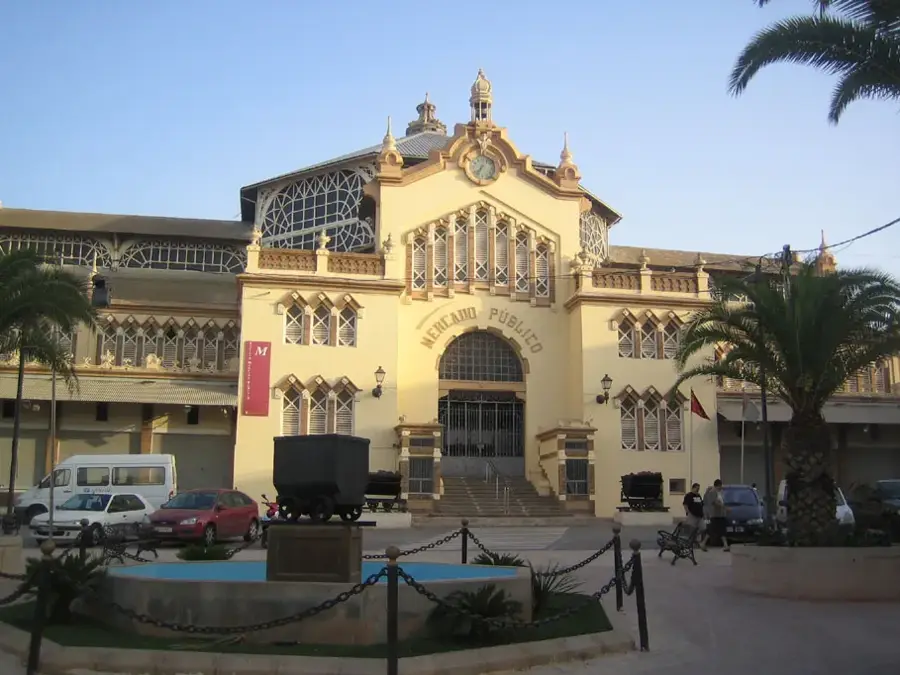
The local indoor market is the best spot to buy fresh regional produce, spices, and authentic local cheeses or meats.
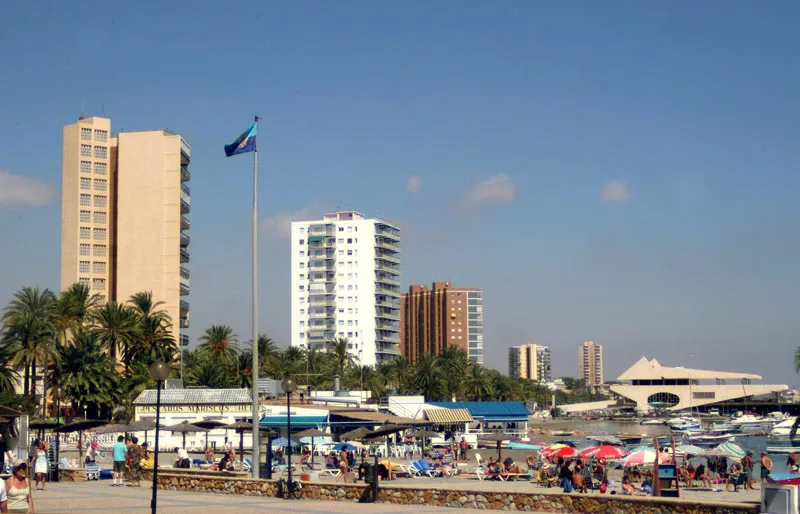
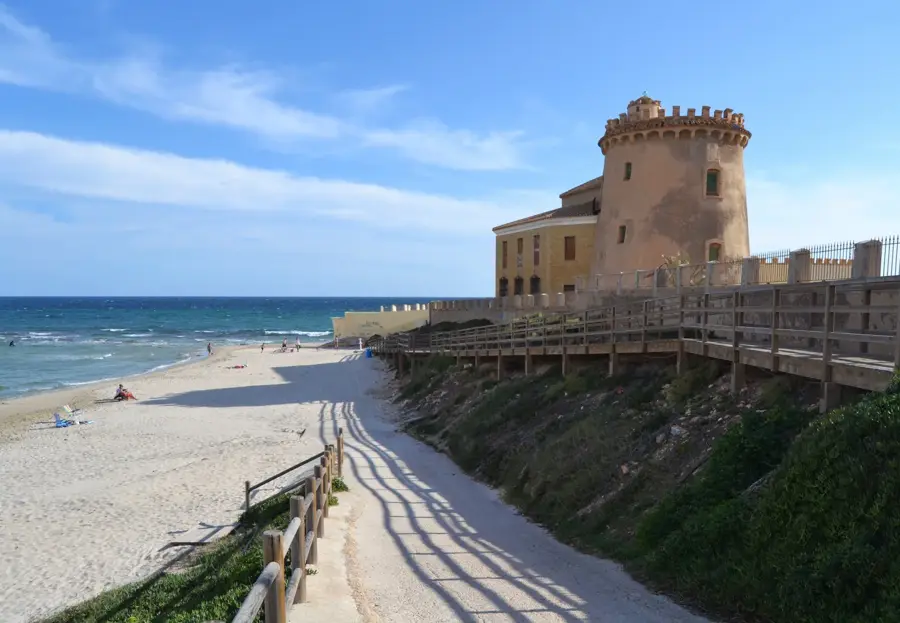
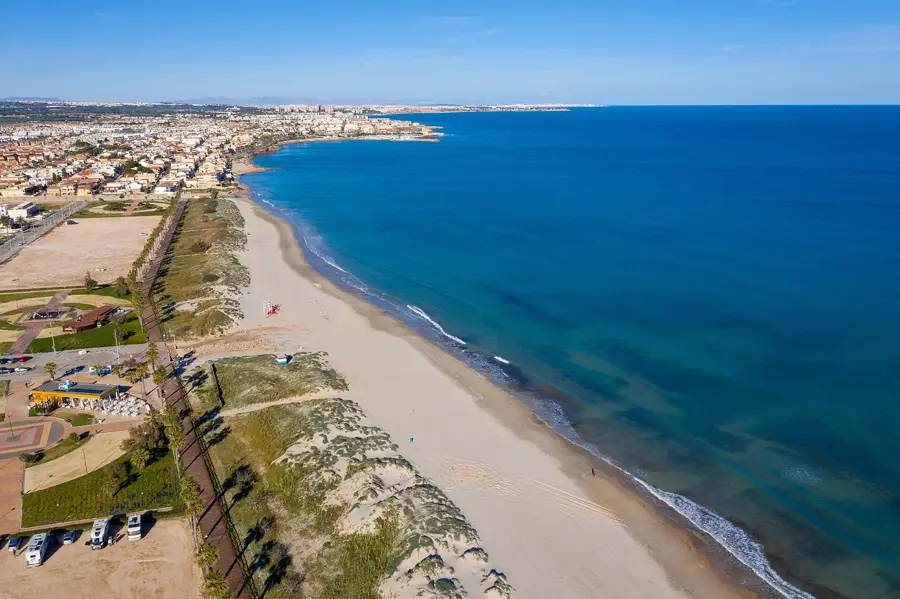
A beautiful, sheltered cove just a short distance from the city center, well-suited for a quiet swim or relaxing by the sea.
If you have a car, drive out to these spectacular coastal gun emplacements designed to look like a medieval castle, offering dramatic and peaceful sea views.
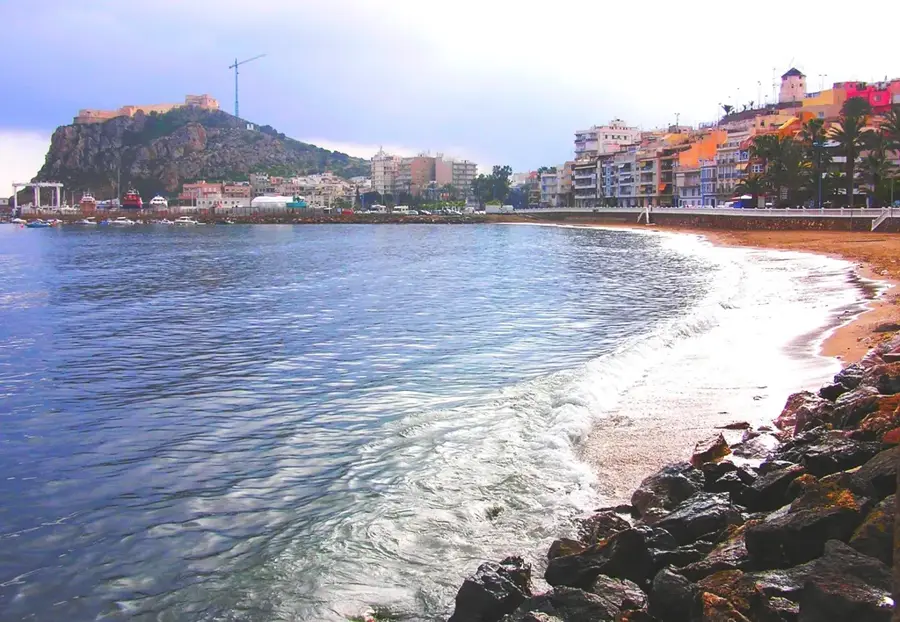
Take a stroll along the historic sea wall promenade at sunset for a serene view of the Mediterranean and passing ships.
Water temperature…
Annual jazz festival featuring renowned international artists.
Historical festival re-enacting the founding and conquest of the city.
International world music festival held every year in July.
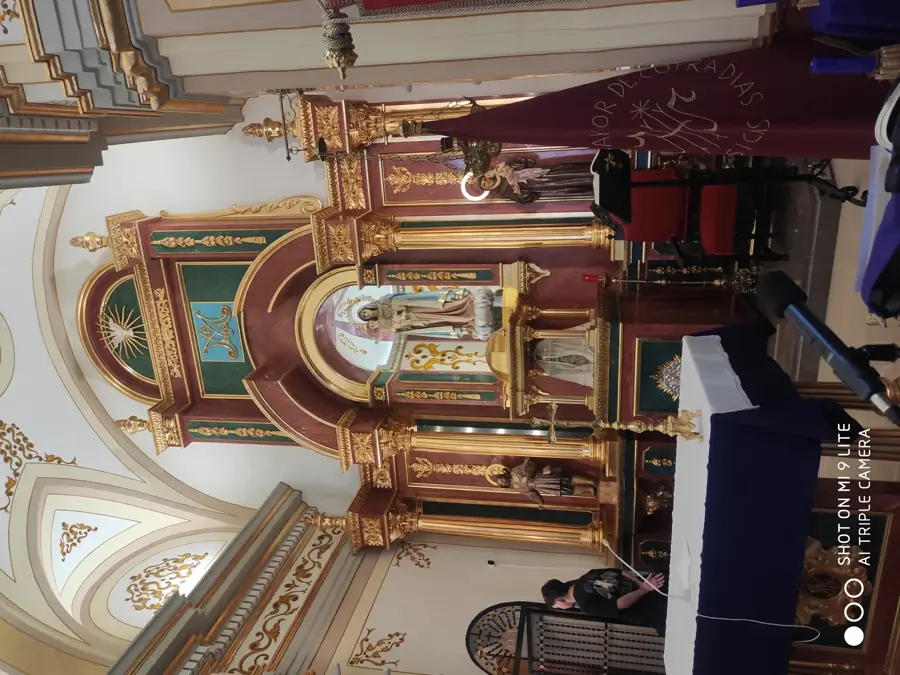
Impressive religious processions in the city.
Colorful festival with music, dance, and costumes.
Traditional parade through the streets of Cartagena.
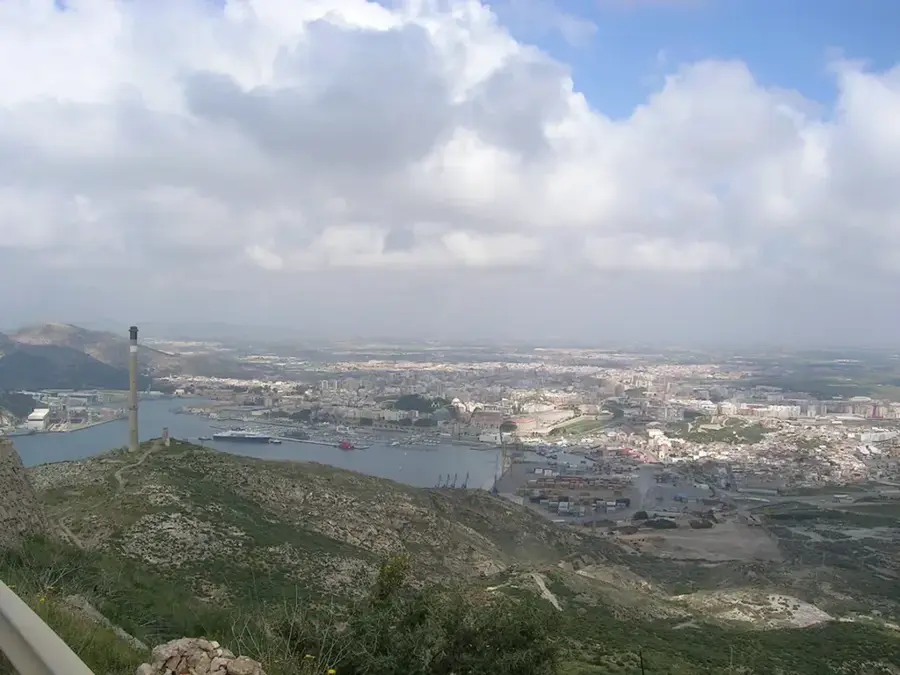
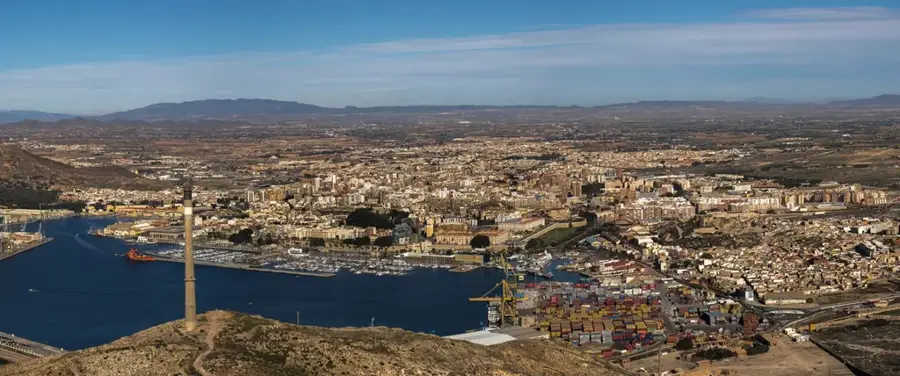
Cartagena, one of the most compelling cities on the Costa Cálida, is an extraordinary open-air museum where over 2,500 years of profound history are deeply woven into the modern streets. Thanks to its deep, naturally fortified bay, the city served as a prized strategic stronghold for both the Carthaginians and the Romans. The crown jewel is the breathtakingly restored Roman Theatre dating from the 1st century BC, remarkably only discovered by chance in 1988 under the old town's housing. It is now accessed through a brilliant museum designed by architect Rafael Moneo. Strolling down the elegant, pedestrianized Calle Mayor, visitors are treated to an array of impressive early 20th-century modernist architecture, funded by a massive local mining boom, the intricately detailed Town Hall (Palacio Consistorial) and the Casino are spectacular examples. Down at the bustling port, the National Museum of Underwater Archaeology (ARQVA) displays a treasure trove of artifacts salvaged from historic Mediterranean shipwrecks. Beyond its ancient roots, Cartagena is spirited and contemporary, filled with lively tapas bars where you simply must try an "Asiático", a beautifully layered local coffee cocktail spiked with Licor 43 and brandy. In September, history dramatically comes alive during the epic "Carthagineses y Romanos" festival, featuring thousands of locals in full ancient costume parading through the streets.
The most pleasant time to visit is May, Jun, Oct.
| Jan | Feb | Mar | Apr | May | Jun | Jul | Aug | Sep | Oct | Nov | Dec | |
|---|---|---|---|---|---|---|---|---|---|---|---|---|
| Avg °C | 12 | 12 | 14 | 16 | 19 | 23 | 26 | 26 | 24 | 20 | 16 | 13 |
| Rain mm | 31 | 18 | 35 | 31 | 16 | 8 | 3 | 12 | 32 | 29 | 37 | 37 |
Notable places around
Where do you start? We build the route here, with stops and country notes along the way.
© OpenStreetMap contributors · OpenRouteService
The morning begins on Calle Mayor, the heart of the city's modernist architecture. At noon, we dive deep into ancient history at the Roman Theatre before visiting the ruins of the old cathedral. The afternoon is dedicated to the excavations of the Forum and the climb to the castle for the best viewpoint. We end the evening by the massive Sea Wall at the harbor, watching the naval activity.
Morning starts under the balconies of Calle Mayor. At noon, the massive canopy of the Roman Forum Molinete keeps you dry while exploring ruins. Afternoon is spent inside the excellent Roman Theatre Museum. In the evening, the castle's visitor center provides a sheltered vantage point to watch the rain over the Mediterranean port.
Morning begins with crisp air on Calle Mayor under soft winter light. At noon, the sun warms the ancient stones of the Roman Forum. Afternoon is perfect for the climb to Concepción Castle in the clear Mediterranean air. In the evening, the sea wall provides a front-row seat for the early, vivid winter sunset.
By bike, we explore the maritime history, starting at the Naval Museum. The route follows the harbor wall to ARQUA and continues to the Punic fortifications. It's an efficient way to connect the scattered archaeological sites and museums.
Morning involves a cautious ride to the Naval Museum. At noon, the ARQUA museum offers a long, dry experience below ground level. In the afternoon, cycle along the sea wall avoiding puddles. In the evening, end your tour at the sheltered Roman Forum Molinete to stay out of the final showers.
A crisp winter morning by the port leads you to the Naval Museum. At noon, enjoy cycling along the sunny sea wall towards ARQUA. In the afternoon, ride to the Punic Wall as the low sun highlights the ancient textures. End your tour at the Molinete Forum before the early winter dusk sets in.
By car, we reach the spectacular Batería de Castillitos outside the city, a fortress with gigantic cannons. Then we return to the center to visit the castle and the Roman Theatre. This route combines wild coastal panoramas with urban history.
Morning starts with a drive to Castillitos Battery; take care on the winding coastal road in the rain. At noon, park near Concepción Castle and use the lift to stay dry. Afternoon is perfect for the sheltered Roman Theatre Museum. In the evening, enjoy dinner in the city center as the rain fades.
A clear winter morning takes you to the spectacular Castillitos Battery for endless views. At noon, reach Concepción Castle under a brilliant blue sky. In the afternoon, explore the Roman Theatre as the winter shadows lengthen. In the evening, enjoy the illuminated old town before the nightly chill sets in.
March-June and September-October are perfect: 18-28C with clear views of the Roman Theatre. Mid-September brings the Cartagena Jazz festival and November the Carthaginienses y Romanos pageant. July-August get oppressively hot, with the inner harbour baking like an oven.
The centre and port are safe, but tourists should avoid the western Lo Campano district. Petty con-thieves occasionally work Cartagena train station asking for directions. The climb to Conception Castle is poorly lit after dark, so do it by day.
Cartagena is a real Spanish port city, with Spanish nearly essential outside the main sights. Locals from Murcia drop word endings ('grasia' for 'gracias'), don't be alarmed. You'll often be addressed as 'mijico' (my dear), which is a friendly term.
Along the rugged coastline of Cartagena, Playa de la Parajola reveals itself as an easy on the eye beach area. The untouched atmosphere invites nature lovers to follow the rhythm of the waves. Anyone looking to breathe in some sea air away from the large crowds will be exactly right here.