Agropriego Agricultural Fair
A major trade and public fair focused on agricultural machinery, local products, and especially the region's world-famous olive oil.
PlizioGo
A local sweet made of chocolate and peanuts or almonds, often served as a cylindrical bar.
A thick, cold tomato soup, often enhanced here with the excellent local olive oil.
A meat roll stuffed with ham and cheese, breaded and deep-fried.
Purchase award-winning olive oil directly from specialty shops on Calle Río.
Look for traditional pottery featuring typical Andalusian patterns.
A traditional liqueur made with anise, coffee, and cinnamon, often produced in Priego.
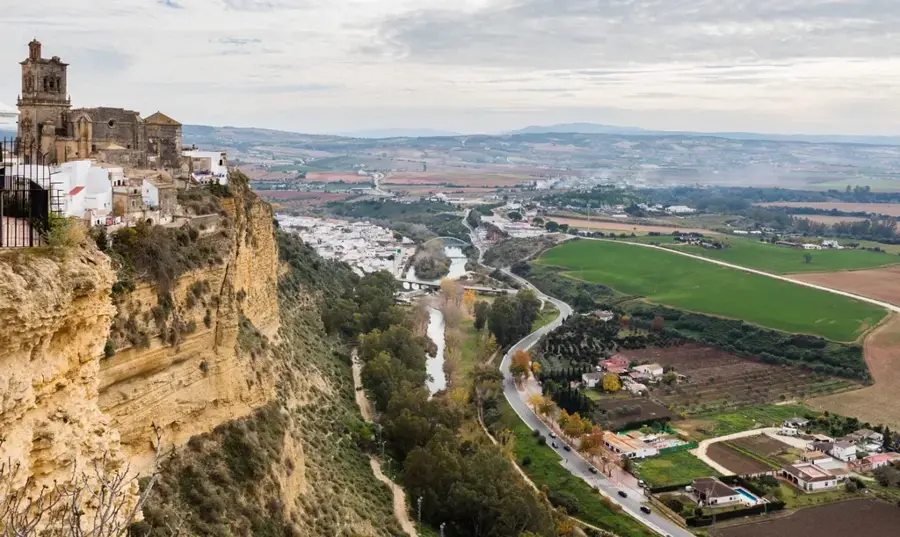
A beautiful promenade on the edge of a cliff with wide views over the Andalusian countryside.
A quiet park with gardens and statues, well-suited for a break in the shade.
A hidden garden at the foot of the city walls with small waterfalls and ponds.
Water temperature…
A major trade and public fair focused on agricultural machinery, local products, and especially the region's world-famous olive oil.
The grand end-of-summer festival offers days of live music, dance tents, attractions, and the best regional gastronomy.
A summer cultural event bringing world-class performances in flamenco, classical music, and contemporary theater to Priego.
A colorful and musical pilgrimage to the sanctuary in the nearby natural park, attended by horseback riders and festively decorated wagons.
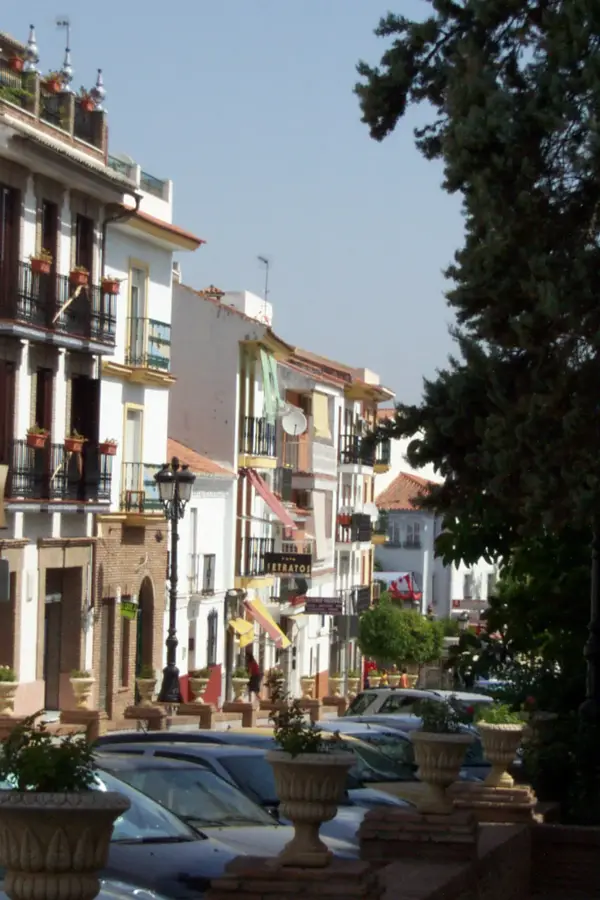
The Moorish quarter Barrio de la Villa is beautifully decorated with countless flowers, traditional white cloths, and elaborate altars.
A unique festival series where every Sunday in May a different brotherhood hosts its own spectacular religious and cultural celebration.
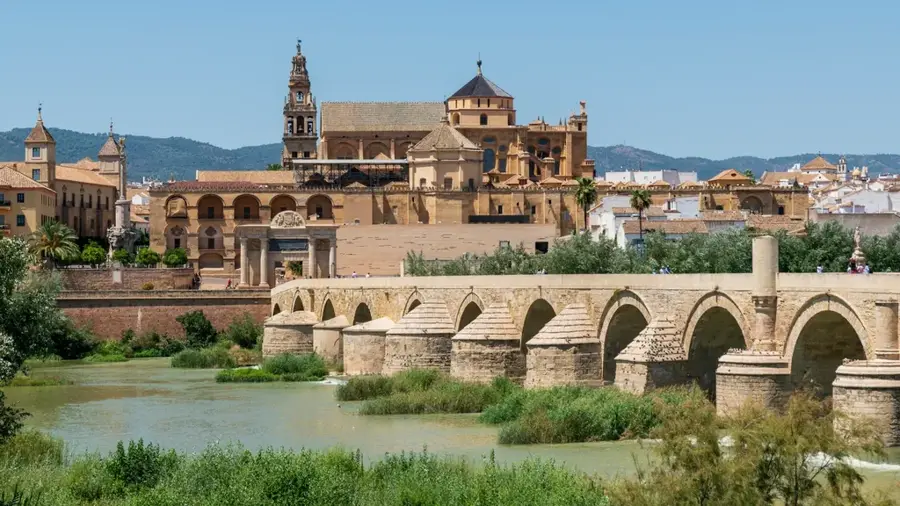
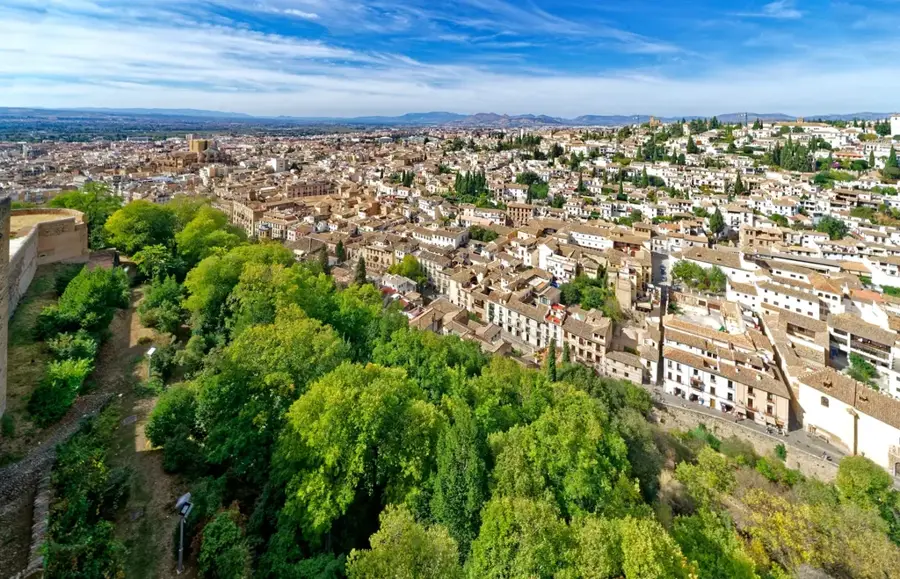
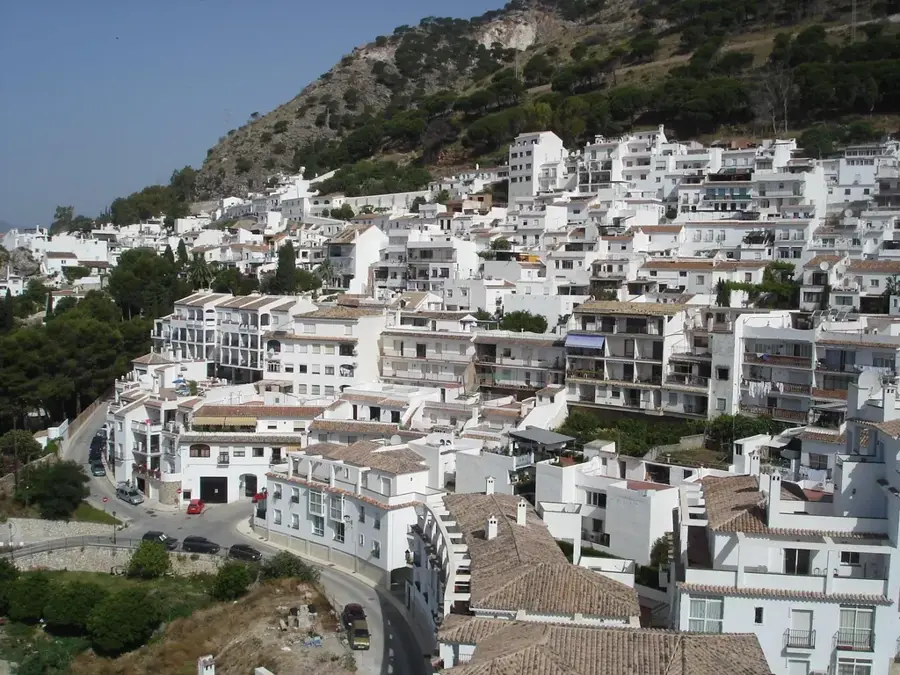
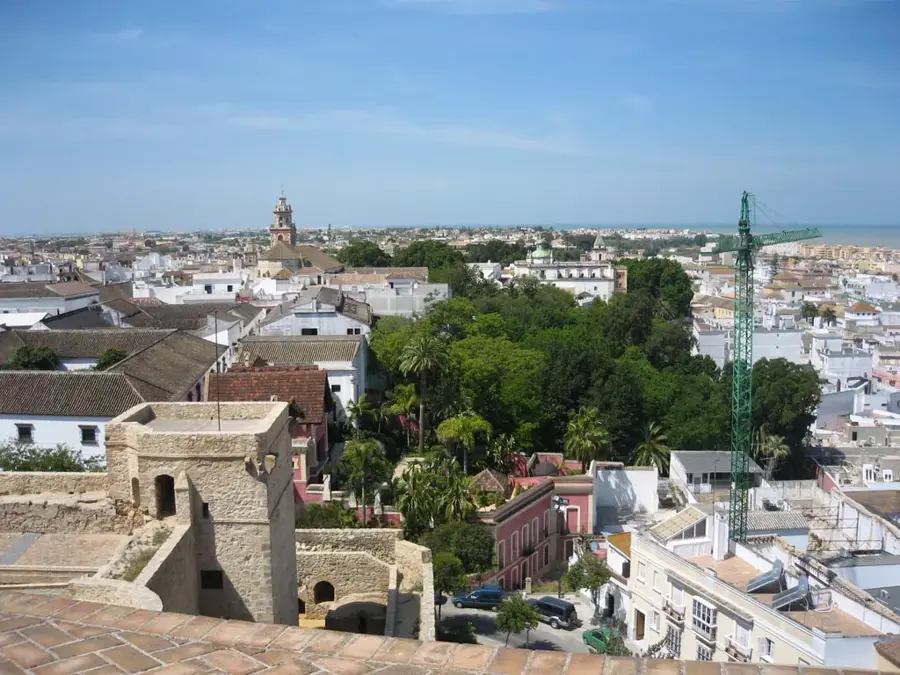
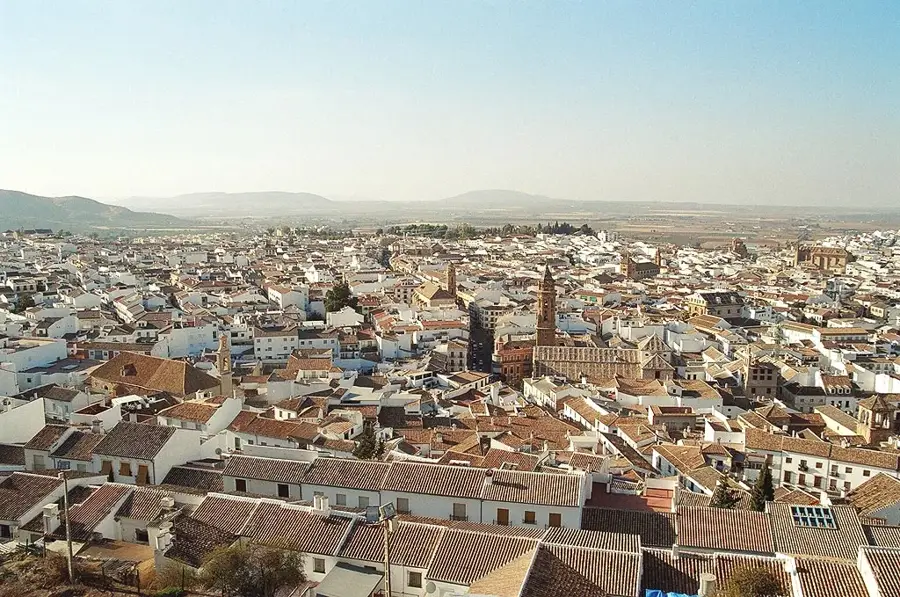
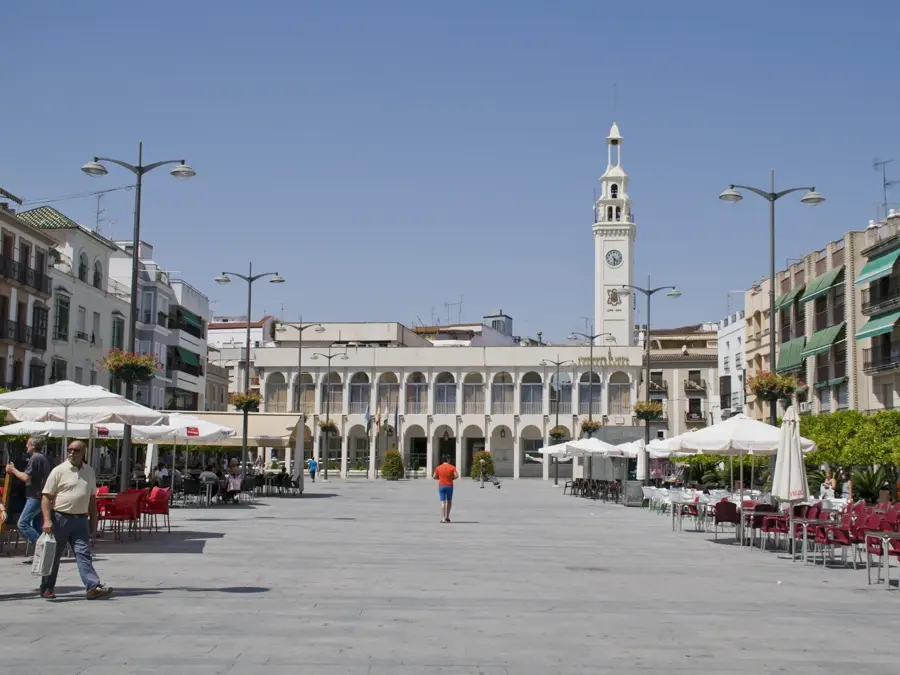
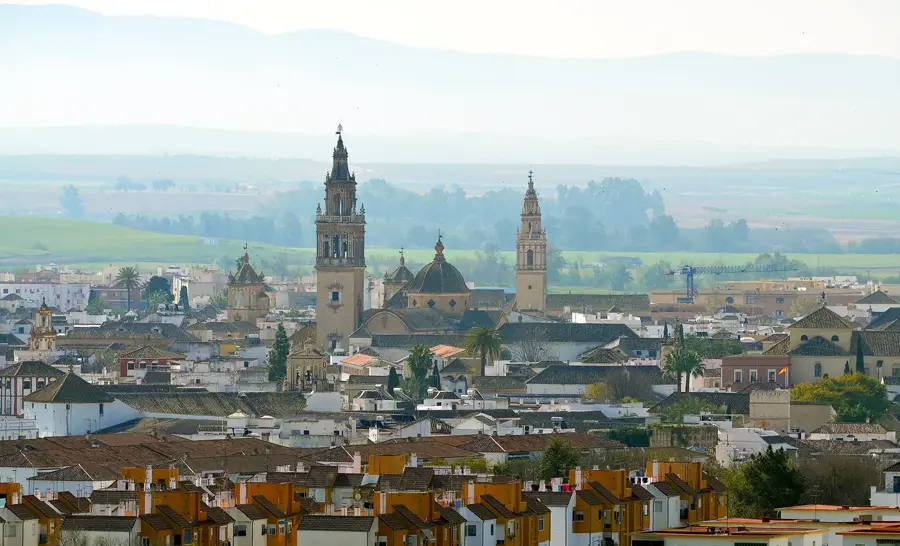
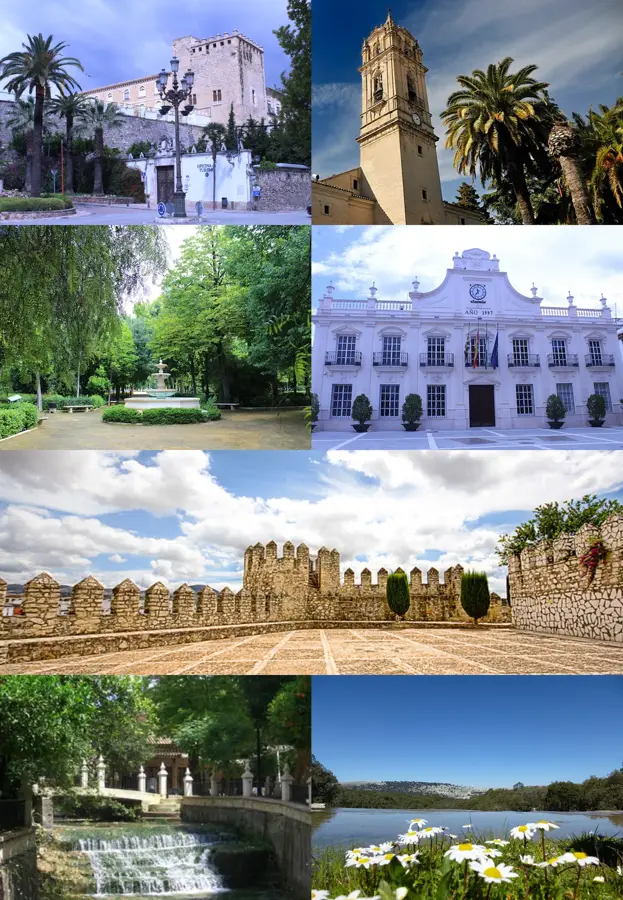
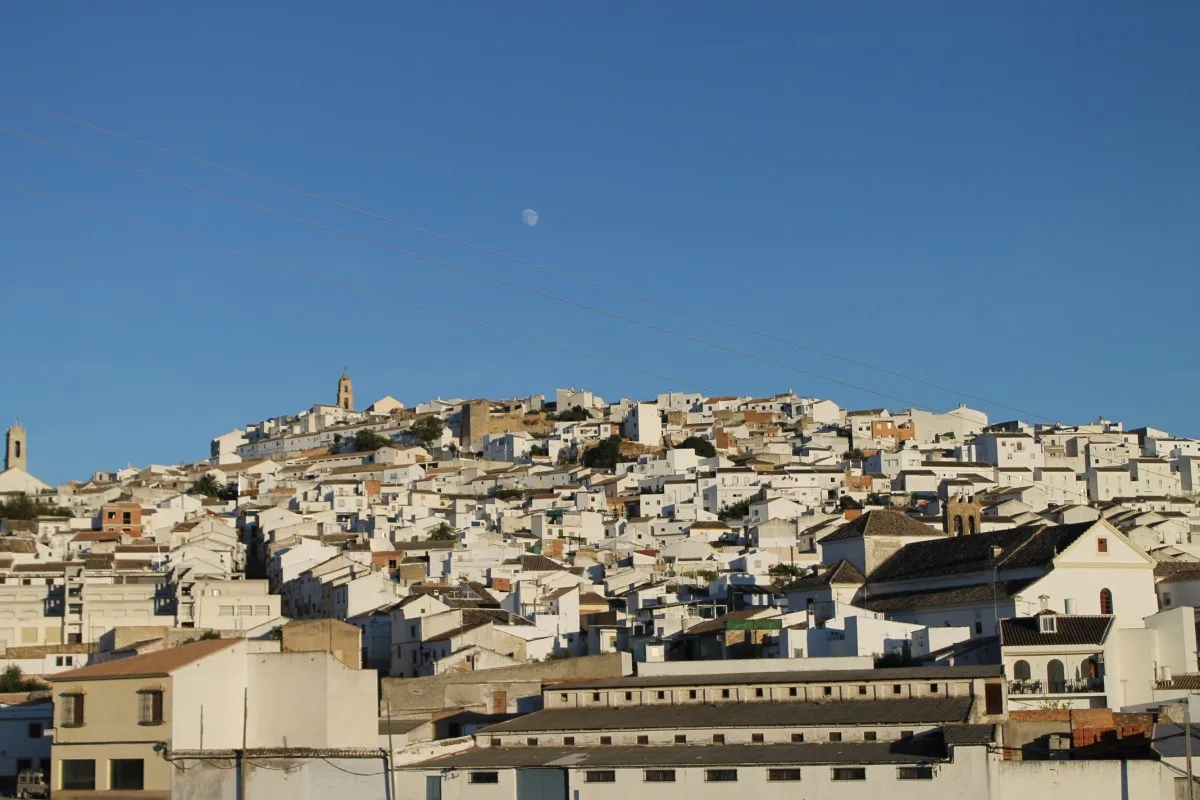
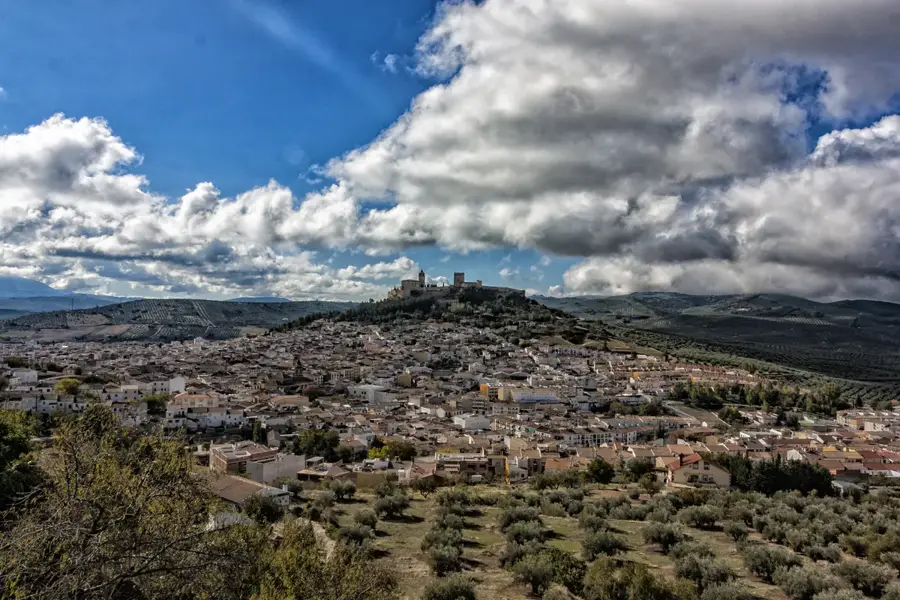
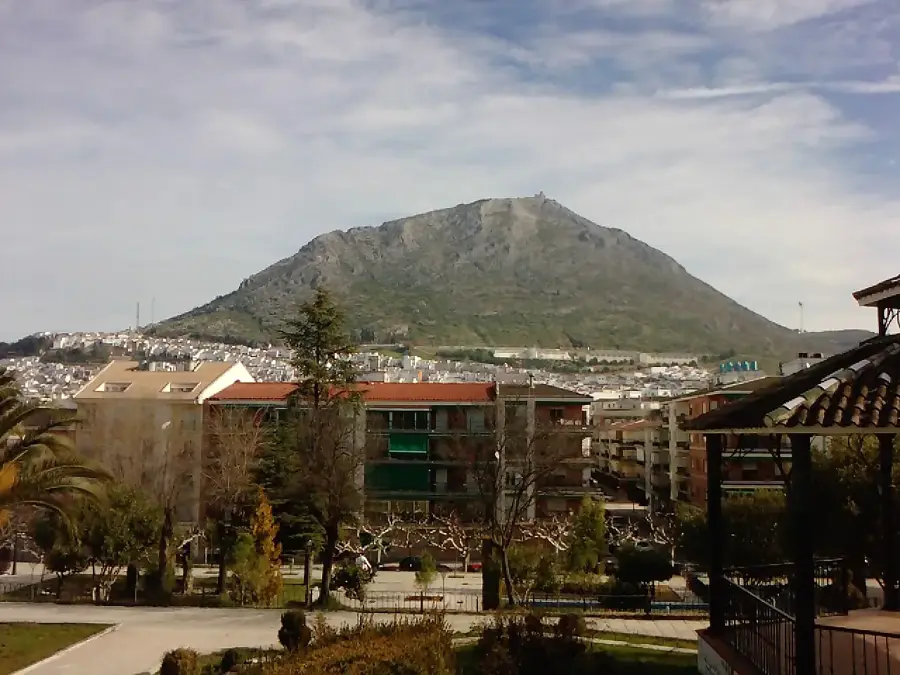
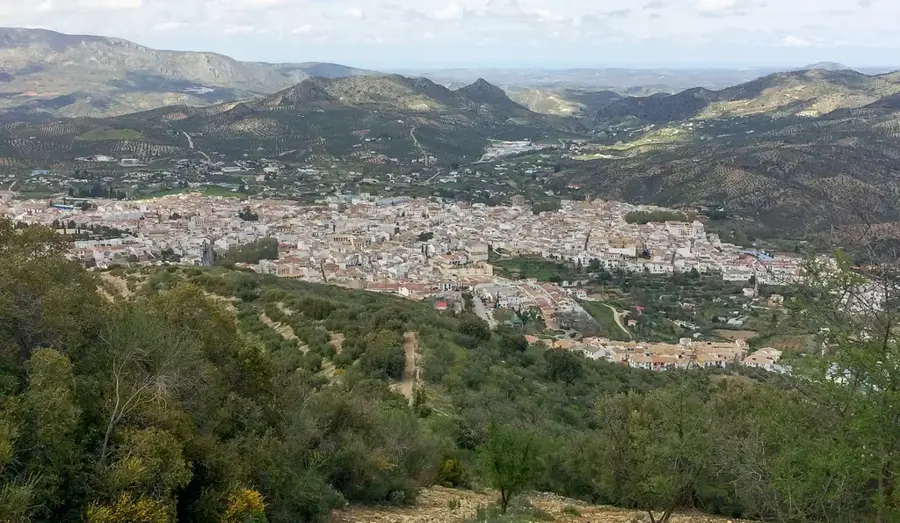
Priego de Córdoba is a remarkable town often referred to as the 'Cradle of the Baroque' due to its wealth of 18th-century religious and civil architecture. Its prosperity was built on the flourishing silk industry, which funded the construction of ornate churches like San Pedro and La Aurora. The most welcoming area is the Barrio de la Villa, a medieval quarter where the white-washed walls are adorned with countless colorful flower pots. The town sits on a plateau, and the Adarve walkway provides wide-open views of the rolling olive groves below. A must-see is the Fuente del Rey, a monumental Baroque fountain featuring 139 water spouts and impressive mythological sculptures. Today, the town is equally famous for producing some of the world's most awarded extra virgin olive oils.
The most pleasant time to visit is Jun, Aug, Sep.
| Jan | Feb | Mar | Apr | May | Jun | Jul | Aug | Sep | Oct | Nov | Dec | |
|---|---|---|---|---|---|---|---|---|---|---|---|---|
| Avg °C | 6 | 7 | 9 | 12 | 17 | 23 | 26 | 26 | 21 | 16 | 9 | 7 |
| Rain mm | 39 | 43 | 57 | 44 | 28 | 5 | 1 | 4 | 27 | 48 | 57 | 51 |
Notable places around
Where do you start? We build the route here, with stops and country notes along the way.
© OpenStreetMap contributors · OpenRouteService
Start your morning at the impressive Fuente del Rey and de la Salud fountains, symbols of Priego's water wealth. Then, a leisurely walk leads you into the charming Barrio de la Villa, where time seems to stand still. At noon, enjoy the views from the Balcón del Adarve and immerse yourself in the baroque splendor of the Asunción church. The afternoon is dedicated to exploring the medieval castle and the historical museum, before ending the day in the narrow alleys of the old town.
The morning begins at the fountains, where the rain amplifies the sound of the water. The Baroque sculptures glisten beautifully in the damp air. At noon, we seek shelter in the Iglesia de la Asunción. The golden interior provides a warm contrast to the grey skies and the falling rain outside. In the afternoon, we wander through the Barrio de la Villa. The narrow streets offer some protection from the wind, and the white walls brighten the soft light. The day ends comfortably at the Historical Museum. We dive deep into the city's past while staying dry, listening to the rain on the ancient rooftops.
The crisp winter air makes the Fuente del Rey appear in a crystalline light this morning. The chill is refreshing for our first walk. At noon, the low winter sun warms the white facades of the Barrio de la Villa. It is the best time to appreciate the architectural details. In the afternoon, we reach the Castillo. The 'golden hour' starts early in winter, bathing the fortress walls in a magical, warm glow. Towards evening, we seek the warmth of the museum. As the sun sets around 18:00, we enjoy the final cultural insights of the day indoors.
Explore Priego by bike, from the majestic fountains to the steep alleys of the old town.
A refreshing ride through Andalusia's 'City of Water'. The rain glistens on the asphalt as we move swiftly between the monuments. At noon, we park the bikes securely and enjoy the silence in the main church. The dampness outside makes the city's colors appear more vivid. The afternoon takes us to the Castillo. The ride requires concentration on the wet paths, but the solitary views from the Adarve are rewarding. We finish the tour at the museum. After the physical activity in the rain, the dry and quiet atmosphere of the exhibitions feels especially good.
A brisk start to the cool morning. The ride to Fuente del Rey wakes you up while the city slowly comes to life. At noon, we enjoy the mild sunlight on our bikes. The white houses reflect the warmth, making riding through the center very pleasant. In the afternoon, we pedal up to the Castillo. The exertion keeps us warm, and the view of the distant snowy peaks is fantastic. We finish the day at the museum. The bikes are parked safely, and we enjoy the indoor warmth before heading back at dusk.
By car, you can easily reach the fountains and even drive up to Calvario hill for the best views.
A relaxed drive through rainy Priego. We start at the fountains and enjoy the comfort of the warm car between the stops. At noon, we park near the center and explore the Barrio de la Villa on foot under the protection of our umbrellas. The wet facades shimmer. In the afternoon, we drive up to the Ermita del Calvario. The clouds hang low over the olive groves, creating a dramatic backdrop. We conclude the day at the museum. The car waits in the nearby parking lot while we discover the region's history in the dry.
The morning is pleasantly warm in the car as we drive to Fuente del Rey. The city is often shrouded in light winter mist. At noon, we use the car to switch quickly between the sunny squares. The clear view of the mountains is magnificent from the car. In the afternoon, we drive up to the Ermita. The panoramic view of winter-dormant Priego from up here is unbeatable. We finish the day at the museum. The car's heater ensures a cozy conclusion before the frosty night sets in.
April to June and September to early November are ideal, with pleasant 20-28°C temperatures and flowering courtyards. July and August often see temperatures above 40°C, when the town becomes almost deserted.
Priego is very safe, the main risk being the narrow, steep alleys of La Villa quarter which get slippery after rain. Never leave valuables visible in your rental car, especially near Mirador Adarve. Streets are virtually empty at night, walking alone is generally trouble-free.
Locals speak Andalusian Spanish with soft 's' sounds and dropped word endings. A friendly 'hola' and 'gracias' go a long way in this small hill town. English is rarely spoken, so a translation app on your phone is essential.
The Casa Natal Niceto Alcalá-Zamora is a museum in Priego De Cordoba. It is dedicated to the life and work of a significant historical figure.