Plizio Visual Lab
Kodok
ℹ️Practical info — Kodok
▾
🌤 Weather — 5 days
📍 Nearby
Sights nearby
💡 Tips
- Travel infrastructure is extremely rudimentary, so coordinate closely with local NGOs or established guides before visiting.
- Always seek explicit permission from local leaders before entering traditional Shilluk cultural areas.
- River transport via the White Nile is often the most reliable way to arrive, rather than by road.
- The local climate is hot and humid year-round; ensure you have adequate hydration and sun protection.
🍽 Food
Freshly caught fish from the White Nile, typically roasted over an open fire near the riverbank.
A staple carbohydrate served with various local meat or okra stews, found in family kitchens.
Occasionally available at small local stalls, these thin pancakes are a delightful simple treat.
🛍 Shopping · 🧘 Quiet spots
The central hub for exchanging basic goods, where you might find traditional baskets or pottery.
Ask local contacts if artisans are selling hand-carved walking sticks or traditional beadwork.
A serene place to watch the water flow by, observe local fishermen, and see the local birdlife.
The open savanna begins just outside the town, offering a vast, uninterrupted view of the landscape.
Water temperature…
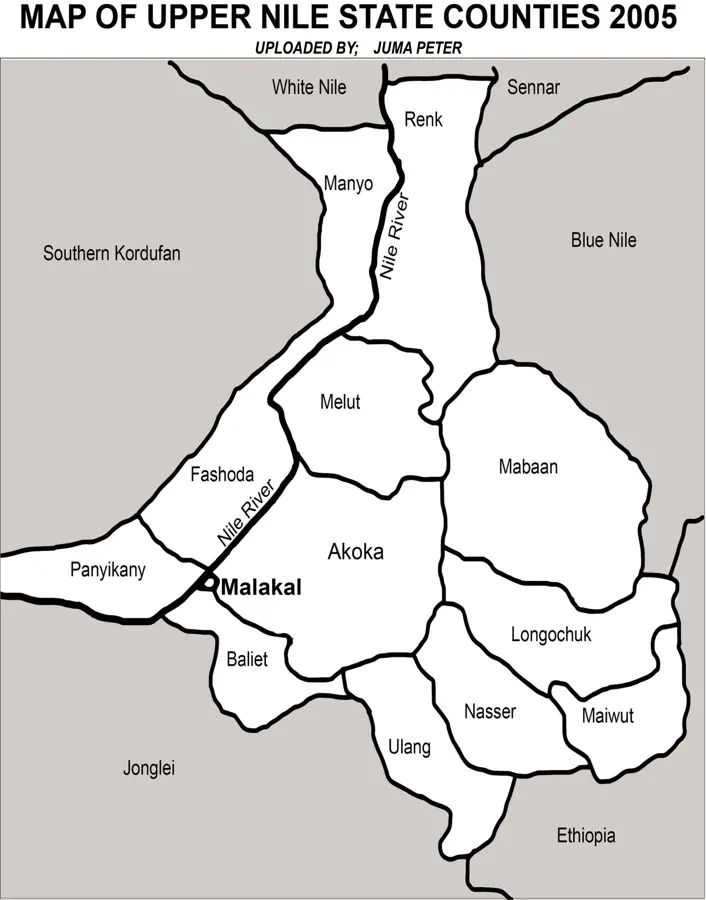
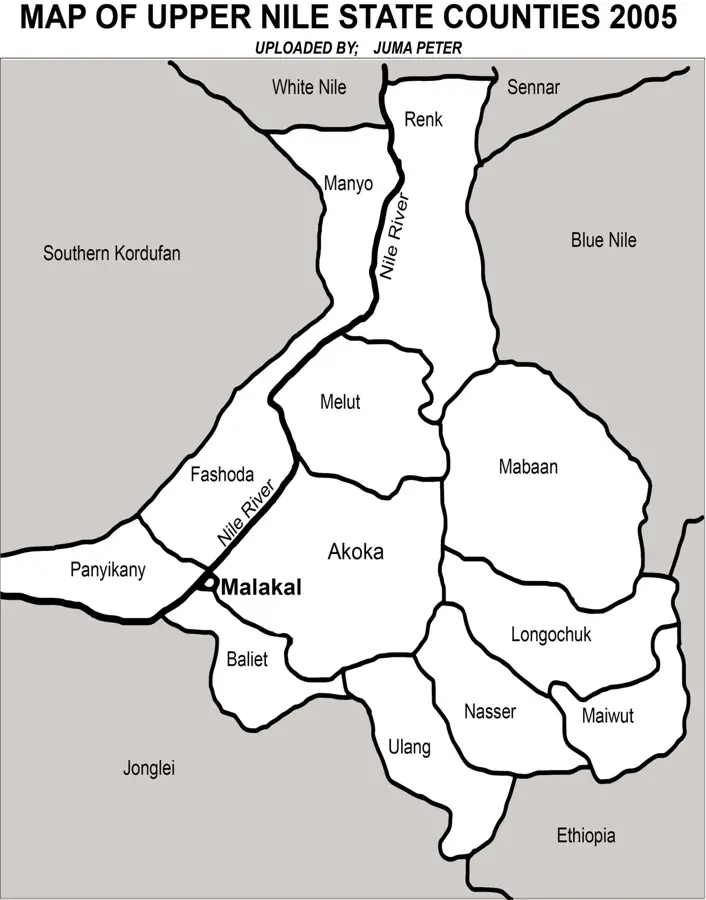
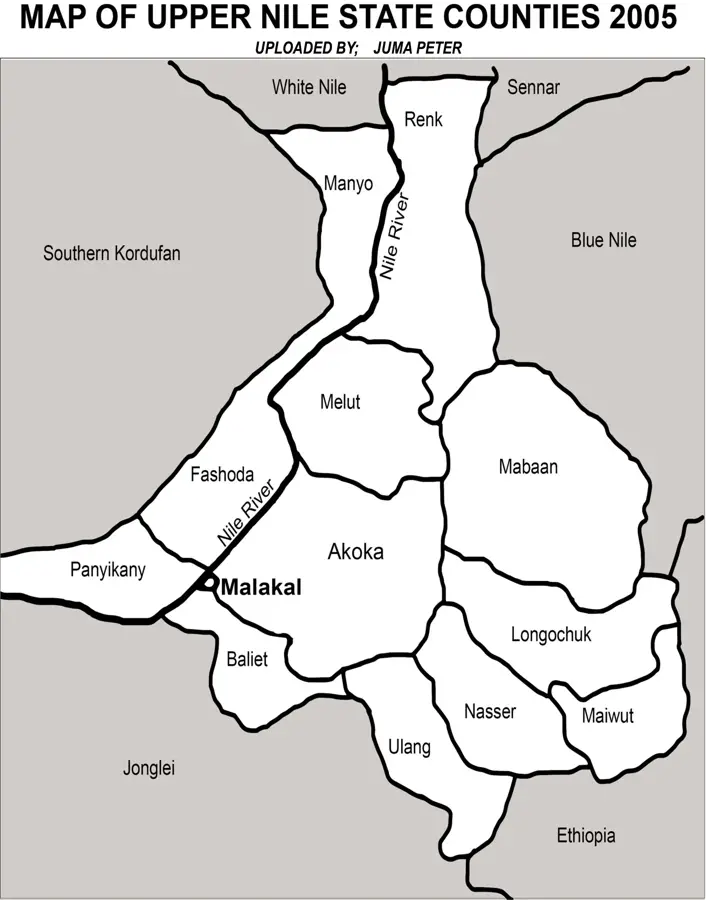
Kodok, formerly known as Fashoda, is a town of global historical significance located in the Upper Nile State of South Sudan. Situated on the western bank of the White Nile, it serves as the traditional seat of the Reth (King) of the Shilluk people, making it a vital cultural and spiritual center. In 1898, the town became the epicenter of the Fashoda Incident, a diplomatic confrontation between France and Britain that nearly led to war over imperial control in Africa. The town is characterized by its traditional Shilluk architecture and sacred sites that host ancient royal ceremonies to this day. Economically, Kodok relies on Nile fishing and subsistence farming in the fertile alluvial soils along the riverbanks. Despite the devastation during the South Sudanese Civil War, Kodok remains an indispensable symbol of Shilluk national identity. Transport to the town is predominantly via the Nile, as terrestrial routes through the Sudd wetlands are frequently inaccessible.
- Location: South Sudan
- Population: ~7.709 (2022)
Best time to visit & climate
The most pleasant time to visit is Jan, Nov, Dec.
| Jan | Feb | Mar | Apr | May | Jun | Jul | Aug | Sep | Oct | Nov | Dec | |
|---|---|---|---|---|---|---|---|---|---|---|---|---|
| Avg °C | 27 | 30 | 32 | 33 | 31 | 29 | 27 | 26 | 27 | 28 | 28 | 27 |
| Rain mm | 0 | 0 | 2 | 21 | 81 | 109 | 153 | 174 | 148 | 108 | 5 | 2 |
Geography
Facts
- Famous for the 1898 Fashoda Incident between France and UK
- Traditional seat of the Reth (King) of the Shilluk people
- Located on the western bank of the White Nile
- Religious and cultural heart of the Shilluk Kingdom
- Strategic river port for regional trade and transport
- Primarily accessed by river due to swampy terrain
Explore nearby
Notable places around

Route planner — Car & Motorhome
Where do you start? We build the route here, with stops and country notes along the way.
© OpenStreetMap contributors · OpenRouteService
Sights in the town Kodok (1)
Frequently asked questions
What characterizes Kodok?
Is it open to visitors?
How to reach Kodok?
What is the best season?
Should I travel alone?
Kodok: where is it located?
Kodok: when is the best time to visit?
Kodok: why is it worth visiting?

Nearby cities

History & landmarks
Nature
More places