Plizio Visual Lab

Outeniqua Mountains
Plizio editorial teamData Sources
Mountain
—°4
Outeniqua Mountains (South Africa)

Weather…

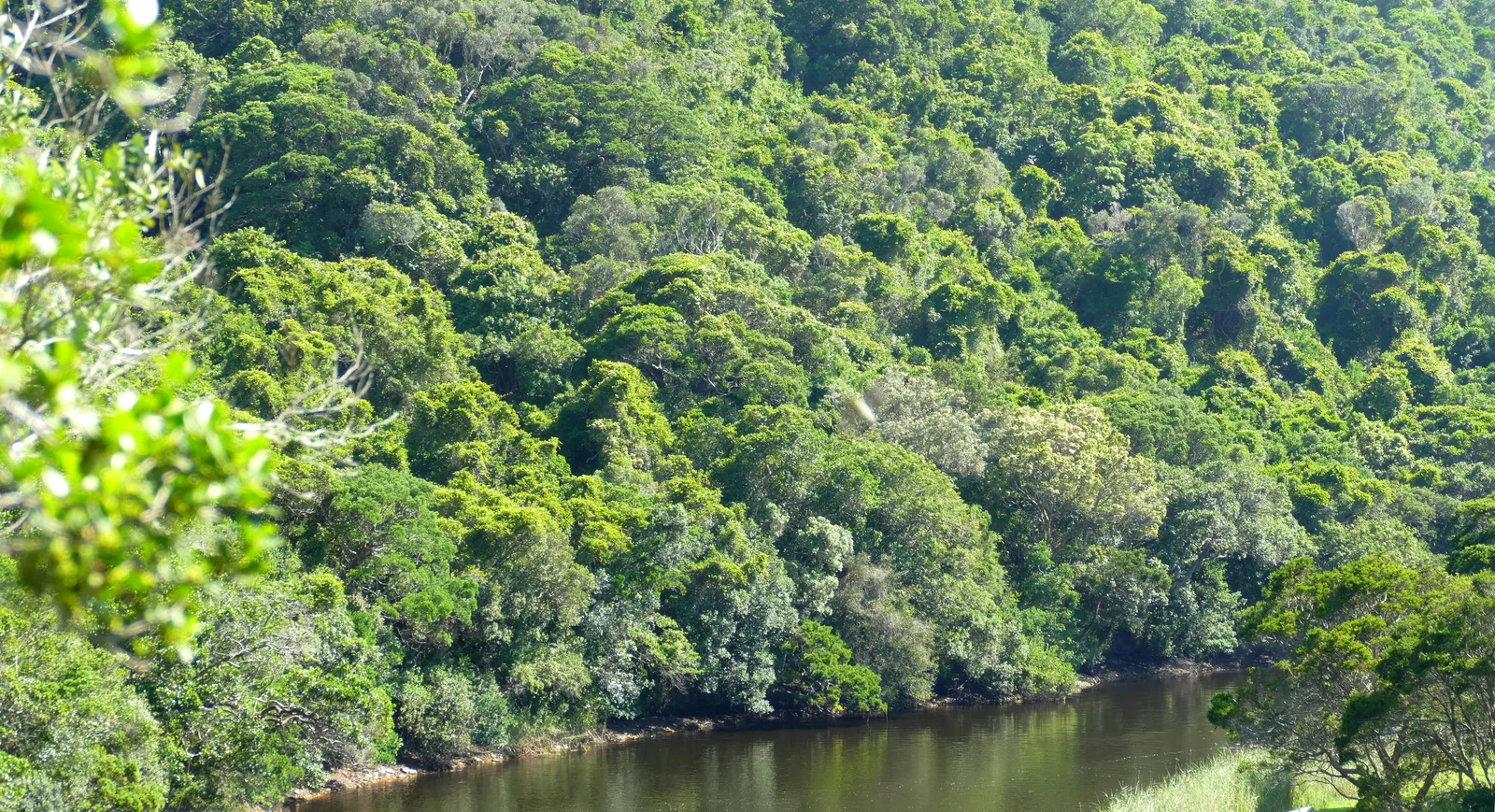
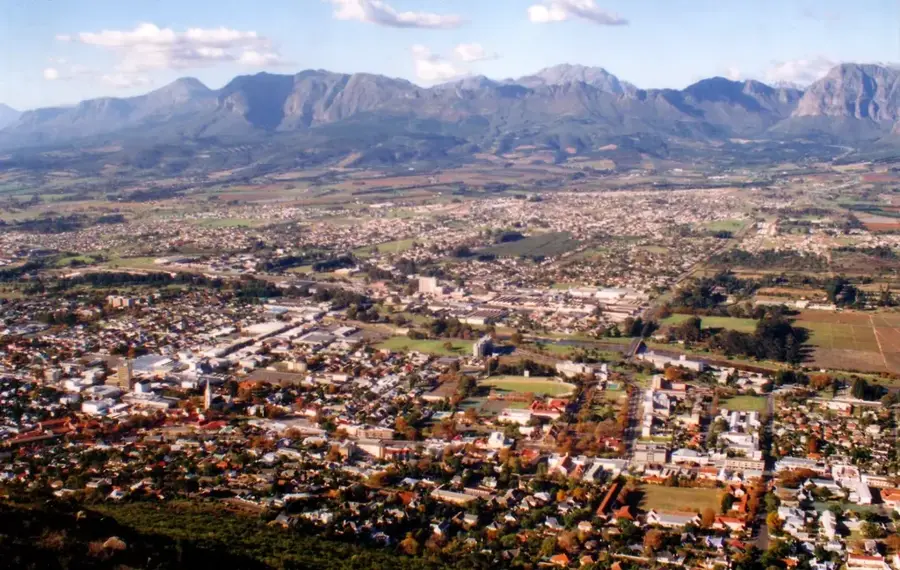
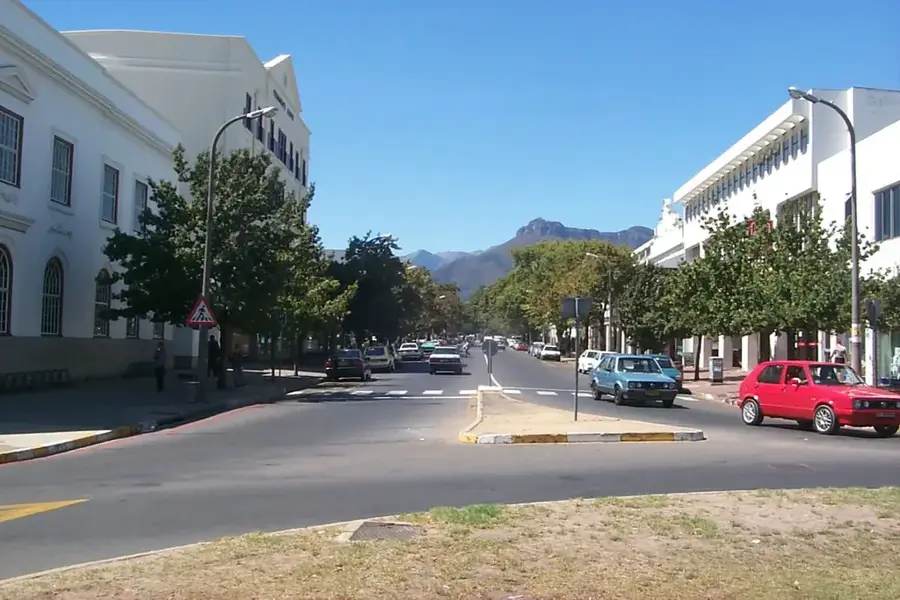
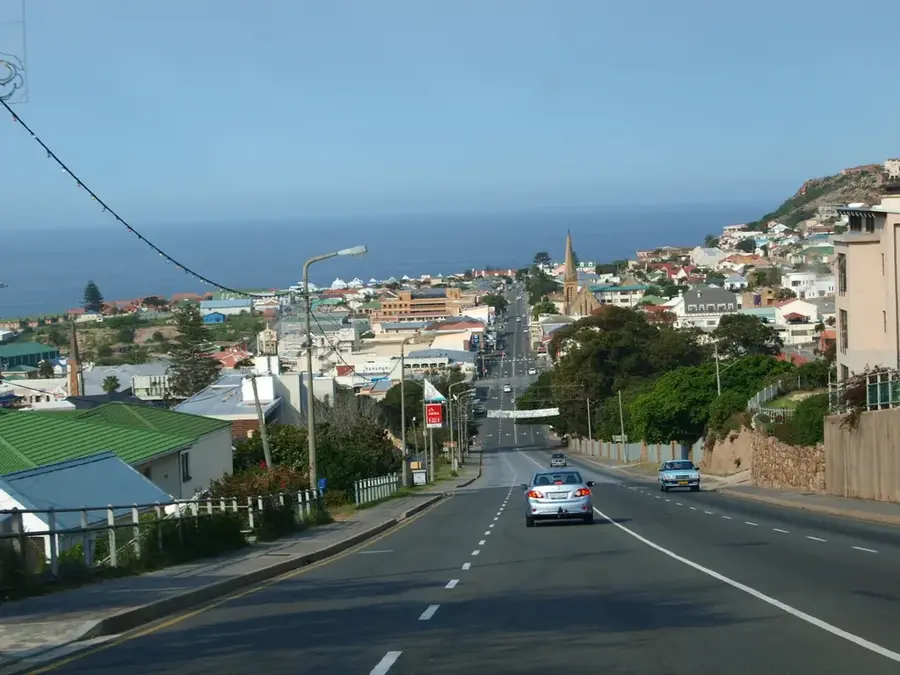
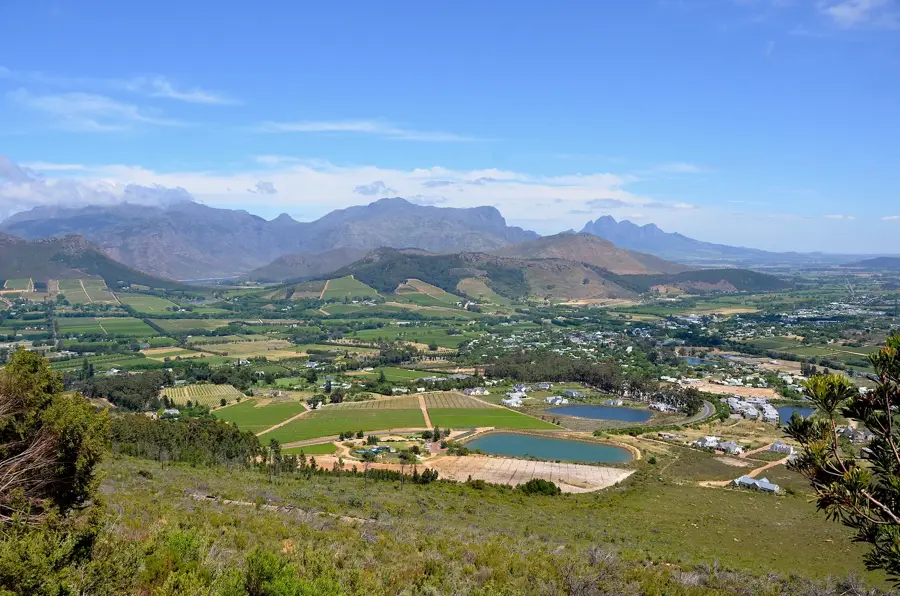
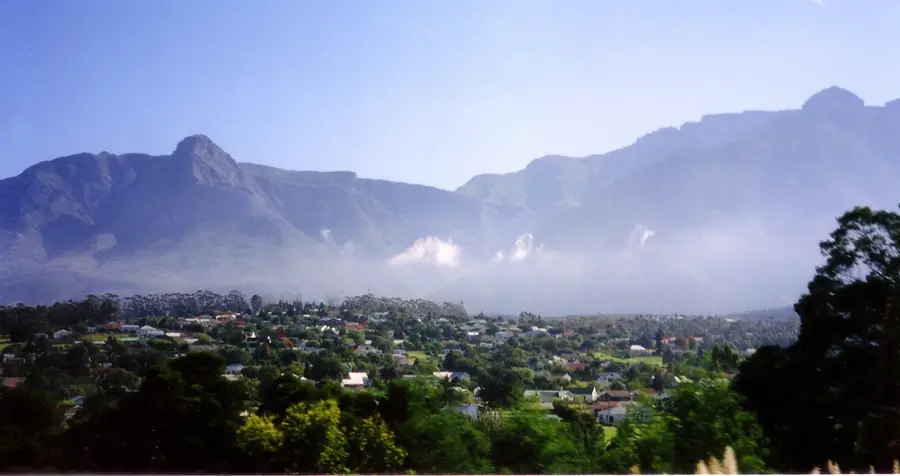
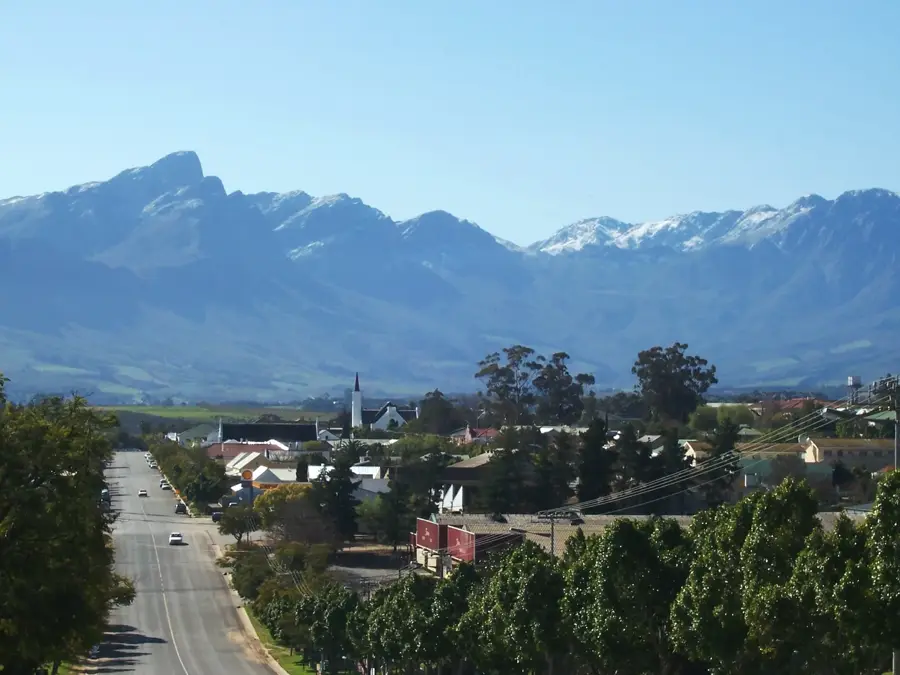
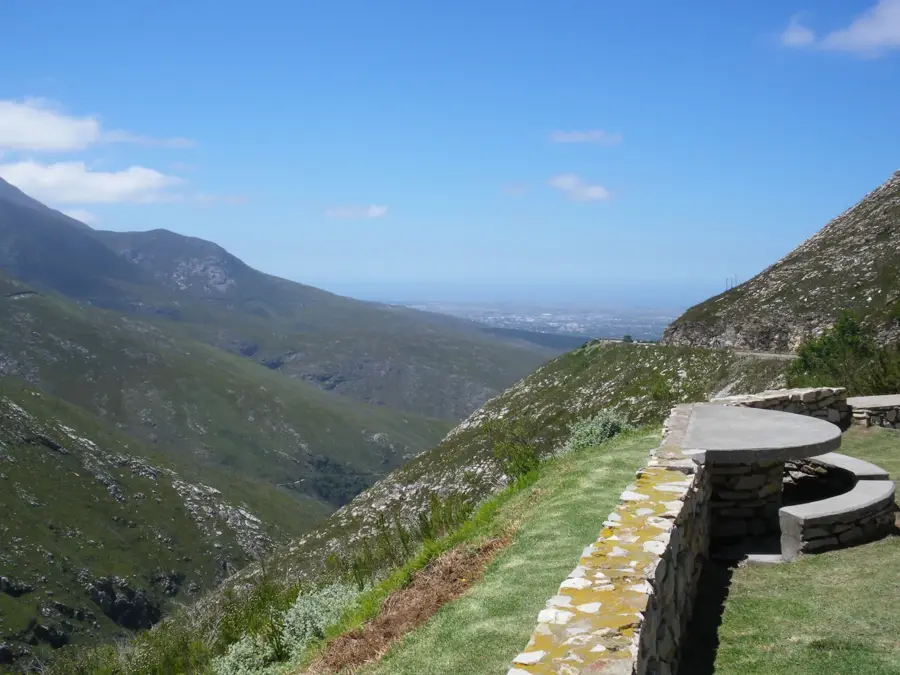
The Outeniqua Mountains run parallel to the southern coast of South Africa, creating a formidable barrier between the lush Garden Route and the semi-arid Little Karoo. The name Outeniqua is derived from the Khoisan language, meaning people laden with honey, a reference to the abundance of wildflowers and wild bees found by the original inhabitants. The range's highest point is Cradock Peak, standing at 1578 meters, which towers over the town of George. The southern slopes receive high rainfall, supporting dense indigenous forests and rich fynbos, while the northern rain shadow slopes are characterized by karroid scrub. Historically, these mountains were a major obstacle to inland travel, until the completion of the Montagu Pass in 1848 revolutionized transport in the region. The railway line that winds through the range was once home to the famous Outeniqua Choo Tjoe steam train and is considered one of the most scenic in the world. Nowadays, the mountains are a protected conservation area, popular for hiking, mountain biking, and birdwatching.

Best time to visit & climate

The most pleasant time to visit is Jan, Feb, Dec.

JanFebMarAprMayJunJulAugSepOctNovDec
Avg °C212120181614141415171820
Rain mm343549403138385235435134

📋 Practical info

🧭
Getting there
The majestic mountain range is exceptionally accessible from coastal hubs like George, with smoothly paved mountain passes and well-graded forestry roads weaving into the interior. Numerous prominently marked hiking trailheads are conveniently situated just short distances off the primary national highways.
📅
Best season
The region warmly welcomes visitors year-round, though the temperate spring and autumn seasons provide the most consistently pleasant atmospheric conditions for rigorous hiking. Winter months occasionally usher in freezing temperatures and pretty light snowfalls on the highest peaks.
⛰️
Terrain & paths
Topographical features oscillate between gently rolling slopes blanketed in fragrant fynbos and aggressively steep, rocky ravines. The established trails exhibit massive variation, transitioning from wide, leisurely forestry tracks to tremendously demanding, multi-day technical traverses.
🎒
What to bring
Exceptional quality, broken-in hiking footwear and a versatile layering system to combat rapidly shifting alpine microclimates are indispensable. Responsible hikers always ensure they carry a highly detailed topographical map, voluminous water reserves, and calorie-dense nutritional snacks.
🅿️
Parking
Designated, generally secure parking zones are typically provided at recognized trailheads, provincial nature reserves, and active forestry stations such as Witfontein. Nevertheless, it remains a universal best practice to never leave any valuable items visibly exposed inside your parked vehicle.
⚠️
Safety
High-altitude weather patterns are notoriously fickle, capable of degrading rapidly to produce thick zero-visibility fog and alarming drops in ambient temperature. Visitors are strongly urged to adhere rigidly to officially marked pathways and communicate their precise itinerary to a third party.
⏱️
Time needed
The length of a visit can easily stretch from a brisk, two-hour exploratory nature walk to a grueling week-long endurance challenge if committing to famous long-distance routes like the Outeniqua Trail.

Geography

Coordinates
-33.90000, 22.50000

Facts

  • The highest peak in the range is Cradock Peak at 1578 meters above sea level.
  • Montagu Pass was opened in 1848 and was the first major road over the mountains.
  • The Outeniqua Pass was completed in 1951 to accommodate larger vehicles.
  • The mountains are primarily composed of 400-million-year-old sandstone.
  • The range receives over 800mm of rain annually on its southern slopes.
  • The indigenous forests in the foothills are some of the largest in South Africa.

Explore nearby

Notable places around
Route planner — Car & Motorhome

Where do you start? We build the route here, with stops and country notes along the way.

Vehicle
Only stops with (optional):

© OpenStreetMap contributors · OpenRouteService

Sights in the town Outeniqua Mountains (4)

Kransberg🌿 nature

Rising prominently in the Outeniqua range, this rugged mountain peak is characterized by its steep, rocky crags and challenging hiking terrain.

Tierkop🌿 nature

This prominent Outeniqua peak features a scenic, sweeping view of the surrounding coastal plain and the intricate valleys of the Garden Route.

George Peak🌿 nature

Towering above the city of George, this majestic mountain summit is a beloved destination for seasoned hikers scaling the Outeniqua Mountains.

Old Toll House🏺 historical

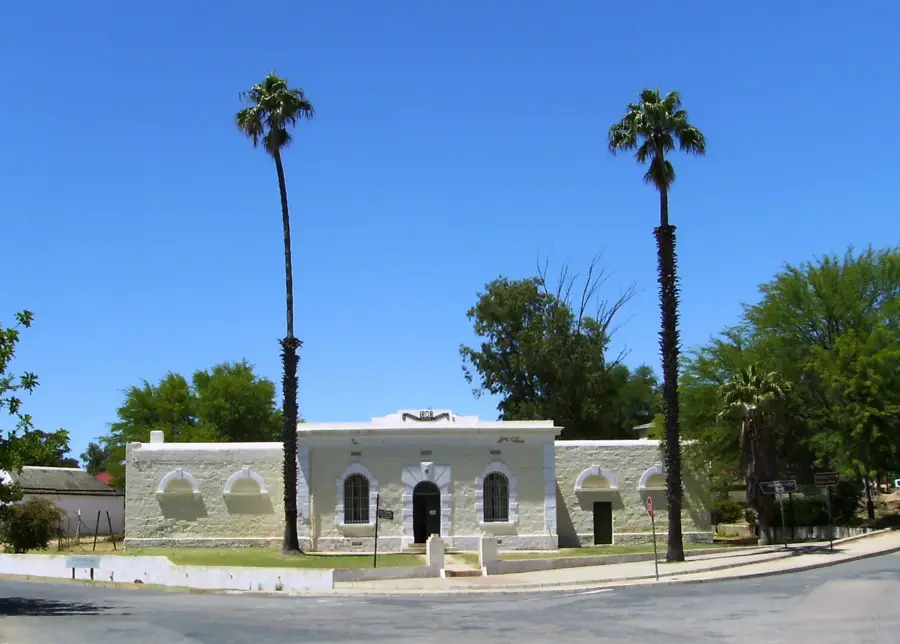
Constructed from local stone along the Montagu Pass, this preserved monument historically collected tariffs from ox-wagons crossing the perilous mountains.

Sights nearby

Frequently asked questions

How difficult is hiking in the Outeniqua Mountains?
Routes vary widely from easy to demanding for experienced hikers.
What is the best time of year to visit?
Spring and autumn offer the most pleasant temperatures for hiking.
Are there parking facilities at the trails?
Yes, there are usually secure parking spots at the main trailheads.
Are there public toilets or restaurants?
Rarely, plan your hike to be self-sufficient and bring enough supplies.
What is the weather risk in the mountains?
Weather can change rapidly, so always carry weather-protective clothing.
Outeniqua Mountains: where is it located?
Outeniqua Mountains is located in South Africa.
Outeniqua Mountains: what is there to see?
Highlights include Kransberg, Tierkop, George Peak.
Outeniqua Mountains: when is the best time to visit?
The most pleasant time to visit is Jan, Feb, Dec.
Outeniqua Mountains: why is it worth visiting?

The Outeniqua Mountains run parallel to the southern coast of South Africa, creating a formidable barrier between the lush Garden Route and the semi-arid Little Karoo.
View on map → The Top 50 Attractions → OpenStreetMap →
Africa
Explore with Plizio Discover more places in Africa
More places in South Africa →

Nearby cities

History & landmarks
More places