Plizio Visual Lab

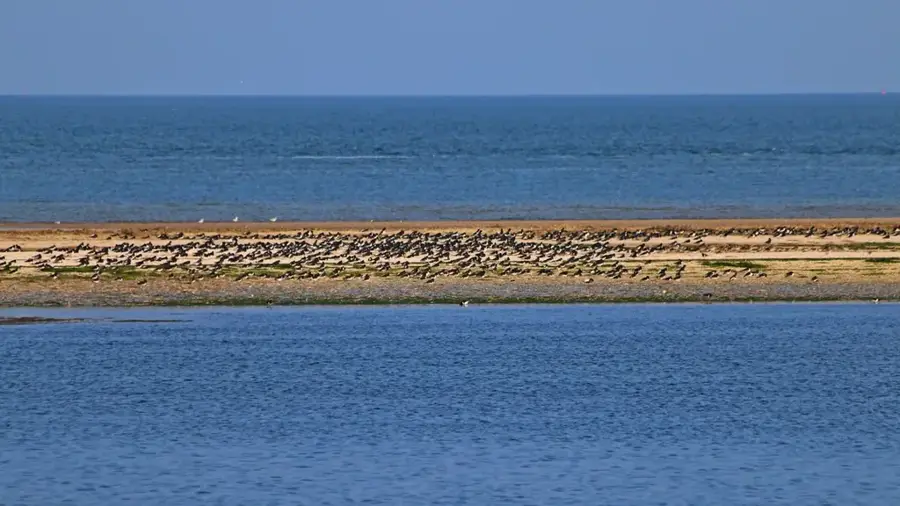
Coastal sandbank
Plizio editorial teamData Sources
Sea
—°
Coastal sandbank (Senegal)

Weather…

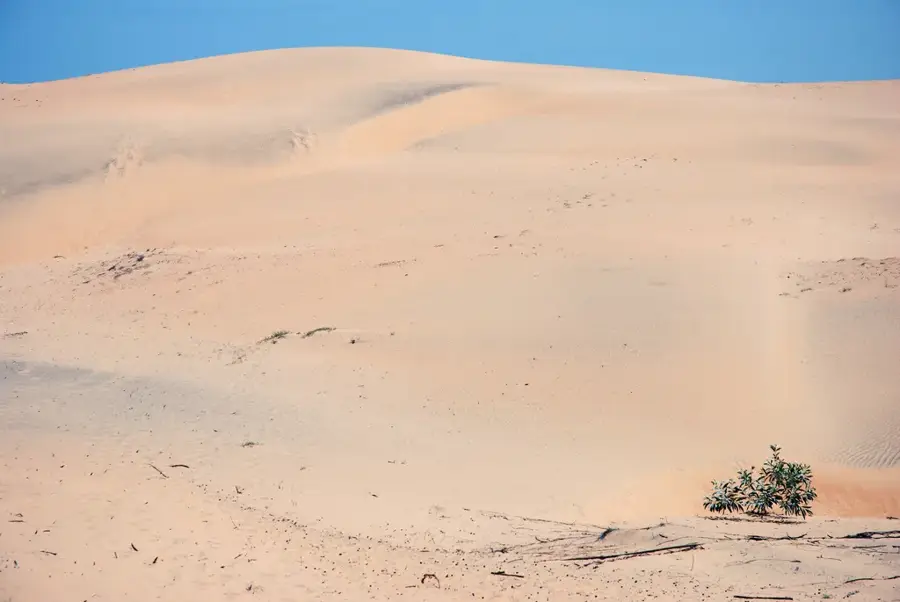
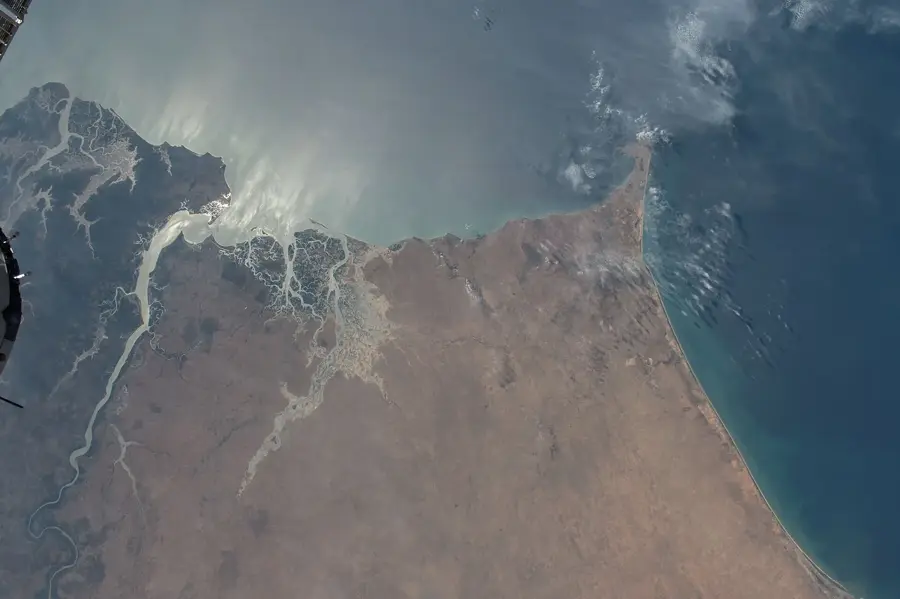
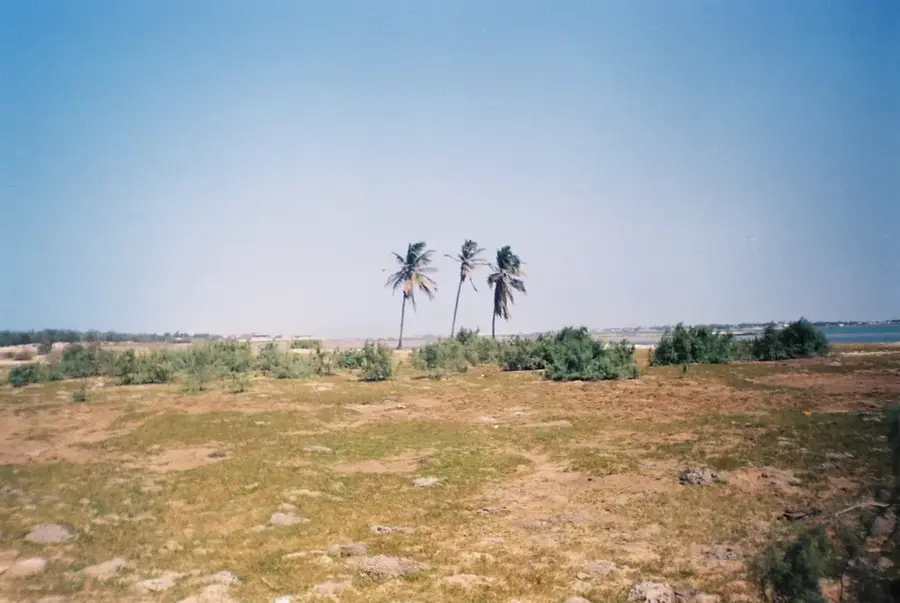
Senegal's coastal sandy zone, often referred to as the 'Grande Côte,' stretches for 180 kilometers from Dakar to Saint-Louis. This landscape is characterized by high mobile sand dunes that can reach heights of up to 30 meters, protecting the coastline from marine erosion. Behind the primary dunes lie the 'Niayes,' depressions with shallow groundwater tables that allow for intensive agricultural use. Large quantities of vegetables and fruits are produced here for the national market, making the zone an economic backbone of the region. The vegetation primarily consists of planted Casuarina forests (filao trees), which serve to stabilize the dunes and protect fields from wind and sand encroachment. The area is ecologically sensitive and faces challenges such as rising sea levels and the overexploitation of water resources. Nevertheless, it remains one of West Africa's most dynamic natural landscapes, where the ocean, desert, and agriculture converge.

Best time to visit & climate

The most pleasant time to visit is Jan, Feb, Dec.

JanFebMarAprMayJunJulAugSepOctNovDec
Avg °C232426272829292828292724
Rain mm292530161061601292620

📋 Practical info

🧭
Getting there
Access to Senegal's coastal sandbanks and long sandy beaches along the north coast is easy and direct in many sections. Many of the beaches are publicly accessible, often near coastal towns or villages, from where these areas can be easily reached.
📅
Best season
The dry season from November to May is good for visiting the coastal sandbanks, as the weather is predominantly sunny and mild temperatures invite relaxed hours on the beach. During the rainy season, stronger currents and unpleasant weather may occur, limiting beach activities.
⛰️
Terrain & paths
The terrain of the coastal sandbanks consists mainly of fine sand and is generally flat and easy to walk on. However, one should pay attention to the tides, as the sandbanks can be partially or entirely submerged at high tide. The long beaches are often extensive and open.
🎒
What to bring
For a visit to the coastal sandbanks, comfortable beachwear, swimwear, ample sun protection (sunscreen, hat, sunglasses), and drinking water are recommended. A beach towel and possibly a small parasol can also be useful to make the stay more comfortable.
🅿️
Parking
Parking facilities near the coastal sandbanks and beaches are often available in the adjacent coastal towns and villages, sometimes directly at the main beach access points. In more remote sections, parking might be more informal, where local conditions should be observed.
⚠️
Safety
At the coastal sandbanks and beaches, one should not underestimate the potentially strong currents of the Atlantic and pay attention to official warning flags. Special caution is advised when swimming; avoid swimming too far out, especially in unfamiliar areas, and always maintain a safe distance from boats and fishermen. Children should always be supervised.
⏱️
Time needed
A visit to the coastal sandbanks can range from a few hours for a quick swim or stroll to an entire day for extensive sunbathing and beach activities. The exact duration depends on individual preferences and the desire for relaxation or activity.

Geography

Coordinates
15.50000, -16.30000

Facts

  • Extent: 180 km along the Atlantic coast.
  • Dune height: Reaches up to 30 meters.
  • Agriculture: National hub for market gardening (Niayes).
  • Stabilization: Extensive Casuarina tree plantations.
  • Economy: Primary vegetable supplier for the country.
  • Geography: Coastal stretch between Dakar and Saint-Louis.

Explore nearby

Notable places around

Route planner — Car & Motorhome

Where do you start? We build the route here, with stops and country notes along the way.

Vehicle
Only stops with (optional):

© OpenStreetMap contributors · OpenRouteService

Sights nearby

Frequently asked questions

When is the best time to visit the Küsten-Sandbank?
The dry season from November to May gives the safest weather.
Is it safe to swim here?
Watch out for currents; swim only in designated zones.
Are there restrooms nearby?
Restrooms are rare in wild areas; plan accordingly.
Is the place suitable for families?
Yes, the fine sand is great for children; keep an eye on sun protection.
Do I need sturdy footwear for the beach?
Sandals are fine for fine sand; sturdy shoes are better for rocky parts.
Coastal sandbank: where is it located?
Coastal sandbank is located in Senegal.
Coastal sandbank: when is the best time to visit?
The most pleasant time to visit is Jan, Feb, Dec.
Coastal sandbank: why is it worth visiting?

Senegal's coastal sandy zone, often referred to as the 'Grande Côte,' stretches for 180 kilometers from Dakar to Saint-Louis.
View on map → The Top 50 Attractions → OpenStreetMap →
Africa
Explore with Plizio Discover more places in Africa
More places in Senegal →

History & landmarks

Nature

More places