Plizio Visual Lab
Matavanu Crater
Weather…
Water temperature…
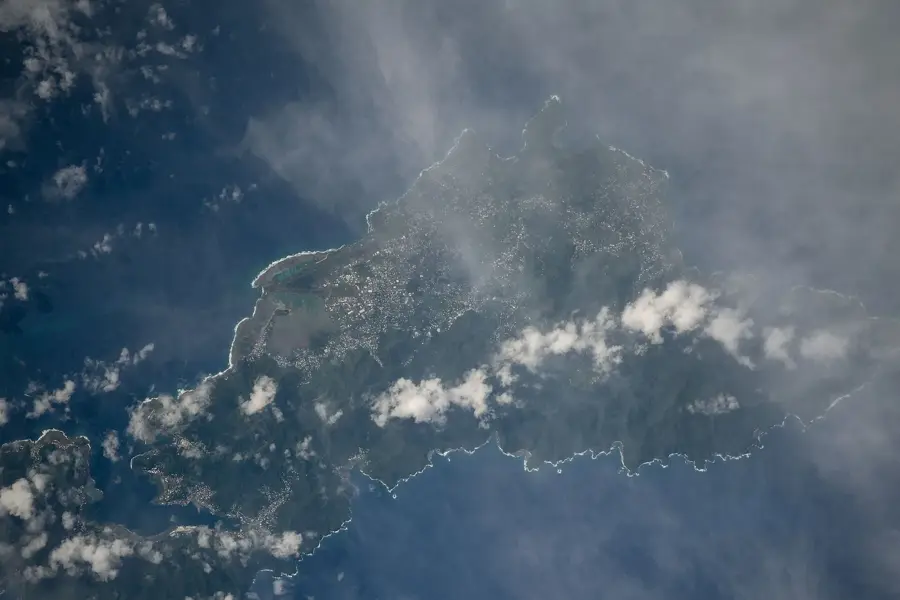
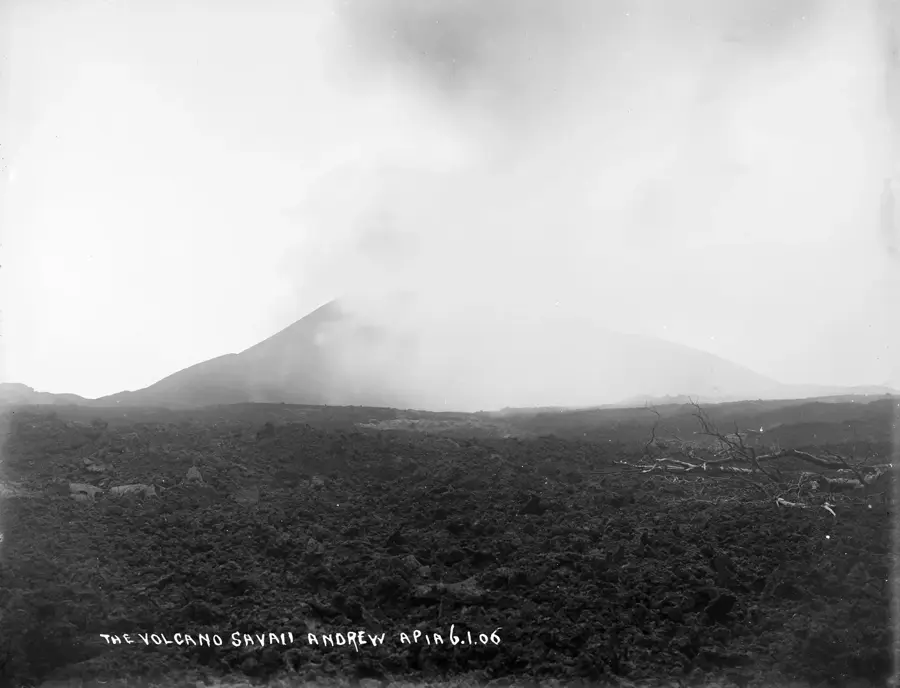
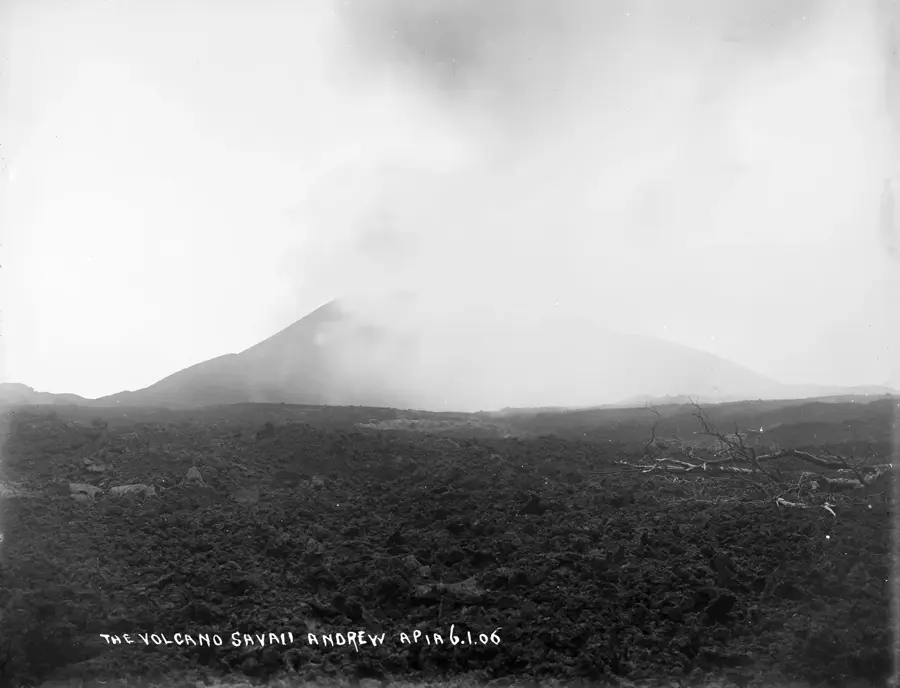
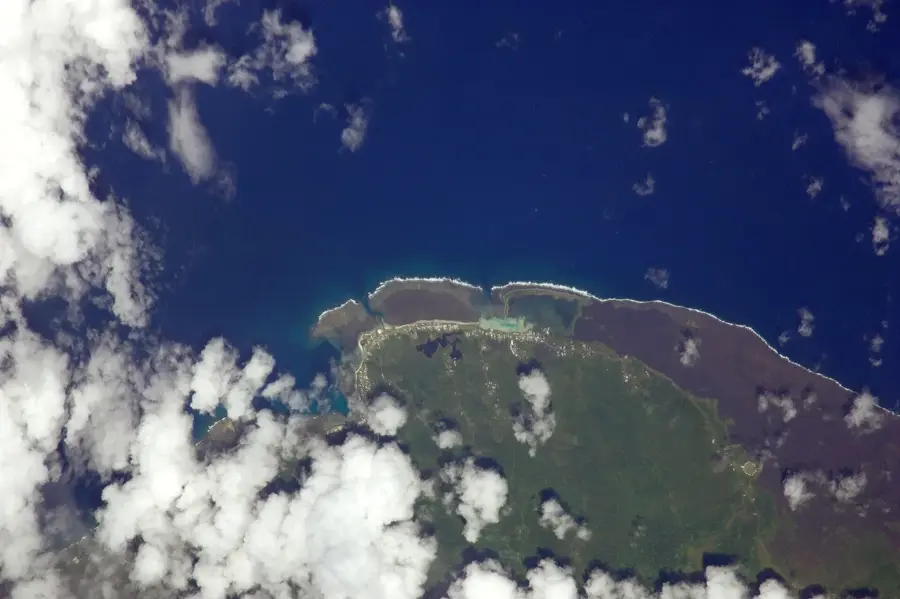
The Matavanu Crater on Savai'i Island is the site of the most significant volcanic event in Samoa's recent history. From 1905 to 1911, the volcano remained continuously active, producing massive lava flows that decimated large portions of northern Savai'i before reaching the sea. These eruptions buried entire villages, coral reefs, and fertile plantations under metres of basaltic rock, creating the expansive Saleaula lava fields that characterize the region today. Now dormant, the crater is gradually being reclaimed by pioneer vegetation, including hardy ferns and shrubs that thrive in the nutrient-poor volcanic soil. From the crater rim, one can peer into the deep volcanic vent and enjoy sweeping views of the northern coastline shaped by the flows. Geologically, Matavanu is a shield volcano whose prolonged activity permanently altered the island's morphology. The social impact of the eruption was profound, as it led to the permanent relocation of thousands of residents to Upolu, a move that still influences Samoan kinship and land tenure today.
- Location: Samoa
- Nearby: Samalae'ulu Uta (8 km)
Best time to visit & climate
The most pleasant time to visit is Jul–Sep.
| Jan | Feb | Mar | Apr | May | Jun | Jul | Aug | Sep | Oct | Nov | Dec | |
|---|---|---|---|---|---|---|---|---|---|---|---|---|
| Avg °C | 28 | 28 | 28 | 28 | 28 | 28 | 27 | 27 | 27 | 28 | 28 | 28 |
| Rain mm | 262 | 254 | 166 | 154 | 129 | 101 | 81 | 64 | 89 | 141 | 208 | 220 |
📋 Practical info
Geography
Facts
- The eruption lasted for approximately six years, from 1905 to 1911.
- The resulting lava flows covered an area exceeding 100 square kilometres.
- The crater is located at an elevation of roughly 600 metres above sea level.
- The lava entirely consumed the coastal villages of Saleaula and Salago.
- Remarkably, the slow-moving lava allowed for a total evacuation with zero direct fatalities.
- The eruption was extensively documented by German scientist Dr. Friedrich Angenheister.
Explore nearby
Notable places around

Route planner — Car & Motorhome
Where do you start? We build the route here, with stops and country notes along the way.
© OpenStreetMap contributors · OpenRouteService
Sights nearby
Frequently asked questions
Is the hike to the crater difficult?
Do I need a guide?
What is the best season?
How long does the ascent take?
Can you camp there?
Matavanu Crater: where is it located?
Matavanu Crater: when is the best time to visit?
Matavanu Crater: why is it worth visiting?
Nearby cities