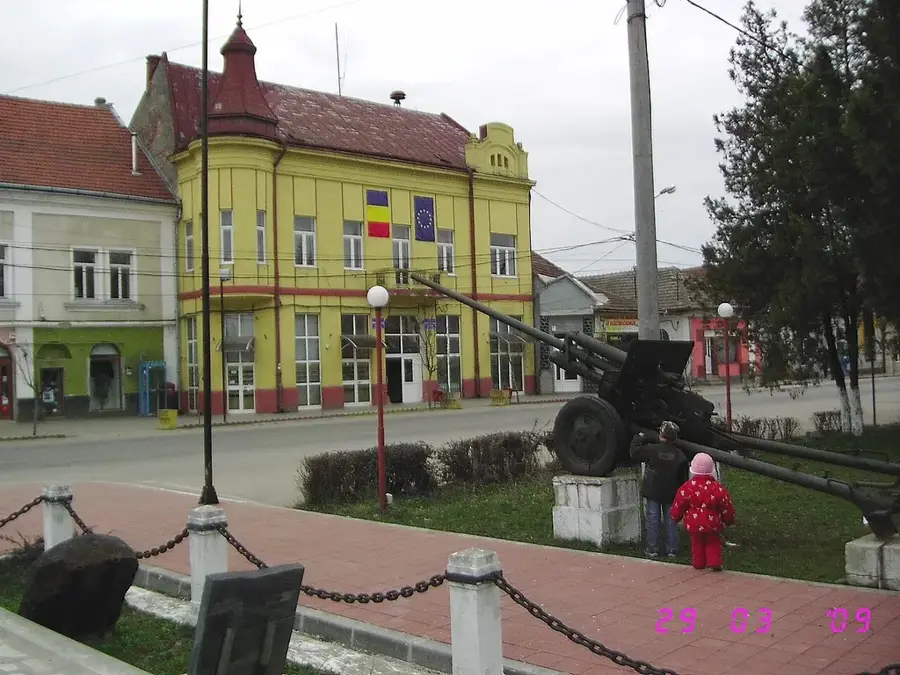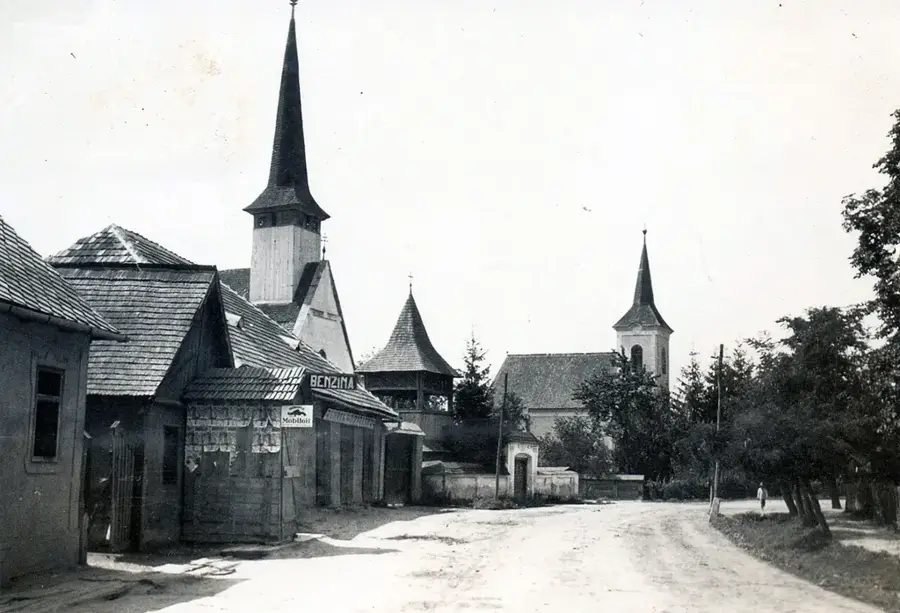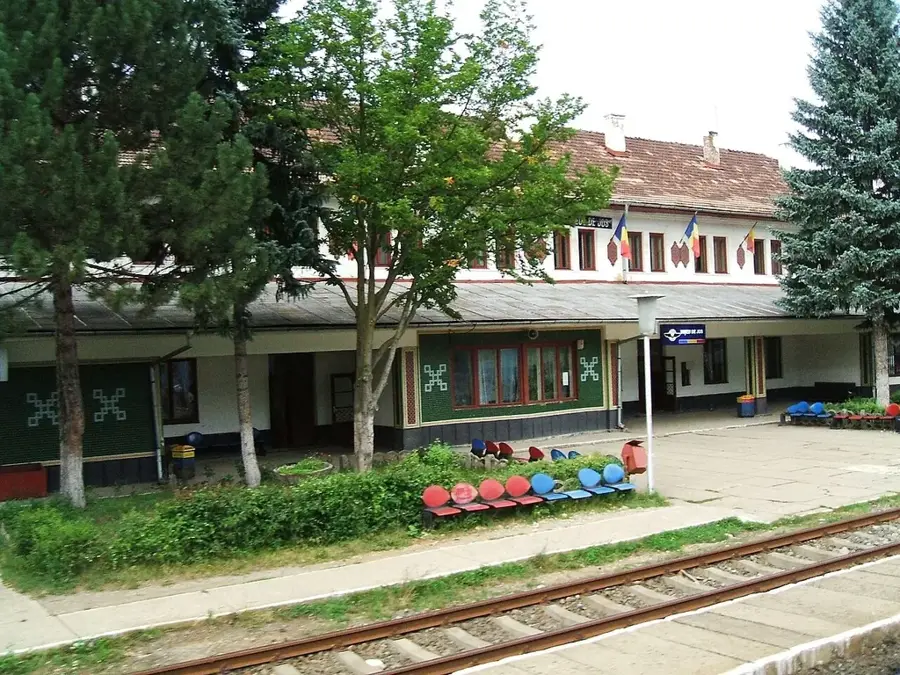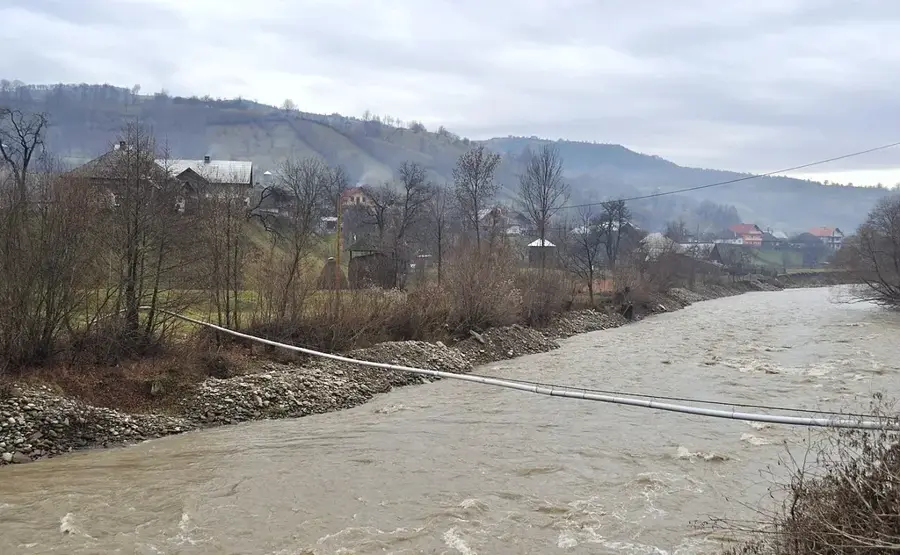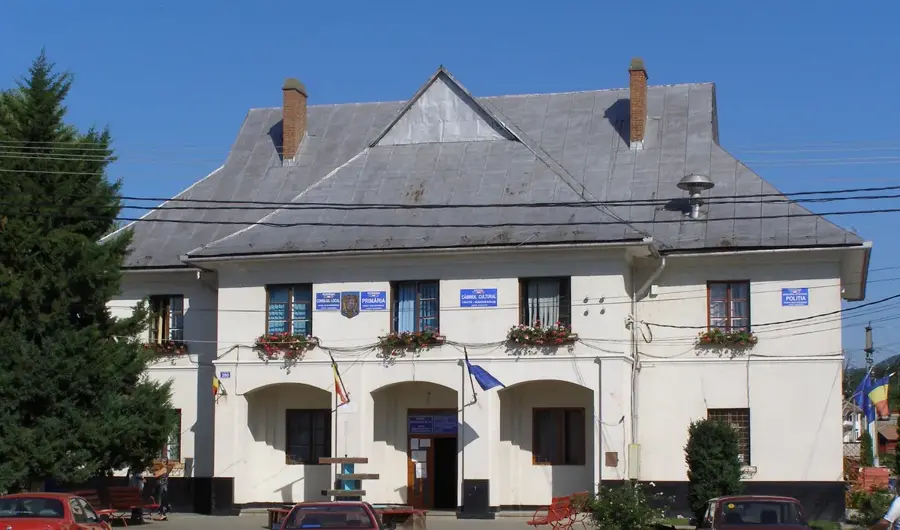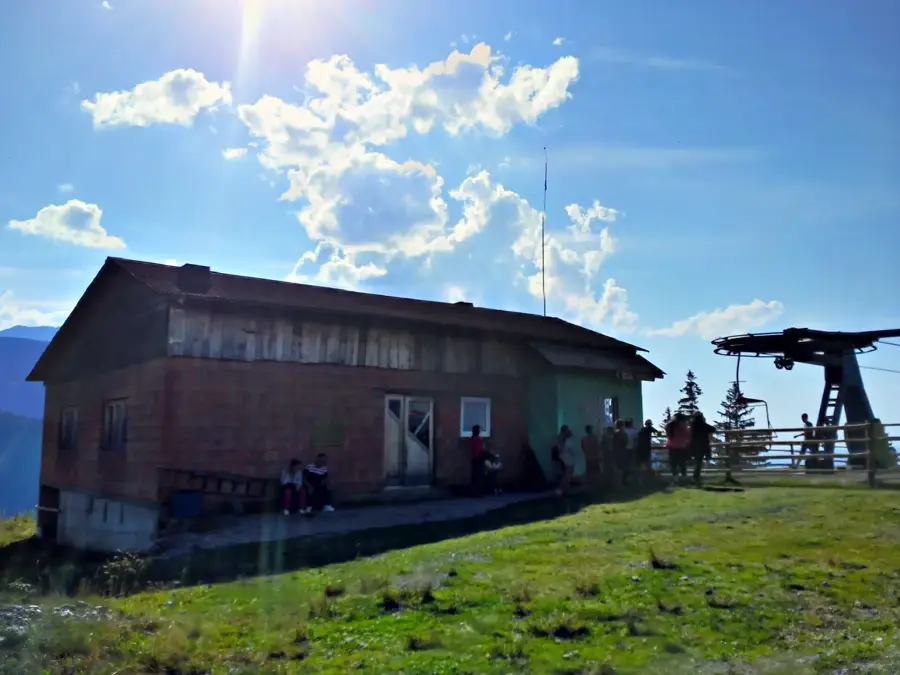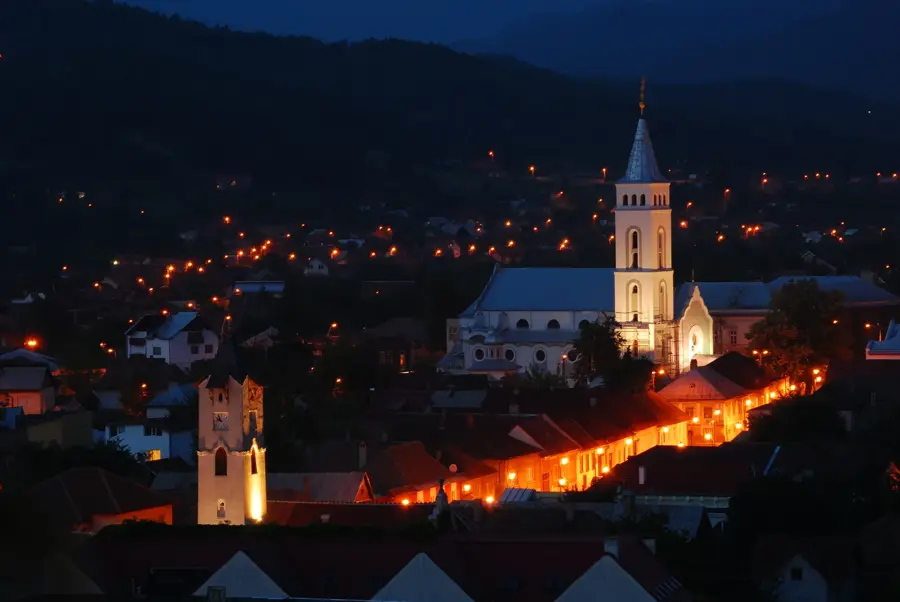
Central area of Baia Sprie completely modernized
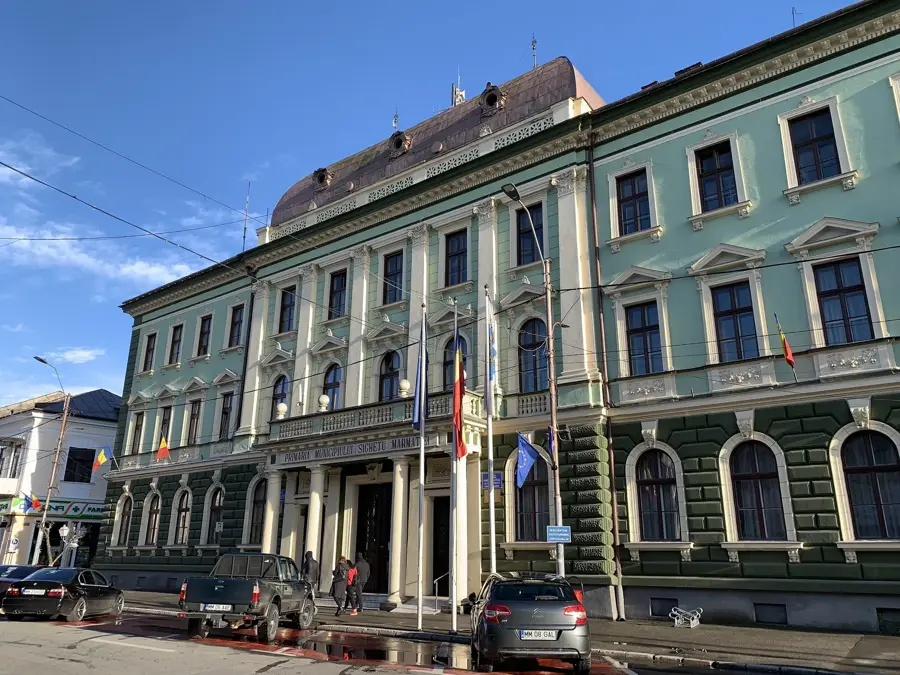
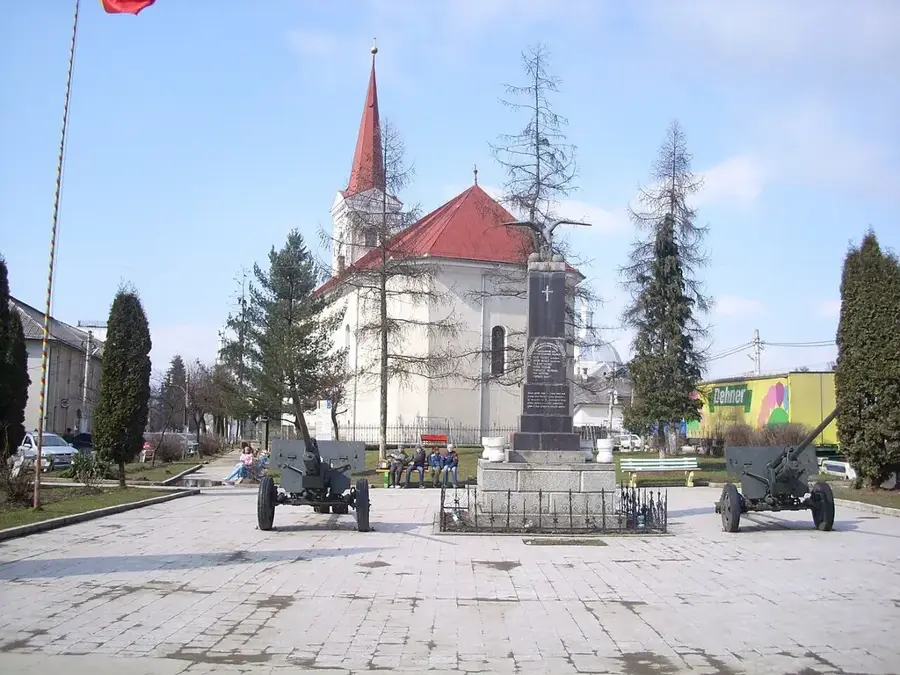
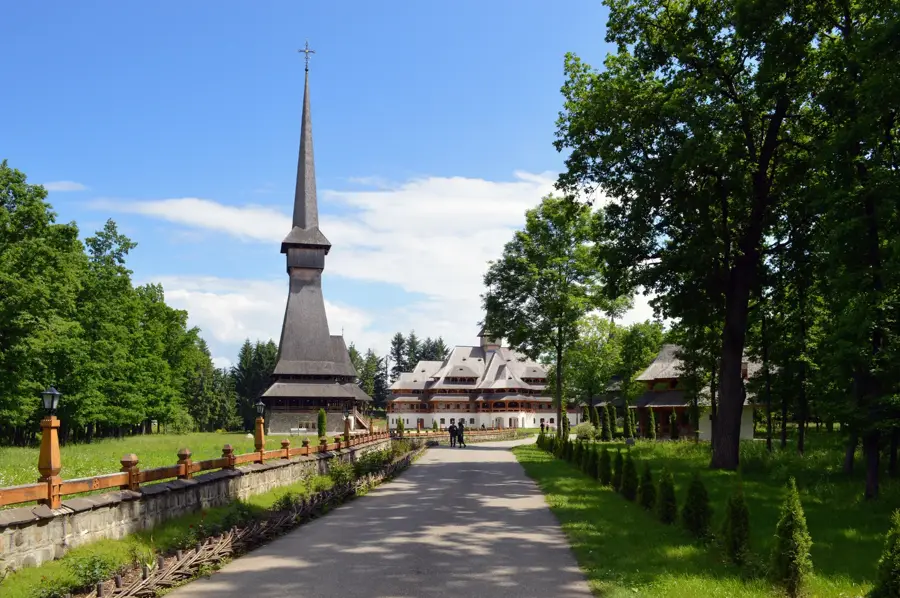
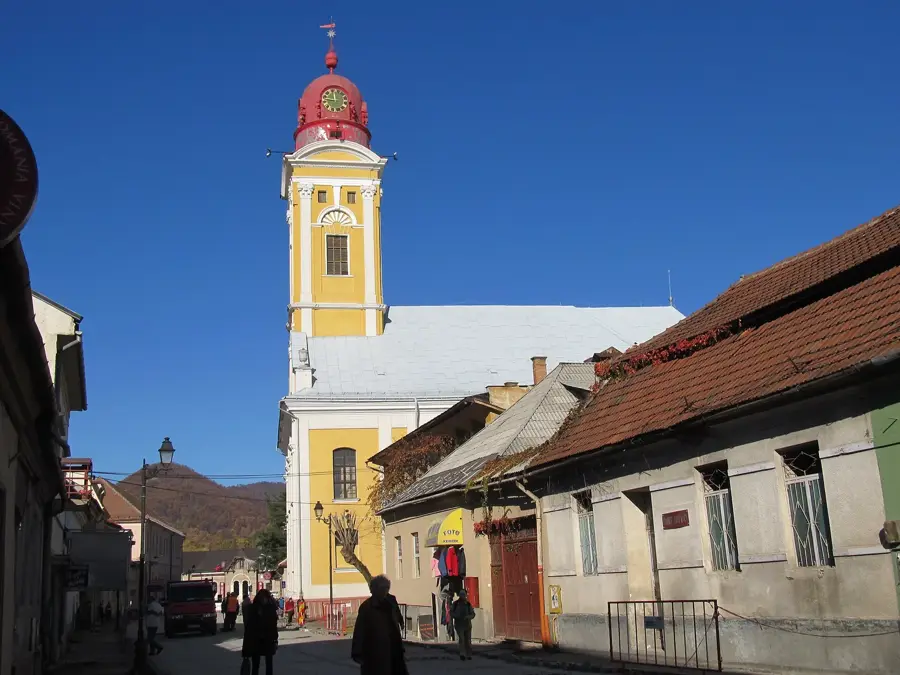
The central area of Baia Sprie and the former cinema building have been completely modernized. The project aims to revitalize the urban space for both residents and tourists.
Plizio Visual Lab
Try the local double-distilled plum brandy, often served as a welcoming appetizer at traditional guesthouses.
Polenta with local sheep's milk cheese and sour cream is a hearty mountain staple found in any rustic eatery.
Hearty sour soups are great after a day of hiking; look for traditional restaurants on the road heading towards Cavnic.
Look for traditional wooden crafts and hand-woven textiles at local artisan workshops or traditional guesthouses.
A great spot to buy local mountain honey, artisanal cheeses, and fresh seasonal produce directly from locals.
A unique protected lake in the forest that changes its hue depending on the season and sunlight.
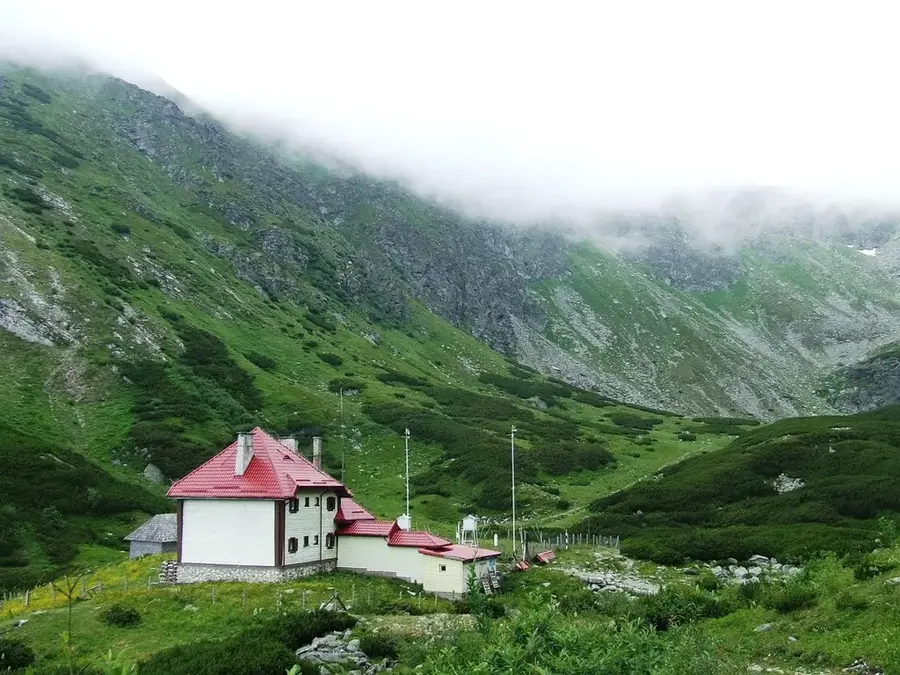
The lower hiking trails leading towards the Gutâi mountains offer serene, quiet forest walks away from the roads.
Water temperature…
The central area of Baia Sprie and the former cinema building have been completely modernized. The project aims to revitalize the urban space for both residents and tourists.
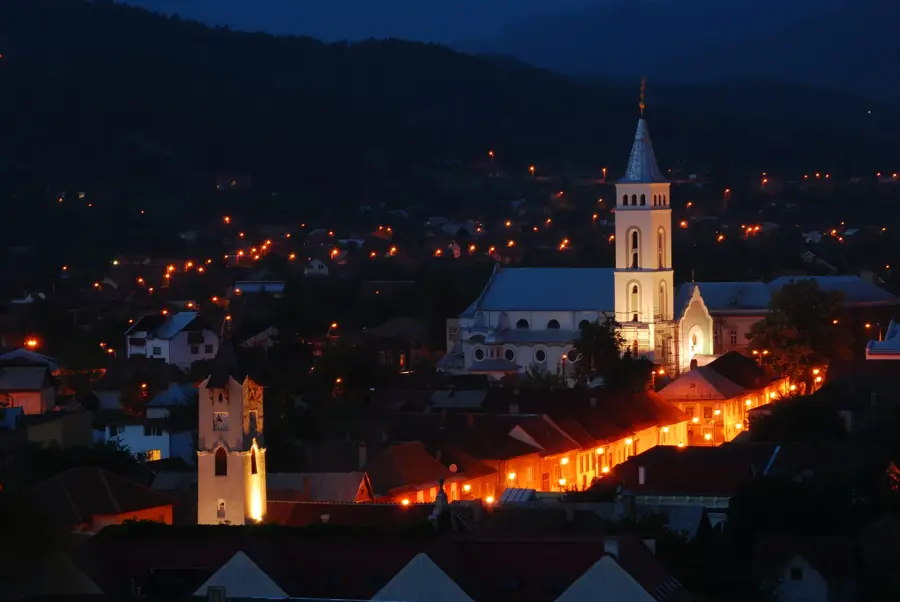
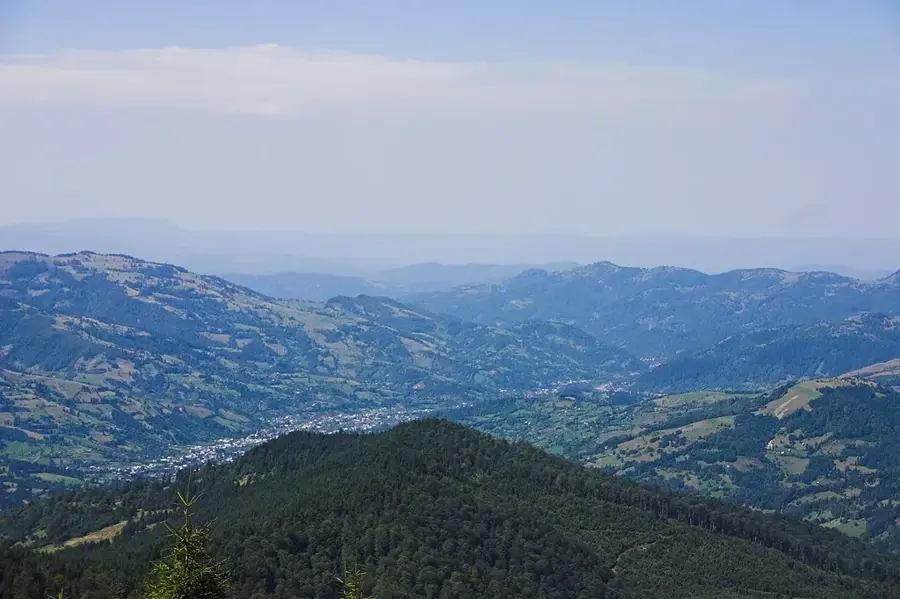
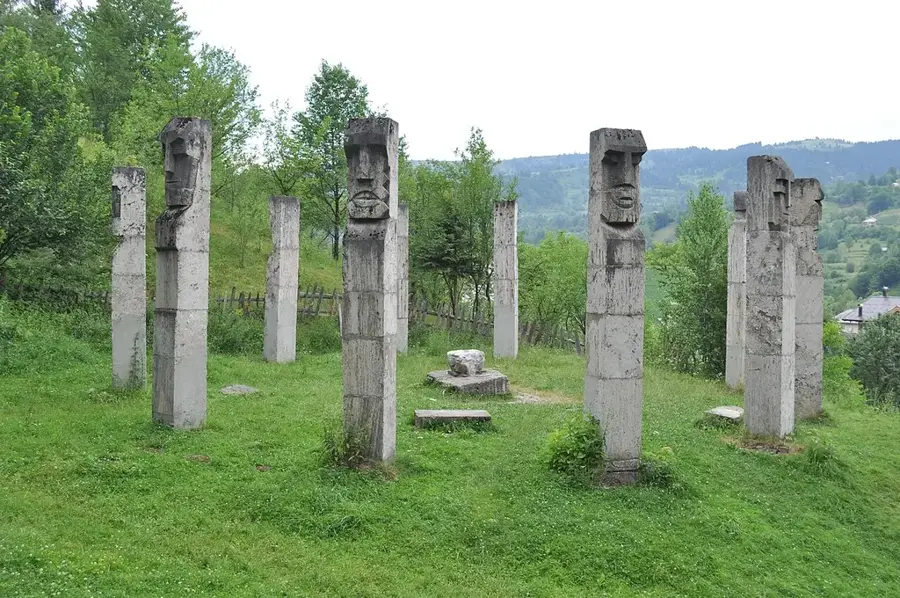
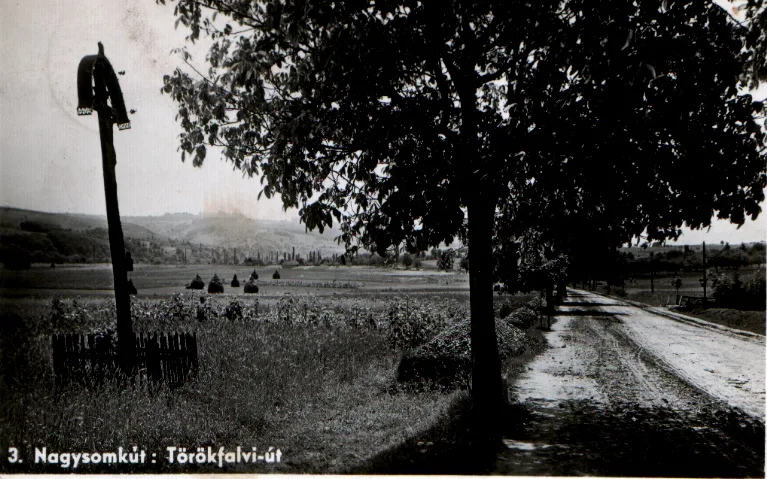
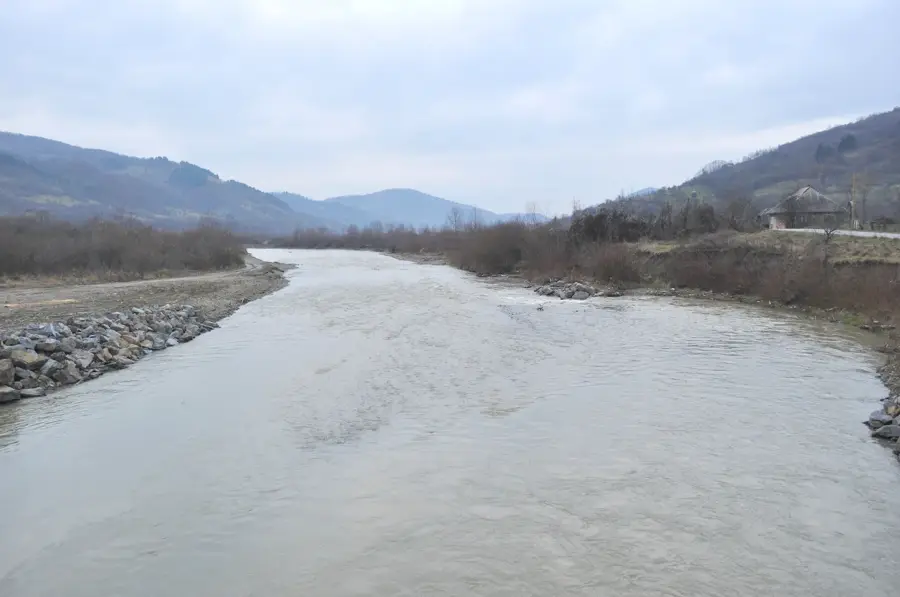
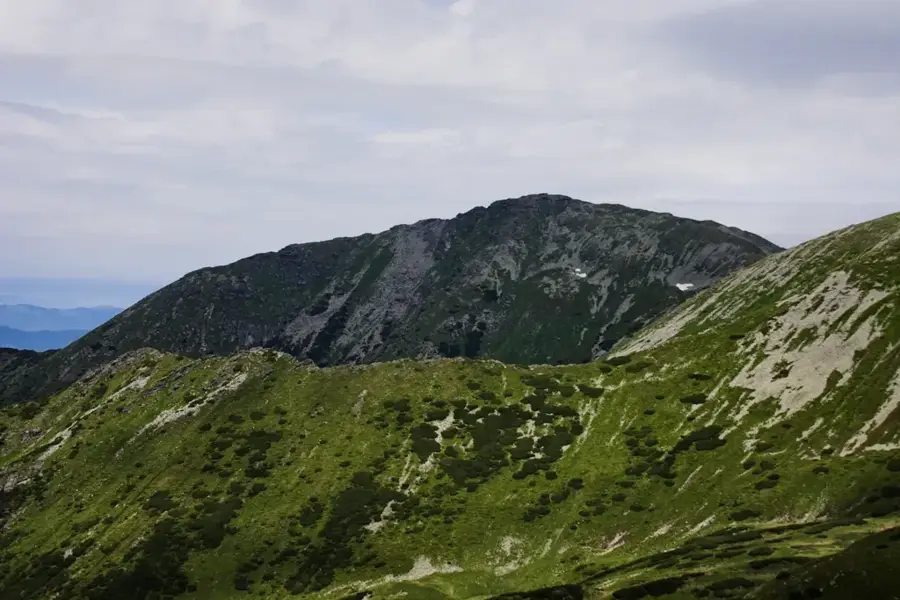
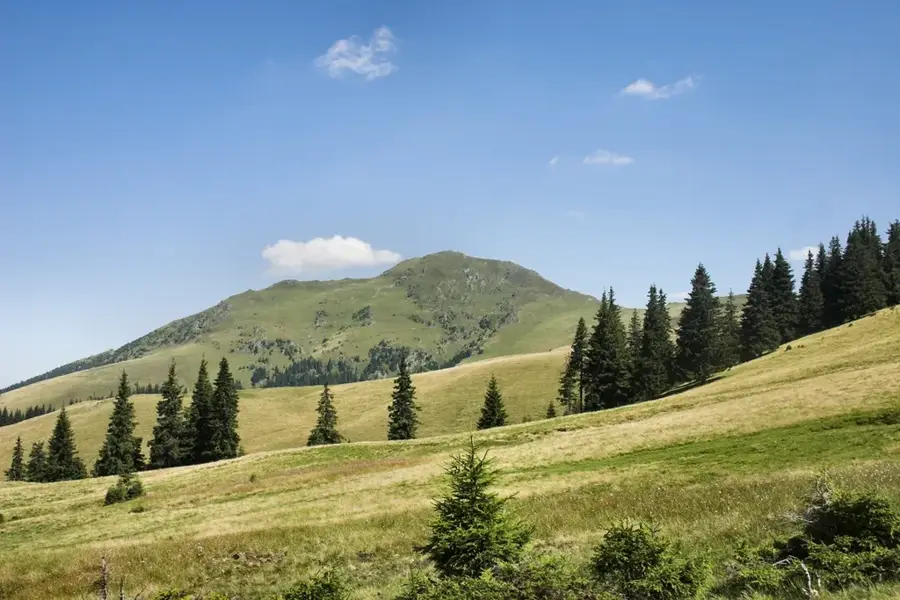
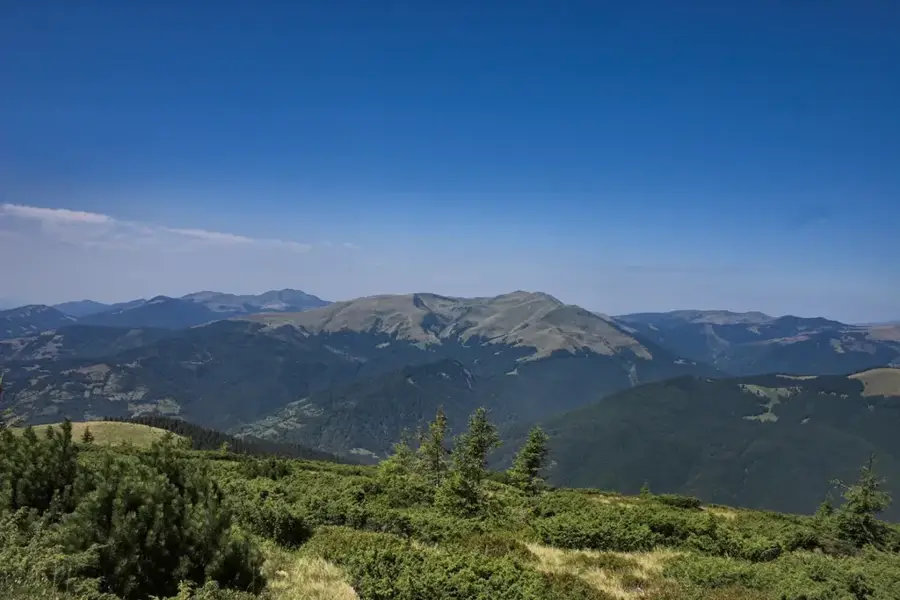
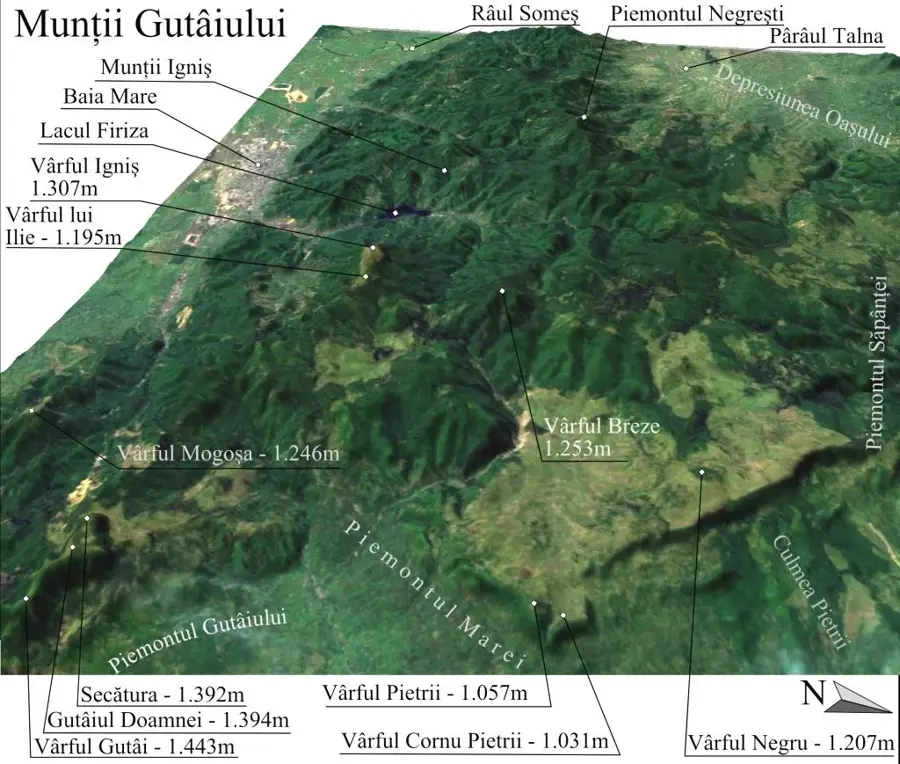
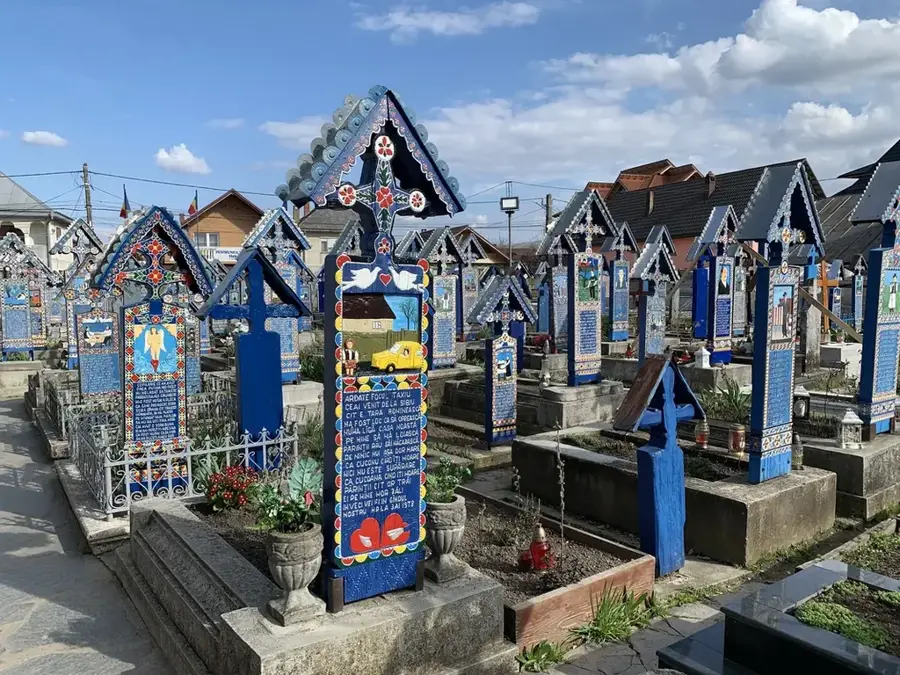
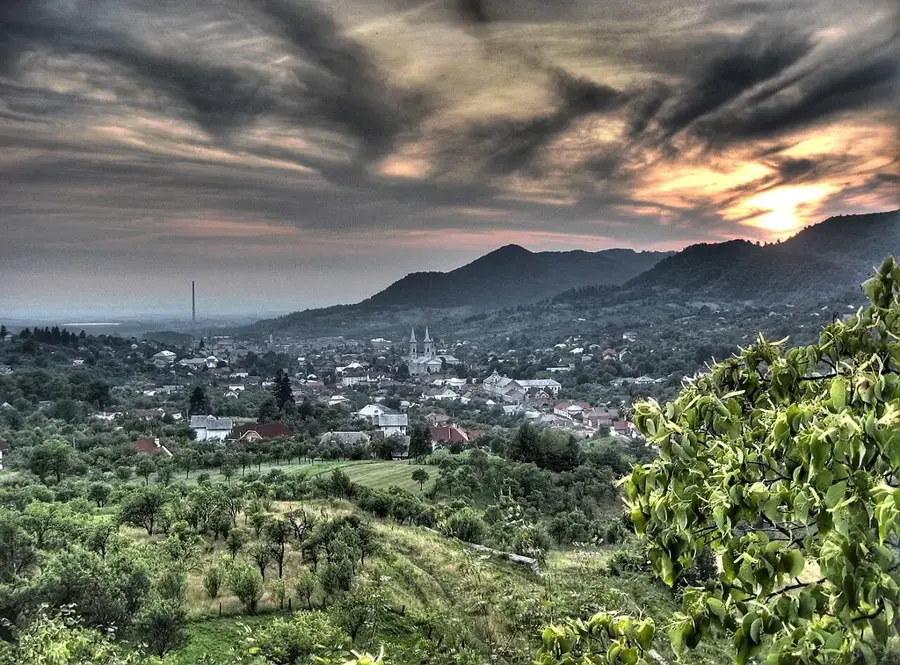
Baia Sprie is a historic mining town located in Maramureș County, at the foot of the Gutâi Mountains. Its history is deeply rooted in the extraction of precious metals like gold and silver, with mining activities documented since the 14th century when it was known as 'Mons Medius' or 'Mittelstadt'. The town's historic center is a testament to its wealthy past, featuring elegant Baroque architecture and grand churches. One of its most famous natural wonders is the Blue Lake (Lacul Albastru), a unique protected area formed by the collapse of a mine shaft; its water changes color from emerald green to turquoise depending on the season and mineral concentration. Geographically, Baia Sprie is situated in the pretty valley of the Săsar River, surrounded by volcanic peaks and dense forests. After the cessation of large-scale mining, the town has focused on developing its tourism potential, serving as a gateway to the broader Maramureș region, famous for its UNESCO wooden churches. Outdoor enthusiasts are drawn to the nearby Mogoșa and Suior ski resorts and the spectacular rock formation known as 'The Rooster's Crest' (Creasta Cocoșului). The city maintains a strong multicultural identity, with a significant Hungarian community contributing to its lively cultural life and festivals.
The most pleasant time to visit is Jun–Aug.
| Jan | Feb | Mar | Apr | May | Jun | Jul | Aug | Sep | Oct | Nov | Dec | |
|---|---|---|---|---|---|---|---|---|---|---|---|---|
| Avg °C | -4 | -2 | 3 | 9 | 15 | 18 | 21 | 21 | 15 | 9 | 4 | -2 |
| Rain mm | 50 | 47 | 57 | 54 | 92 | 99 | 97 | 65 | 63 | 64 | 55 | 56 |
Notable places around
Where do you start? We build the route here, with stops and country notes along the way.
© OpenStreetMap contributors · OpenRouteService