Plizio Visual Lab

Abu Nakhla Lake
Plizio editorial teamData Sources
Lake
—°
Abu Nakhla Lake (Qatar)

Weather…

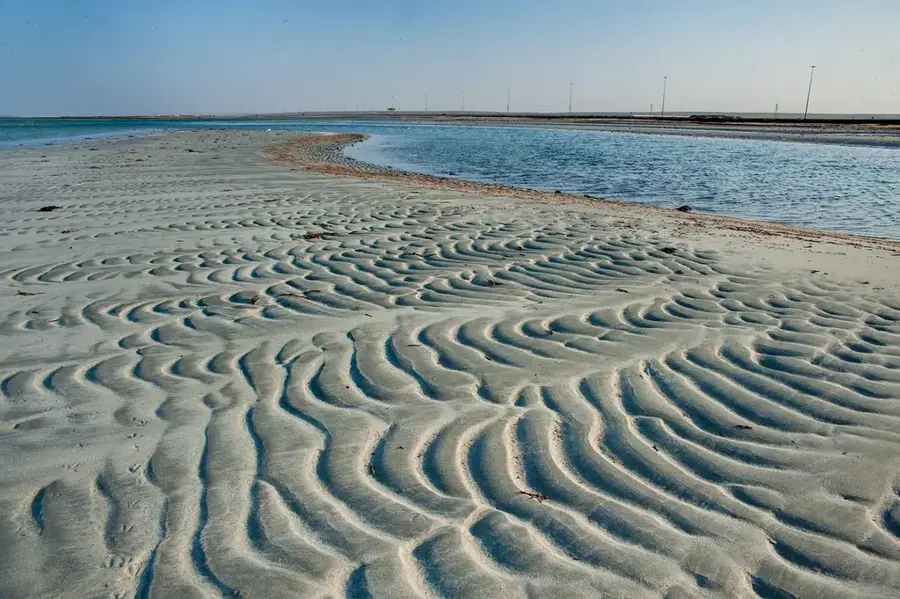
Abu Nakhla Lake, also known as the Abu Nakhla Reservoir, is a large man-made body of water that originally served as a settlement lagoon for treated sewage effluent. Over time, it has naturally transformed into a significant wetland for birds. Located southwest of Doha, the lake attracts a large number and variety of bird species, making it a top destination for birdwatchers in Qatar. Flocks of cormorants, ducks, flamingos, and various waders can be seen here depending on the season. The area consists of large open water bodies surrounded by reed beds and salt marshes, providing diverse habitats. Despite being a man-made environment, the transformation of Abu Nakhla Lake into a biodiversity hotspot highlights the adaptability of nature and the importance of such 'accidental' wetlands for migratory and resident birds in an otherwise arid region.

Best time to visit & climate

The most pleasant time to visit is Feb, Mar, Dec.

JanFebMarAprMayJunJulAugSepOctNovDec
Avg °C171923283335373734302520
Rain mm6555100002119

📋 Practical info

🧭
Getting there
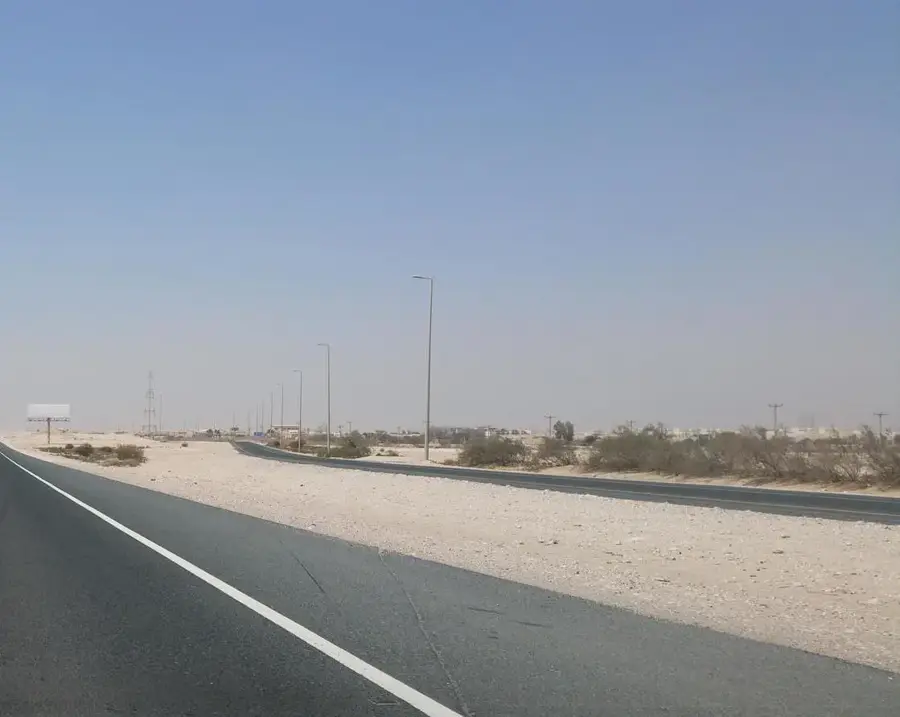
Situated relatively close to the sprawling capital city of Doha, this surprisingly bustling artificial wetland area can be initially approached via modern paved highways, though traversing the final dusty dirt tracks ultimately may require higher clearance vehicles.
📅
Best season
The significantly cooler and much more comfortable winter months spanning from November to March are definitively optimal, providing absolute first-rate conditions for enthusiastic birdwatching during the region's main, incredibly busy migratory seasons.
⛰️
Terrain & paths
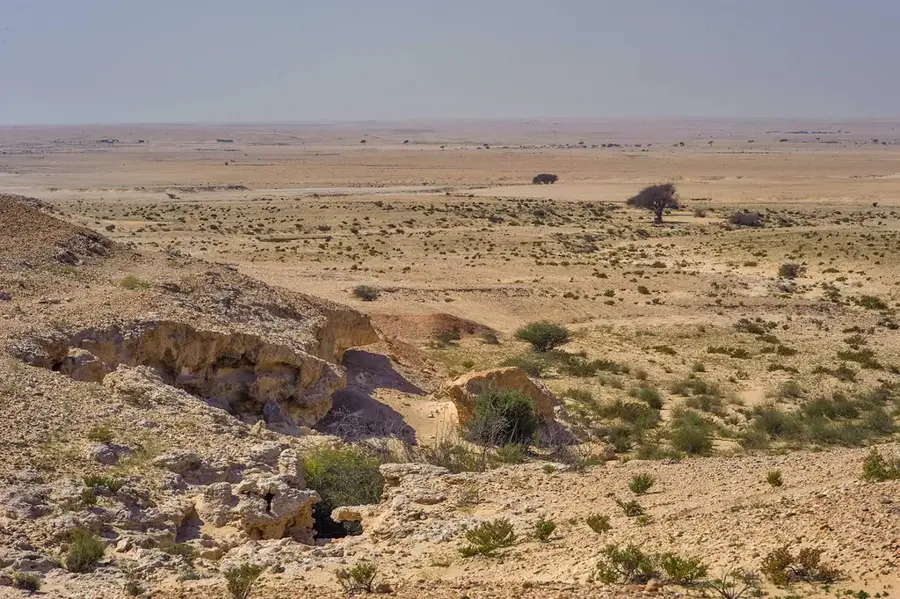
The immediate surrounding environment primarily consists of incredibly flat, severely arid, sun-baked desert plains abruptly completely surrounding a sprawling artificial shallow wetland deeply characterized by very dense reeds and extremely muddy, treacherous shorelines.
🎒
What to bring
A professional-grade pair of binoculars or a high-powered tripod-mounted spotting scope is absolutely crucial for rewarding birdwatching, intrinsically along with a protective wide-brimmed hat, polarized sunglasses, and comfortable, durable walking shoes that you do not mind getting exceptionally muddy.
🅿️
Parking
Intrigued visitors usually park their vehicles carefully on the solid, compacted dirt patches directly alongside the approaching unpaved access roads, consciously ensuring they do strictly not block essential local traffic, other visitors, or vital utility maintenance vehicles.
⚠️
Safety
Visitors must strongly avoid venturing anywhere remotely close to the deceptively deep muddy water's edge to absolutely prevent getting helplessly stuck, and must deeply respect the fragile natural habitat by strictly keeping a significant, non-threatening distance from the highly sensitive nesting birds.
⏱️
Time needed
Passionate nature enthusiasts and dedicated amateur photographers very often happily spend between two to three completely absorbing hours quietly, patiently observing the remarkably diverse local avian life and peacefully walking the fully accessible portions of the lake's vast outer perimeter.

Geography

Coordinates
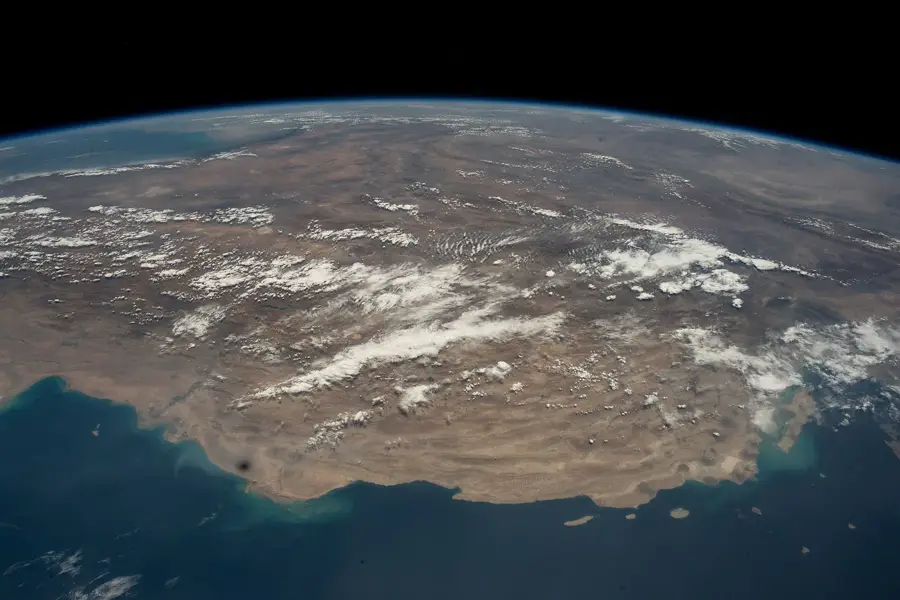
25.13870, 51.41920

Facts

  • The lake is also known as 'Cormorant Lake' due to the large colonies present.
  • Water levels can fluctuate depending on the discharge of treated water.
  • It is one of the few places in Qatar where the Little Grebe breeds.
  • Water quality has improved over time through natural processes.
  • The area is not officially designated as a nature reserve but is treated as one de facto.
  • Photographers appreciate the bird diversity and the open spaces.
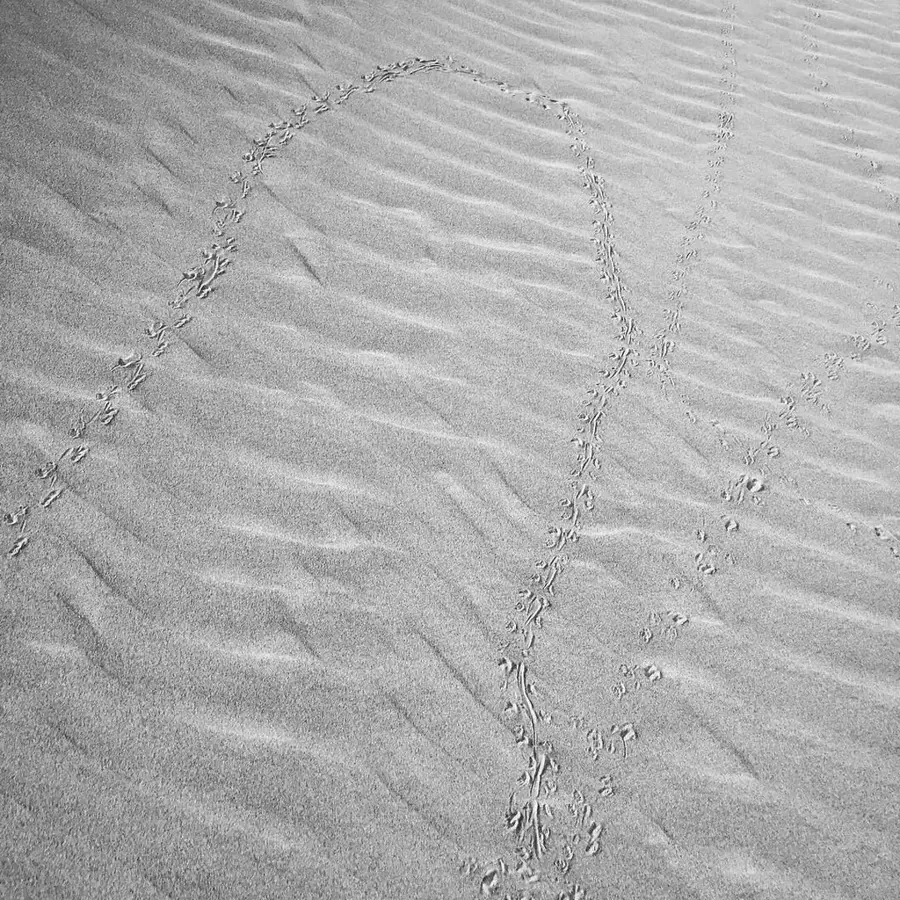
  • The surrounding desert may host other wildlife like foxes and reptiles.

Explore nearby

Notable places around

Route planner — Car & Motorhome

Where do you start? We build the route here, with stops and country notes along the way.

Vehicle
Only stops with (optional):

© OpenStreetMap contributors · OpenRouteService

Sights nearby

Frequently asked questions

Is Abu-Nakhla lake suitable for swimming?
No, swimming is prohibited due to water quality and ecological protection regulations.
Can one watch birds there?
Yes, the lake is a popular resting place for many migratory bird species.
Are there shady spots by the lake?
There is very little natural shade, so sun protection and headwear are important.
How to get to the lake?
Access is best by private car via well-maintained roads.
Is fishing allowed there?
Fishing is forbidden for ecological reasons to protect the birds' habitat.
Abu Nakhla Lake: where is it located?
Abu Nakhla Lake is located in Qatar.
Abu Nakhla Lake: when is the best time to visit?
The most pleasant time to visit is Feb, Mar, Dec.
Abu Nakhla Lake: why is it worth visiting?

Abu Nakhla Lake, also known as the Abu Nakhla Reservoir, is a large man-made body of water that originally served as a settlement lagoon for treated sewage effluent.
View on map → The Top 50 Attractions → OpenStreetMap →
Asia
Explore with Plizio Discover more places in Asia
More places in Qatar →

Nearby cities

History & landmarks

Nature
More places