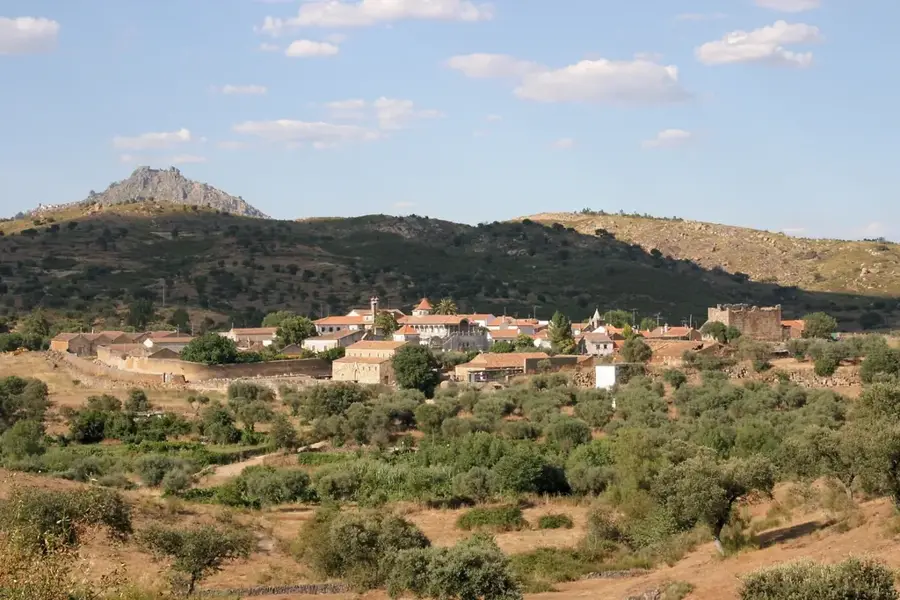
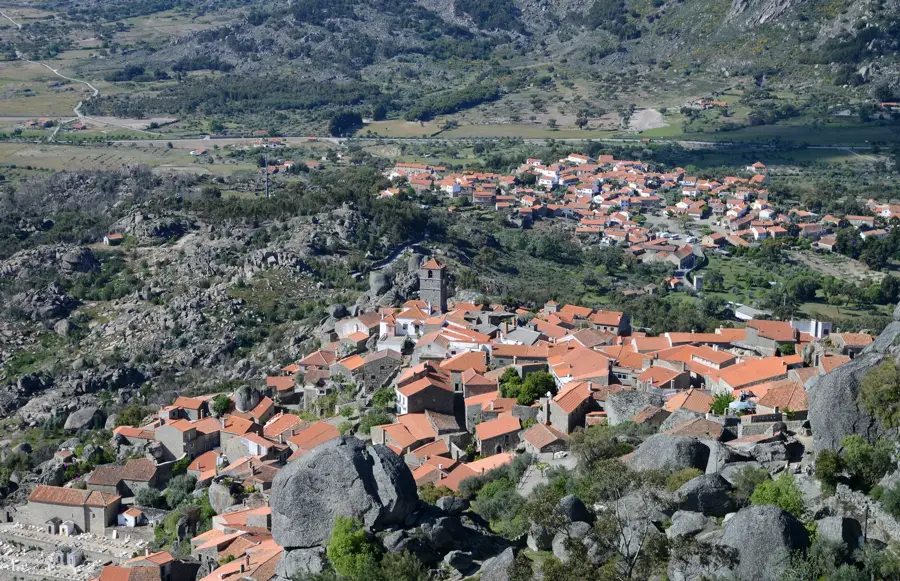
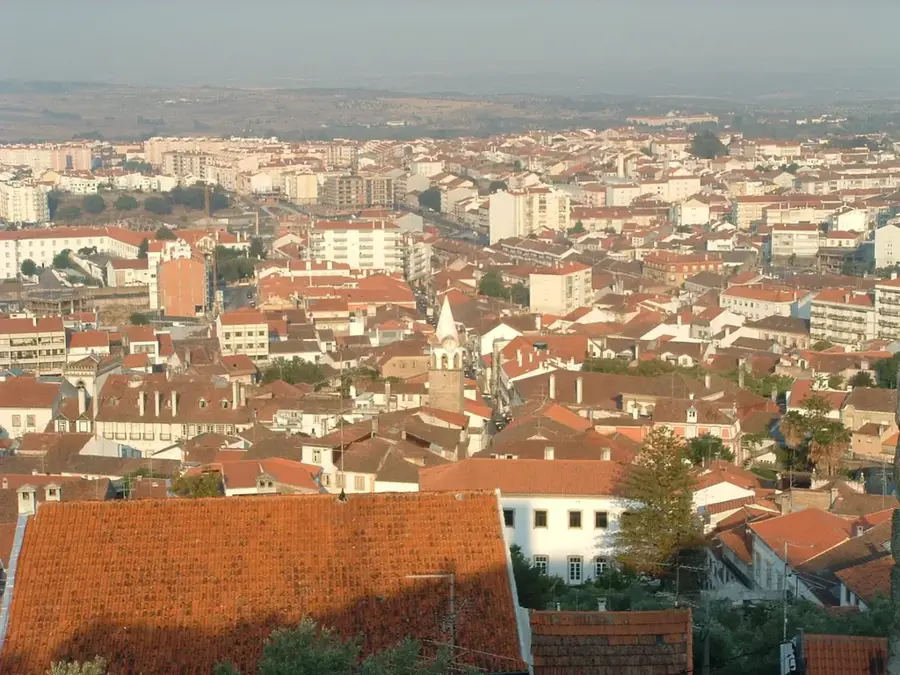
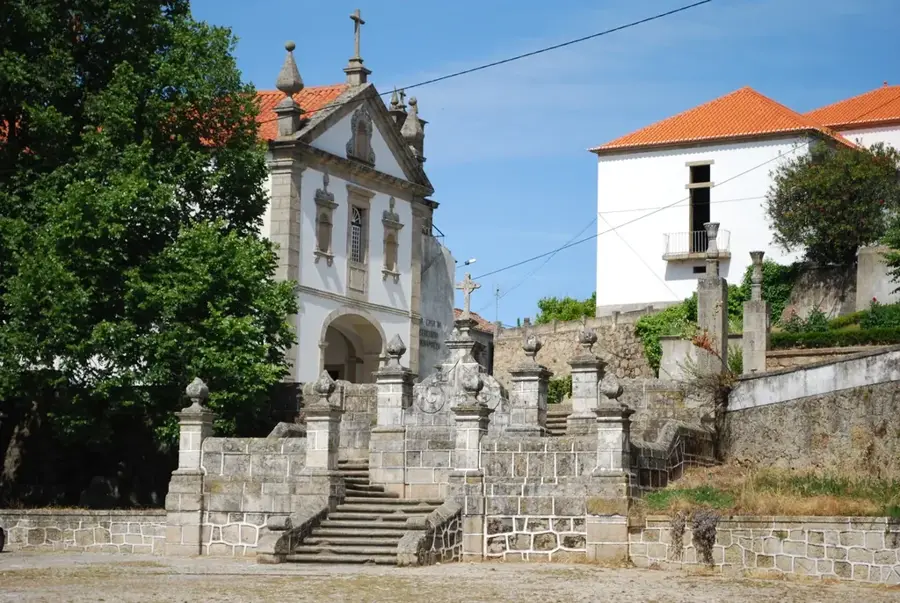
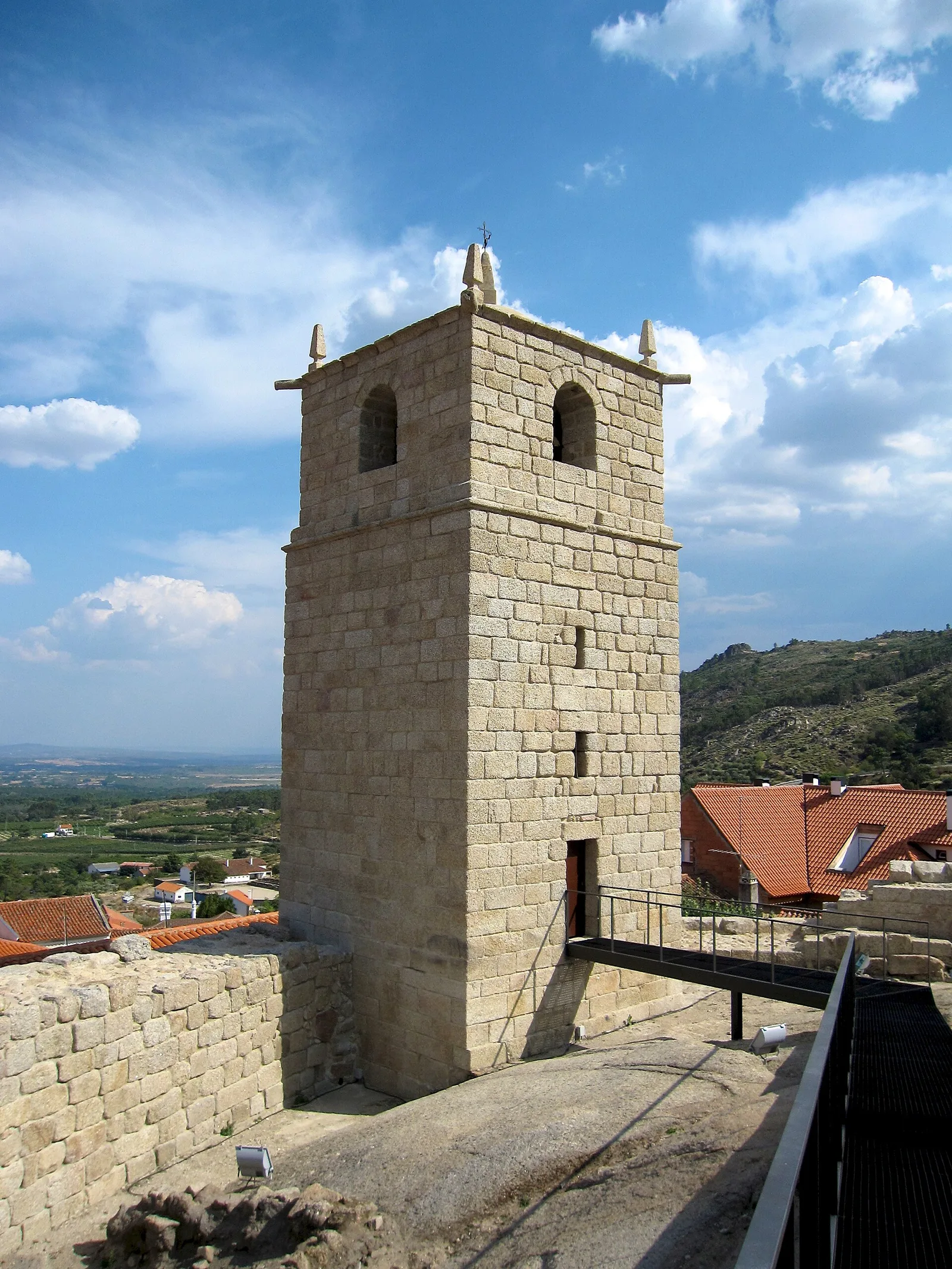
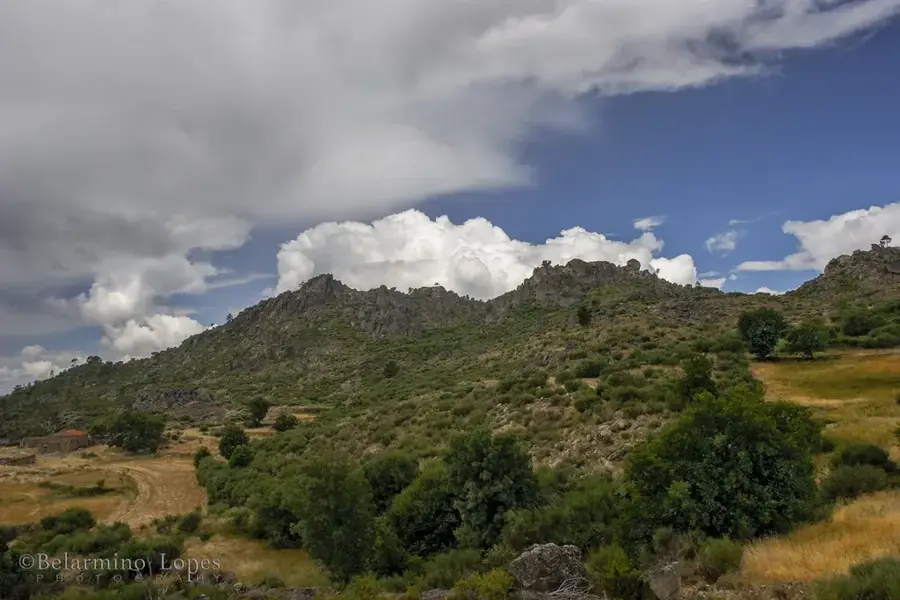
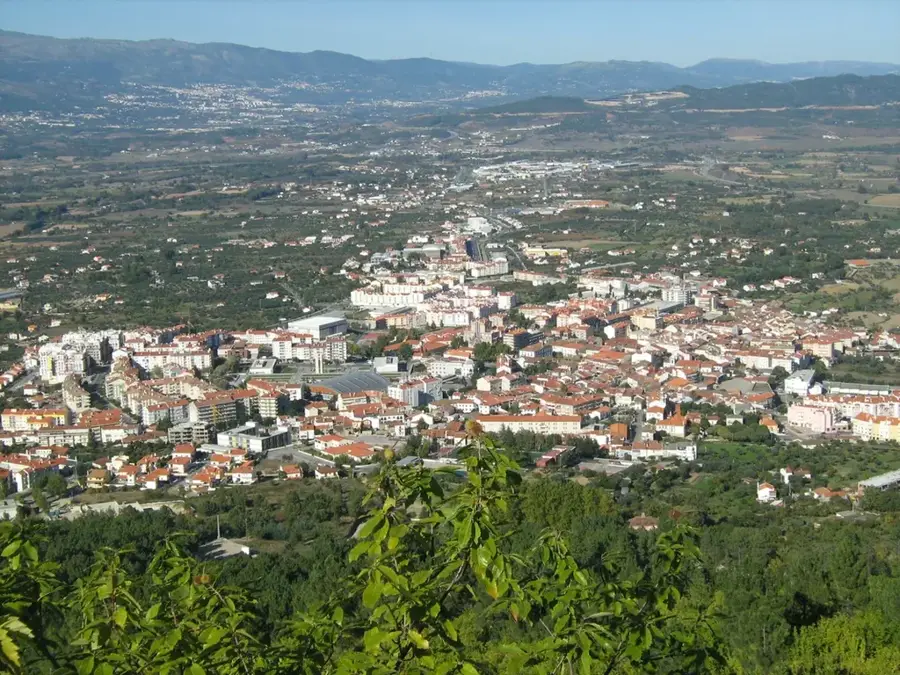
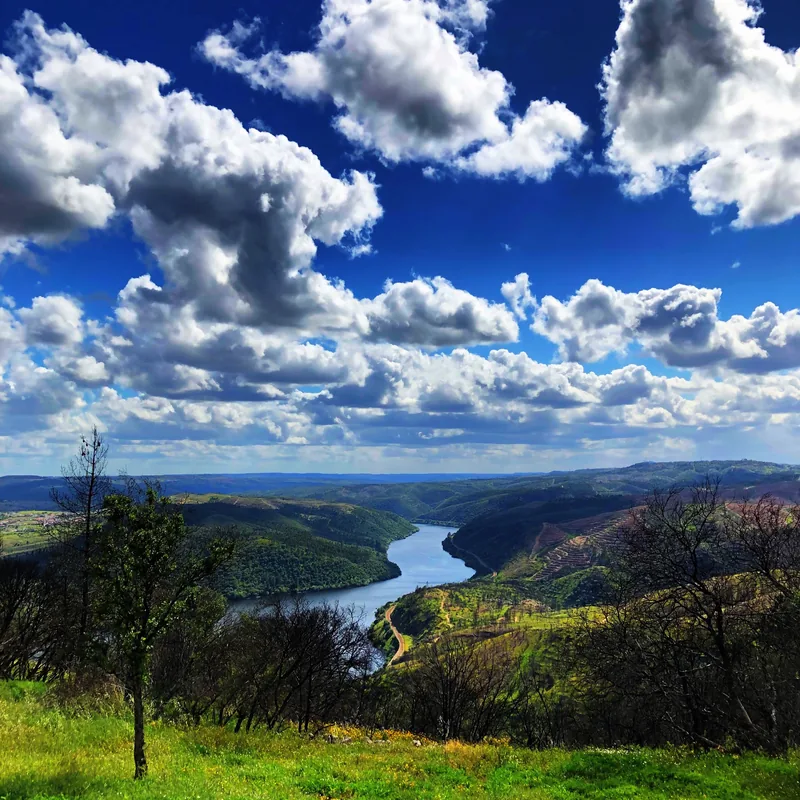
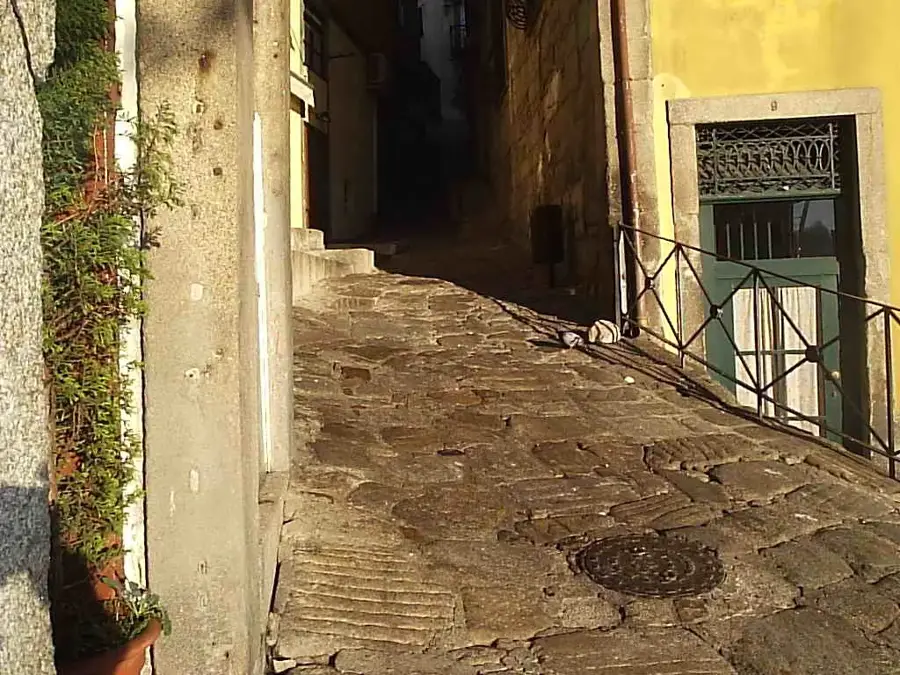
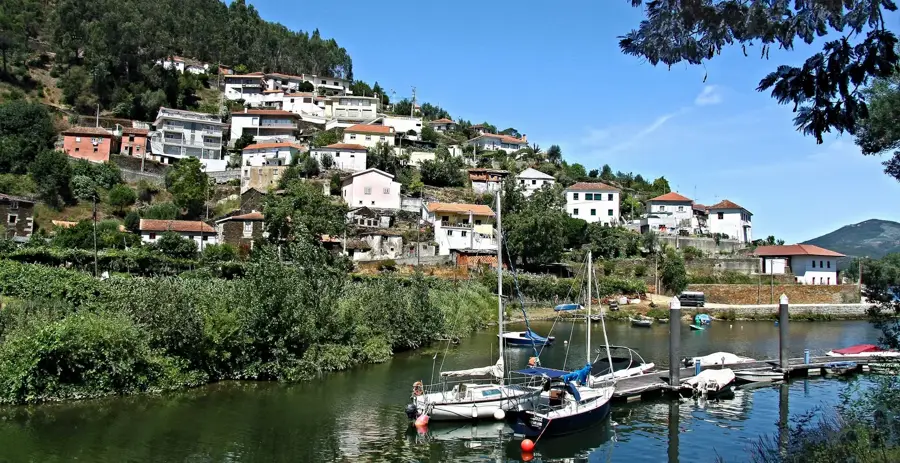
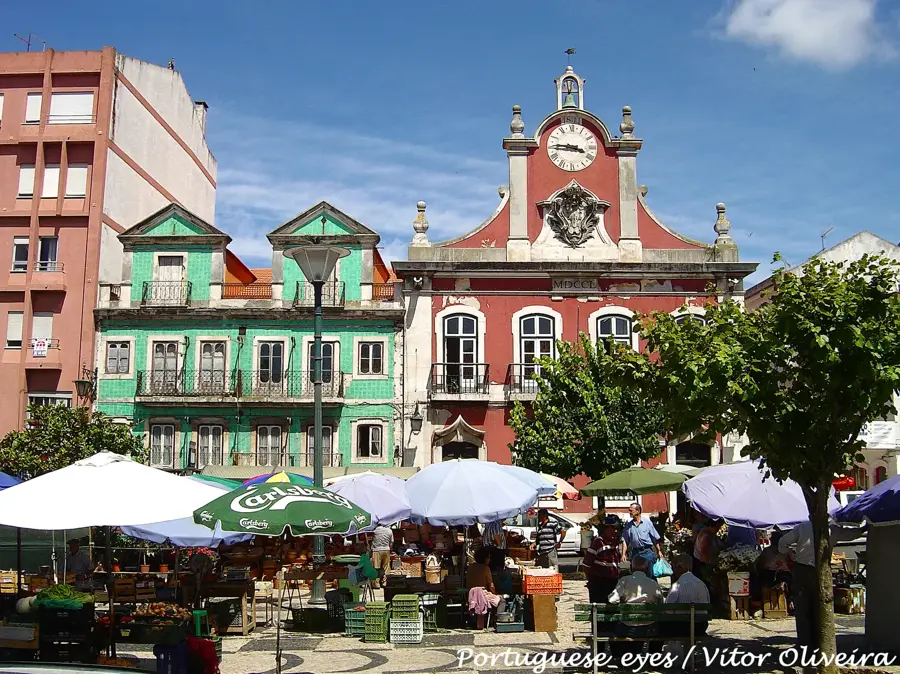
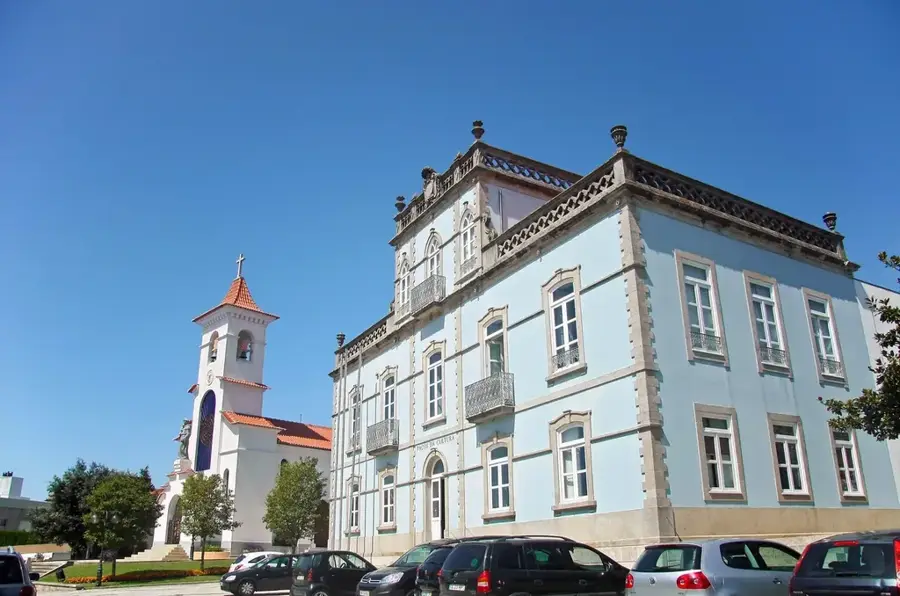
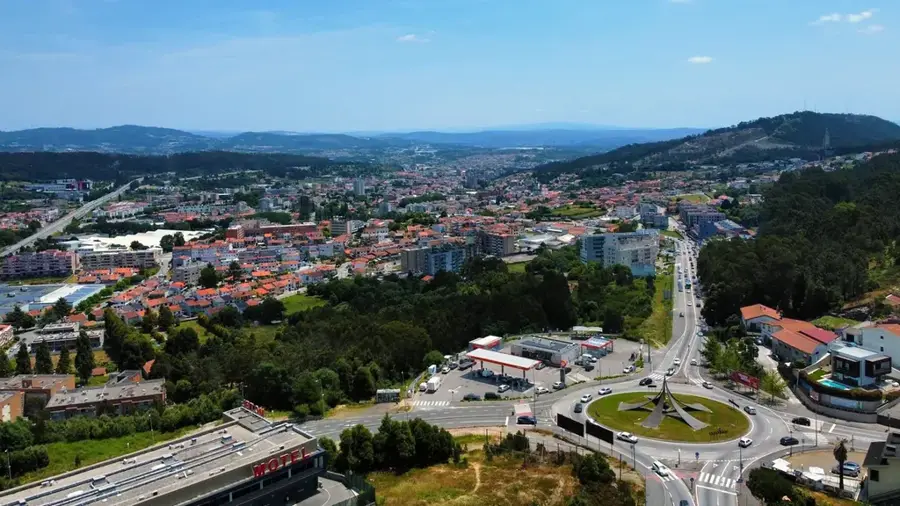
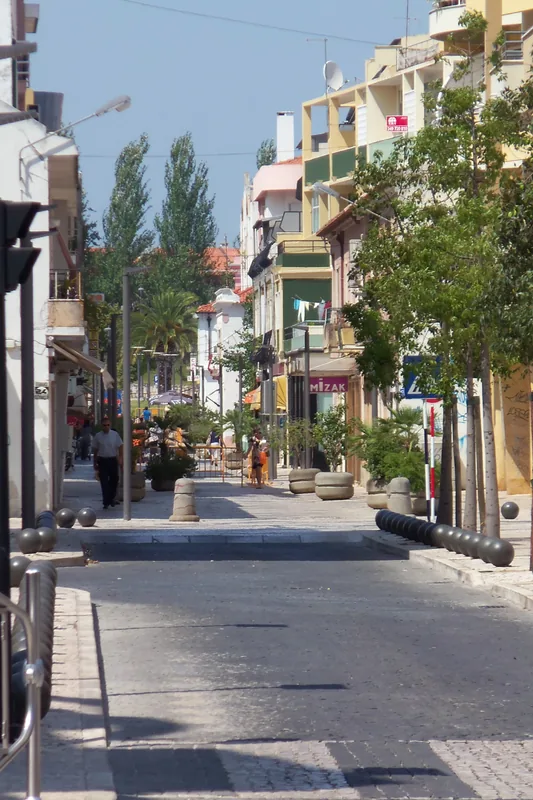
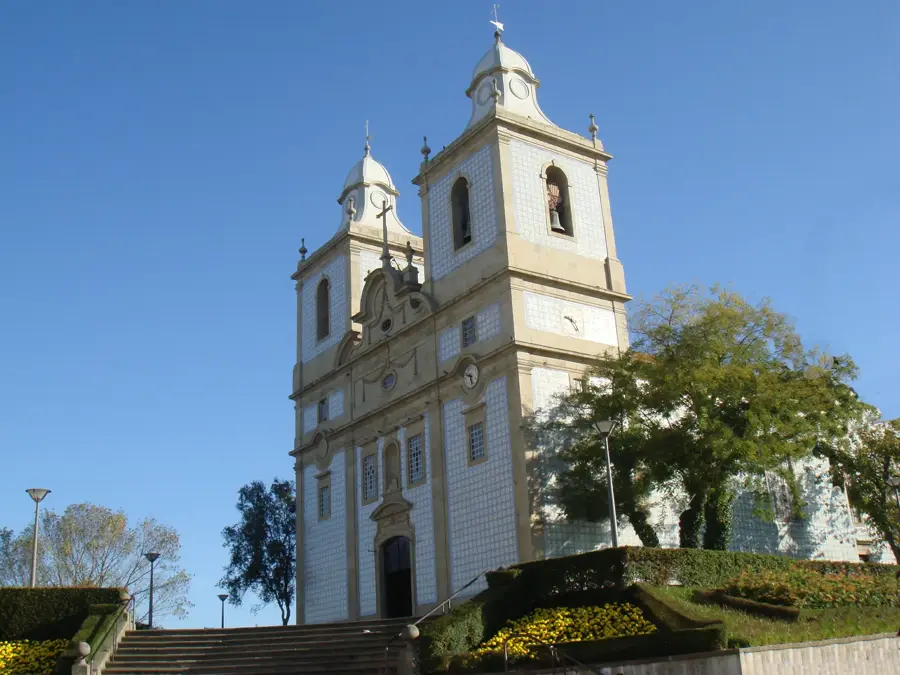
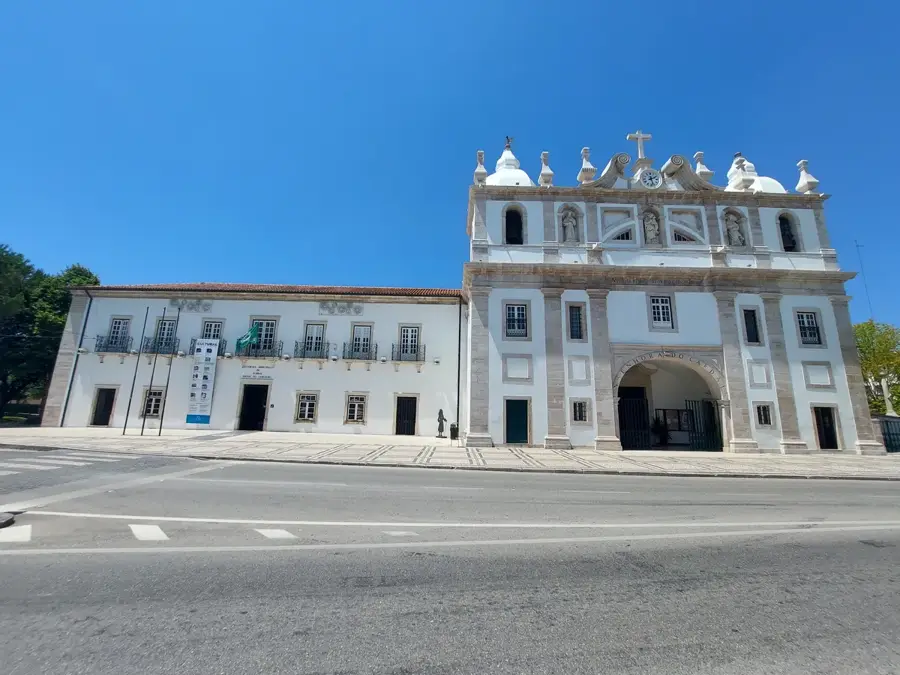
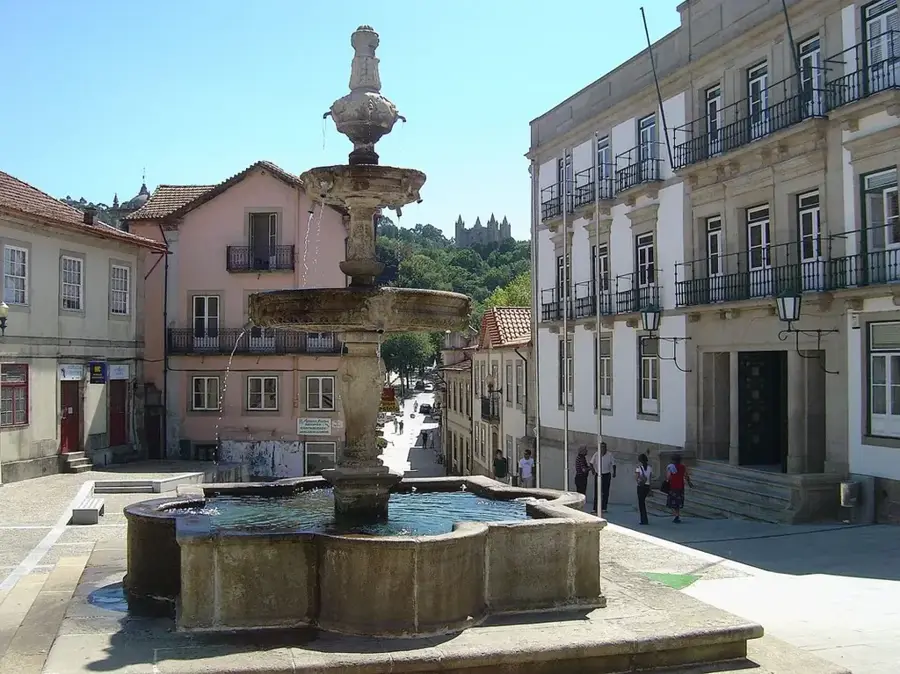
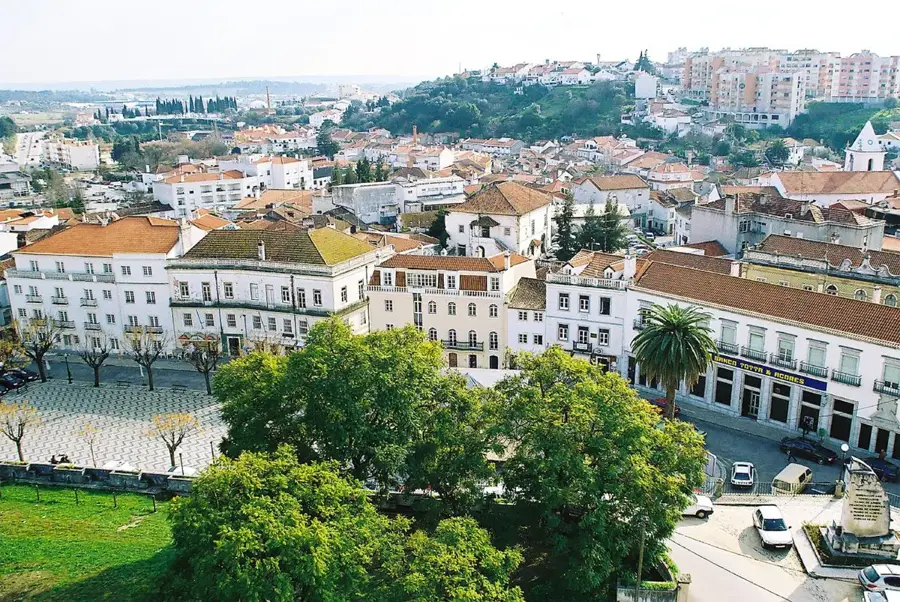
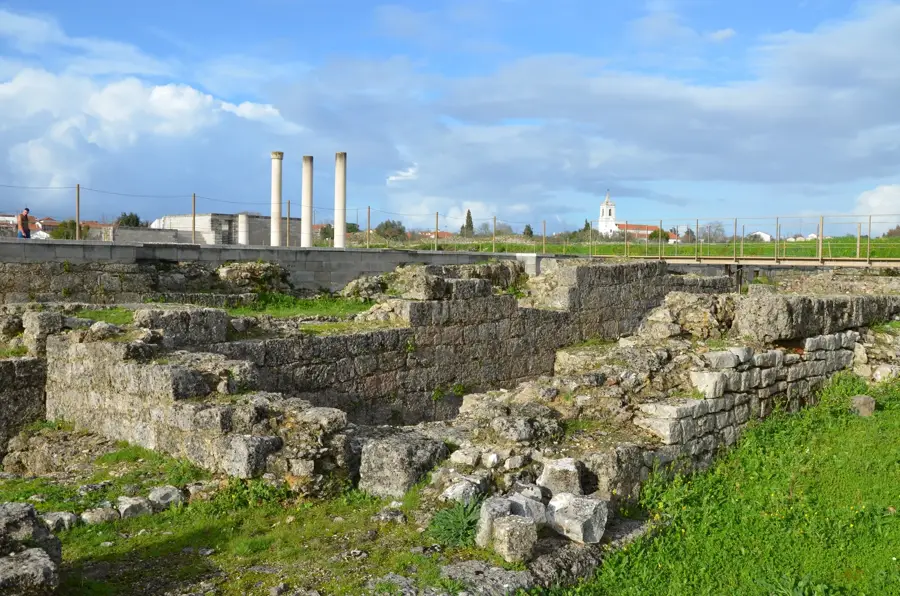
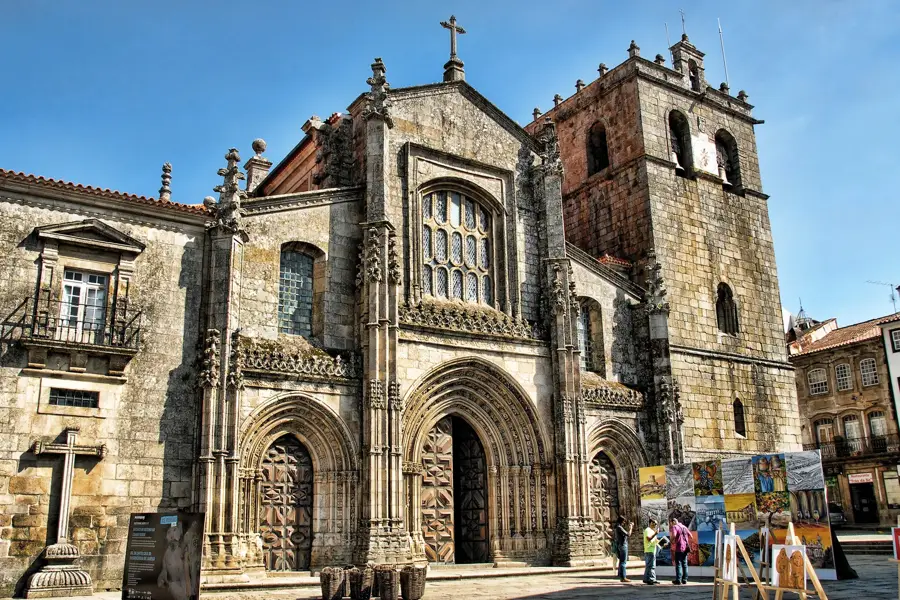
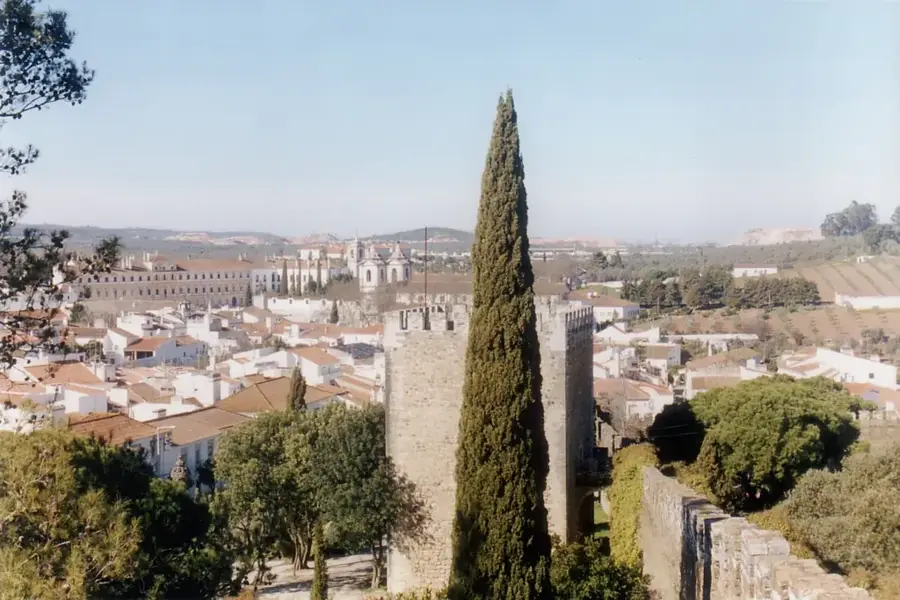
Idanha-a-Nova is a municipality steeped in history within the Castelo Branco District, renowned for its exceptional cultural and archaeological wealth. Its territory encompasses the iconic village of Monsanto, which was voted 'the most Portuguese village in Portugal' in 1938 and is famous for its houses integrated into massive granite boulders. Another key site is Idanha-a-Velha, the ancient Egitânia, which ranks among the most significant archaeological locations in Portugal, featuring Roman and Visigothic ruins. The town of Idanha-a-Nova itself was granted its charter in 1206 by King Sancho I, positioned on a strategic hill overlooking the expansive Raia plains. UNESCO has recognized the town as a 'Creative City of Music,' honoring the deep-rooted tradition of the adufe (a square frame drum). The landscape is a mix of olive groves, cork oak forests, and the rugged cliffs of the Tejo Internacional Natural Park. Visiting Idanha-a-Nova gives a profound journey through Portuguese history, from antiquity to the modern era.
Location: Portugal
Top sights: Castelo de Idanha-a-Nova · Anfiteatro ao Ar Livre · Solar dos Marqueses da Graciosa
Nearby: Penamacor (27 km)
Population: ~9.716 (2011)
Best time to visit & climate
The most pleasant time to visit is Jun, Jul, Sep.
Jan
Feb
Mar
Apr
May
Jun
Jul
Aug
Sep
Oct
Nov
Dec
Avg °C
6
7
10
13
17
22
26
26
22
16
10
7
Rain mm
91
78
94
80
48
20
7
11
38
121
112
95
Geography
Population
9,716 (2011)
Coordinates
39.93330, -7.23330
Facts
Granted its municipal charter by King Sancho I in 1206
Monsanto won the 'Most Portuguese Village' title in 1938
Idanha-a-Velha was the site of the ancient city Egitânia
Named a UNESCO Creative City of Music for its adufe drumming
Site of the biennial international Boom Festival at Idanha Lake
Located within the Tejo Internacional Natural Park near Spain
Pick weather + travel mode, get a concrete day plan.
09:00→14:231.8 km walk5 places0/5
Day budget: ≈ 15–21 €Entries 18€ · Transport 0€
Start your day at the historic Pillory before strolling to the majestic Mother Church. The morning is dedicated to the climb up to the castle and its viewpoint, offering stunning vistas. After a leisurely lunch, immerse yourself in local culture at the Raiano Cultural Centre in the afternoon for a relaxing finish.
← swipe for more places →
📍
09:10 · 47'
Pillory of Idanha-a-Nova
A well-suited starting point to understand the symbolism of ancient Portuguese justice.
Morning starts by the Pillory under umbrellas. The Mother Church provides a dry sanctuary for reflection. At midday, we climb to the Castle, taking care on the slippery wet stones. The afternoon is best spent at the Raiano Cultural Centre, where you can explore the local Adufe drum traditions safely away from the rain before finishing your walk in a cozy local cafe.
← swipe for more places →
📍
09:10 · 47'
Pillory of Idanha-a-Nova
Be careful on the slippery limestone cobbles around the pillory.
The winter morning is crisp at the Pillory as mist rises from the valley. The church offers a cool, quiet space for reflection. At midday, the walk to the Castle warms you up, but be prepared for a sharp north wind at the summit. Enjoy the golden winter light at the viewpoint before retreating to the Cultural Centre for warmth as the sun sets early, around 5:15 PM.
← swipe for more places →
📍
09:10 · 47'
Pillory of Idanha-a-Nova
Watch out for morning frost on the ancient stone steps.
Set off from the heart of Idanha-a-Nova before a scenic bike ride to the Marechal Carmona Dam. Enjoy the tranquility by the water before heading back inland for an authentic lunch. The afternoon brings a challenge with the climb to the castle, but the reward is the view. End your day with a contemplative visit to the Chapel of São Dâmaso.
← swipe for more places →
📍
09:10 · 47'
Town Center (Pillory & Mother Church)
Explore the heart of the town before setting off on your bike ride.
A wet ride through the center requires caution on the Calçada stones. The route to the dam takes you through the fresh, rain-soaked nature of Beira. At midday, warm up with a hearty countryside lunch. The afternoon climb to the castle is challenging in the rain, but the misty reservoir views reward the effort before finishing the day at the Chapel of São Dâmaso.
← swipe for more places →
📍
09:10 · 47'
Town Center (Pillory & Mother Church)
Avoid sharp braking on the wet cobblestone streets.
A frosty start in the center where your breath is visible in the cold air. The ride to the dam is refreshing but requires good wind protection. At midday, stop for a warming local soup. In the afternoon, climb to the castle in the clear, low-hanging sunlight that turns the ancient stones red. Finish at the chapel before the night chill sets in around 5 PM.
← swipe for more places →
📍
09:10 · 47'
Town Center (Pillory & Mother Church)
Watch for icy patches in the narrow shaded alleys.
The morning is for exploring the center of Idanha-a-Nova, all on foot from a single parking spot. After exploring the castle, the afternoon takes you to the charming historic village of Idanha-a-Velha for lunch amidst history. The day concludes with a peaceful visit to the Marechal Carmona Dam before returning to Idanha-a-Nova.
← swipe for more places →
📍
09:10 · 47'
Idanha-a-Nova Cluster (Center)
Park your car and explore the Pillory, Mother Church, and nearby alleys on foot.
Start relaxed in your dry car, exploring the center between rain showers. The drive to the castle offers dramatic views of the cloud-covered Beira landscape. At midday, head to historical Idanha-a-Velha, where ancient ruins take on a mystical atmosphere in the rain. After a brief stop at the dam, finish the day with a cozy dinner back in Idanha-a-Nova.
← swipe for more places →
📍
09:10 · 47'
Idanha-a-Nova Cluster (Center)
Park close to the Pillory to minimize walking in the rain.
Enjoy a heated morning drive through the wintry Beira. In Idanha-a-Nova, explore the castle while the winter sun illuminates the landscape. The drive to Idanha-a-Velha leads through quiet oak groves under clear skies. Watch the sunset at the dam before warming up with a glass of regional wine and hearty food back in town.
← swipe for more places →
📍
09:10 · 47'
Idanha-a-Nova Cluster (Center)
Expect morning frost on the streets of the old town.
The ruins of a medieval castle that once defended the border of Idanha-a-Nova.
Anfiteatro ao Ar Livre🎭 culture
A modern open-air venue in Idanha-a-Nova for concerts and theatrical performances.
Solar dos Marqueses da Graciosa🏺 historical
A historic manor house in Idanha-a-Nova, an example of local noble architecture.
Antiga Praça de Touros📍 landmark
Former bullring in Idanha a Nova, now a cultural venue.
Casa Pignatelli🏰 castle
Casa Pignatelli is a significant cultural heritage monument located in Idanha-a-Nova, showcasing impressive local architecture.
Frequently asked questions
What is the most famous village nearby?
Monsanto, known as the 'most Portuguese village of Portugal', built among giant boulders.
What is the Adufe?
A traditional square tambourine typical of Idanha, mostly played by women.
Are there large music festivals?
Yes, the Boom Festival, a world-famous psytrance festival, takes place every two years by the reservoir.
What is Idanha-a-Velha?
A very ancient village with Roman ruins and a significant early Christian cathedral.
Is Idanha a UNESCO city?
Yes, it is recognized as a UNESCO Creative City of Music.
Idanha-a-Nova: where is it located?
Idanha-a-Nova is located in Portugal.
Idanha-a-Nova: what is there to see?
Highlights include Castelo de Idanha-a-Nova, Anfiteatro ao Ar Livre, Solar dos Marqueses da Graciosa.
Idanha-a-Nova: when is the best time to visit?
The most pleasant time to visit is Jun, Jul, Sep.
Idanha-a-Nova: why is it worth visiting?
Idanha-a-Nova is a municipality steeped in history within the Castelo Branco District, renowned for its exceptional cultural and archaeological wealth.