Plizio Visual Lab

Wieliczka Salt Mine
Plizio editorial teamData Sources
mine
—°10
Wieliczka Salt Mine (Poland)

Weather…

The Wieliczka Salt Mine, located near Kraków, is not only a masterpiece of mining engineering but also one of Poland's most significant historical monuments. In continuous operation since the 13th century, it played a crucial role in the economic power of the Polish monarchy, generating substantial state revenues. The underground complex conceals a fascinating world of salt-carved chapels, subterranean lakes, and intricate sculptures, with the Chapel of St. Kinga being the most famous. The industrial extraction of table salt concluded in 1996, yet the mine continues to attract millions of visitors annually. It serves as an outstanding example of the evolution of mining technology over centuries and was among the very first sites inscribed on the UNESCO World Heritage list, underscoring its immense global importance.

Best time to visit & climate

The most pleasant time to visit is Jun–Aug.

JanFebMarAprMayJunJulAugSepOctNovDec
Avg °C-3-239141820201594-1
Rain mm4643485399961067674584641

📋 Practical info

🏭
What is this place?
The Wieliczka Salt Mine is a legendary underground complex that historically generated immense wealth for Polish monarchs through lucrative salt extraction. Today, it stands as an acclaimed UNESCO World Heritage site and a sweeping monument to human perseverance and subterranean engineering.
🚪
Visiting
The mine is entirely open to the public through meticulously organized, mandatory guided tours that navigate a fraction of its vast labyrinth. Visitors descend hundreds of steps to marvel at the carefully preserved historical mining equipment, subterranean chapels, and fascinating saline lakes.
👀
Where to view it
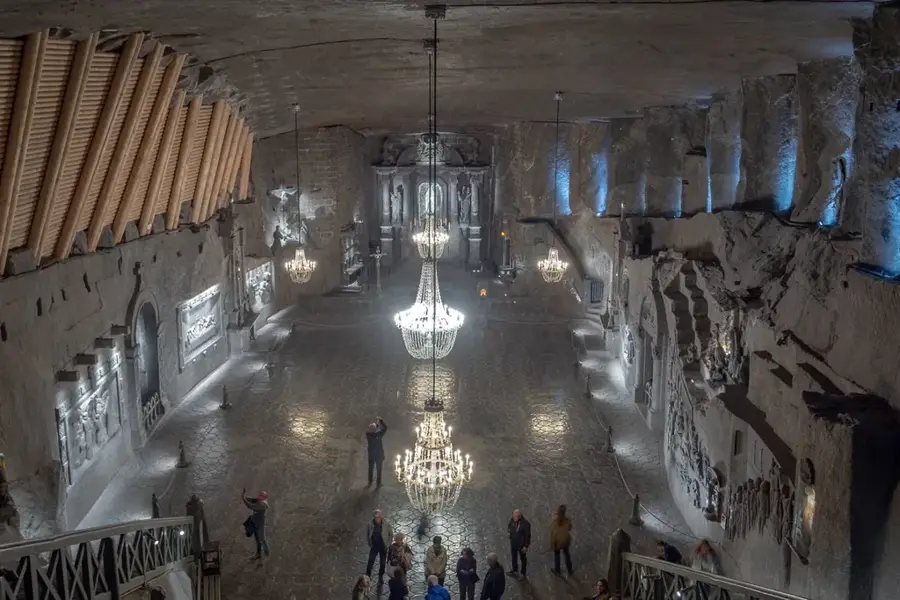
Deep below the surface, the visually striking Chapel of St. Kinga serves as the absolute highlight for any photographer or observer. The intricately carved salt walls, floor, and chandeliers create a uniquely atmospheric perspective that completely redefines traditional industrial architecture.
🧺
Local products
Tourists are typically drawn to the extensive shops offering premium bath and culinary salts directly sourced from the historical deposits. In addition to salt-themed souvenirs, the surrounding vendors in the town center serve excellent traditional Polish meals and sell authentic regional crafts.
📆
Active season
As one of Poland's absolute top attractions, the underground complex is bustling with guided groups practically every day of the year. Due to the high influx of global travelers, especially during the peak summer vacation periods, arriving early in the morning ensures a significantly smoother experience.
Nearby
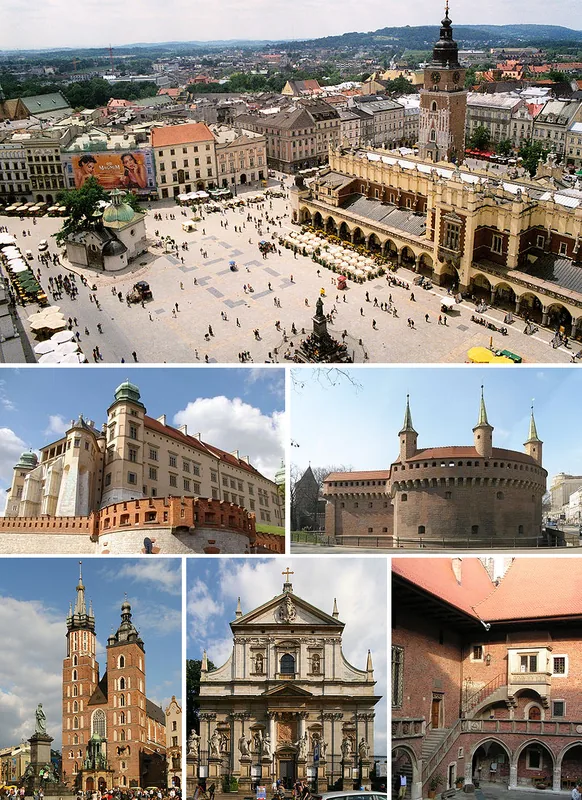
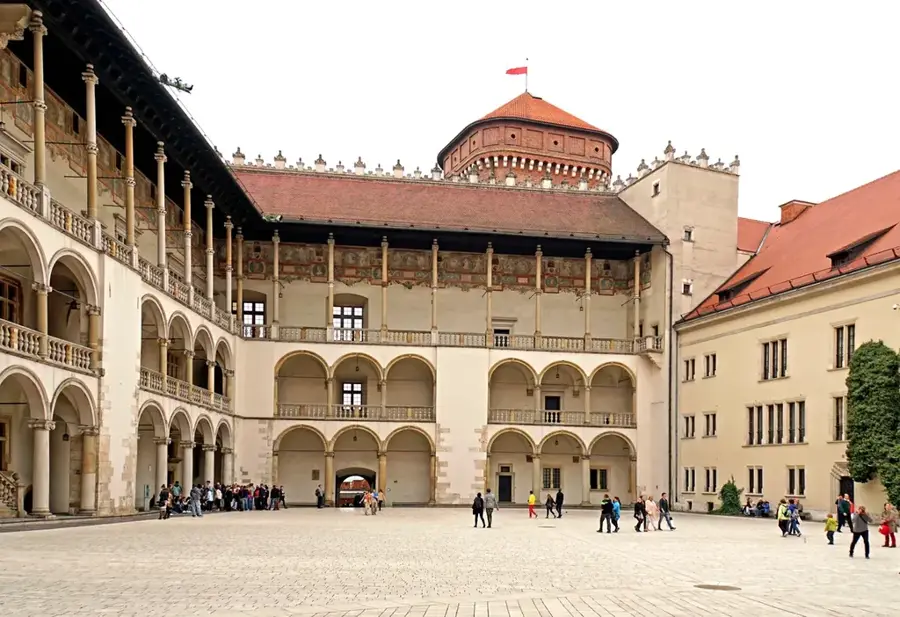
A visit to the mine perfectly complements a multi-day itinerary exploring the memorable cultural treasures of nearby Kraków's Old Town. Many visitors also take the opportunity to see the related Bochnia Salt Mine or enjoy a peaceful stroll through the surrounding lesser-known parks in Wieliczka.

Geography

Coordinates
49.98300, 20.06100

Facts

  • Inscribed on the UNESCO World Heritage list in 1978.
  • Reaches a maximum depth of 327 meters.
  • The subterranean network of galleries exceeds 287 km.
  • Recognized as one of the world's oldest salt mines.
  • The Chapel of St. Kinga is carved entirely out of rock salt.
  • Welcomes approximately 1.2 million tourists each year.

Explore nearby

Notable places around
Route planner — Car & Motorhome

Where do you start? We build the route here, with stops and country notes along the way.

Vehicle
Only stops with (optional):

© OpenStreetMap contributors · OpenRouteService

Sights in the town Wieliczka Salt Mine (10)

Dzwonnica🗼 tower

Bell tower in Wieliczka, part of the salt mine or town, historic wooden structure.

Kopalnia soli Wieliczka (trasa górnicza)🏛 museum

Museum, tourist mine with original equipment, shows miners' work.

💶

Wagonik

Attraction, small haulage cart from the salt mine, displayed for visitors.

Kościół pw. Świętego Klemensa w Wieliczce

Church in Wieliczka dedicated to Saint Clement, Baroque facade and interior.

Szyb Regis

Attraction, shaft of the salt mine, part of the mining route for tourists.

Szyb poszukiwawczy🏛 museum

Museum, oldest mine shaft (mid-13th c.) discovered in 1967 during archaeological excavations.

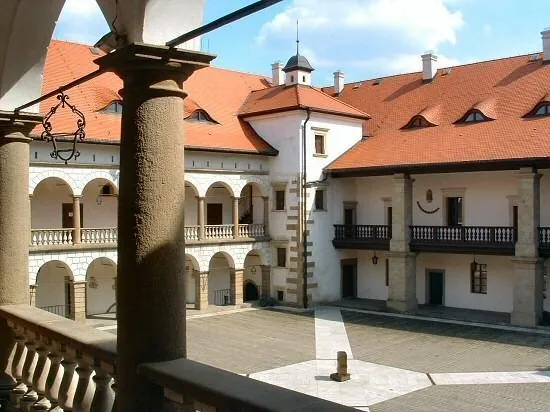
Zamek Południowy🏰 castle

19th-century castle built on the site of old wooden buildings, housed utility rooms and stables.

Zamek Środkowy🏰 castle

Castle in Wieliczka, part of the salt mine complex, historic building.

Zamek Żupny🏛 museum

Museum, medieval salt castle in Wieliczka, seat of the salt mine administration.

Zamek Północny🏰 castle

Castle in Wieliczka, northern wing of the complex, historic architecture.

Sights nearby

Frequently asked questions

Is the Wieliczka Salt Mine open to tourists?
Yes, it is one of Poland's most famous tourist destinations and a UNESCO World Heritage site.
How long does a tour take?
A standard tour takes about 2 to 3 hours and covers impressive chambers and chapels.
What is the temperature underground?
The temperature is a constant 14 to 16 degrees Celsius; bring a light jacket.
Do I need to book tickets in advance?
Yes, especially during peak season, online booking is highly recommended.
Is there an elevator?
You descend via stairs (about 800 steps), but an elevator brings you back up at the end of the tour.
Wieliczka Salt Mine: where is it located?
Wieliczka Salt Mine is located in Poland.
Wieliczka Salt Mine: what is there to see?
Highlights include Dzwonnica, Kopalnia soli Wieliczka (trasa górnicza), Wagonik.
Wieliczka Salt Mine: when is the best time to visit?
The most pleasant time to visit is Jun, Aug.
Wieliczka Salt Mine: why is it worth visiting?

The Wieliczka Salt Mine, located near Kraków, is not only a masterpiece of mining engineering but also one of Poland's most significant historical monuments.
View on map → The Top 50 Attractions → Most beautiful beaches → OpenStreetMap →
Europe
Explore with Plizio Discover more places in Europe
More places in Poland →

Nearby cities