Plizio Visual Lab

Mount Pulag
Plizio editorial teamData Sources
Mountain
—°11
Mount Pulag (Philippines)

Weather…

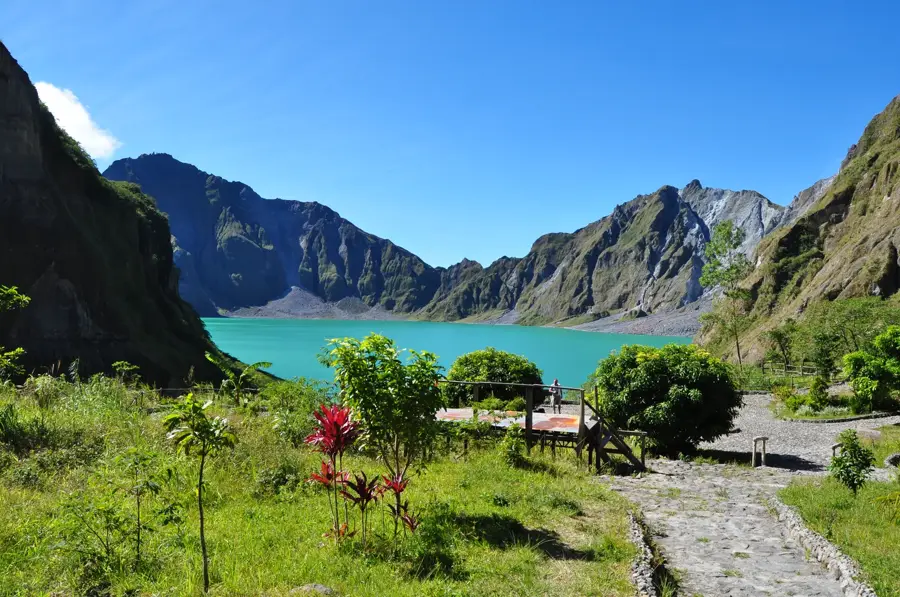
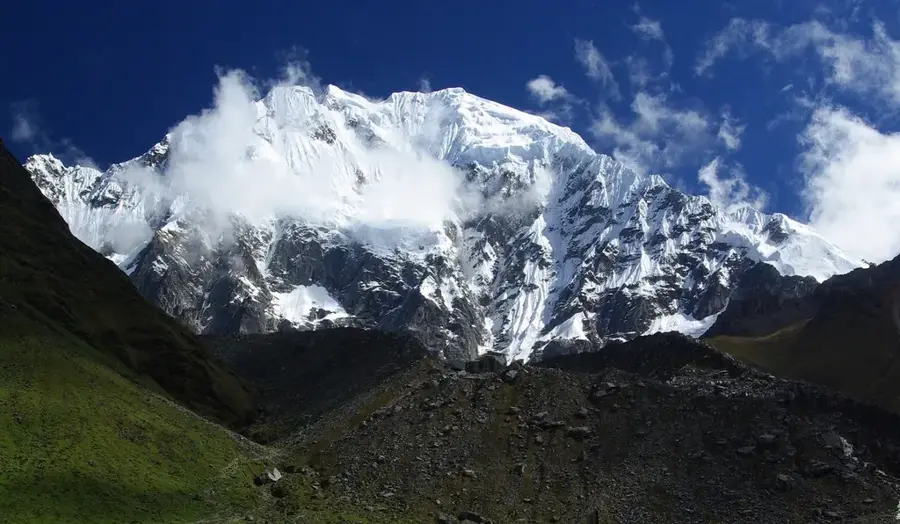
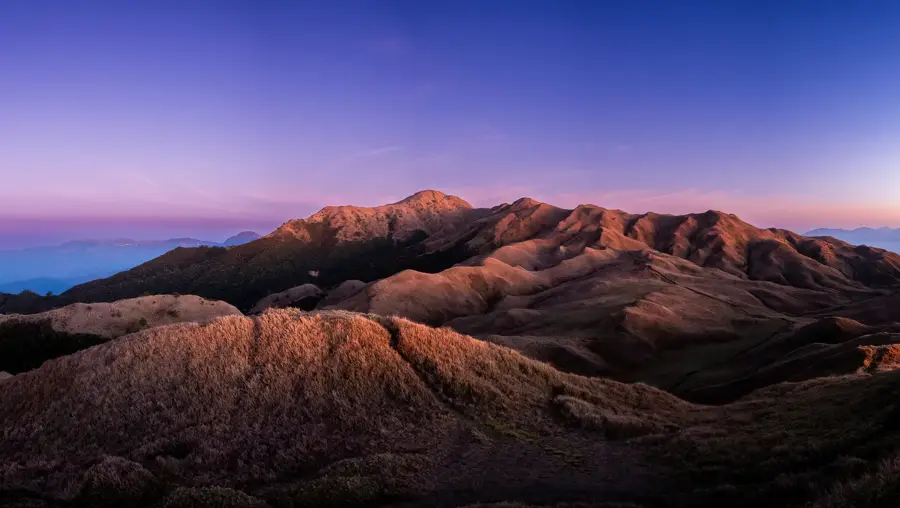
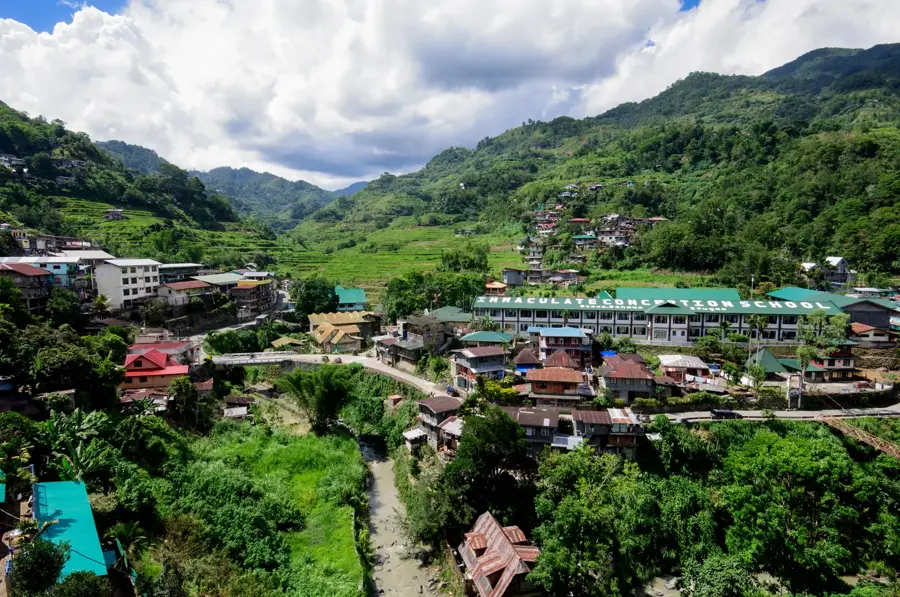
Mount Pulag, at 2,922 meters, is the highest peak on Luzon island, known for its unique relief that distinguishes it from other volcanic mountains. Its summit region is characterized by vast, rolling grasslands, in stark contrast to the steep, dense mossy forests of the middle elevations. The 'sea of clouds' phenomenon, which often surrounds the summit, is world-famous, giving visitors the feeling of standing above the clouds. Pulag's geology is defined by granite and sedimentary rocks, resulting in a gentler yet imposing mountain form. The cool highland climate and thin air create an alpine atmosphere rare for the Philippines. The mountain is a critical watershed for northern Luzon.

Best time to visit & climate

The most pleasant time to visit is Jan–Mar.

JanFebMarAprMayJunJulAugSepOctNovDec
Avg °C192022242524242323222220
Rain mm115103117102238263383390320342335313

📋 Practical info

🧭
Getting there
The mountain is normally approached via the village of Ambangeg in Bokod, Benguet, where all hikers must attend a short, mandatory orientation seminar at the local nature park office.
📅
Best season
The cool and dry months from December to March are well-suited for experiencing the spectacular sea of clouds at sunrise, as visibility is notably clearer and the risk of heavy rain drops.
⛰️
Terrain & paths
The most frequently used Ambangeg trail is characterized by moderate, well-established paths that lead through dense pine forests, moss-covered zones, and finally into open grasslands.
🎒
What to bring
Since temperatures near the summit often drop close to freezing at night, thick layers, thermal clothing, a reliable headlamp, and a high-quality sleeping bag are absolutely mandatory.
🅿️
Parking
Vehicles can usually be parked safely at the official ranger stations or in clearly designated areas near the trailhead, often in exchange for a modest, mandatory community parking fee.
⚠️
Safety
Due to the significant altitude, the thin air can cause altitude sickness in some visitors; ascending slowly, staying well-hydrated, and respecting rapid weather changes are extremely vital.
⏱️
Time needed
A standard expedition on the Ambangeg trail usually spans two days, involving an overnight stay in a tent camp, followed by a very early ascent in the dark to catch the famous sunrise.

Geography

Coordinates
16.59800, 120.88400

Facts

  • The summit region is often referred to as the 'Playground of the Gods'.
  • Temperatures at the summit can drop below freezing at night.
  • The grassland at the summit is composed of endemic dwarf bamboo.
  • The mountain lies on the border of Benguet, Ifugao, and Nueva Vizcaya provinces.
  • Four major trails lead to the summit, with the Ambangeg trail being the easiest.
  • It is a key habitat for the endangered Luzon bushy-tailed cloud rat.
  • The mountain was declared a National Park in 1987.

Explore nearby

Notable places around
Route planner — Car & Motorhome

Where do you start? We build the route here, with stops and country notes along the way.

Vehicle
Only stops with (optional):

© OpenStreetMap contributors · OpenRouteService

Sights in the town Mount Pulag (11)

Mount Andok🌿 nature

A prominent mountain peak in the Cordillera Central, characterized by its rugged high-altitude terrain.

Mount Palansa🌿 nature

A mountain summit offering expansive, sweeping views over the rugged highland forests of the Cordillera.

Mount Libung🌿 nature

An elevated peak situated within the scenic, cloud-covered mountain ranges of the Pulag region.

Kabayan Mummy Burial Cave📍 landmark

A historical cave site housing the ancient, naturally preserved fire mummies of the Ibaloi people.

Bangao (for Pongasan cave)📍 landmark

A rugged staging area and access point for exploring the hidden depths of the Pongasan cave network.

National Museum of the Philippines - Kabayan🏛 museum

A cultural museum preserving the rich ethnographic heritage and historic mummy artifacts of the Ibaloi tribe.

🕒 Mo-Su 08:00-17:00

Asokong Catholic Church⛪ religious

A Catholic church serving the local highland community, set directly within the steep mountain terrain.

Adaoay UCCP church📍 landmark

A Protestant Christian church situated along the scenic, forested slopes of the high-altitude region.

Tawangan Lutheran Church⛪ religious

A Lutheran worship building located in the remote, high-altitude village surrounded by pine forests.

St. Francis Xavier Parish⛪ religious

A parish church standing as a central community gathering place in the rugged mountain landscape.

Public Market Building🎭 culture

A busy marketplace structure where high-altitude farmers trade their fresh, locally grown produce.

Sights nearby

Frequently asked questions

What is Mount Pulag famous for?
It is famous for its 'sea of clouds' at sunrise.
How is the climate there?
Very cold; temperatures can reach freezing at night.
Do you need to be fit?
Yes, it is a strenuous hike, but doable for experienced hikers.
Do I need a guide?
Yes, a guide is mandatory for the ascent.
When should I book?
Due to its popularity, you should book weeks in advance.
Mount Pulag: where is it located?
Mount Pulag is located in Philippines.
Mount Pulag: what is there to see?
Highlights include Mount Andok, Mount Palansa, Mount Libung.
Mount Pulag: when is the best time to visit?
The most pleasant time to visit is Jan, Mar.
Mount Pulag: why is it worth visiting?

Mount Pulag, at 2,922 meters, is the highest peak on Luzon island, known for its unique relief that distinguishes it from other volcanic mountains.
View on map → The Top 50 Attractions → OpenStreetMap →
Asia
Explore with Plizio Discover more places in Asia
More places in Philippines →

Nearby cities

History & landmarks

More places