Plizio Visual Lab

Banaue Rice Terraces
Plizio editorial teamData Sources
Landmark
—°9
Banaue Rice Terraces (Philippines)

Weather…

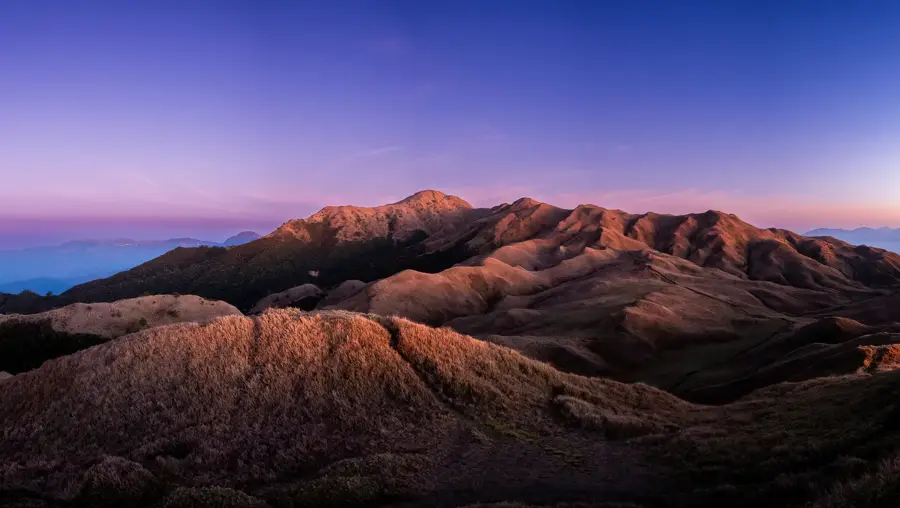
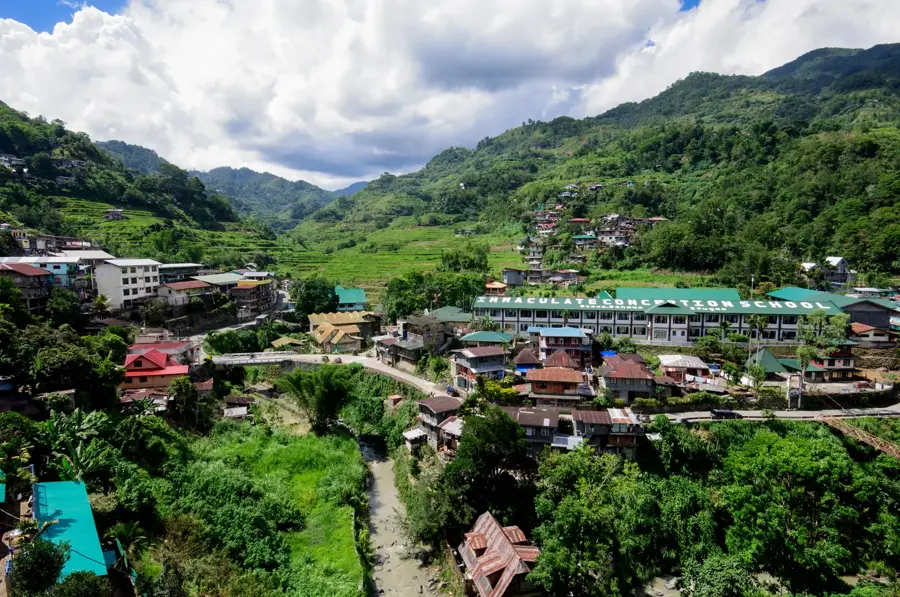
The Banaue Rice Terraces are a dramatic network of ancient irrigated rice paddies carved into the mountains of Ifugao in the northern Philippines. Often called the 'Eighth Wonder of the World,' these terraces were built approximately 2,000 years ago by the indigenous Ifugao people using minimal equipment, mostly by hand. The terraces follow the natural contours of the mountains, creating an impressive landscape that stretches for miles. They are fed by an ancient irrigation system that captures water from the mountaintop forests. While the Banaue Rice Terraces themselves are not a UNESCO World Heritage site, other nearby terrace clusters in the region are inscribed as the 'Rice Terraces of the Philippine Cordilleras.' This agricultural marvel represents a harmonious relationship between humanity and nature and stands as a living cultural landscape of great beauty and ingenuity.

Best time to visit & climate

The most pleasant time to visit is Jan–Mar.

JanFebMarAprMayJunJulAugSepOctNovDec
Avg °C192022252525242424232220
Rain mm76687779228284385425322317286264

📋 Practical info

🚪
Visiting
Visitors can easily explore the viewing decks alongside the mountain roads and hike directly through the narrow, often muddy pathways that connect the sprawling ancient terraced fields.
🕒
Typical hours
The terraces are accessible throughout daylight hours, but it is highly recommended to start your trekking activities very early in the morning to avoid the intense midday sun and heat.
📷
Photography
The sprawling landscapes are best photographed during the golden hour just after sunrise, when the dramatic shadows clearly highlight the impressive ancient engineering of the steep slopes.
⏱️
Time needed
While a brief stop at a main viewpoint takes only about an hour, a guided trekking adventure deeper into the terraces and surrounding villages requires at least a full day to complete.
Combine with
Pair your trip with a much more challenging trek to the nearby Batad Rice Terraces, known for their distinct amphitheater shape, or immerse yourself in culture at a local Ifugao museum.
🧭
Getting there
Reaching the remote town of Banaue generally requires taking a very long overnight bus ride directly from Manila through winding, steep mountain passes that can be quite challenging.
💡
Insider tip
Hiring a knowledgeable local guide is highly advisable, as the confusing network of trails is rarely signposted and they can share invaluable historical insights into the indigenous traditions.

Geography

Coordinates
16.92420, 121.05830

Facts

  • Built around 2,000 years ago by the Ifugao people by hand.
  • Often referred to as the 'Eighth Wonder of the World'.
  • Fed by an ancient irrigation system from the mountain forests.
  • Some terraces are located at altitudes up to 1,500 meters.
  • The stone walls of some terraces are up to 6 meters high.
  • A living cultural landscape still farmed by the Ifugao today.
  • The terraces are featured on the 1,000-peso banknote.

Explore nearby

Notable places around

Route planner — Car & Motorhome

Where do you start? We build the route here, with stops and country notes along the way.

Vehicle
Only stops with (optional):

© OpenStreetMap contributors · OpenRouteService

Sights in the town Banaue Rice Terraces (9)

Hapao Viewpoint🌿 nature

A scenic overlook offering panoramic views of the cascading Hapao rice terraces.

Banaue Arc🌿 nature

The welcome arch providing a vantage point over the famous mountain landscapes of Ifugao.

MRAVIN Banaue (fb) GUIDE📍 landmark

A local guiding service for exploring the intricate pathways of the Banaue Rice Terraces.

🕒 24/7

Baguio Viewpoint🌿 nature

An elevated observation deck providing views towards the mountainous terrain.

Fish hatchery📍 landmark

An aquaculture facility breeding local fish varieties among the terraced mountain landscapes.

Cambulo Rice Terraces📍 landmark

A sprawling amphitheater of ancient stone-walled rice paddies carved into the mountain slopes.

Ifugao Ethnic Village🏛 museum

A cultural museum complex featuring traditional wooden houses and indigenous artifacts of the Ifugao people.

Banaue Museum🏛 museum

An institution displaying historical artifacts, traditional textiles, and cultural items of the Ifugao heritage.

🕒 Mo-Su 08:00-17:00

Coldileran Culture Museum🏛 museum

An exhibition space dedicated to the history, arts, and traditions of the various Cordillera indigenous tribes.

Sights nearby

Frequently asked questions

How old are the rice terraces?
They were built over 2000 years ago by the ancestors of the Ifugao.
Is hiking difficult?
The trails are steep and often slippery; good fitness is recommended.
Which season is best?
April-May or October-November offer the most beautiful greenery.
Do I need a guide?
A local guide is recommended to safely navigate the trails.
How do I get there?
There are overnight buses from Manila, the journey takes about 9 to 10 hours.
Banaue Rice Terraces: where is it located?
Banaue Rice Terraces is located in Philippines.
Banaue Rice Terraces: what is there to see?
Highlights include Hapao Viewpoint, Banaue Arc, MRAVIN Banaue (fb) GUIDE.
Banaue Rice Terraces: when is the best time to visit?
The most pleasant time to visit is Jan, Mar.
Banaue Rice Terraces: why is it worth visiting?
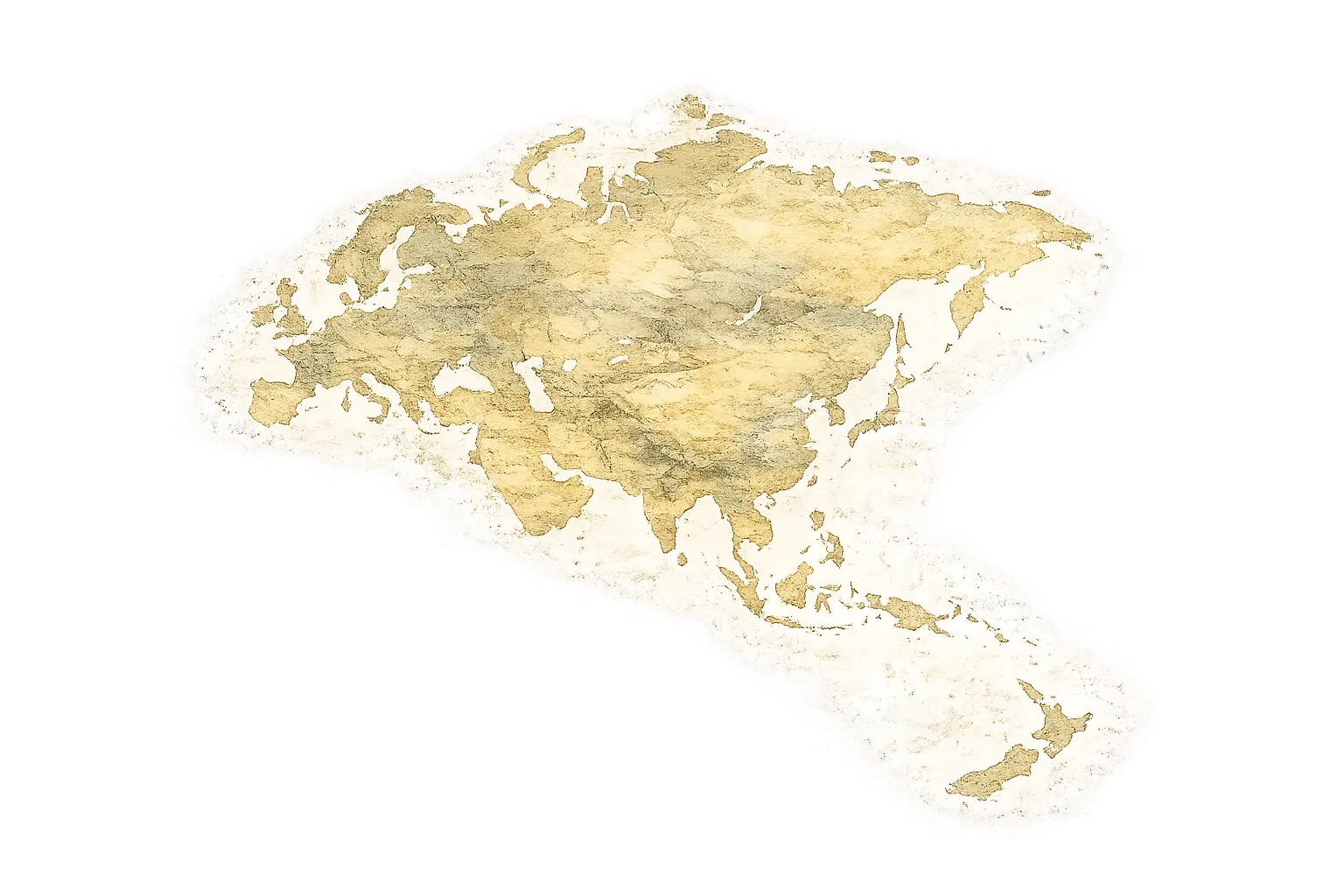
The Banaue Rice Terraces are a dramatic network of ancient irrigated rice paddies carved into the mountains of Ifugao in the northern Philippines.
View on map → The Top 50 Attractions → OpenStreetMap →
Asia
Explore with Plizio Discover more places in Asia
More places in Philippines →

Nearby cities

More places