Plizio Visual Lab

Cordillera Central
Plizio editorial teamData Sources
Mountain
—°12
Cordillera Central (Philippines)

Weather…

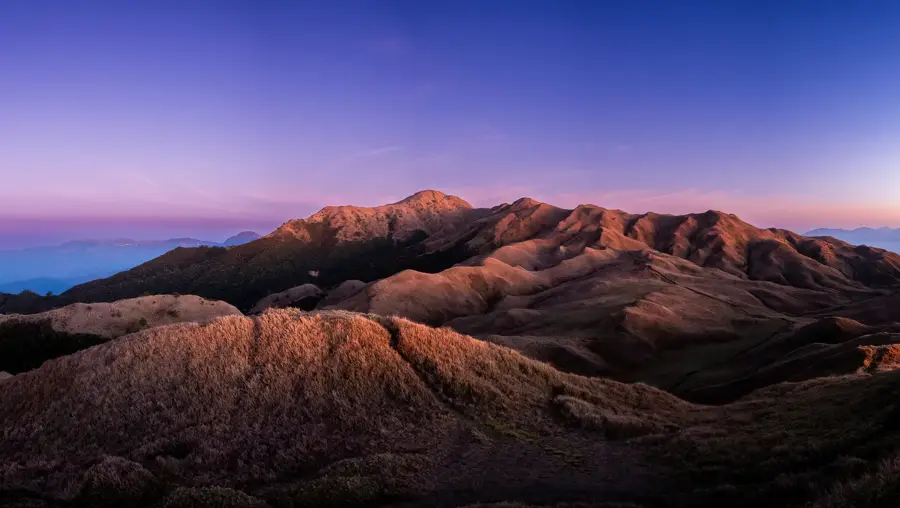
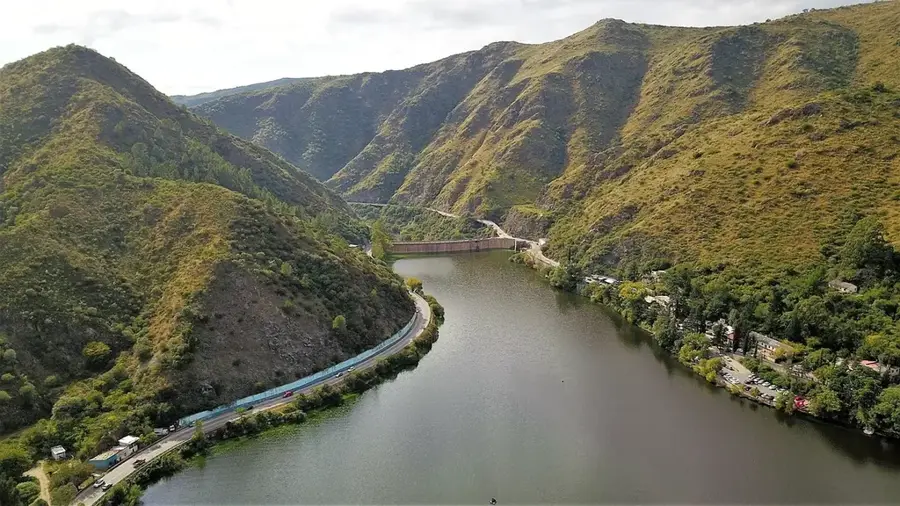
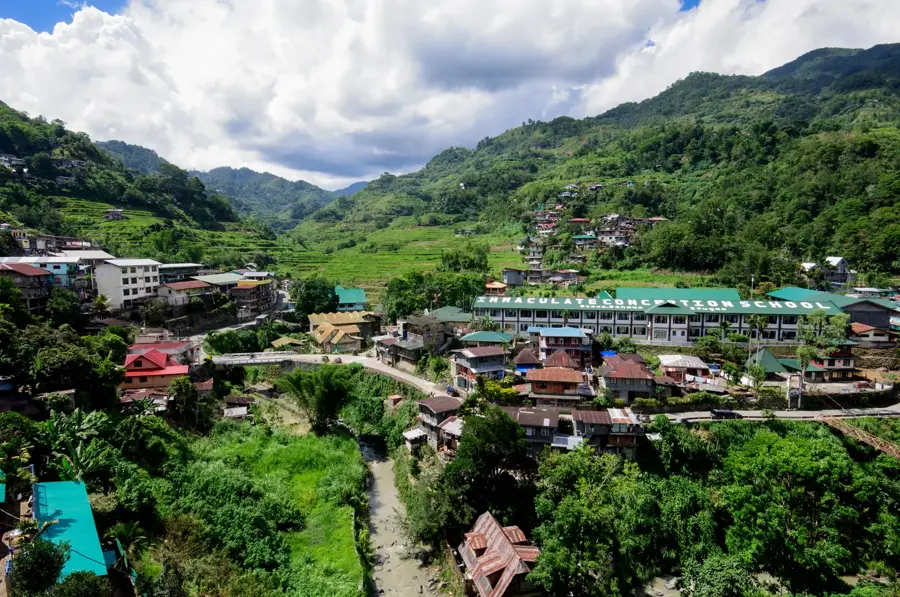
The Cordillera Central is the most massive and highest mountain relief in the Philippines, forming the backbone of Northern Luzon. This folded mountain range extends for 320 kilometers and hosts the country's highest peaks outside of Mindanao, such as Mount Pulag. The relief is characterized by extremely steep slopes, deep river valleys, and narrow ridges. The geomorphological dynamics are high, leading to frequent landslides during the typhoon season. Over millennia, the indigenous peoples of the region, such as the Ifugao, have transformed the relief by building rice terraces, creating a unique cultural landscape. The Cordillera serves as the most important water reservoir for Luzon, as the sources of numerous large rivers originate here. The cool highland climate clearly distinguishes the relief from the tropical lowlands.

Best time to visit & climate

The most pleasant time to visit is Jan–Mar.

JanFebMarAprMayJunJulAugSepOctNovDec
Avg °C192022252525242424232220
Rain mm76687779228284385425322317286264

📋 Practical info

🧭
Getting there
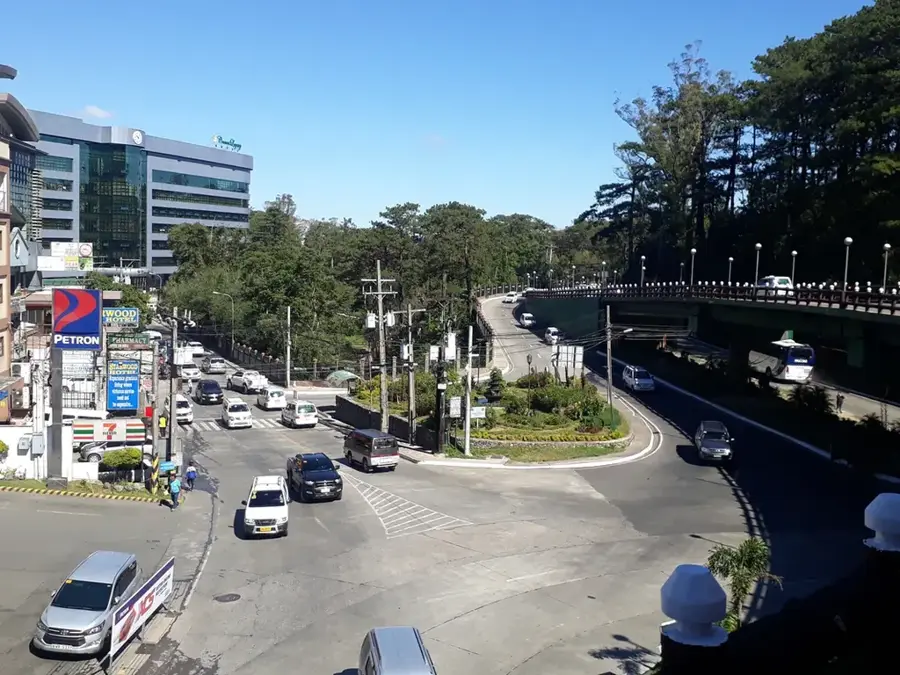
The massive mountain range is primarily accessed via scenic but winding mountain roads, such as Halsema Highway, starting from the city of Baguio. Public buses and jeepneys are the standard modes of transport for navigating the high-altitude routes.
📅
Best season
The coolest and driest months from December to February offer crisp mountain air and clear skies, great for viewing the rice terraces. Traveling during the peak monsoon season from July to October is often discouraged due to frequent landslides.
⛰️
Terrain & paths
The geography is characterized by steep peaks, deep gorges, and famous man-made terraces carved into the hillsides. Trekking here involves navigating narrow, unpaved dirt trails, ancient stone steps, and significant elevation changes on a daily basis.
🎒
What to bring
Warm layers are absolutely necessary, as nighttime temperatures in the highlands can drop significantly compared to the lowlands. Sturdy, broken-in trekking shoes with good grip are essential for safely walking along the narrow edges of the rice terraces.
🅿️
Parking
Parking space is notably limited in the tight, cliffside mountain towns, though larger guesthouses and public plazas usually offer some spaces. Many visitors prefer to leave vehicles in Baguio City and use public transport for deeper mountain excursions.
⚠️
Safety
Fog and heavy mist can dramatically reduce visibility on mountain roads, so driving requires extreme caution and patience. Always hire a local guide when trekking long distances, as trails can be confusing and weather can change rapidly at high altitudes.
⏱️
Time needed
A meaningful trip to see the major rice terraces and experience the mountain culture requires a minimum of three to five days. The travel time alone on winding roads eats up a significant portion of the itinerary, making rushed day trips impractical.

Geography

Coordinates
17.10000, 120.90000

Facts

  • The rice terraces are over 2,000 years old.
  • The region is rich in mineral deposits, particularly gold and copper.
  • Baguio, the 'Summer Capital of the Philippines', is located in this mountain range.
  • The Cordillera is home to approximately 1.5 million indigenous people.
  • The name 'Igorot' was a Spanish term for 'mountain people'.
  • Halsema Highway is one of the highest altitude highways in the Philippines.
  • The mountains are crucial to the watershed of Central Luzon.

Explore nearby

Notable places around
Route planner — Car & Motorhome

Where do you start? We build the route here, with stops and country notes along the way.

Vehicle
Only stops with (optional):

© OpenStreetMap contributors · OpenRouteService

Sights in the town Cordillera Central (12)

Church of Saint Mary the Virgin⛪ religious

This historic Anglican church in Sagada, founded by American missionaries, features distinctive stone architecture.

Ganduyan Museum🏛 museum

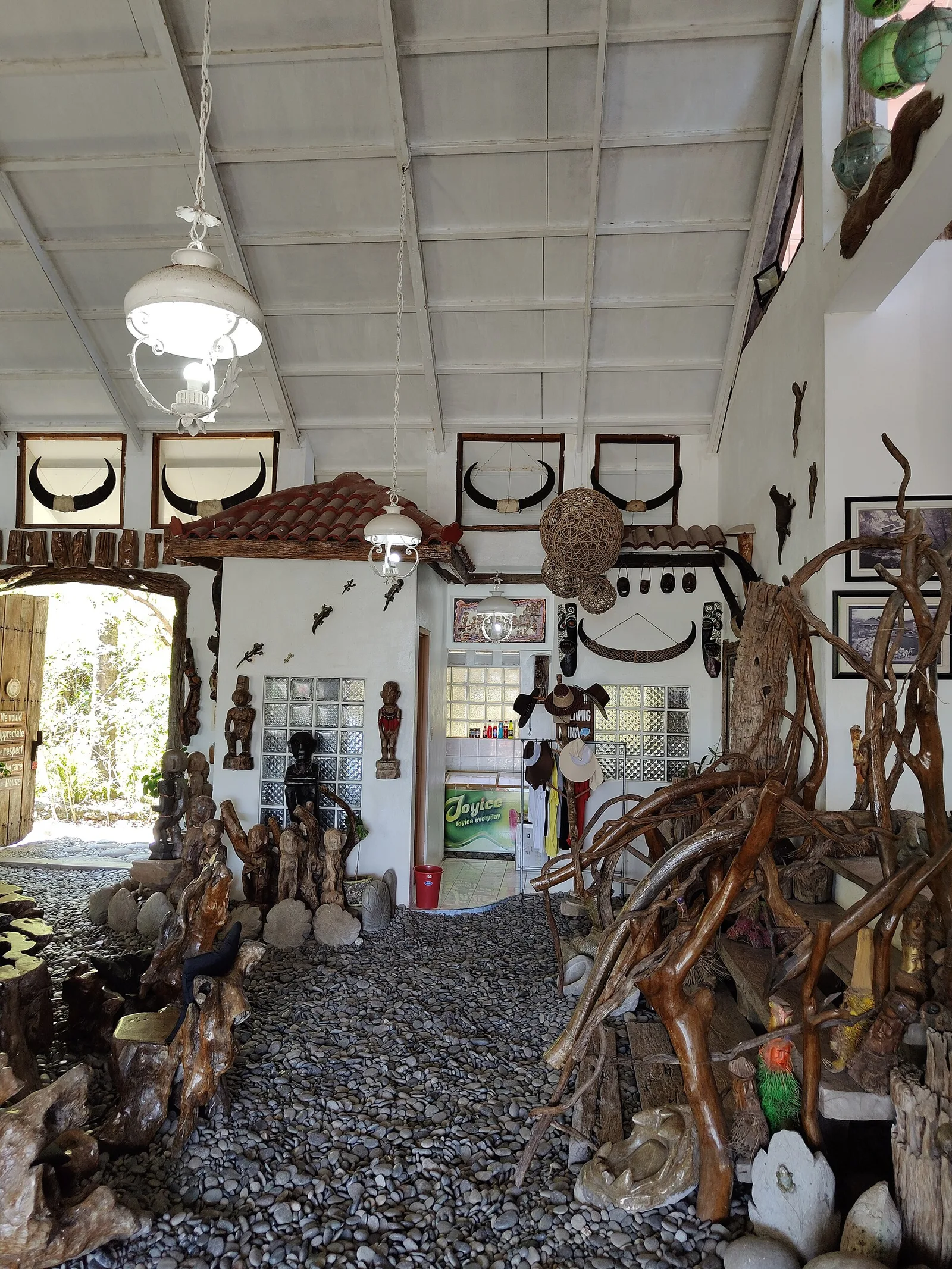
This intimate museum showcases traditional Kankanaey artifacts, including woven baskets and indigenous Cordilleran textiles.

Bontoc Museum🏛 museum

Established by Catholic sisters, this ethnographic museum features an outdoor replica of a traditional Igorot village.

Masferré Photographs🏛 museum

This gallery exhibits the iconic black-and-white photography of Eduardo Masferré, documenting mid-century indigenous life in the Cordilleras.

Sagada Weaving Showroom🎭 culture

Visitors can watch local artisans working on traditional looms to create intricately woven Cordilleran bags and garments.

Sagada Dogo Siwang Art Hub🎭 culture

This mountain-town art hub features contemporary paintings and crafts created by resident indigenous artists.

St. Michael Cluster Aided Parish⛪ religious

This Christian church serves the clustered highland communities with regular mass services in the mountainous terrain.

All Saints Cathedral⛪ religious

Built with robust stone walls, this prominent cathedral is a central place of Episcopal worship in the capital of Mountain Province.

Public Market🎭 culture

A high-altitude marketplace where vendors trade locally grown mountain vegetables, coffee beans, and traditional textiles.

APCO Mountain Province (Bontoc)📍 landmark

Situated in Bontoc, this provincial administrative building serves as a hub for local community organization and operations.

The Sacred Rock of Lumauig📍 landmark

Resting near the river, this massive boulder is revered in local Igorot mythology as a site tied to the deity Lumauig.

Rest area📍 landmark

This mountain road rest stop has weary travelers a chance to pull over and view the surrounding pine-clad slopes.

Sights nearby

Frequently asked questions

What is Cordillera Central?
The largest and highest mountain range in the Philippines.
What is special there?
The indigenous culture of the mountain tribes and the rice terraces.
Is hiking safe there?
Yes, with a local guide, it is a safe experience.
How is the weather?
Cooler than in the lowlands, often misty and rainy.
Do I need special equipment?
Weatherproof clothing and good hiking boots are very important.
Cordillera Central: where is it located?
Cordillera Central is located in Philippines.
Cordillera Central: what is there to see?
Highlights include Church of Saint Mary the Virgin, Ganduyan Museum, Bontoc Museum.
Cordillera Central: when is the best time to visit?
The most pleasant time to visit is Jan, Mar.
Cordillera Central: why is it worth visiting?
The Cordillera Central is the most massive and highest mountain relief in the Philippines, forming the backbone of Northern Luzon.
View on map → The Top 50 Attractions → OpenStreetMap →
Asia
Explore with Plizio Discover more places in Asia
More places in Philippines →

Nearby cities

History & landmarks
More places