Plizio Visual Lab
Tarma
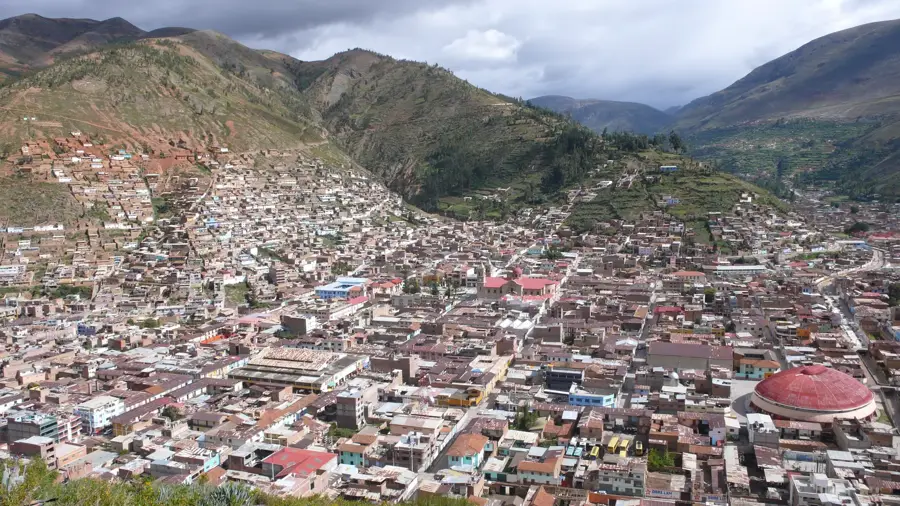
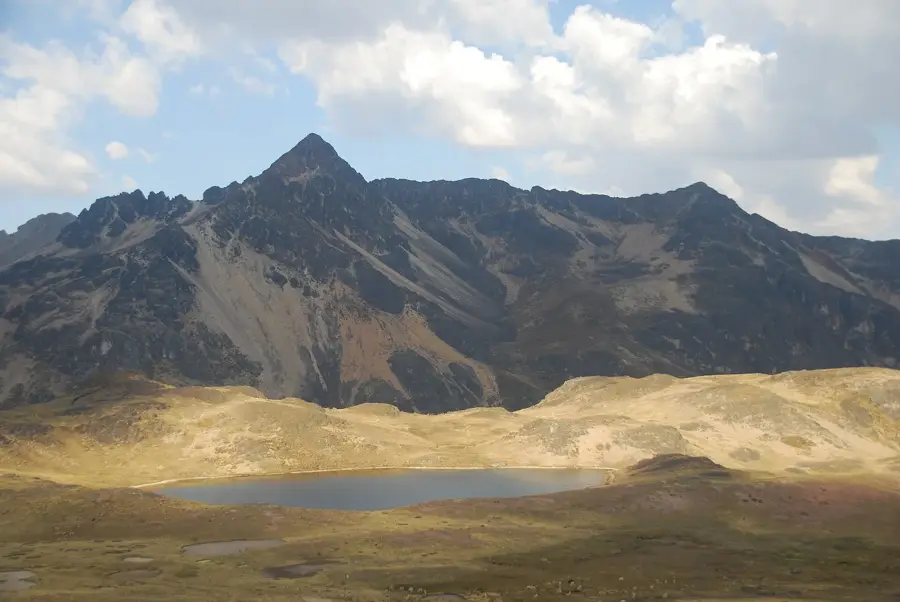
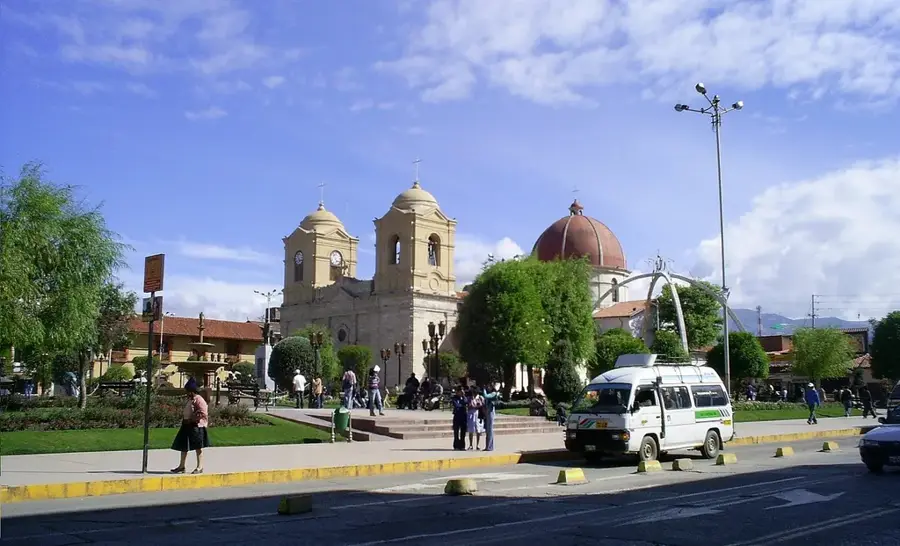
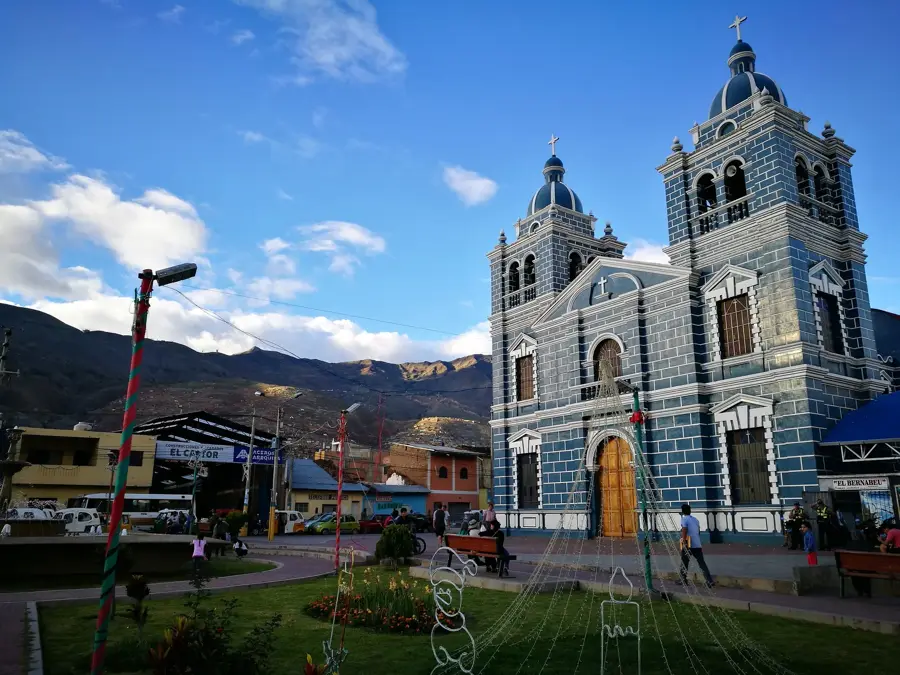
Positioned in a fertile valley, Tarma attracts visitors primarily for its agricultural beauty and colonial atmosphere. The city is the hub of Peruvian flower production, which is especially evident during Holy Week with magnificent flower carpets lining the streets. Tourists appreciate the tranquility of the Plaza de Armas and nearby archaeological sites like Tarmatambo. Nature lovers will find dramatic landscapes nearby, including the impressive Gruta de Huagapo, one of the deepest caves in South America. The region also has excellent opportunities for hiking through terraced fields dating back to Inca times. The mild climate makes Tarma a handy retreat for those wishing to escape the humid heat of the coast. Local gastronomy is defined by traditional highland dishes such as Pachamanca and Patasca. Culinary explorers should also try regional dairy products and honey varieties. Arrival is mostly by bus from Lima via the spectacular Ticlio Pass, a journey that takes about 6 to 7 hours and provides wide-open views. The best time to visit is between May and September, during the Andean dry season. A visit in May for the festival of the Lord of Muruhuay or during Semana Santa is particularly recommended to see the famous flower carpets in their full glory.
- Location: Peru
- Top sights: Óvalo Francisco de Paula Otero · Parque Manuel A. Odría · San Cristóbal
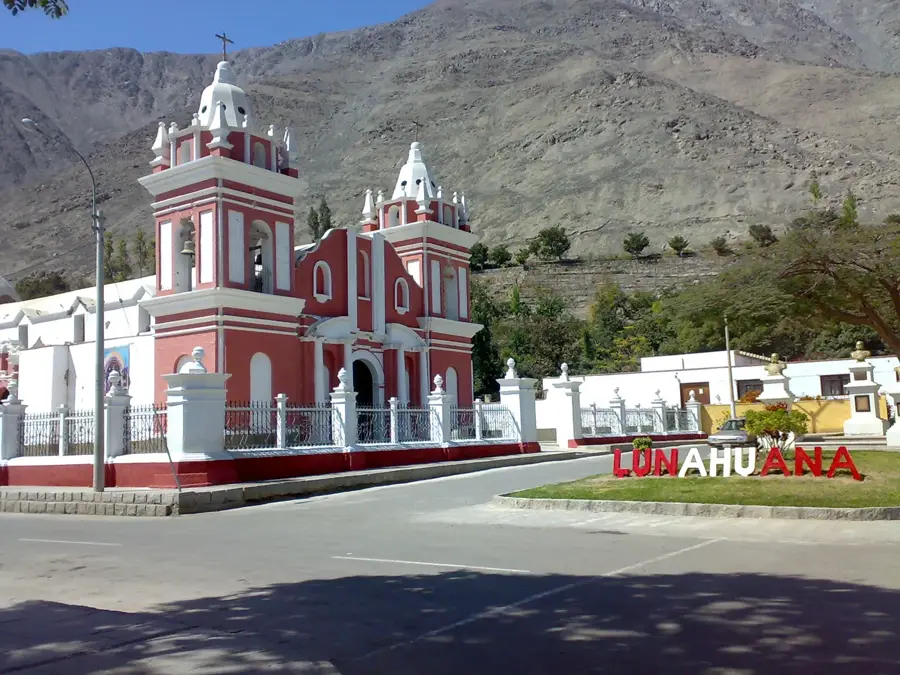
- Nearby: Lunahuaná (66 km)
- Population: ~51.350 (2015)
Geography
Facts
- Elevation: 3,053 meters above sea level
- Founded by Spaniards in 1538
- Famous for flower carpets during Easter
- Nickname: Pearl of the Andes
- Home to the Huagapo Grotto
- Major center for textile arts
- Mild climate throughout the year
- Gateway to the Peruvian central jungle
Explore nearby
Notable places around
Route planner — Car & Motorhome
Where do you start? We build the route here, with stops and country notes along the way.
© OpenStreetMap contributors · OpenRouteService
Sights in the town Tarma (9)
Frequently asked questions
Tarma: where is it located?
Tarma: what is there to see?
Tarma: why is it worth visiting?
Nearby cities
History & landmarks
More places