Plizio Visual Lab

Cave of the Owls
Plizio editorial teamData Sources
Animal habitat
—°5
Cave of the Owls (Peru)

Weather…

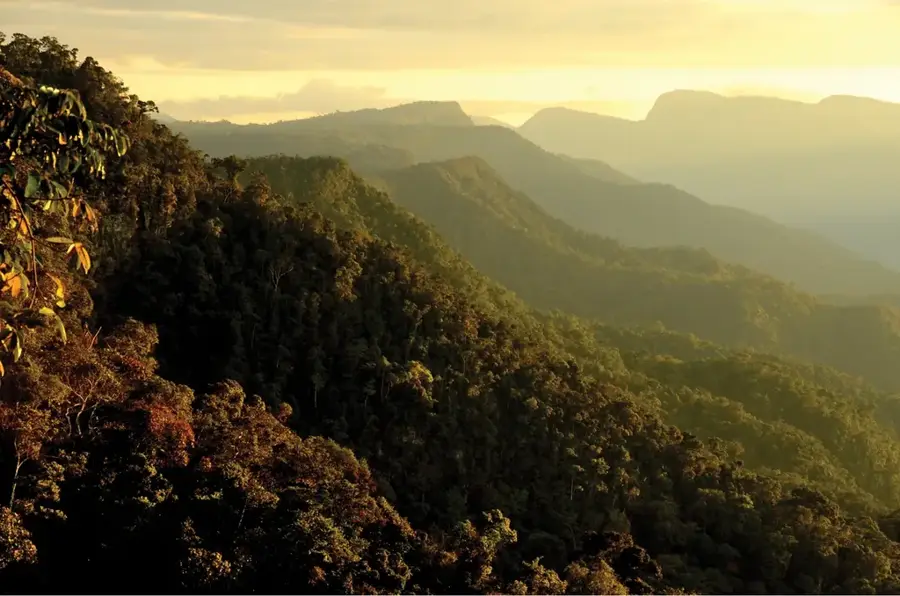
The Cueva de las Lechuzas, which translates to 'Cave of the Owls,' is located within the Tingo María National Park at the foot of the Bella Durmiente mountain range in central Peru. Despite its name, the cave is primarily home to a massive colony of oilbirds (guácharos), the only nocturnal fruit-eating birds in the world. This impressive limestone cavern features spectacular stalactites and stalagmites formed over millennia by water erosion. A wooden walkway allows visitors to explore the first large chamber, where they can witness the birds and hear their distinct shrieking as they rest in the darkness during the day. The cave's internal ecosystem is unique, as the bird droppings (guano) provide a nutrient-rich base for insects and fungi, supporting a complex food web. The surrounding National Park, established in 1965, protects the transition zone between the high Andes and the Amazon rainforest. The cave is one of the most famous natural landmarks in the Huánuco region, attracting scientists and tourists alike.

Best time to visit & climate

The most pleasant time to visit is Jul–Sep.

JanFebMarAprMayJunJulAugSepOctNovDec
Avg °C151515141414141515161515
Rain mm13915714584795146385098127162

📋 Practical info

📅
Best season
The best months to observe oilbirds in the Cave of the Owls are during the dry season from May to October. During these months, the cave is more accessible and the oilbird colony is consistently active, with younger birds present.
🌅
Best time of day
Oilbirds are nocturnal, so plan your visit for late afternoon to witness their spectacular dusk exodus. Arrive at least one hour before sunset to secure a good vantage point near the cave entrance.
📜
Etiquette
Always stay on designated paths inside the cave to protect the fragile karst formations and avoid disturbing the birds. Refrain from using flash photography or making loud noises, as this can startle the colony.
🎒
What to bring
A powerful headlamp or torch is essential for navigating the dark cave interior. Sturdy, non-slip footwear is recommended due to damp and uneven surfaces, and a rain jacket is useful for the humid cave entrance area.
🧭
Getting there
The Cave of the Owls is located within Tingo María National Park in northern Peru. The cave entrance is a short hike from the park entrance; a local guide can be hired in the town of Tingo María.
🦌
What to expect
The oilbirds may be deep inside the cave during daytime, so patience is required as they prepare to exit at dusk. Wait quietly near the entrance; the sight of thousands of birds emerging is worth the wait.

Geography

Coordinates
-9.31660, -76.01660

Facts

  • The cave is situated in Tingo María National Park, established in 1965.
  • Oilbirds (Steatornis caripensis) use echolocation to navigate in total darkness.
  • The internal temperature remains stable between 20 and 22 degrees Celsius.
  • It is one of the most significant limestone formations in the Huánuco region.
  • The resident birds feed primarily on the oily fruits of tropical palms.
  • The cave entrance and first chamber rise to over 30 meters in height.

Explore nearby

Notable places around
Route planner — Car & Motorhome

Where do you start? We build the route here, with stops and country notes along the way.

Vehicle
Only stops with (optional):

© OpenStreetMap contributors · OpenRouteService

Sights in the town Cave of the Owls (5)

Cueva de las Lechuzas📍 landmark

The Cave of the Owls is a massive limestone cavern in the jungle, inhabited by thousands of oilbirds (guácharos) and bats.

Aguas Sulfurosas📍 landmark

These natural sulfurous springs emerge from the tropical forest floor, known locally for their distinct aroma and reputed healing properties.

Mirador Jacintillo🌿 nature

The Jacintillo Viewpoint features an unparalleled sweeping panorama of the Huallaga River winding through the verdant high jungle.

La Bella Durmiente🌿 nature

Puma Ringri, famously known as Sleeping Beauty, is a chain of forested mountains that perfectly resembles the silhouette of a resting woman.

Cueva de las Pavas📍 landmark

The Cave of the Turkeys is actually a scenic, shaded river gorge surrounded by lush vegetation, complete with refreshing natural swimming pools.

Sights nearby

Frequently asked questions

Why is the cave called the Cave of the Owls?
The name comes from the numerous birds, especially the oilbirds, that live there.
Is the cave safe for children?
The accessible area is safe, but the ground can be slippery.
Do you need a flashlight for the visit?
Yes, it is dark in the cave, so a flashlight is highly recommended.
Can you enter the cave without a guide?
Entry is usually only permitted when accompanied by a local guide.
How is the climate in the cave?
It is humid and cool, a light jacket is comfortable for many visitors.
Cave of the Owls: where is it located?
Cave of the Owls is located in Peru.
Cave of the Owls: what is there to see?
Highlights include Cueva de las Lechuzas, Aguas Sulfurosas, Mirador Jacintillo.
Cave of the Owls: when is the best time to visit?
The most pleasant time to visit is Jul, Sep.
Cave of the Owls: why is it worth visiting?
The Cueva de las Lechuzas, which translates to 'Cave of the Owls,' is located within the Tingo María National Park at the foot of the Bella Durmiente mountain range in central Peru.
View on map → The Top 50 Attractions → OpenStreetMap →
South America
Explore with Plizio Discover more places in South America
More places in Peru →

Nearby cities

More places